Roseroot
Roseroot delivers a subtle rosy warmth with earthy depth. This adaptogenic botanical from Arctic regions brings gentle floral sweetness and grounding resonance to fragrance compositions.

Character
How it smells
The rosy root of the frozen north
Rhodiola rosea survives temperatures below -40°C by producing protective compounds that contribute to its distinctive warm, rosy aroma.







Origin
Russia
Siberian and Scandinavian healers used roseroot for thousands of years before the plant attracted Western scientific attention. Russian researchers began studying Rhodiola rosea extensively during the mid-20th century, documenting its adaptogenic properties and aromatic qualities. Vikings allegedly carried roseroot on ocean voyages for its stamina-enhancing effects.
Traditional Chinese medicine incorporated the root from high-altitude regions of Tibet and Mongolia. The botanical's rose-scented rhizome earned it the species name "rosea" despite being unrelated to the common rose. Ancient Greek physicians mentioned similar adaptogenic plants, though historians debate whether they specifically referenced Rhodiola.
Modern perfumers rediscovered the ingredient as consumers increasingly sought botanicals with heritage and provenance.
Wears it best
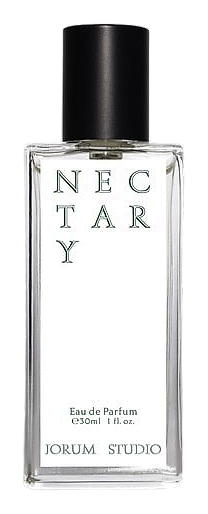
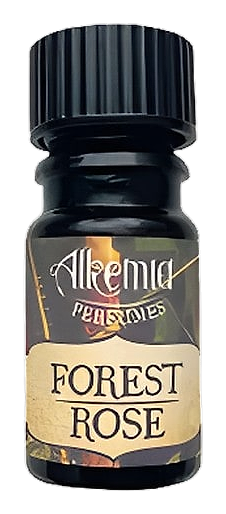
Fragrances featuring Roseroot
Brands
Brands known for Roseroot
Good to know
Questions, answered
The essentials on Roseroot in perfumery: how it smells, where it comes from, and how it behaves on skin.
What does roseroot smell like in perfume?
Roseroot offers a warm, subtle rosy scent with earthy undertones. It resembles fresh-cut roses mixed with a hint of herbal greenness and sweet resin. The effect adds warmth and grounding to fragrance blends without dominating the composition.
Where does commercial roseroot for perfumery originate?
Wild roseroot grows across Siberia, Scandinavia, and the Himalayas. Russia remains the primary source for perfumery-grade material, particularly from wildcrafted stocks in the Irkutsk region.
Is roseroot a sustainable fragrance ingredient?
Wild roseroot grows slowly and takes years to reach harvestable maturity. Responsible suppliers now favor cultivated stock or certified wildcrafting operations to protect natural populations from overharvesting.
Is roseroot oil natural or synthetic?
Roseroot oil is a natural extract derived from the plant's rhizomes through steam or hydrodistillation. Synthetic replicas exist but rarely capture the full complexity of the natural material.
Which fragrance families pair well with roseroot?
Chypre, woody, and floral compositions benefit most from roseroot. The ingredient bridges rose and earth notes, making it useful for grounding lighter floral elements.
How does roseroot differ from actual rose absolute?
Rose absolute comes from Rosa damascena petals and carries an intense floral sweetness. Roseroot oil is earthier and more subtle, providing warmth rather than dominant floral impact.
Does roseroot appear in traditional medicine?
Yes. Siberian, Scandinavian, and Chinese traditional medicine used roseroot as an adaptogen for centuries. Modern research confirms antioxidant and stress-protective properties in the root's compounds.
What extraction process yields roseroot oil for fragrance?
Hydrodistillation of dried rhizomes produces roseroot essential oil. The process involves heating plant material with water, capturing the condensed aromatic vapor, and separating the oil layer from the hydrosol.




