The Story
Why it exists.
The beginning
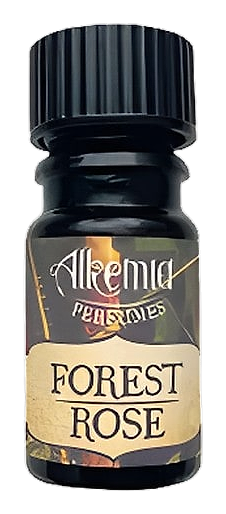
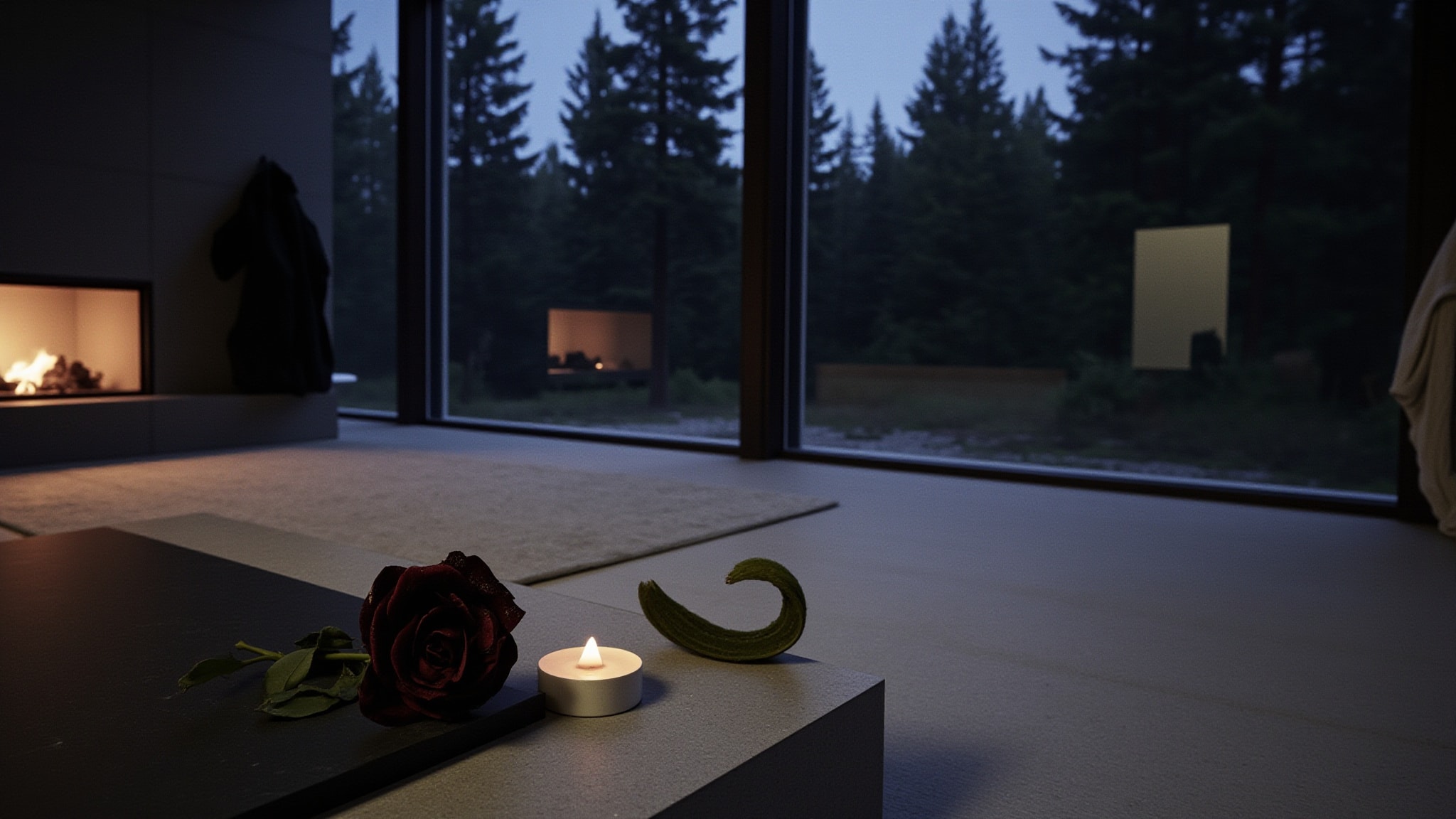
Forest Rose arrived in 2020 as a curious wandering into forested mystery, pulling dark heirloom roses into a thicket of arctic roseroot, Alaskan cypress, juniper berries, Sitka spruce, and balsam pine. The composition leans furthest from the garden and closest to the deep woods at the edge of a clearing, refusing to soften either the florals or the trees into something tame. You can smell the intent from the first spritz: the rose arrives already half-swallowed by green, wrapped in conifer resin and the cool, herbal pull of roseroot. There's no attempt to balance the two sides into a polite accord. The conifer pushes forward first, then the rose threads through it, bruised and winy in a way that reads more like crushed petals than a fresh bouquet.
What makes this composition worth slowing down for is the collision of materials. Roses live in sunlit soil. Roseroot brings a cool, rooty depth that has nothing to do with petals. Juniper and Sitka spruce offer their own resinous weight, the kind of green that reads more like forest floor than Christmas tree. Putting them together creates something that reads like a single place that shouldn't exist, a botanical no-man's-land where the rules of geography stop mattering.
The evolution
Forest Rose opens with a wall of green. Juniper and pine needles hit first, sharp and sappy, like snapping a branch and pressing it to your nose. The rose arrives within minutes but refuses to take over. It threads through the conifer instead of standing above it, petals smelling darker and more bruised than garden roses, carrying a wine-stained depth rather than the powdery sweetness you'd expect from a soliflore. Cedar and cypress settle in during the first hour, grounding everything into something resinous and close to the skin. As the composition moves into its middle phase, the green notes shift from sharp and sappy to something drier, more herbal and faintly bitter, while amber warms underneath and softens the rougher edges. The forest eventually goes quiet. What remains is a soft green amber with faint impressions of rose and roseroot, still alive on skin but pulled way in.
Cultural impact
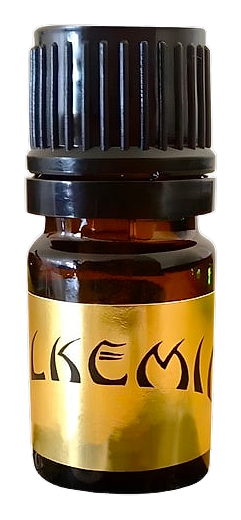
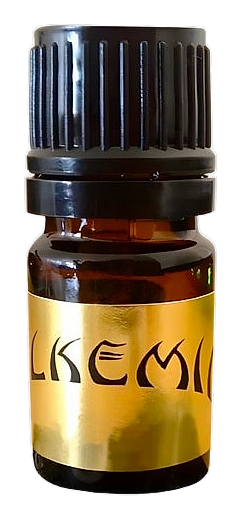
Forest Rose sits in Alkemia's catalog as proof of what the house does best: refusing the obvious. Wearers describe it as the perfume equivalent of finding a wild rose bush on a mountain trail, unexpected, slightly thorny, hard to forget. The composition leans fully into a green, conifer-driven direction that most rose fragrances never attempt, and the darkness of the rose at its center gives it an edge that goes beyond a simple floral. The Alaskan cypress and Sitka spruce create a resinous backbone that grounds the petals in something cooler and more austere, while the juniper berries add a sharp, almost gin-like brightness at the top.