Plantain
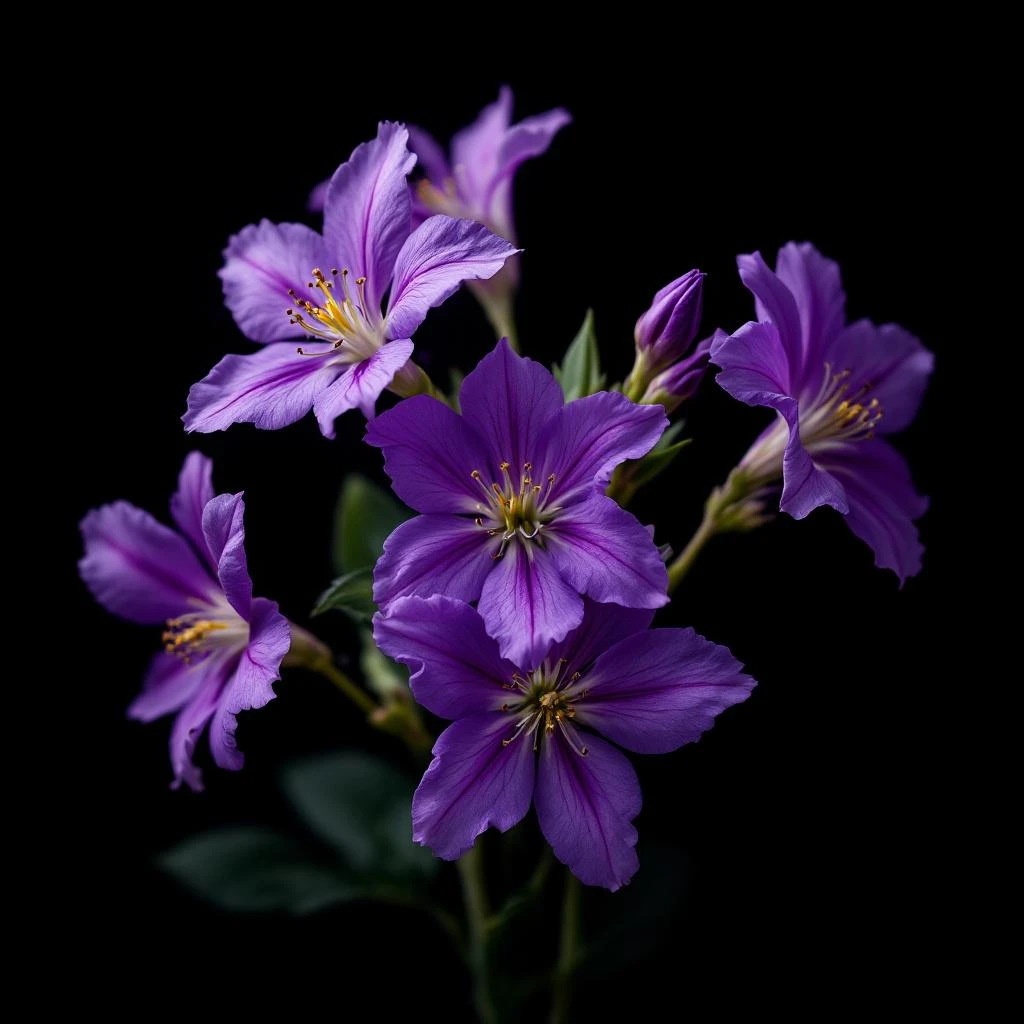
Plantain contributes a distinctive green, herbaceous character to perfumery, lending freshness and an almost leafy quality to fragrance compositions. Its extract works as a natural modifier, adding depth to green and fougère families while supporting other botanical elements in the heart of a formula.
Character
How it smells
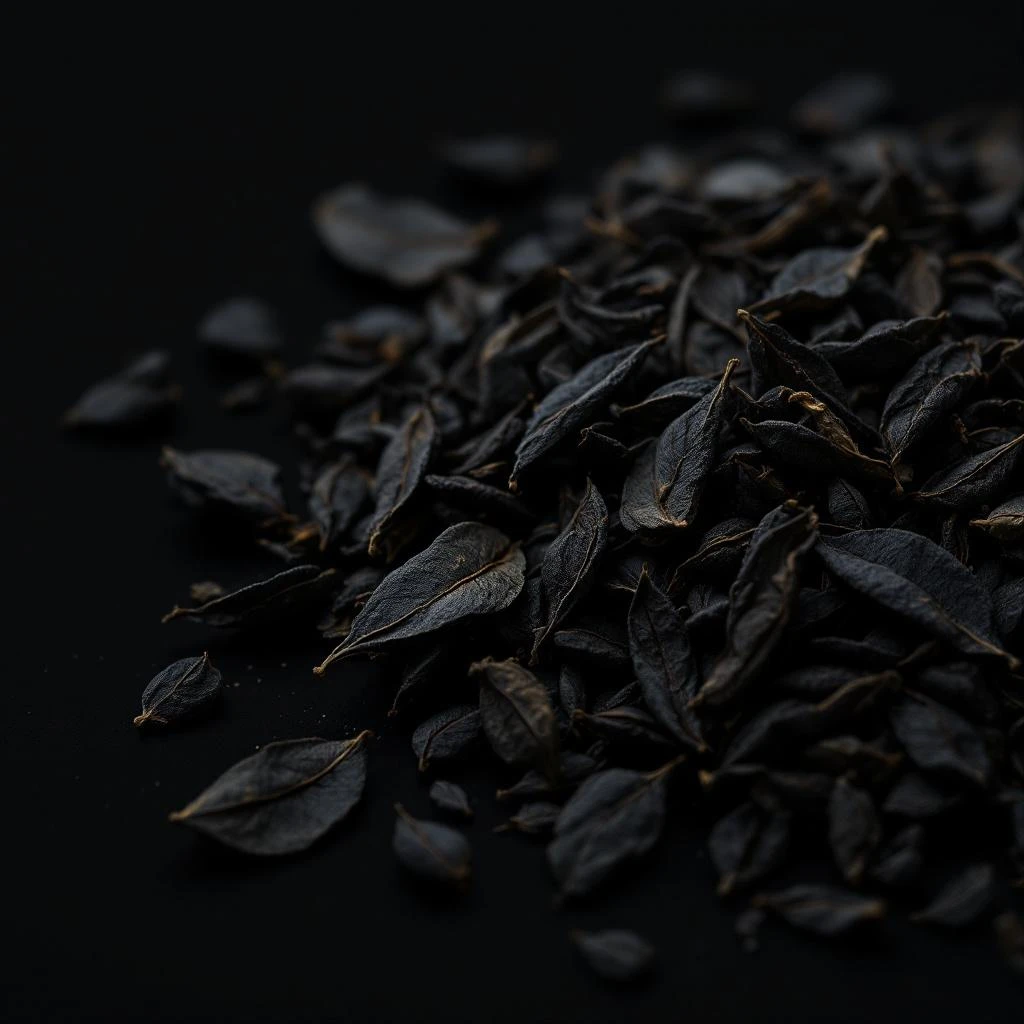
Fresh-cut leaf meets herbal depth, grounding bright compositions.
Plantago lanceolata has been documented in European folk medicine for over 2,000 years, yet only recently found its place in fine fragrance as perfumers seek out less conventional botanicals.





Origin
Hungary
Plantago species have accompanied human civilization since antiquity, though their role in perfumery is decidedly modern. Ancient Greek and Roman herbalists documented the plant extensively for medicinal applications, yet its aromatic potential went unrecognized for millennia.
The shift began in the late 20th century as natural perfumers sought alternatives to overused ingredients like lavender and rose. Eastern European artisans, who had long distilled the plant for folk remedies, gradually introduced it to commercial fragrance supply chains during the 1990s.
Today, plantain occupies a quiet but consistent position in natural perfumery, valued for its ability to add botanical authenticity without dominating a composition. Its history remains unwritten in mainstream fragrance literature, making it one of the more mysterious botanicals available to contemporary perfumers.
Wears it best
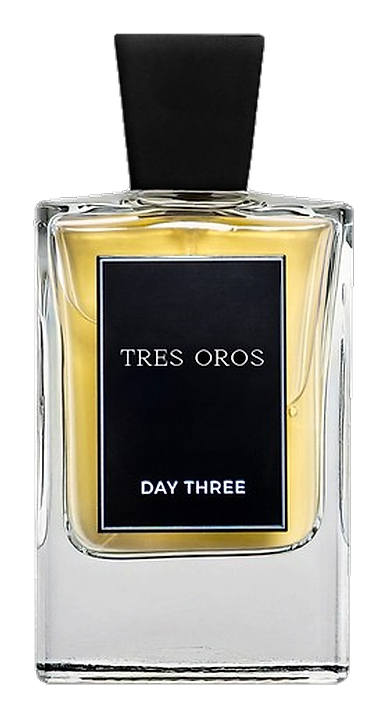
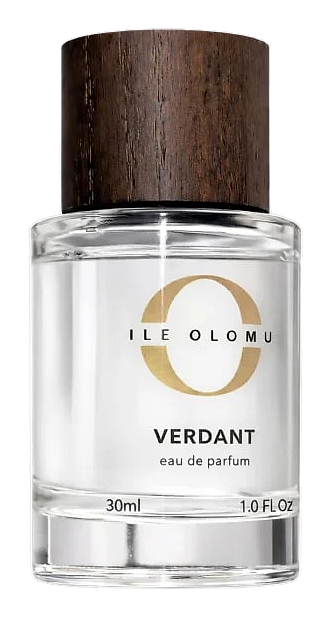
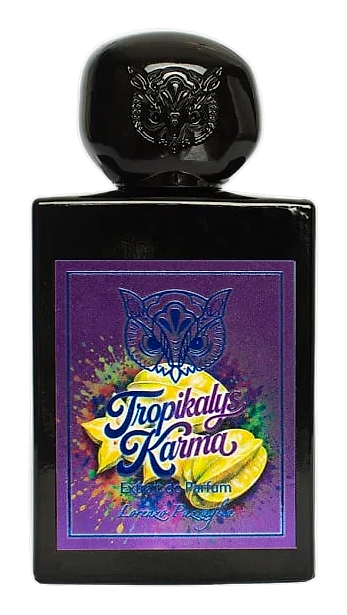
Fragrances featuring Plantain
Brands
Brands known for Plantain
Good to know
Questions, answered
The essentials on Plantain in perfumery: how it smells, where it comes from, and how it behaves on skin.
What does Plantain smell like in perfume?
Plantain delivers a fresh, green aroma reminiscent of cut lawn and damp herbs. It carries slightly bitter, earthy undertones that blend seamlessly with other botanical notes in fragrance compositions.
Why is Plantain used in perfumery?
Plantain serves as a natural bridge between top and heart notes, adding authenticity to green fragrance families. Perfumers value its ability to introduce herbal complexity without overwhelming a blend.
Is Plantain in perfume natural or synthetic?
Plantain appears almost exclusively as a natural ingredient, typically extracted via steam distillation. Synthetic replicas are uncommon since the natural material remains relatively accessible and cost-effective.
What famous perfumes contain Plantain?
Plantain remains a niche ingredient not found in major commercial fragrances. It appears primarily in artisanal and natural perfumery lines that emphasize botanical transparency.
Is Plantain a top note, heart note, or base note?
Plantain functions as a heart note modifier, bringing mid-range depth to green and aromatic compositions. Its subtle character means it rarely anchors a fragrance but rather enhances the botanical structure.
What notes pair well with Plantain in perfume?
Plantain harmonizes with other green notes like galbanum and grass absolute, woody materials such as vetiver and cedar, and herbaceous aromatics including clary sage and lavender.
How is Plantain extracted?
Steam distillation of the fresh aerial parts, including leaves and flowering stems, is the primary extraction method. Harvest timing critically affects the aromatic profile, with peak quality occurring during early summer flowering.
Is Plantain used in men's or women's fragrances?
Plantain's green, herbal character reads as gender-neutral in contemporary perfumery. It appears across formulations marketed to all demographics, particularly in unisex and artisanal collections.