The Story
Why it exists.
The beginning
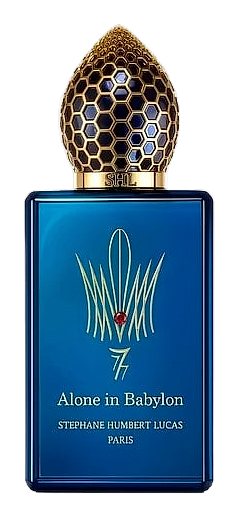
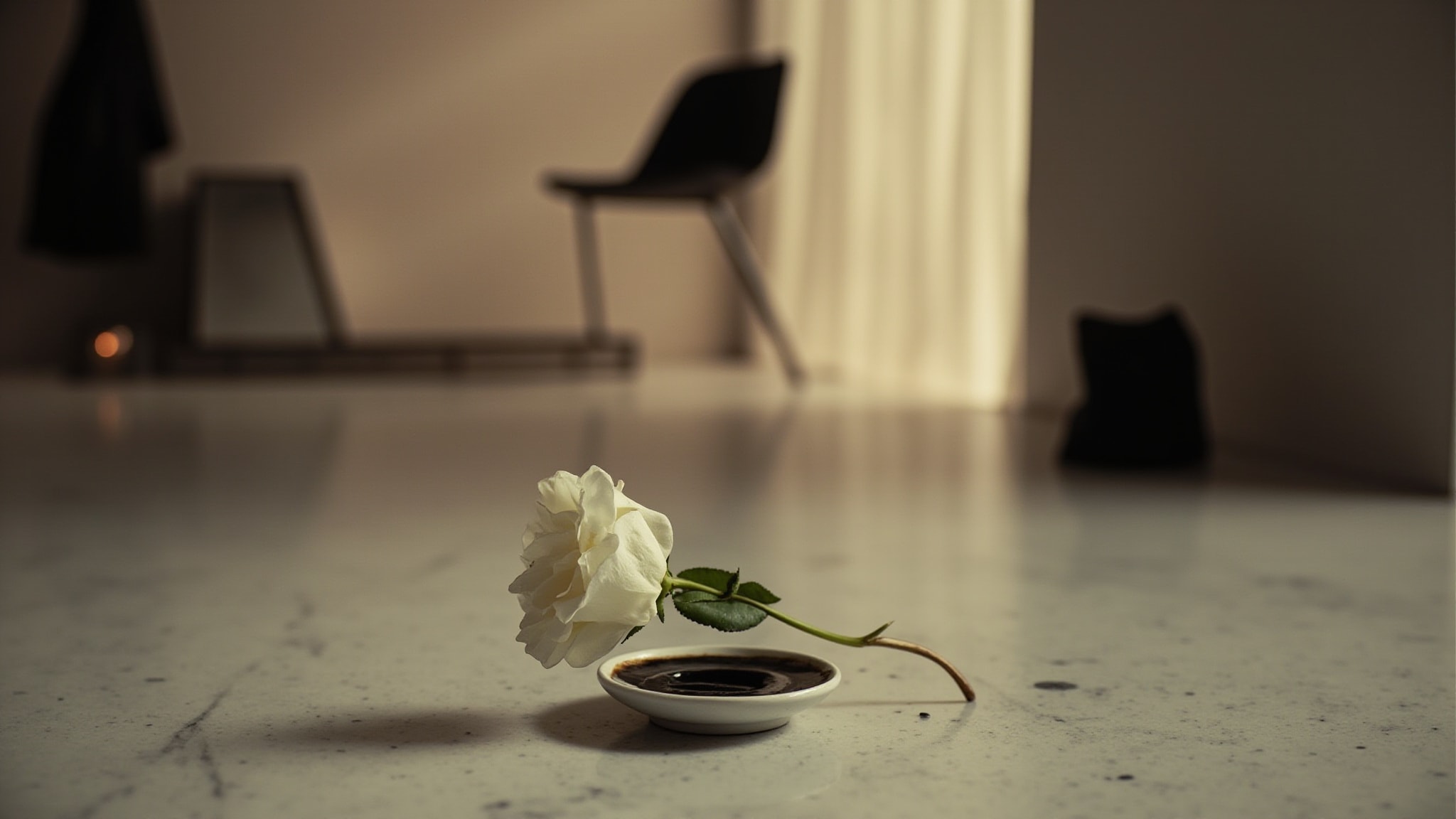
Alone in Babylon is a 2026 release from La Collection 777, the line where Stéphane Humbert Lucas treats fragrance like pigment on canvas. The name conjures the city at the moment before it falls, or after, when the gardens are overgrown and nobody is left to water them. That's the mood Lucas reaches for here: something once lavish, now stripped down, lit by a single bulb that shouldn't be flickering. The collection's signature tension between Eastern opulence and Western austerity shows up fully formed. This isn't a Babylon of ziggurats and procession. It's the aftermath. The kind of luxury that doesn't need to perform because the audience is gone.
The opening quartet tells you everything about Lucas's priorities. Tuberose gets weaponized with petroleum and nail polish, two materials that wouldn't share a shelf in a polite composition. Plantain sneaks in like a green afterthought, sweeter than it should be in this company. The heart is where the unusual chemistry shows: floralozone is a synthetic note, a transparent floral made in a lab, sitting beside castoreum, which is ancient animalic warmth harvested from beaver glands. Mysore sandalwood bridges them. One material from a centuries-old tradition in southern India, one molecule born in a twentieth-century laboratory. Lucas treats both as equal pigments.
The evolution
The opening cuts hard: petrol and nail polish lacquer the air, chemical and confrontational, like fluorescent lights in an empty corridor. The tuberose pushes through the synthetic haze, indolic and creamy, refusing to be swallowed by the industrial accord. As the sharp edges soften, plantain brings a green, bruise-like sweetness that steadies the composition, and the heart settles into a warmer castoreum-sandalwood dialogue, animalic but controlled. The final hours draw close to skin, where leather, tonka, and musk dry down into something quieter and more haunted, the memory of that opening still clinging to the fabric.
Cultural impact
Wearers describe Alone in Babylon as a fragrance for people who've moved past the obvious. It shares territory with the more transgressive corners of the SHL catalogue, where tuberose gets treated as raw material rather than as decoration. The petroleum and nail polish opening makes it polarizing in fragrance communities, not because it fails, but because it refuses to behave like a polite floral. Those drawn to animalic-leaning compositions with a synthetic edge gravitate here. Those looking for a clean white floral do not.