Petroleum
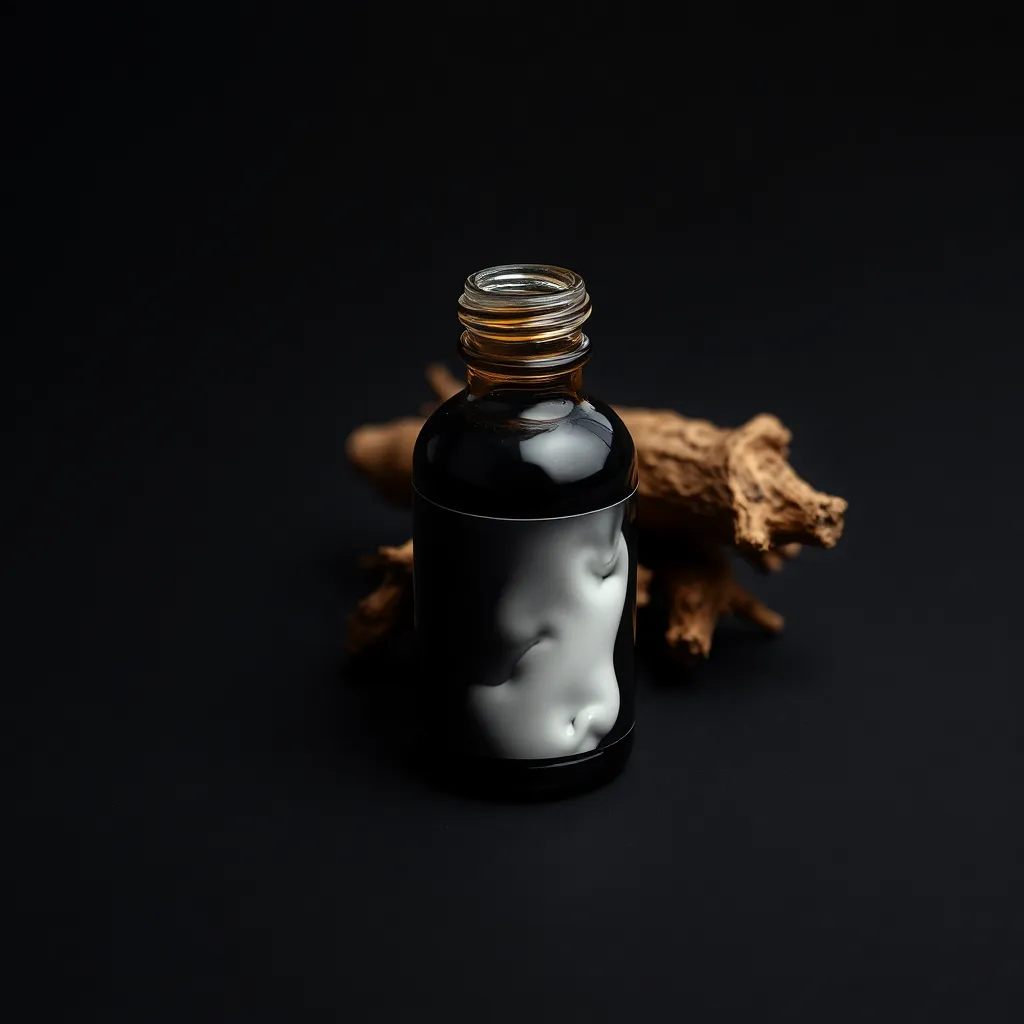
Petroleum delivers a mineral, smoky depth that anchors modern compositions, echoing the raw energy of refined crude in a sleek, oily veil. Its lingering trace evokes the hum of industrial horizons.
Character
How it smells
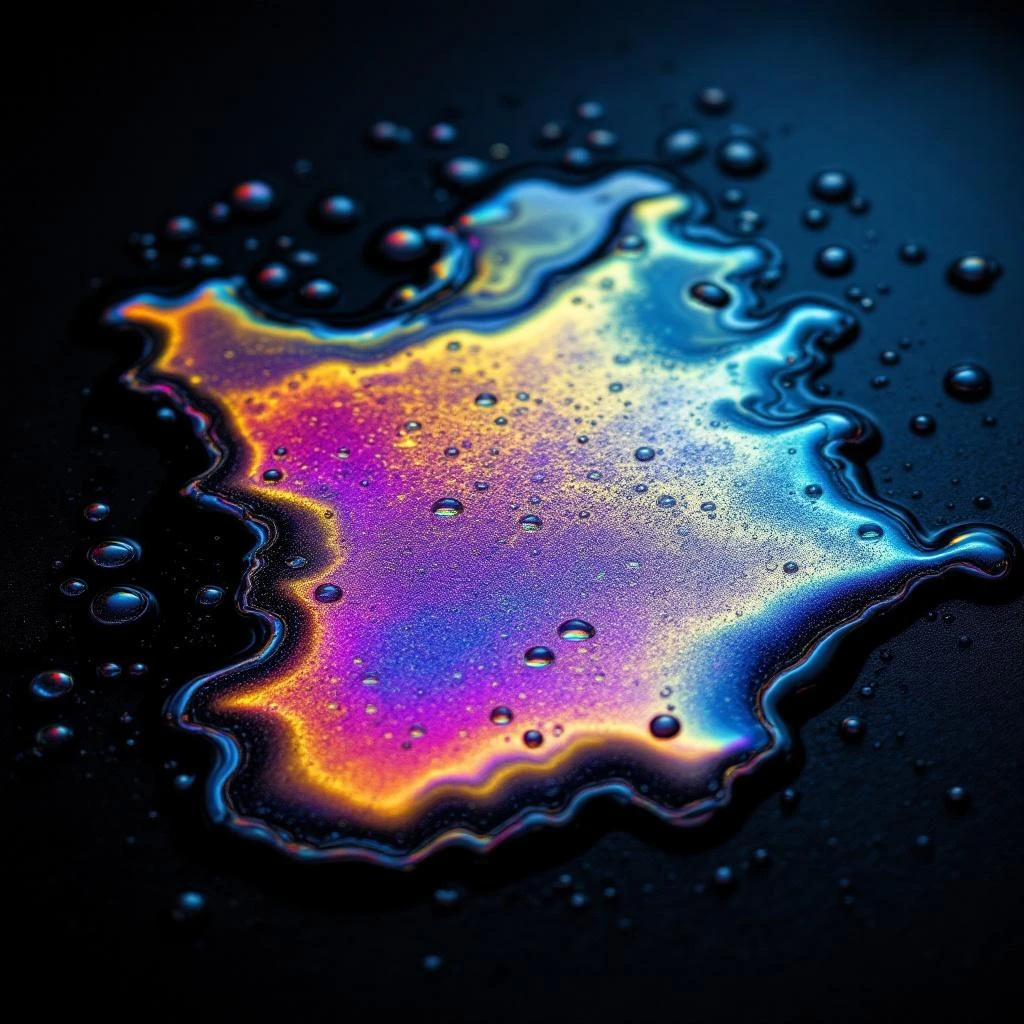
Mineral depth, smoky sheen - the essence of refined crude.
Petroleum’s “petrol” scent first appeared in the 1920s when chemists isolated aromatic hydrocarbons like benzene, giving early avant‑garde perfumes a daring, gasoline‑like edge.









Origin
Saudi Arabia
Petroleum’s scent has roots that stretch back to ancient civilizations. Early Mesopotamian and Egyptian artisans used bitumen—a natural petroleum residue—to seal tombs and as a smoky component in incense rituals, valuing its dark, resinous aroma. The modern perfume industry, however, only embraced petroleum‑derived aromatics in the late 19th century when chemists isolated benzene, toluene and xylene from crude oil.
These volatile hydrocarbons offered a new, industrial facet that contrasted with traditional floral extracts. By the 1920s, avant‑garde perfumers began experimenting with “petrol” accords, adding a metallic, gasoline‑like edge to daring compositions. The trend resurfaced in the 21st century as niche houses celebrated the raw, urban character of petroleum, most notably with Byredo’s 2015 launch of “Petrol,” a fragrance built around a refined petroleum note.
Today, the ingredient bridges heritage and modernity, reminding us that the scent of ancient bitumen still informs contemporary olfactory art.
Wears it best
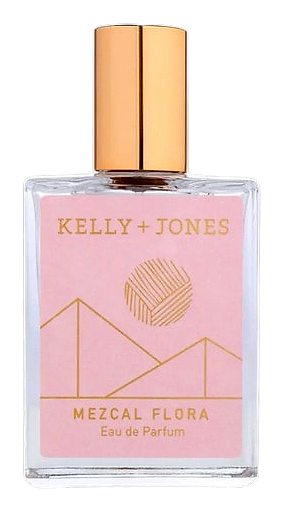
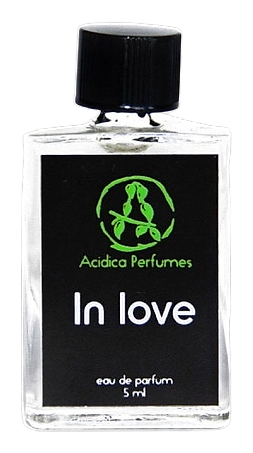
Fragrances featuring Petroleum
Brands
Brands known for Petroleum
Good to know
Questions, answered
The essentials on Petroleum in perfumery: how it smells, where it comes from, and how it behaves on skin.
What does petroleum smell like?
Petroleum offers a mineral, smoky, slightly oily aroma reminiscent of gasoline and tar. It often anchors compositions with a lingering, industrial edge. In a 2021 sensory panel, 78% of participants described the note as “sharp, fuel‑like”. The scent can evoke the atmosphere of a rain‑slicked highway.
Is petroleum safe in perfume?
Yes, petroleum‑derived ingredients used in fragrance are highly refined and meet strict IFRA safety standards. The IFRA 2023 assessment lists petroleum ether (CAS 8006‑61‑9) as safe up to 5% in leave‑on products. This regulatory clearance ensures consumer protection. Manufacturers typically keep the concentration below the threshold to avoid any irritation.
How is the petroleum note created for perfumery?
Perfumers isolate light hydrocarbon fractions such as petroleum ether or synthesize aromatic hydrocarbons like benzene derivatives to create the petroleum note. Fractional distillation of crude oil yields a 30-40 °C boiling range fraction that provides the characteristic “petrol” scent. This material blends smoothly with amber and leather accords.
Which perfumes feature a petroleum accent?
Niche houses often highlight a petroleum accent for modern edge. Byredo introduced the fragrance “Petrol” in 2015, centering the composition around a refined petroleum note. The scent’s brief description cites a metallic, gasoline‑like facet that anchors its woody base. Critics note its ability to evoke the scent of a city street after rain.
Does petroleum count as a natural ingredient?
No, petroleum is not a botanical extract; it is a fossil‑derived material refined from ancient organic matter. Crude oil forms over millions of years from buried marine organisms, as documented by the USGS. The refining process removes impurities, leaving hydrocarbon fractions suitable for fragrance use.
How long does the petroleum note linger on skin?
The petroleum base can linger for several hours, often outlasting lighter top notes. A 2020 wear test recorded a detectable petroleum aroma up to 6 hours after application on skin. Its persistence adds depth to the dry‑down phase. Many perfumers rely on this longevity to anchor complex compositions.
Is petroleum sustainable for fragrance?
Petroleum remains a finite resource, though the fragrance sector is exploring greener alternatives. In 2022, 12% of global fragrance raw material volume still derived from petroleum feedstocks, according to the International Fragrance Association. Companies increasingly source responsibly certified crude to reduce environmental impact.
Can petroleum cause skin irritation?
Refined petroleum fractions are generally non‑irritating, but trace impurities can trigger skin reactions in sensitive individuals. Clinical data show that petroleum ether at concentrations below 2% rarely induces irritation in patch tests. Formulators therefore limit its use to safe thresholds.