Pink Mango
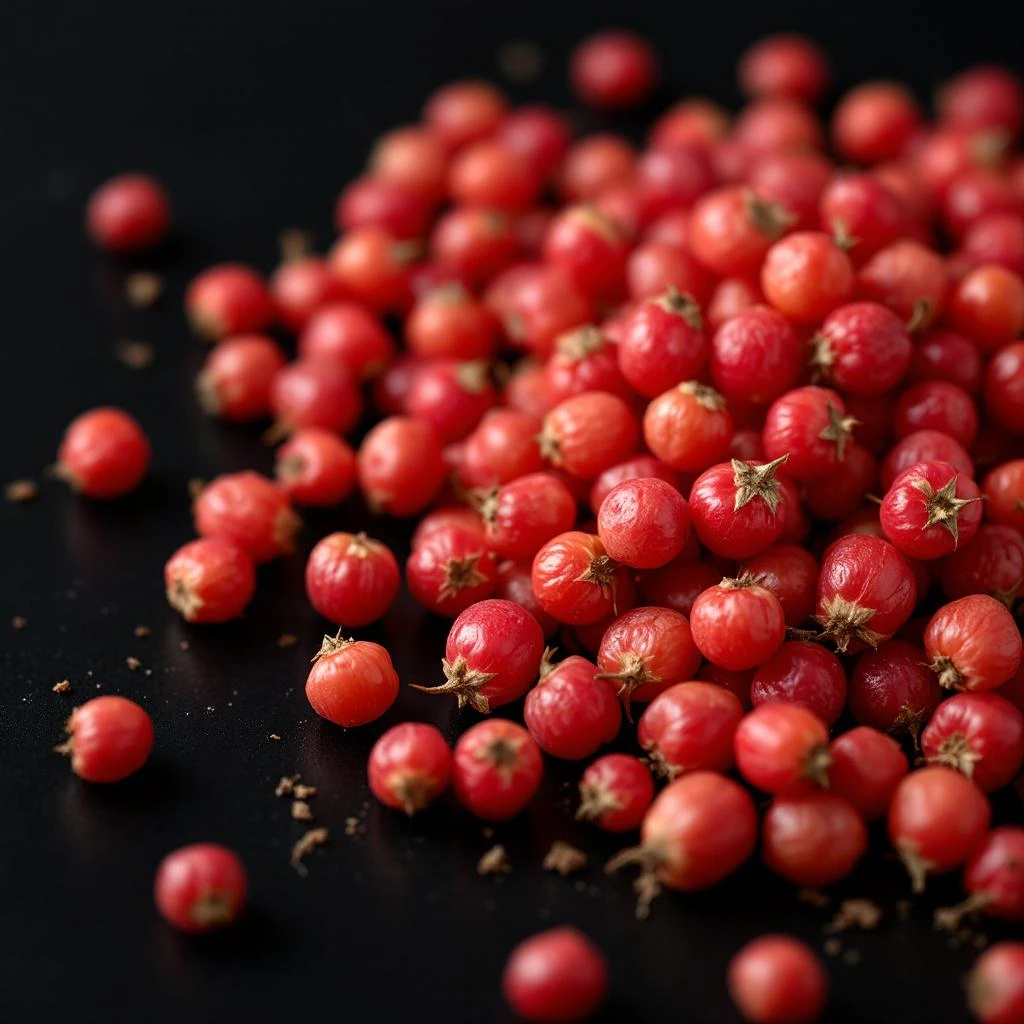
The sun-ripened sweetness of tropical mango blushing pink at its peak. A lactone-rich fruit that captures summer's most indulgent moment in a bottle.
Character
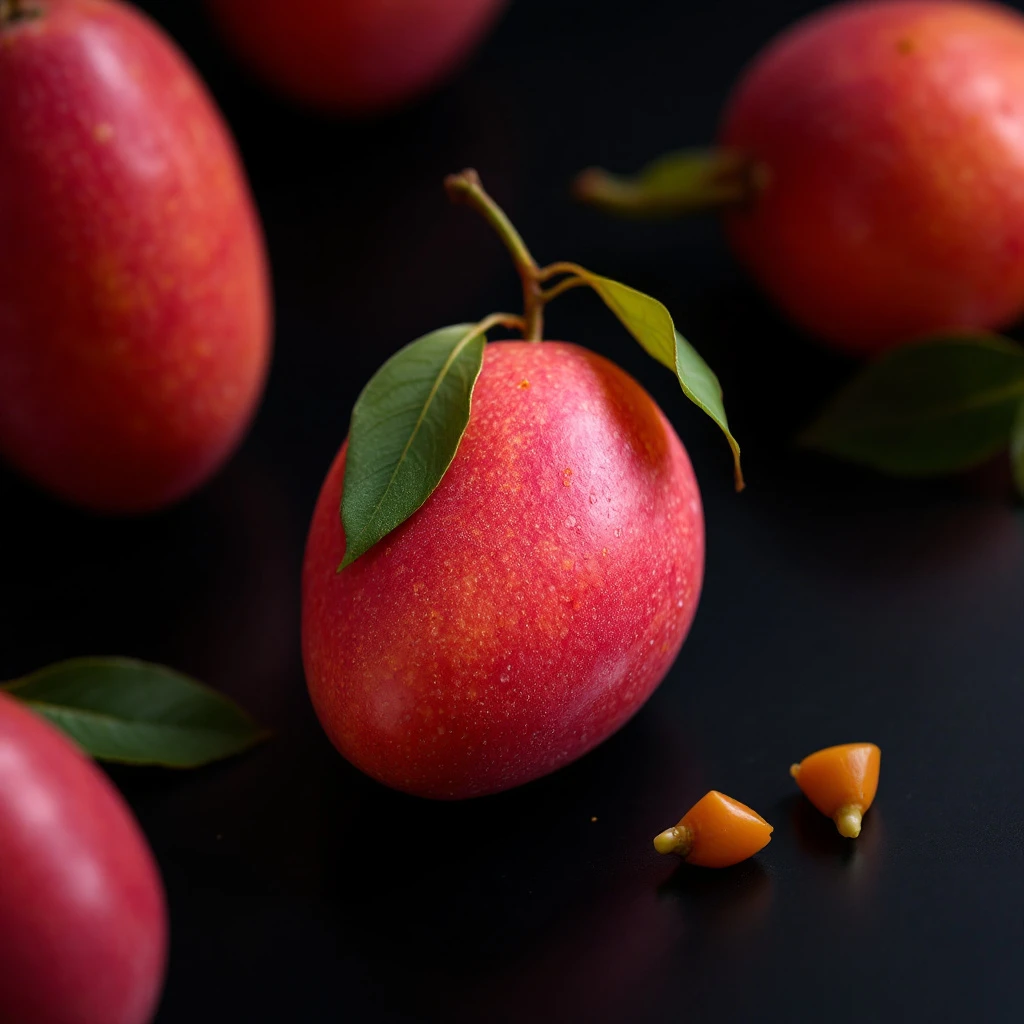
How it smells
Summer's juiciest secret, captured at the blush.
Some mango varieties emit a faint floral fragrance as they ripen, earning them nicknames like 'champa' in India after the frangipani flower.


Origin
India
The mango tree originated in South and Southeast Asia over 4,000 years ago, making it one of the oldest cultivated tropical fruits. Ancient Indian texts described mango groves as sacred spaces, and the fruit symbolized fertility and prosperity across Hindu and Buddhist cultures.
The Alphonso variety from India's Ratnagiri region became particularly prized for its intense fragrance and earned the title 'King of Mangoes.' European traders encountered mangoes during colonial expansion into Asia, though the fruit did not gain widespread Western recognition until the 19th century.
Perfumery adopted mango notes only in the 20th century when tropical ingredients gained popularity in fragrance design. The development of synthetic aroma chemistry after the 1880s eventually made mango scents accessible beyond natural extracts, though the fruit's complex lactone profile means synthetic mango often requires blending multiple aromatic compounds to achieve realistic character.
Wears it best
Fragrances featuring Pink Mango
Brands
Brands known for Pink Mango
Good to know
Questions, answered
The essentials on Pink Mango in perfumery: how it smells, where it comes from, and how it behaves on skin.
What gives mango its characteristic scent in perfume?
Esters create mango's juicy, fruity character while lactones add creamy, coconut-like depth. These compounds together produce the fruit's signature tropical sweetness.
Is natural mango absolute used in mainstream perfumery?
Natural mango absolute exists but remains rare due to high cost and low yield. Most fragrances use synthesized aroma chemicals to replicate the mango profile at scale.
What does pink mango smell like compared to green mango?
Pink mango suggests fully ripe fruit with deeper tropical sweetness and fewer green, vegetal notes. The pink blush indicates peak sugar development.
Which extraction method best preserves mango's fragrance?
Supercritical CO2 extraction captures the broadest range of mango aromatics, producing a more authentic tropical fruit character than traditional solvent methods.
What fragrance families pair well with pink mango?
Pink mango works in tropical, fruity, and floral compositions. It combines naturally with coconut, passion fruit, peach, and white floral notes like gardenia and frangipani.
When did mango first appear in Western perfumery?
Mango notes emerged in commercial perfumery during the 20th century as tropical ingredients gained popularity and synthetic chemistry made exotic fruit scents more accessible.
What are the primary chemical components of mango fragrance?
Gamma-decalactone contributes the creamy, peachy character while ethyl butyrate provides the fresh, juicy top note. Terpenes add subtle citrus and tropical undertones.
Where do the best mangoes for fragrance come from?
India produces over 20 million tonnes annually and supplies premium varieties like Alphonso. Southeast Asian and Mexican mangoes also contribute to the global supply of fragrance-grade material.