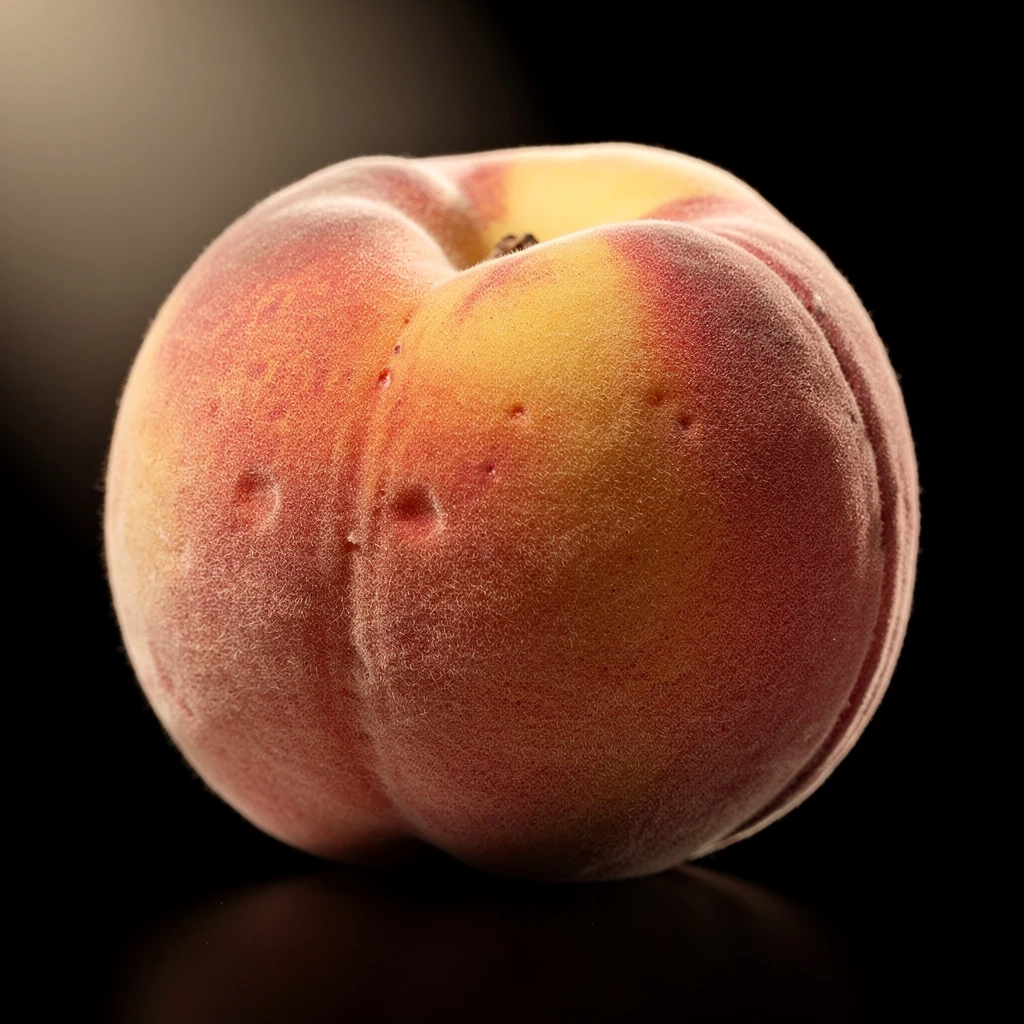
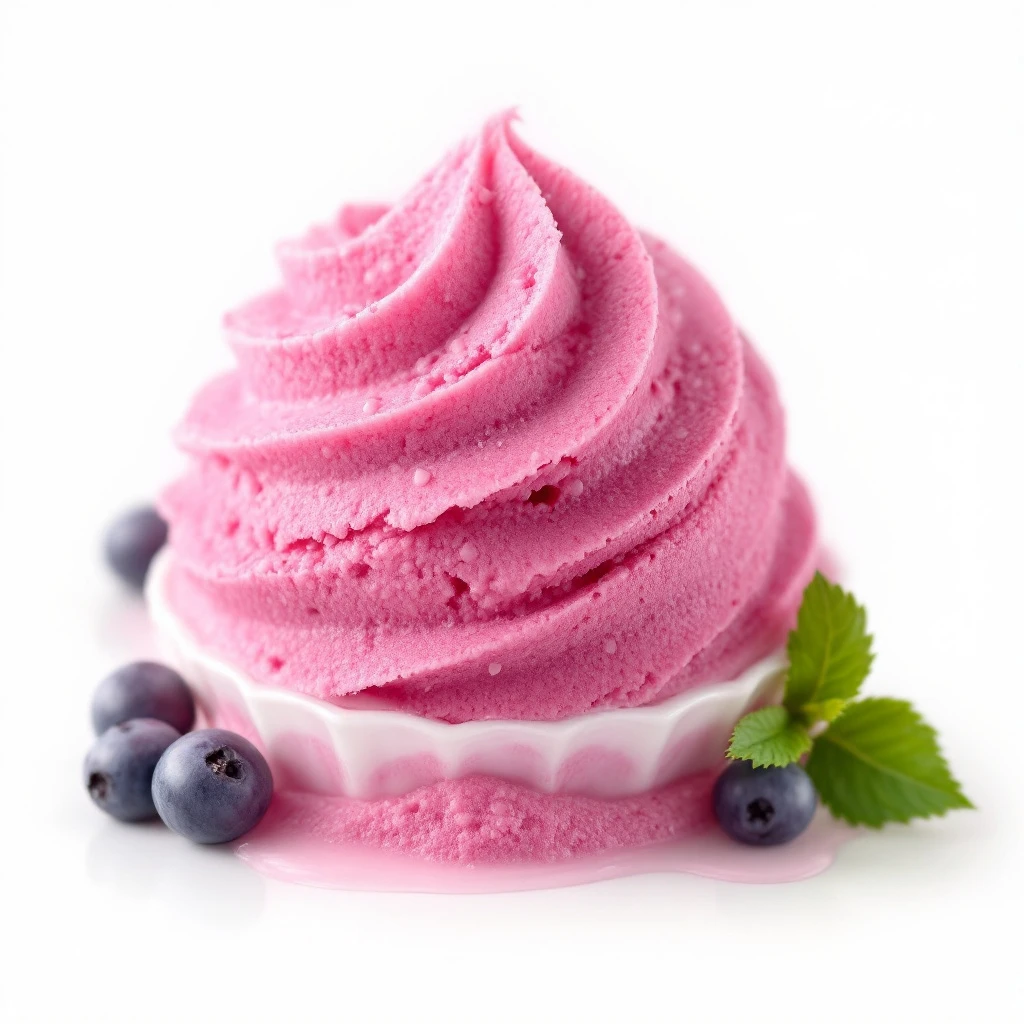
Passion Fruit Sorbet
Passion fruit sorbet brings a tart tropical brightness to fragrance compositions. Its sharp citrus edge and creamy sweetness lift heavier base notes without overwhelming delicate florals or ambers.
Character
How it smells
Frozen tropical brightness in a bottle
Genuine passion fruit aroma cannot be extracted from the fruit itself because the key scent molecules exist only in concentrations too low for natural distillation.






Origin
Brazil
Passion fruit arrived in Europe through Spanish missionaries in the 16th century after encountering it in South America, where it grew wild from Brazil through Paraguay. The fruit takes its common name from the passiflora genus, given by 16th-century botanists who saw religious symbolism in the flower's structure.
Despite centuries of cultivation across tropical regions, passion fruit remained absent from perfumery until the 20th century, largely because extracting its delicate aroma defeated available technology. The breakthrough came with advances in synthetic chemistry during the mid-1900s, when researchers finally isolated and reproduced the fruit's signature volatile compounds.
This synthetic pathway unlocked passion fruit for fragrance use, and by the 1990s it appeared regularly in gourmand compositions. The sorbet variation, emphasizing frozen fruit freshness over ripe tropical sweetness, emerged as perfumers sought lighter, more refreshing takes on tropical notes for summer and warm-weather fragrances.
Wears it best
Fragrances featuring Passion Fruit Sorbet
Brands
Brands known for Passion Fruit Sorbet
Good to know
Questions, answered
The essentials on Passion Fruit Sorbet in perfumery: how it smells, where it comes from, and how it behaves on skin.
Is passion fruit sorbet a natural or synthetic fragrance note?
Almost entirely synthetic. Natural passion fruit contains its key aroma compounds in concentrations too low for extraction. Perfumers recreate the scent using isolated molecules like tropical esters and sulfur compounds.
What does passion fruit sorbet smell like?
The note combines tart tropical acidity with creamy sweetness and a cooling, frosted edge. It reads brighter and icier than ripe passion fruit, with subtle hints of citrus and exotic fruit pulp.
Why can't perfumers extract real passion fruit?
The volatile compounds that create passion fruit's scent exist in such minute quantities that natural distillation yields nothing commercially viable. Synthetic reconstruction remains the only practical route.
When was passion fruit first used in perfumery?
The note appeared in fragrances during the late 20th century, following advances in aroma chemistry that made synthetic passion fruit molecules accessible to perfumers in the 1980s and 1990s.
Where does passion fruit originate?
Passion fruit is native to South America, particularly Brazil and Paraguay, where Passiflora edulis vines grew wild long before Spanish missionaries encountered the plant in the 1500s.
What fragrance families feature passion fruit sorbet?
It appears most often in gourmand and fruity-floral compositions, particularly summer and warm-weather fragrances. It also works in tropical aquatic scents where its brightness lifts heavier base notes.
How is a sorbet effect created in a passion fruit accord?
Perfumers add cooling lactones, a touch of menthol-type molecules, and reduced sweetness to suggest frozen fruit rather than ripe fruit. This creates the frosted sensation associated with sorbet.
Is passion fruit sorbet safe for skin?
Yes, when formulated within IFRA guidelines. The synthetic aroma molecules used in passion fruit accords are widely tested and approved for cosmetic and fragrance use at standard concentrations.