Nirvanolide
A modern white musk with a creamy, skin-like warmth. Nirvanolide delivers a soft, intimate trail that lingers close to the skin, prized for its laundry-fresh character and exceptional longevity.
Character
How it smells
The contemporary musk redefining clean.
While manufactured synthetically, Nirvanolide occurs naturally when Streptomyces bacteria in soil interact with specific enzymes.









Origin
Laboratory origin
Nirvanolide emerged in perfumery during the late 20th century as the industry sought safer alternatives to earlier musk compounds. While natural musks like ambergris and ambrette seed oil had served perfumers for centuries, the true macrocyclic musks only became commercially viable in the 1990s and early 2000s.
Nirvanolide specifically entered the perfumer's toolkit after gaining regulatory approval during this period of ingredient reformulation. Growing concerns about sensitization potential and environmental persistence had prompted restrictions on nitro-musks and certain polycyclic musks, creating demand for cleaner alternatives.
The molecule's skin-friendly profile and modern, clean character made it valuable for contemporary fragrance families, particularly those targeting personal care and laundry applications. Its adoption accelerated as consumer preference shifted toward fresher, more intimate musk experiences.
Wears it best
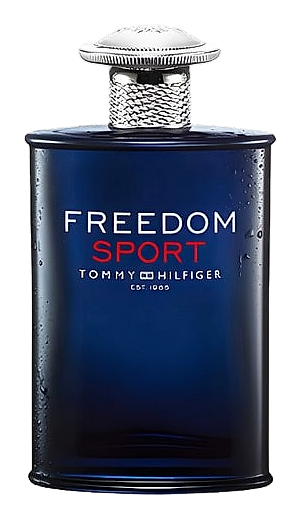
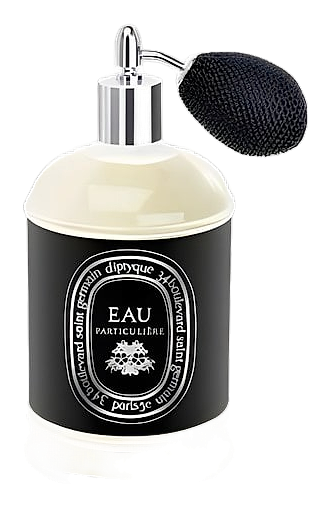
Fragrances featuring Nirvanolide

Brands
Brands known for Nirvanolide
Good to know
Questions, answered
The essentials on Nirvanolide in perfumery: how it smells, where it comes from, and how it behaves on skin.
Is Nirvanolide found in nature?
Nirvanolide does not occur naturally in perfumery-relevant quantities. While Streptomyces bacteria can produce macrocyclic lactones through enzymatic activity, commercial Nirvanolide comes exclusively from controlled laboratory synthesis to ensure consistency and purity.
What makes Nirvanolide a synthetic musk?
Nirvanolide is a fully synthetic fragrance ingredient created through macrocyclic lactone chemistry in laboratory conditions. No natural extraction process yields this compound at commercial scale.
Why is Nirvanolide more expensive than other musks?
The macrocyclic lactone synthesis requires complex multi-step chemistry compared to simpler polycyclic musk production. The macrocyclization step demands precise conditions and specialized equipment, driving up manufacturing costs significantly.
How does Nirvanolide differ from polycyclic musks?
Macrocyclic musks like Nirvanolide biodegrade more readily than polycyclic alternatives, addressing environmental persistence concerns. Polycyclic musks such as Galaxolide face growing regulatory scrutiny, while macrocyclic options offer a cleaner environmental profile.
When was Nirvanolide introduced to perfumery?
Nirvanolide became available to perfumers after the 1990s, when regulatory pressure on nitro-musks and early polycyclic musks accelerated industry reformulation efforts. It required extensive safety assessment before cosmetic approval.
Is Nirvanolide considered safe for cosmetic use?
Regulatory authorities worldwide have approved Nirvanolide for cosmetic applications after rigorous safety evaluation. The compound shows low sensitization potential and good skin compatibility, distinguishing it from earlier musk generations that faced restriction.
What does Nirvanolide smell like?
Nirvanolide presents as a clean, skin-like white musk with creamy undertones. It projects softly and creates an intimate sillage effect. Perfumers value its modern character and how well it blends with floral and woody components.
What concentrations do perfumers typically use?
Usage levels typically range from 1 to 15 percent depending on product type and desired effect. Fine fragrances use lower concentrations for subtle skin closeness, while personal care and laundry products employ higher levels for lasting freshness.
Why do modern fragrances favor Nirvanolide?
Nirvanolide gained popularity as perfumers moved away from problematic nitro-musks and some polycyclic musks. Its clean, skin-friendly character meets contemporary consumer expectations while providing superior substantivity on fabric and skin.