Night-blooming Flowers
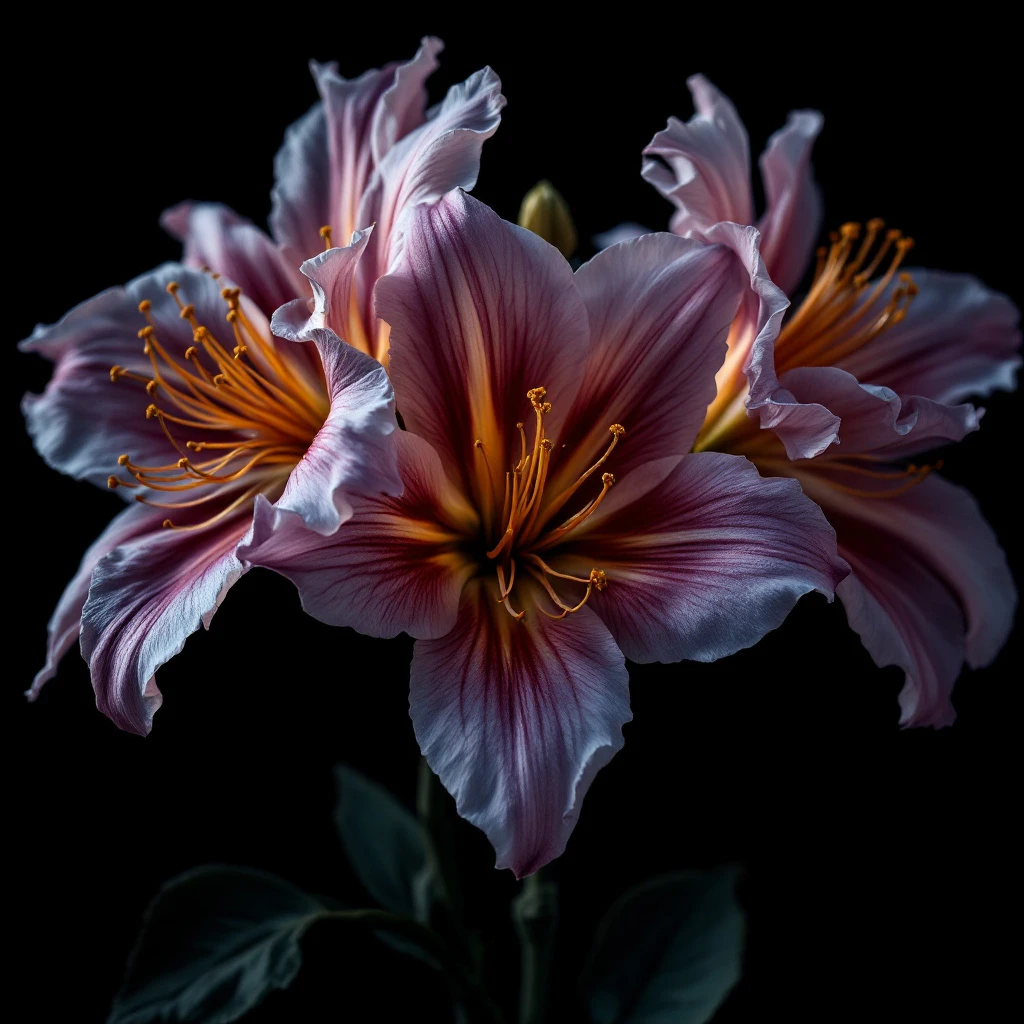
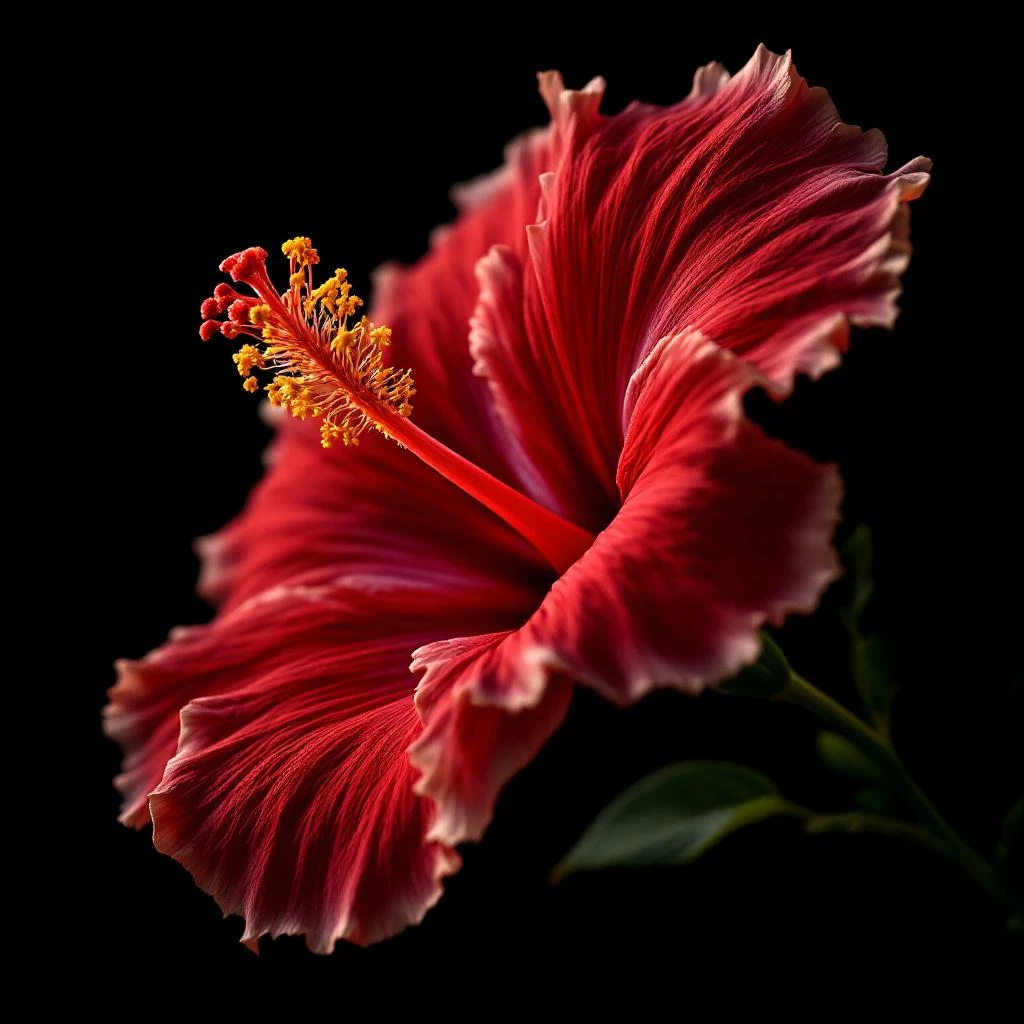
Flowers that release their fragrance only after sunset. Jasmine sambac, tuberose, night-blooming cereus, and raat rani fall into this rare category. Harvested at dawn, when their nocturnal scent is still locked inside the petals, these blooms produce some of perfumery's most coveted absolutes.
Character
How it smells
Blooming after dark, lingering till dawn.
Tuberose bulbs must mature for 8 months before the plant produces a single waxy bloom, yet each flower lives only 4 to 8 hours.




Origin
India
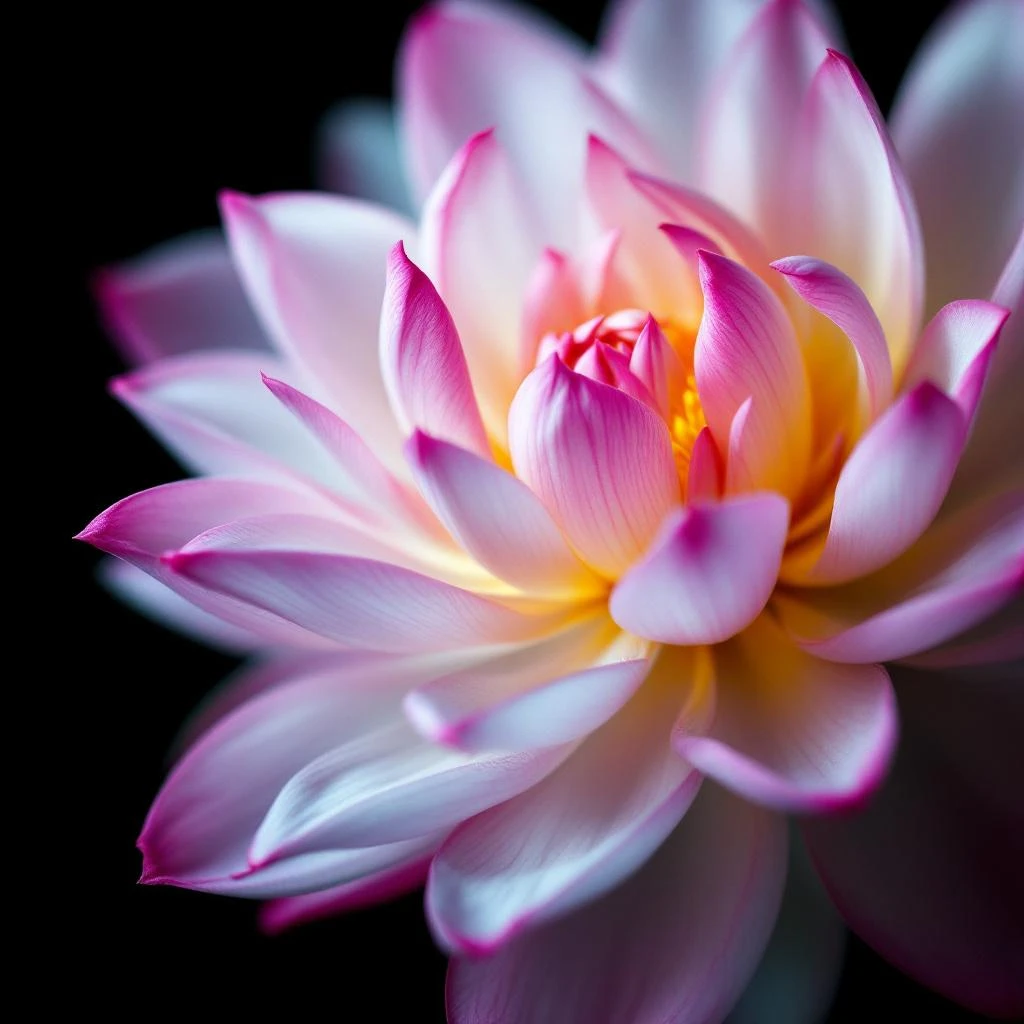
Night-blooming flowers hold deep roots in Indian perfumery. Jasmine sambac, known locally as motia, has been grown on terraced gardens and woven into hair garlands for centuries. The flower's nocturnal release made it a staple of romantic traditions, where its intoxicating scent filled courtyards at dusk.
In Middle Eastern culture, the raat rani or night-blooming jasmine became synonymous with evening gatherings. Women planted it near windows and outdoor seating areas specifically to fragrance the night air. When French perfumers established operations in Grasse during the 18th century, they encountered challenges capturing jasmine and tuberose scents with existing methods, since steam distillation destroys fragile aromatic molecules. The solution was enfleurage, developed to extract fragrance from flowers that could not survive heat.
The night-blooming cereus, native to Mexico and Central America, was documented by the Aztecs for its striking appearance and powerful scent. Its large white blooms open just once a year, attracting pollinators through sheer fragrance rather than visual appeal. Extracts from this flower still command premium prices. Madagascar, which the French brought jasmine to during the colonial period, now produces more than half the world's jasmine for perfumery, though Indian jasmine sambac remains the preferred variety for luxury fragrances, prized for its distinctly creamy, slightly fruity character.
Wears it best
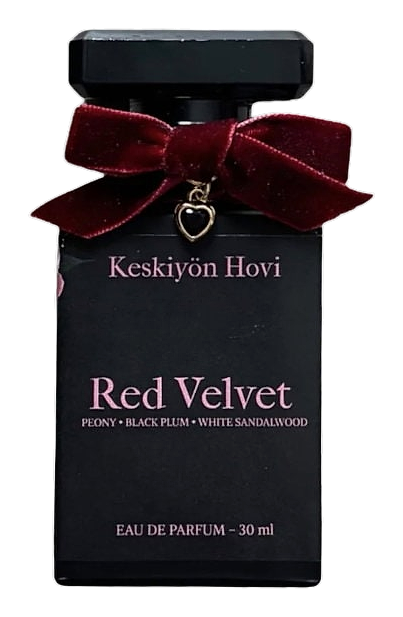
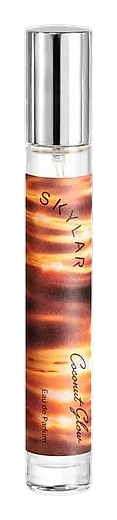
Fragrances featuring Night-blooming Flowers

Brands
Brands known for Night-blooming Flowers
Good to know
Questions, answered
The essentials on Night-blooming Flowers in perfumery: how it smells, where it comes from, and how it behaves on skin.
What makes night-blooming flowers different in perfumery?
These flowers release fragrance after sunset as a survival strategy to attract nocturnal pollinators like moths. Their scent profile tends toward creamy, animalic, and intensely sweet white florals that perform differently in fragrance compositions than day-blooming flowers.
How does night-blooming jasmine differ from common jasmine?
Jasmine sambac opens only at night and has a deeper, creamier character with a slight fruity facet. Common jasmine (Jasminum officinale) releases its main fragrance during the day. Night-blooming jasmine, Cestrum nocturnum, is a different plant entirely, with small greenish-white flowers that smell like sweet soap mixed with honey.
Why is enfleurage still used for night-blooming flowers?
Enfleurage captures the broadest possible range of aromatic compounds from flowers that do not survive steam distillation. The process involves fresh petals resting in cooled fat for 24 to 72 hours, absorbing fragrance molecules as they are released. The result is a more complete representation of the living flower's scent.
What extraction method captures the most accurate night-blooming scent?
Headspace technology replicates the exact volatile compounds a flower emits during its natural bloom cycle. For flowers that live only 4 to 8 hours, this captures precisely what the flower actively exhales, producing an absolute that tracks the living bloom more closely than solvent extraction.
Which fragrance families use night-blooming flower notes?
White florals, oriental fragrances, and tropical accords rely heavily on these notes. Jasmine sambac and tuberose appear in designer and niche fragrances alike. They pair well with deeper base notes including sandalwood, benzoin, and vanilla, which extend their typically fleeting sillage.
How long does it take to produce night-blooming flower absolute?
From field to finished absolute, the process spans several days. Harvesting must occur before sunrise. Solvent extraction takes 24 to 48 hours. The resulting concrete requires a second solvent wash to produce the final absolute. Each kilogram of jasmine absolute demands roughly 1,000 kilograms of fresh petals.
What gives night-blooming flowers their characteristic creamy scent?
Indole and linalool are the primary aromatic compounds. Indole, which is also present in fecal notes at high concentration, appears at low levels in white florals, creating a creamy, almost buttery effect. The balance between indole and sweeter linalool varies by flower species and harvest conditions.
Can I grow night-blooming flowers for fragrance use?
Tuberose bulbs are the most accessible option for home gardeners. Plant them in spring after the last frost in a warm, sunny spot with well-draining soil. Bloom occurs 90 to 120 days after planting. Jasmine sambac thrives outdoors in USDA zones 9 to 11 and can be grown in pots and brought inside in colder climates.




