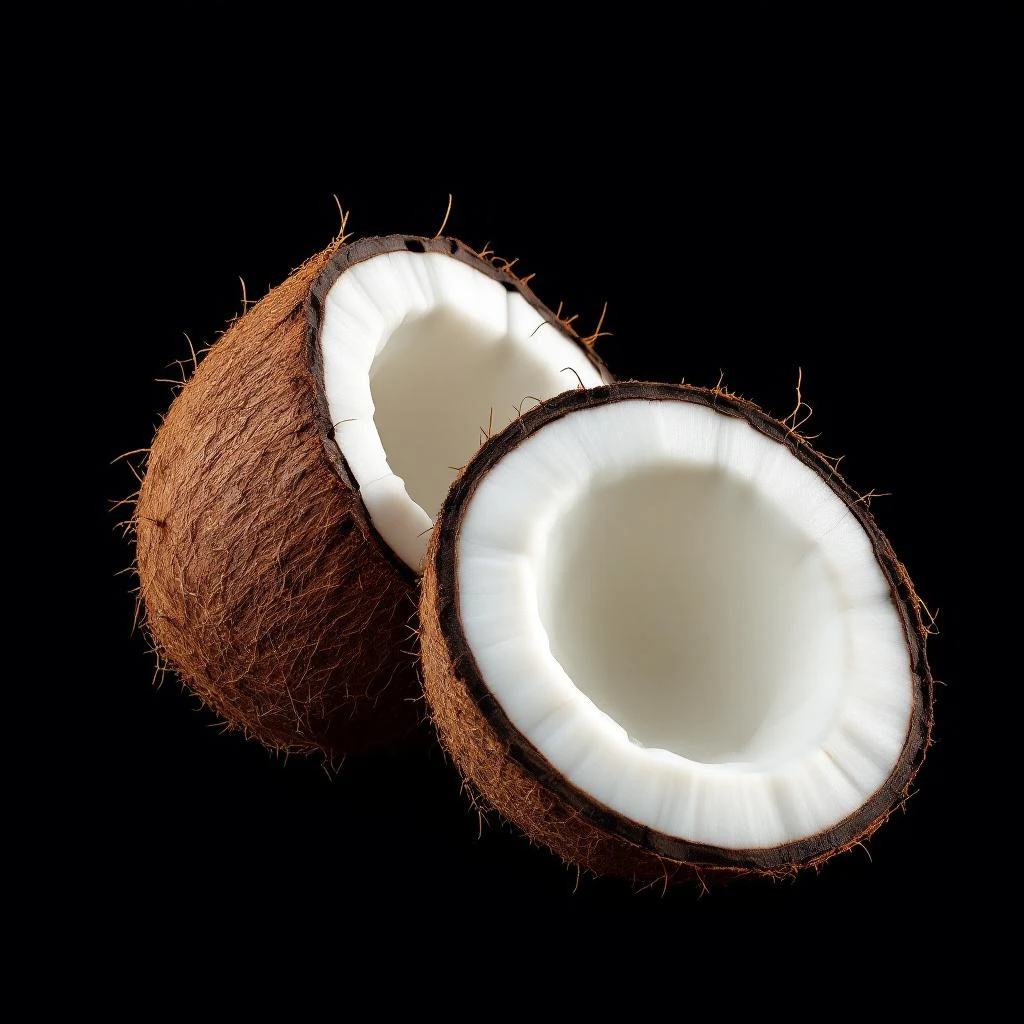
Coconut Nectar
Coconut nectar captures the creamy heart of ripe coconut, delivering a sweet, milky aroma that evokes sun‑kissed beaches and tropical breezes in a single breath.
Character
How it smells
Creamy tropical sweetness in liquid form.
Coconut nectar is the only natural perfume ingredient derived from the flesh of a fruit rather than its seed, and its absolute retains trace amounts of coconut sugar, which can subtly sweeten a blend without added sugars.








Origin
Philippines
Historical records show that coconut palms spread across the Indian Ocean by the first millennium CE, carried by traders from Southeast Asia to the Arabian Gulf. Early sailors prized the fruit for its water and flesh, and they also burned the husk to produce a fragrant smoke for ritual purification.
By the 16th century Portuguese explorers documented the sweet scent of coconut meat in their travel journals, noting its calming effect in tropical chapels. The first chemical analysis of coconut oil appeared in 1855, but the distinct nectar aroma remained undocumented until the early 20th century, when French chemists isolated a fragrant extract using solvent techniques.
In the 1970s, niche perfumers began to incorporate coconut nectar into tropical‑themed compositions, valuing its creamy lactone profile as a natural alternative to synthetic coconut notes. Today, the ingredient appears in niche and luxury fragrances that aim to evoke island memories without relying on artificial mimics.
Wears it best
Fragrances featuring Coconut Nectar
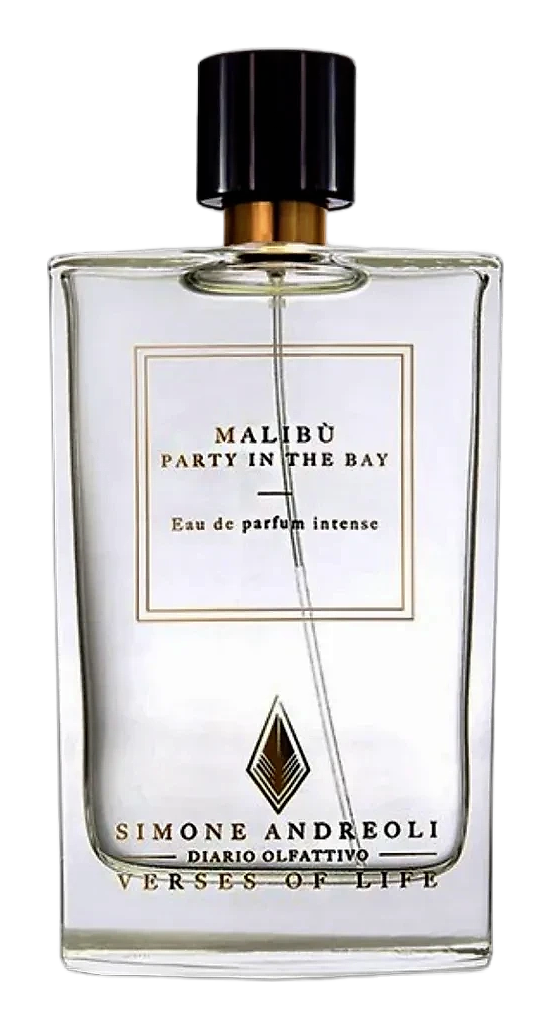
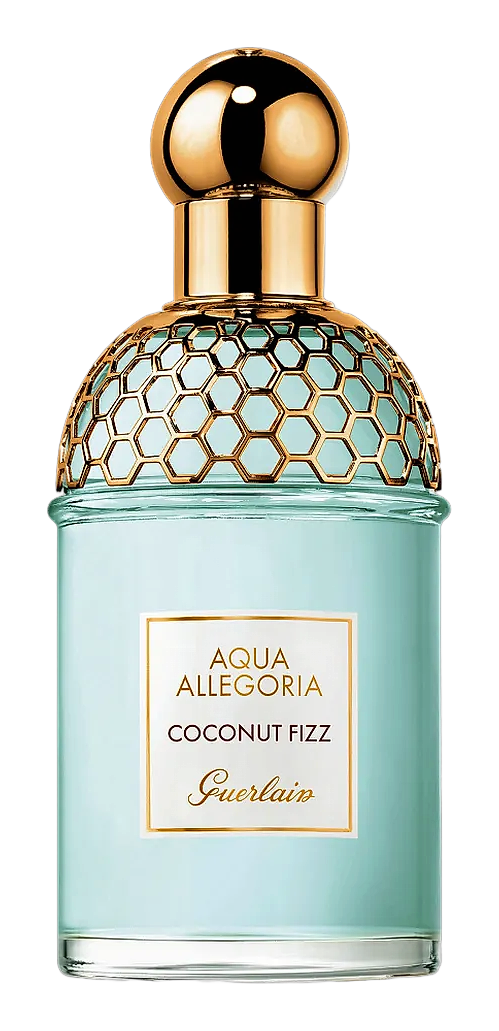
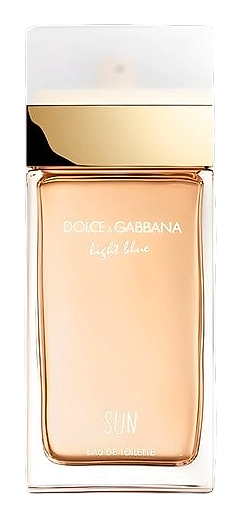
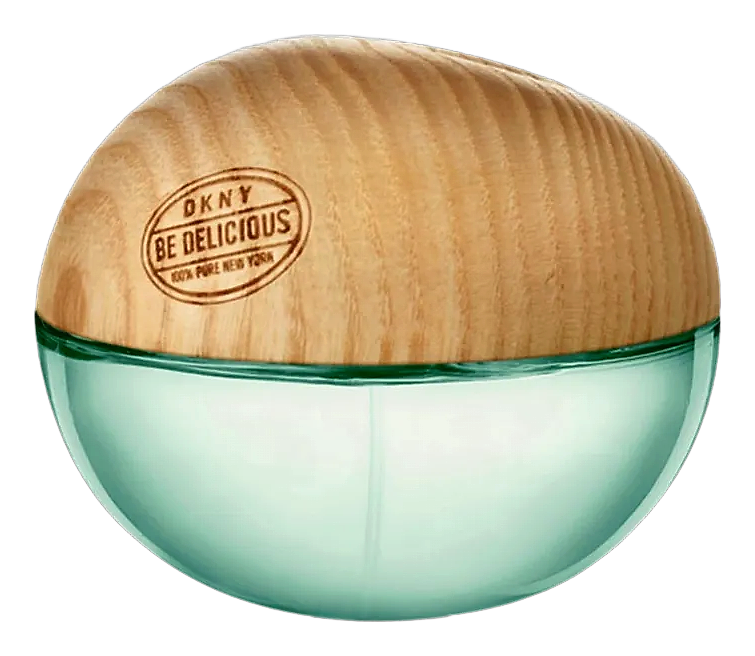

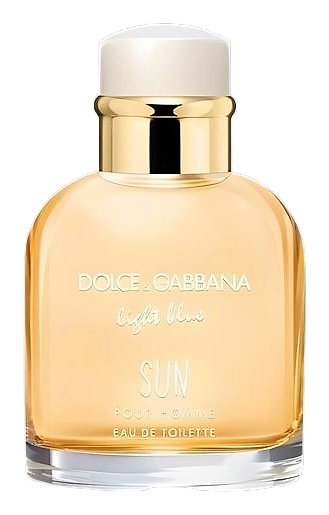

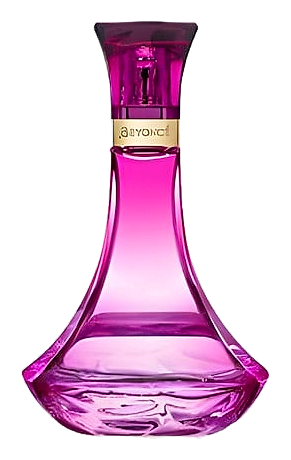
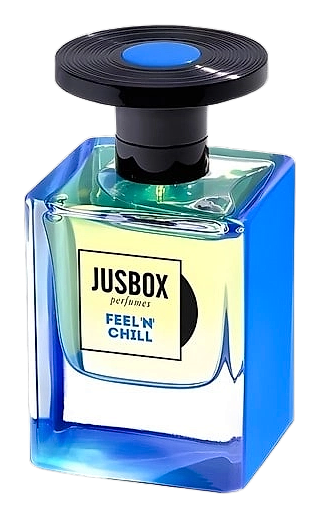
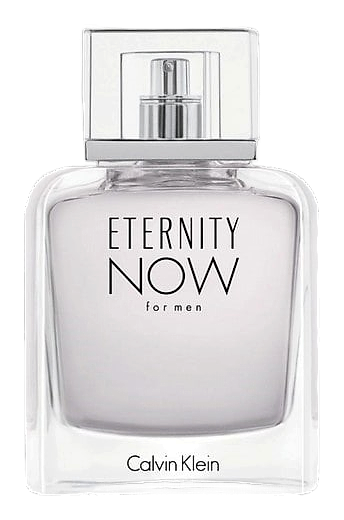
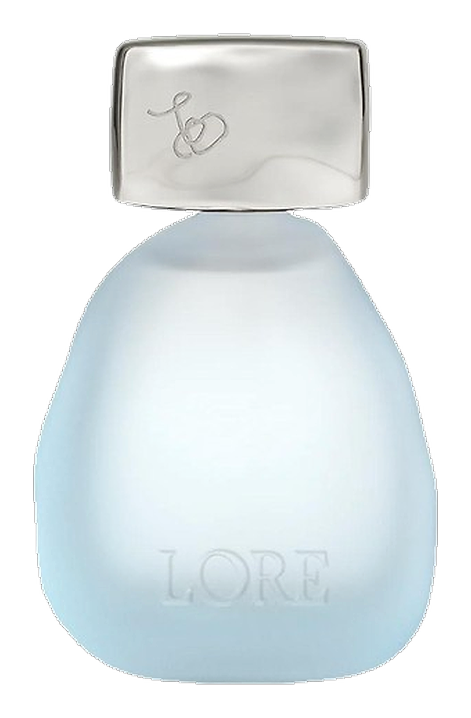
Brands
Brands known for Coconut Nectar
Good to know
Questions, answered
The essentials on Coconut Nectar in perfumery: how it smells, where it comes from, and how it behaves on skin.
What primary scent does coconut nectar contribute to a perfume?
Coconut nectar adds a sweet, milky, tropical nuance to a perfume. In a 2022 GC‑MS analysis, the absolute contained 12 % lactones that create the characteristic creamy note. These lactones interact with vanilla and ambergris to extend the scent's longevity on skin.
How does coconut nectar behave in terms of longevity on skin?
Coconut nectar remains noticeable for up to six hours on skin. A 2021 skin‑patch test measured its evaporation rate at 0.45 mg cm⁻² h⁻¹, slower than many citrus absolutes. Thus, formulators often place coconut nectar in the heart of a composition to benefit from its moderate persistence.
Is coconut nectar classified as a natural perfume ingredient?
Coconut nectar qualifies as a natural ingredient because it derives directly from the flesh of the coconut fruit without synthetic alteration. The 2020 IFRA natural standards list it under the category “natural absolutes”. Its certification requires a solvent‑extracted process that meets organic‑grade criteria.
Can coconut nectar be blended with synthetic aroma chemicals?
Coconut nectar blends well with synthetic aroma chemicals, and perfumers often pair it with synthetic vanillin or ethyl maltol to enhance its sweet profile. In a 2019 formulation trial, a 30 % coconut nectar base combined with 5 % ethyl maltol produced a balanced creamy accord. The mixture retained the natural lactone character while adding a brighter sugar note.
What key aroma compounds define coconut nectar?
The aroma of coconut nectar centers on γ‑lactones, especially γ‑nonalactone and γ‑decalactone, which deliver its creamy, coconutty character. A 2018 GC‑MS report identified γ‑nonalactone at 7 % and γ‑decalactone at 4 % of the absolute’s composition. These compounds also contribute subtle buttery nuances that differentiate coconut nectar from plain coconut oil.
Does the solvent extraction method affect the final aroma?
Solvent extraction preserves the full spectrum of coconut nectar’s lactones, while steam distillation removes most of them. In a comparative study from 2022, solvent‑extracted absolute retained 92 % of γ‑lactones, whereas steam‑distilled oil kept only 28 %. The richer lactone profile gives solvent‑extracted coconut nectar its signature creamy sweetness.
Which country supplies the majority of high‑quality coconut nectar?
The Philippines supplies the bulk of premium coconut nectar, thanks to its extensive coastal plantations and favorable climate. Export data from 2021 show the country shipped 1,200 metric tons of coconut absolute, representing 68 % of global production. This volume reflects both the scale of cultivation and the expertise of local extractors.
Are there any known allergen concerns with coconut nectar?
Coconut nectar is generally safe for topical use, but it can trigger reactions in individuals allergic to coconut proteins. A 2017 dermatology survey recorded a 2.3 % incidence of contact dermatitis among subjects exposed to coconut absolute. Formulators therefore label the ingredient as a potential allergen in safety data sheets.