Mountain Tea
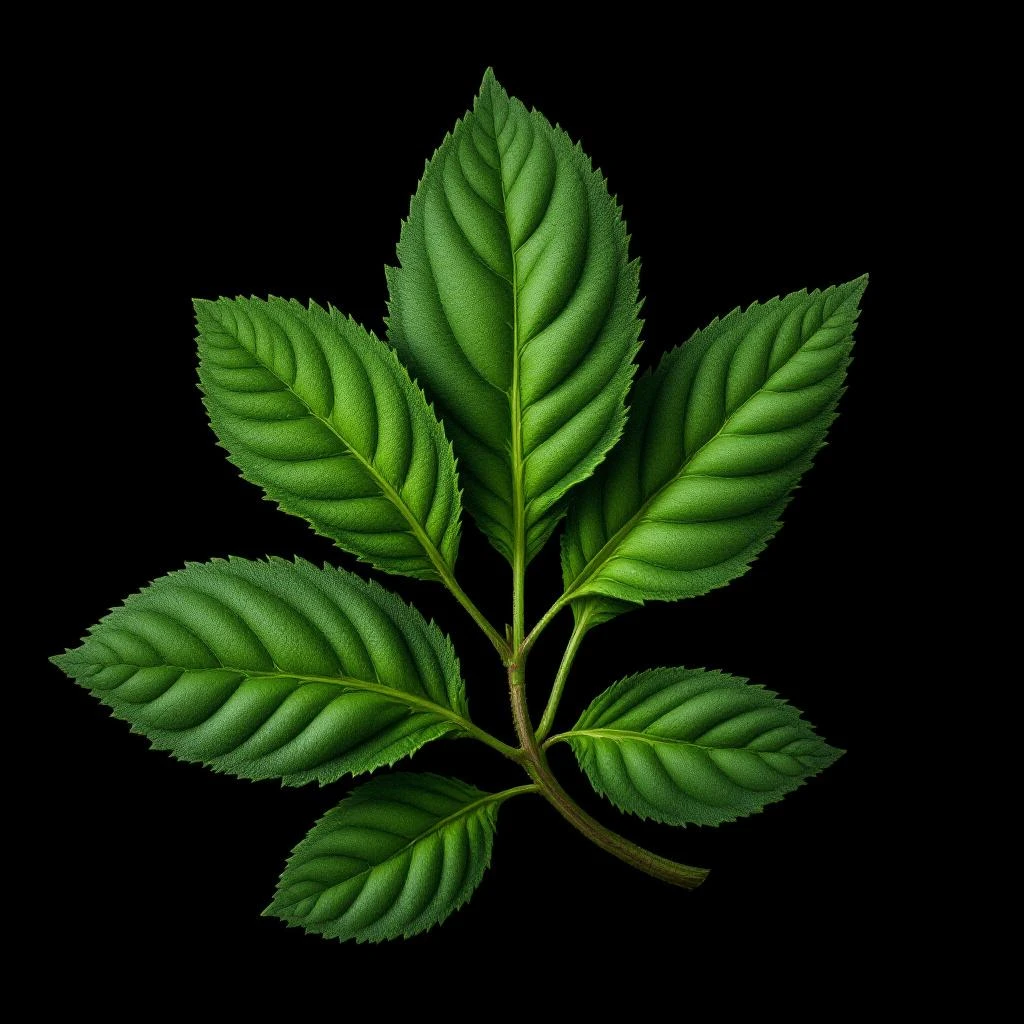
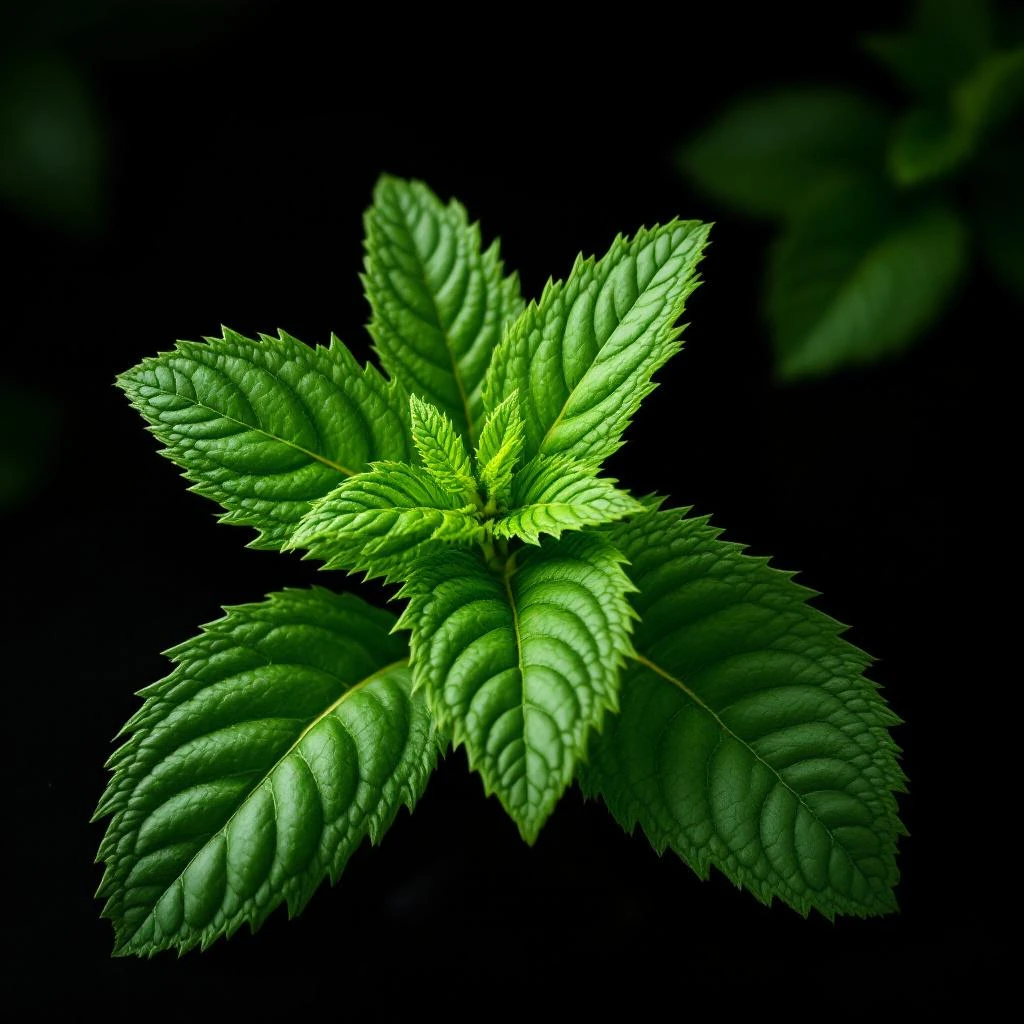
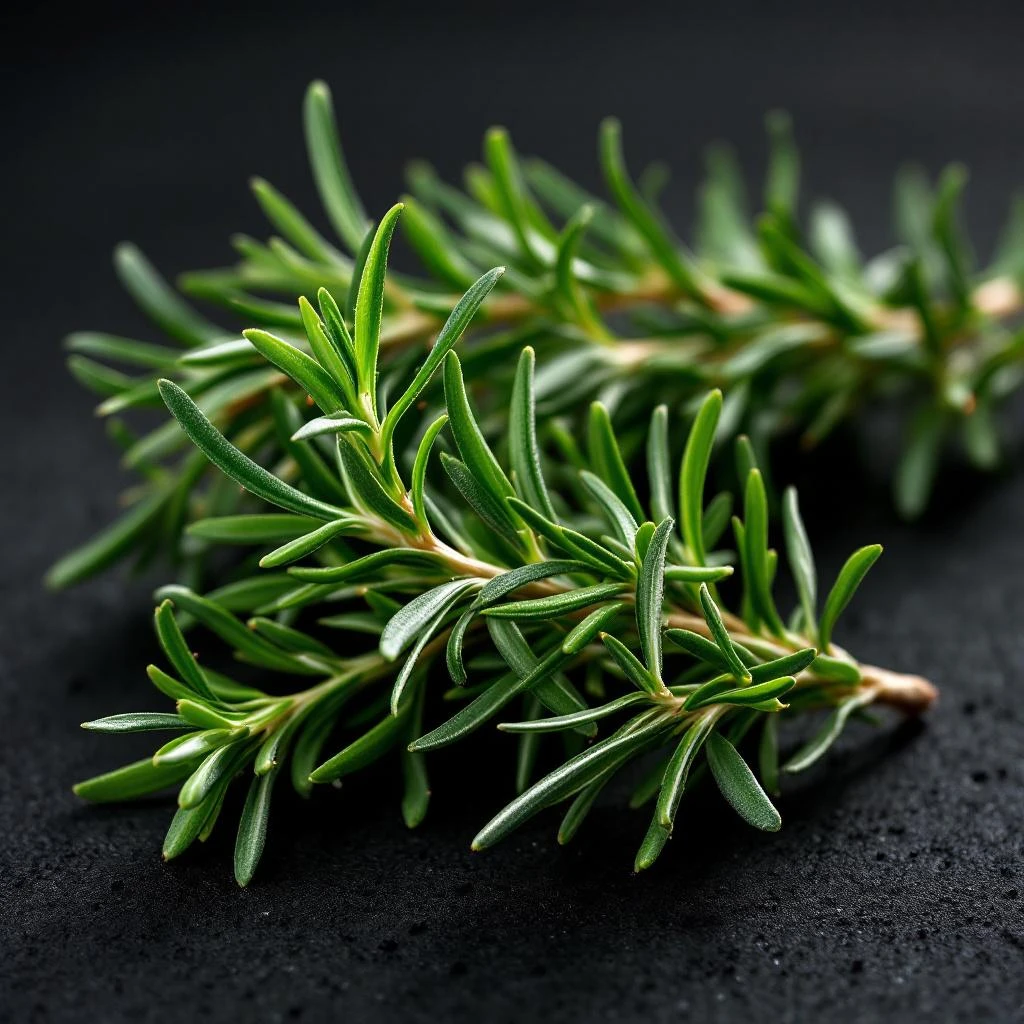
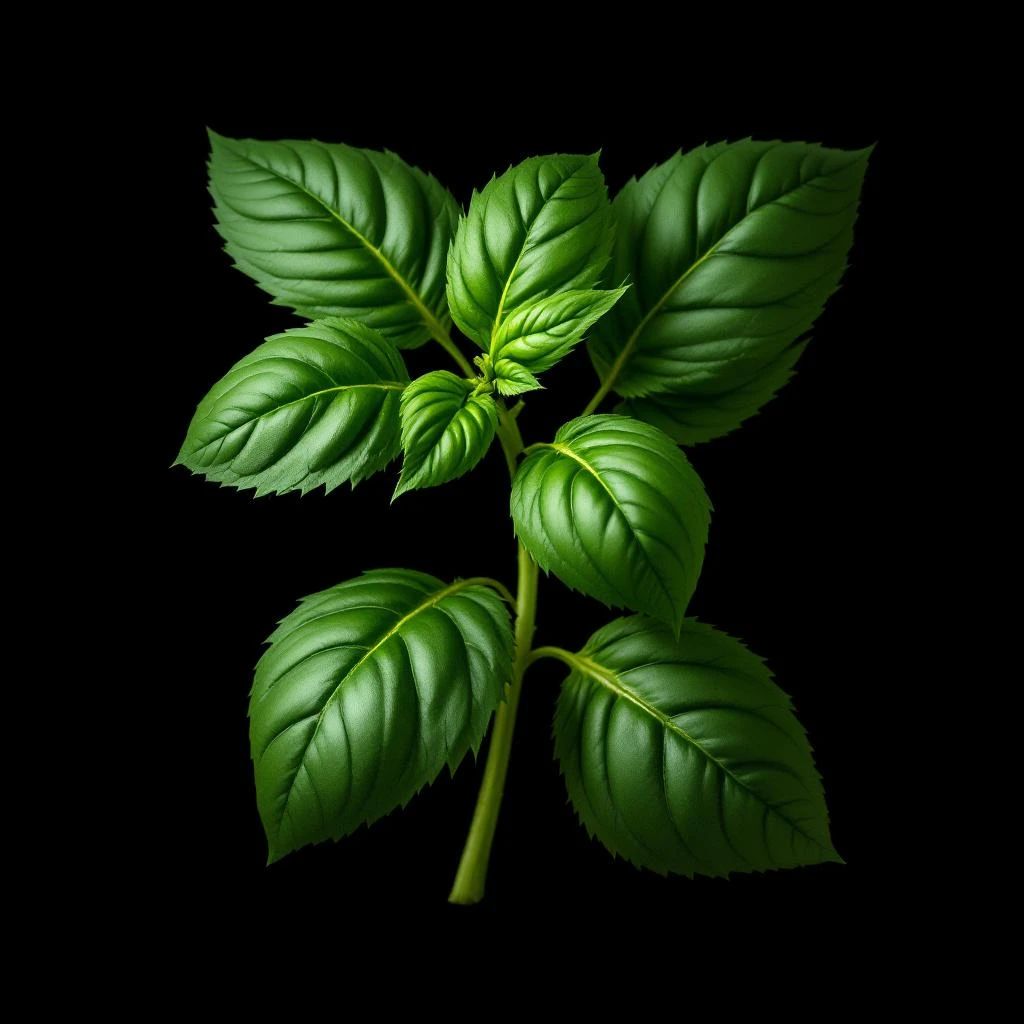
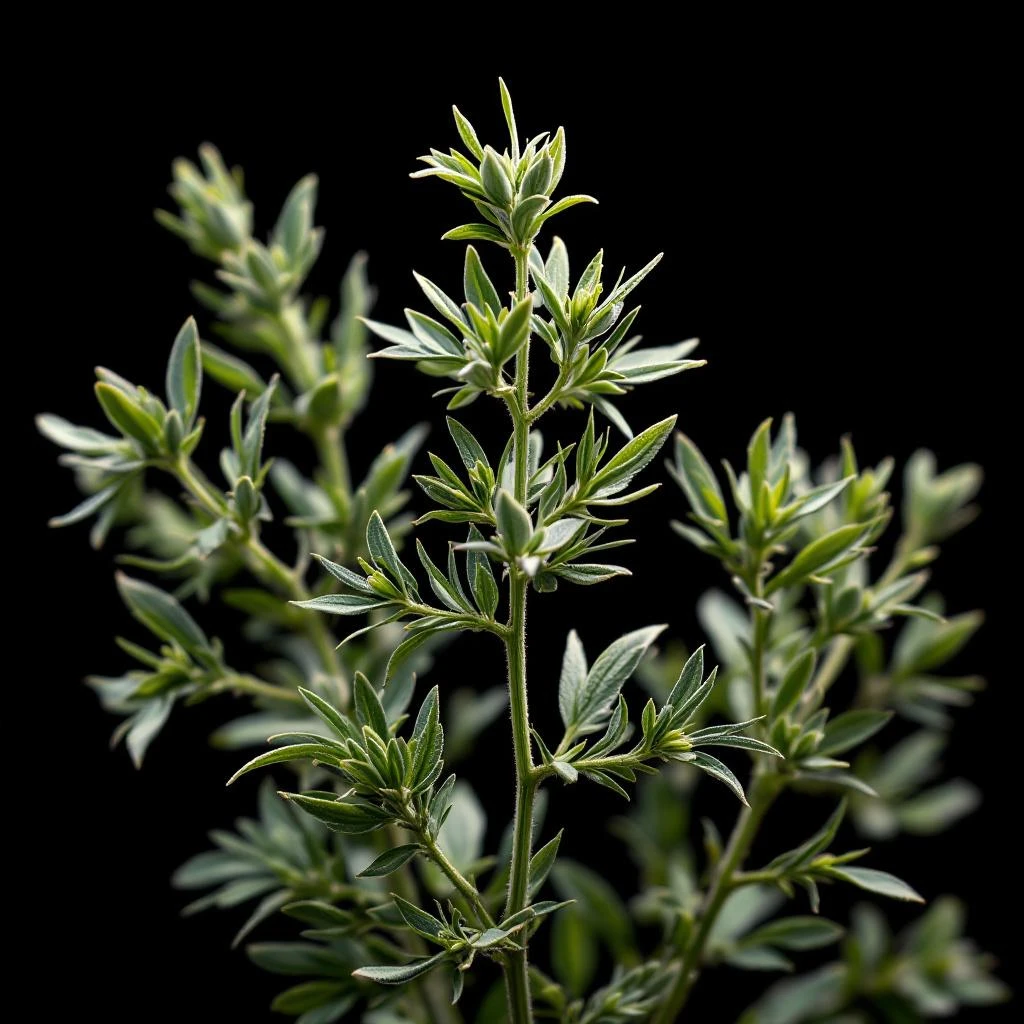
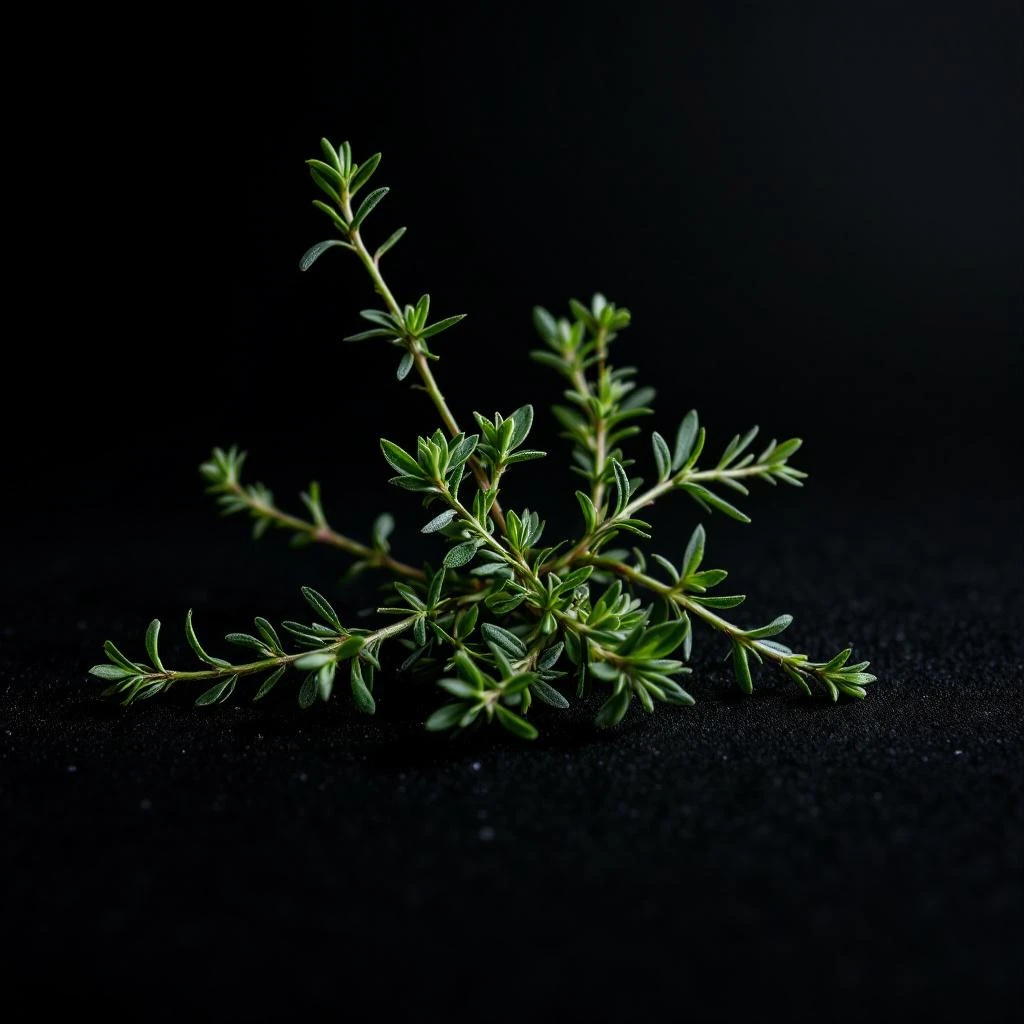
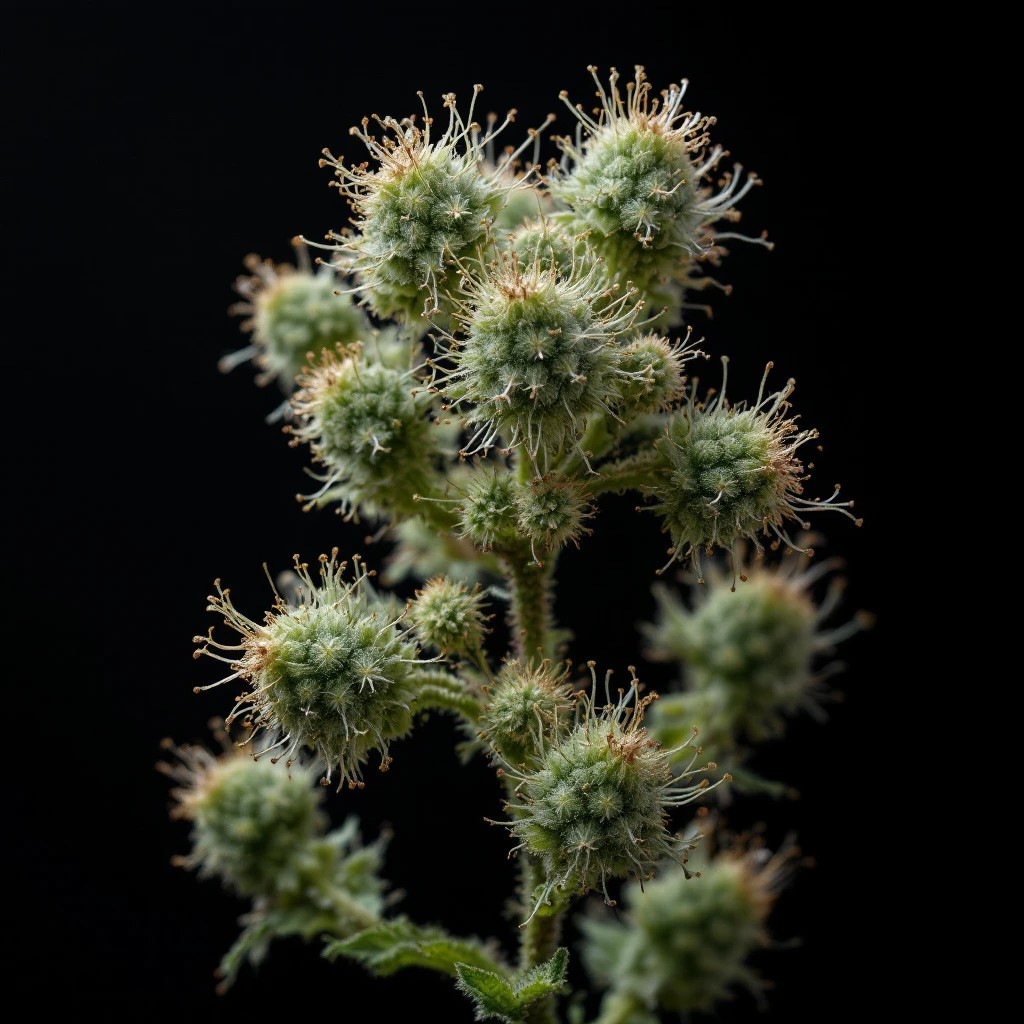
High-altitude tea leaves carry concentrated aromatics shaped by mountain mist and temperature stress. Perfumers prize these extracts for their crisp, complex green character.
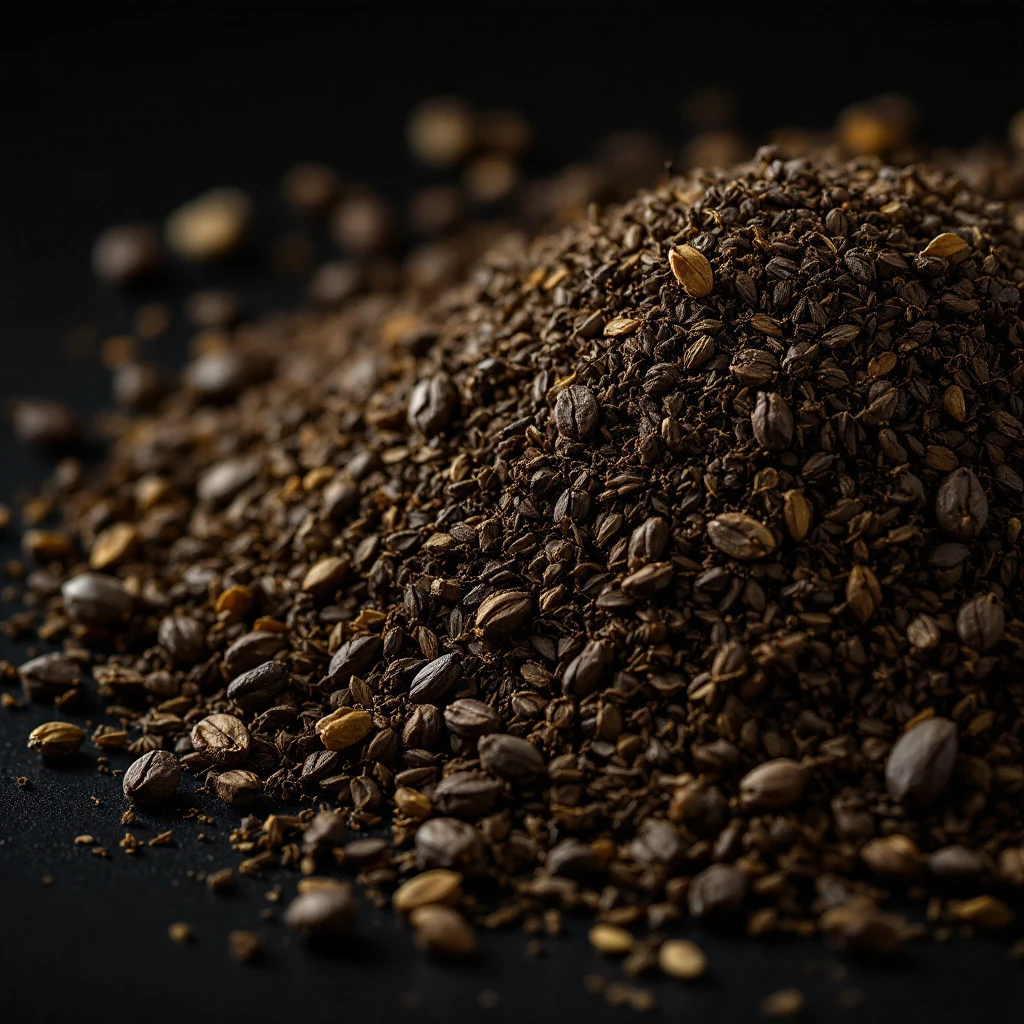
Character
How it smells
Where elevation sharpens every note.
Plants growing above 1,500 meters produce leaves with up to 40% higher essential oil content than their lowland counterparts.



Origin
India
Indigenous communities across the Himalayas and Mediterranean mountains have brewed mountain herbs for wellness rituals for centuries before perfumery discovered these materials. Western perfumery began incorporating tea accords in the early 20th century, though capturing authentic tea aroma proved challenging with available extraction methods. The breakthrough came in the late 1980s when perfumers achieved realistic green tea accords using synthetic materials, but true natural mountain tea extracts remained rare and prized.
Today, high-altitude tea regions like Darjeeling, Assam's hillside estates, and Greek mountain slopes supply the perfumery industry with precious harvests. These mountain teas carry a distinctive character that synthetic reproductions cannot fully replicate, making them cherished ingredients among niche fragrance houses seeking authentic botanical signatures.
Wears it best
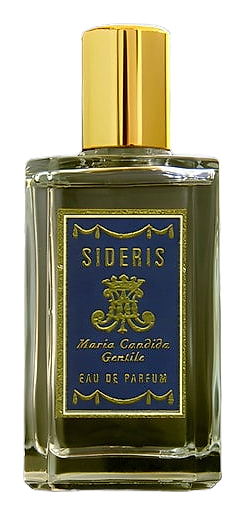
Fragrances featuring Mountain Tea
Brands
Brands known for Mountain Tea
Good to know
Questions, answered
The essentials on Mountain Tea in perfumery: how it smells, where it comes from, and how it behaves on skin.
What creates mountain tea's distinctive scent in fragrances?
High-altitude growing conditions concentrate aromatic compounds in tea leaves. The stress response from temperature swings and intense sunlight produces heightened levels of linalool and geraniol, giving mountain tea its crisp, complex green profile with honey undertones that flatland teas cannot match.
Is natural mountain tea extract commonly used in perfumery?
Natural extracts remain relatively rare due to supply constraints and cost. Most commercial tea accords rely on synthetic aroma chemicals like cis-3-hexenol for green notes. True natural mountain tea absolute appears primarily in artisanal and niche fragrances where authentic botanical character justifies the premium.
How does mountain tea differ from standard tea extracts in perfumery?
Mountain tea carries greater aromatic complexity and intensity. Valley-grown teas produce milder, more straightforward profiles, while high-altitude leaves develop secondary notes of wild herbs and honey. The elevation stress response creates a multidimensional scent that reads as fresher and more crystalline in compositions.
What extraction process preserves mountain tea's aromatic properties?
Steam distillation captures the volatile top notes effectively, while solvent extraction yields absolutes with fuller bodied, deeper character. Cold enfleurage remains the gentlest method, preserving delicate ester compounds that heat-based processes might degrade, though this technique sees limited commercial use.
Which fragrance families pair best with mountain tea?
Mountain tea belongs naturally in green, aquatic, and fresh oriental compositions. It bridges citrus and floral elements while anchoring light chypre structures. The note reads as both refreshing and sophisticated, making it versatile across seasonal fragrances and gender-neutral formulations.
What regions produce the finest tea for perfumery extraction?
Darjeeling in India's Himalayan foothills sets the standard for aromatic complexity. The Darjeeling district produces approximately 8 million kilograms annually from gardens above 2,000 meters elevation, though only a fraction enters perfumery channels. Yunnan Province in China and highland estates in Sri Lanka also supply premium material.
Does mountain tea extract perform differently across skin types?
Individual body chemistry influences how tea compounds develop on skin. The catechins and polyphenols in natural extracts may react differently with various skin chemistries compared to synthetic equivalents, sometimes creating subtle variations in the dry-down phase that feel more organic and alive.
How long does mountain tea typically last as a fragrance note?
As a heart note material, mountain tea projects strongly for two to four hours depending on concentration and companion ingredients. Blending with fixatives like musks or woods extends its presence in the dry-down. Higher altitude-sourced material often demonstrates slightly better longevity due to increased essential oil density.