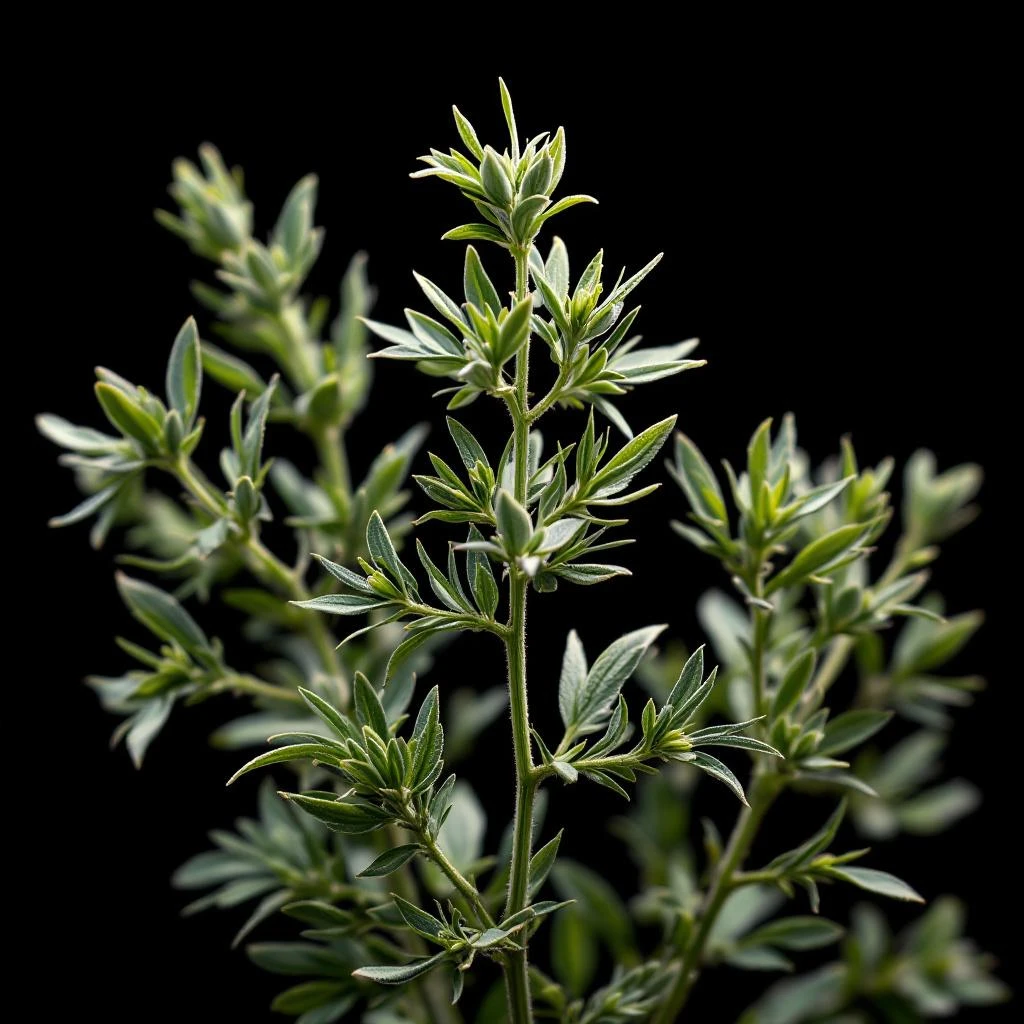
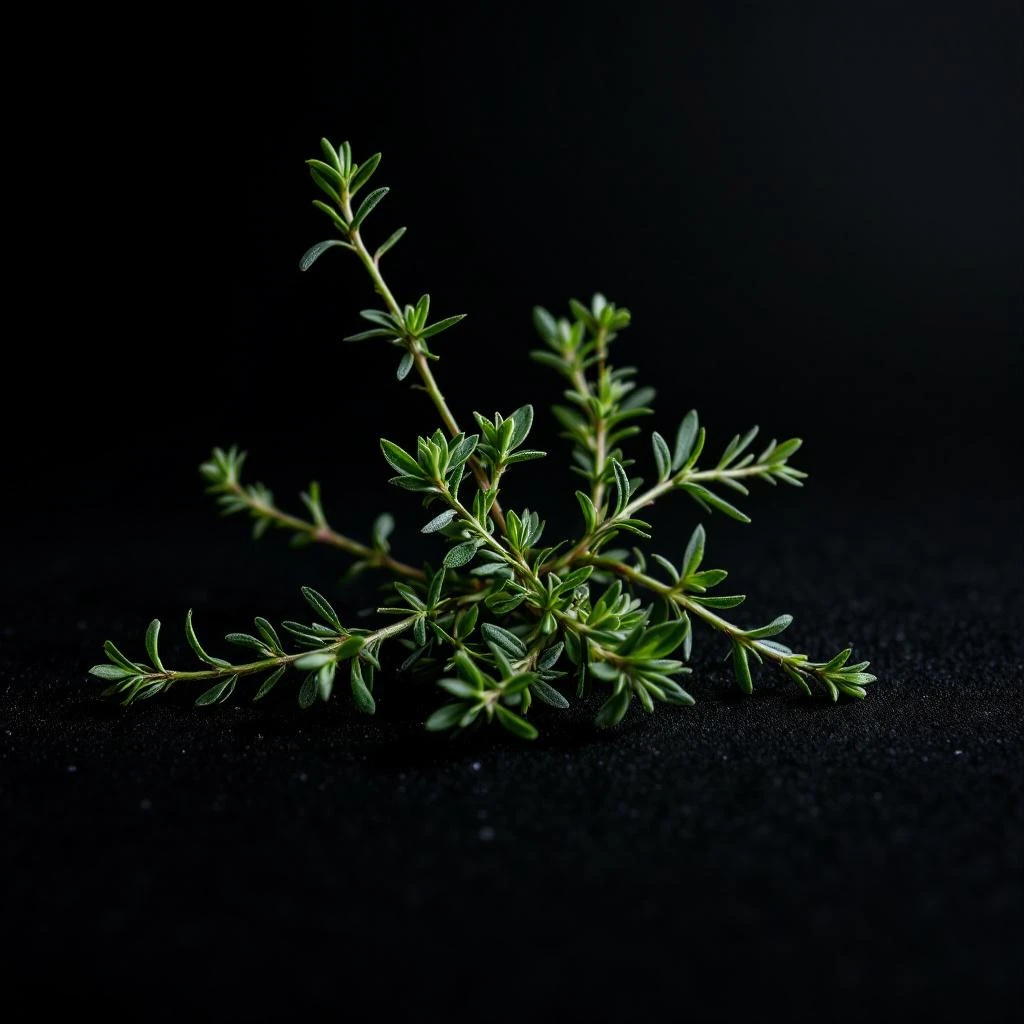
Sideritis
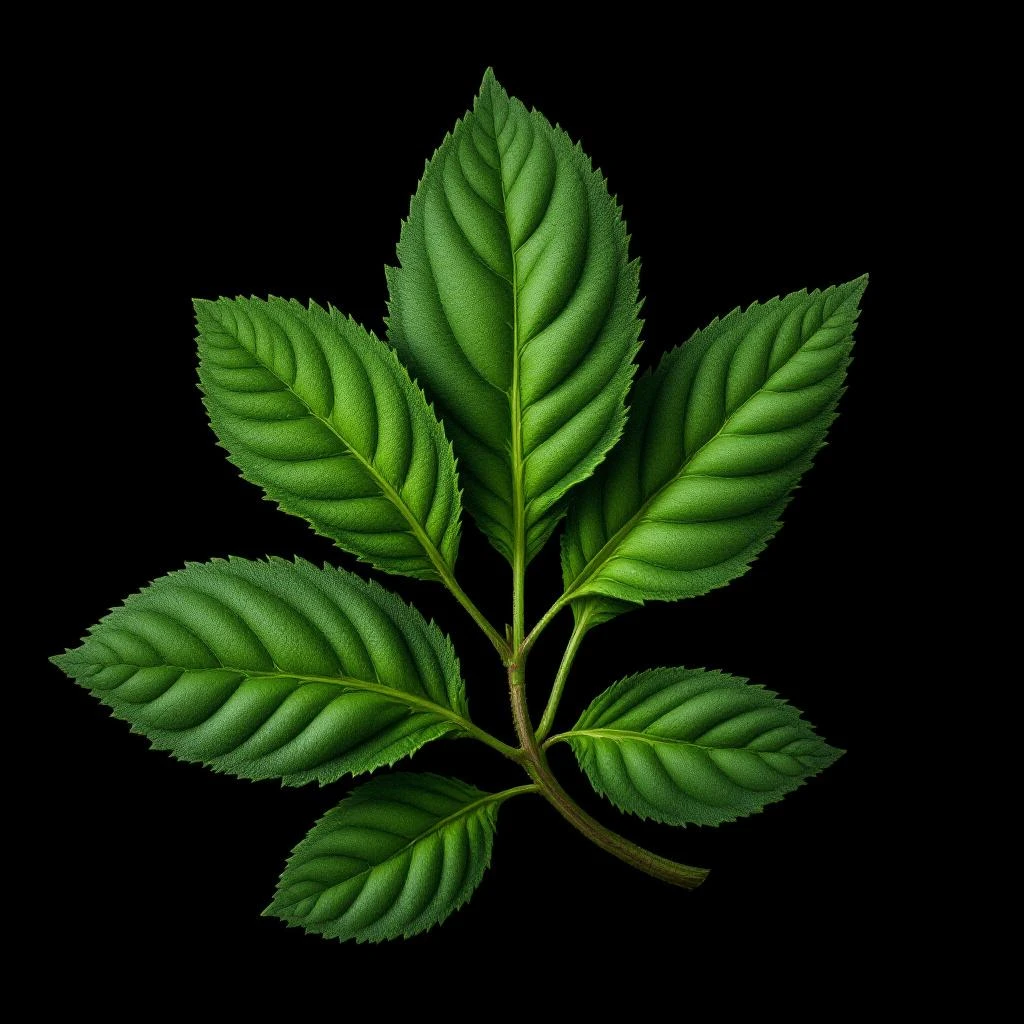
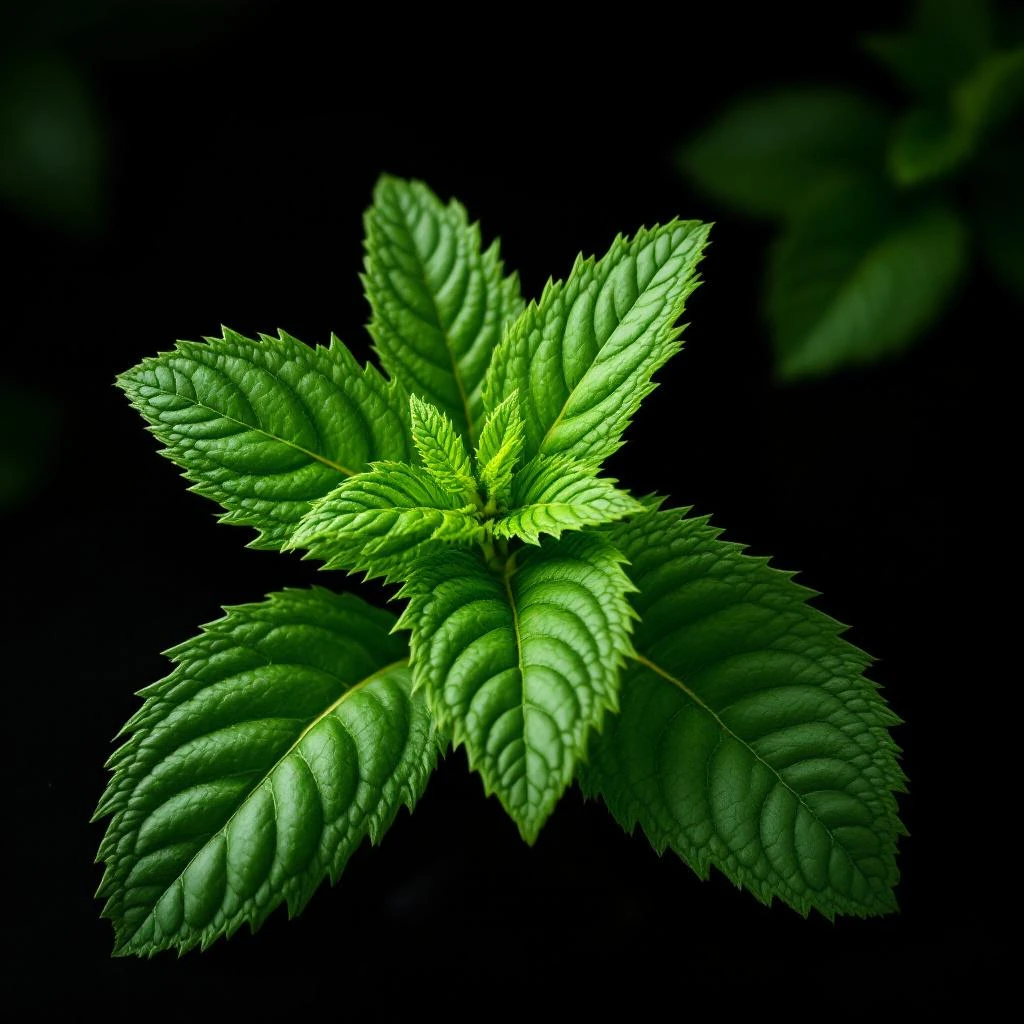
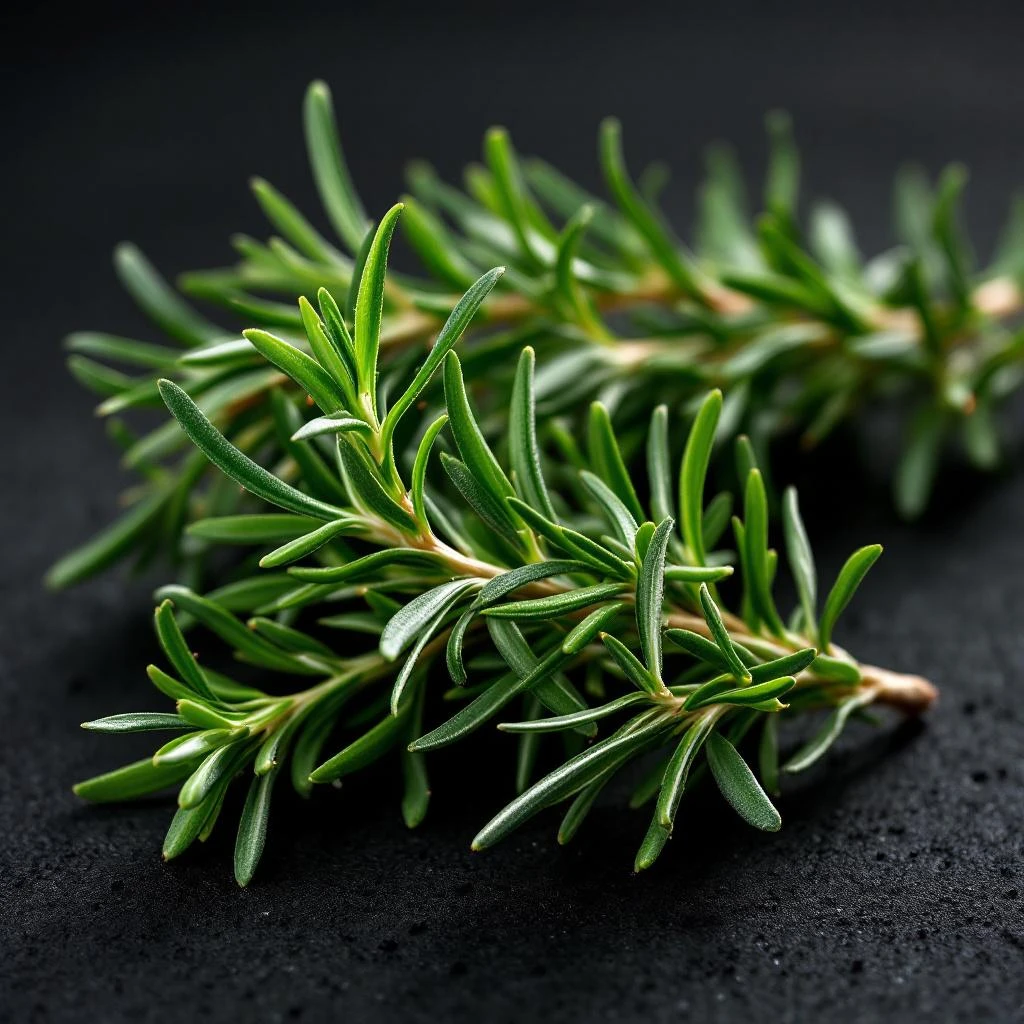
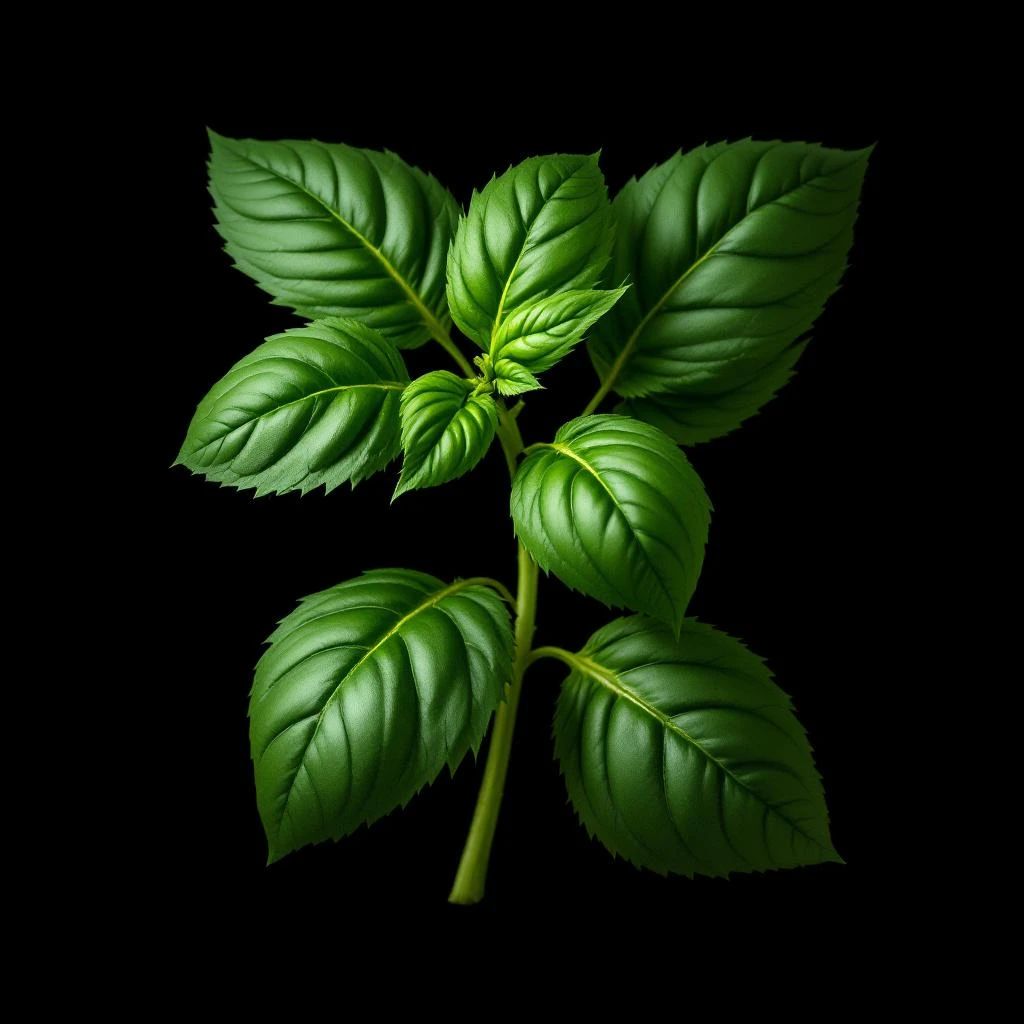
Sideritis, the ancient Greek mountain tea plant, lends perfumery its sun-warmed herbaceousness and subtle honeyed warmth. This Mediterranean botanical brings a quiet complexity that bridges herbal and floral dimensions.
Character
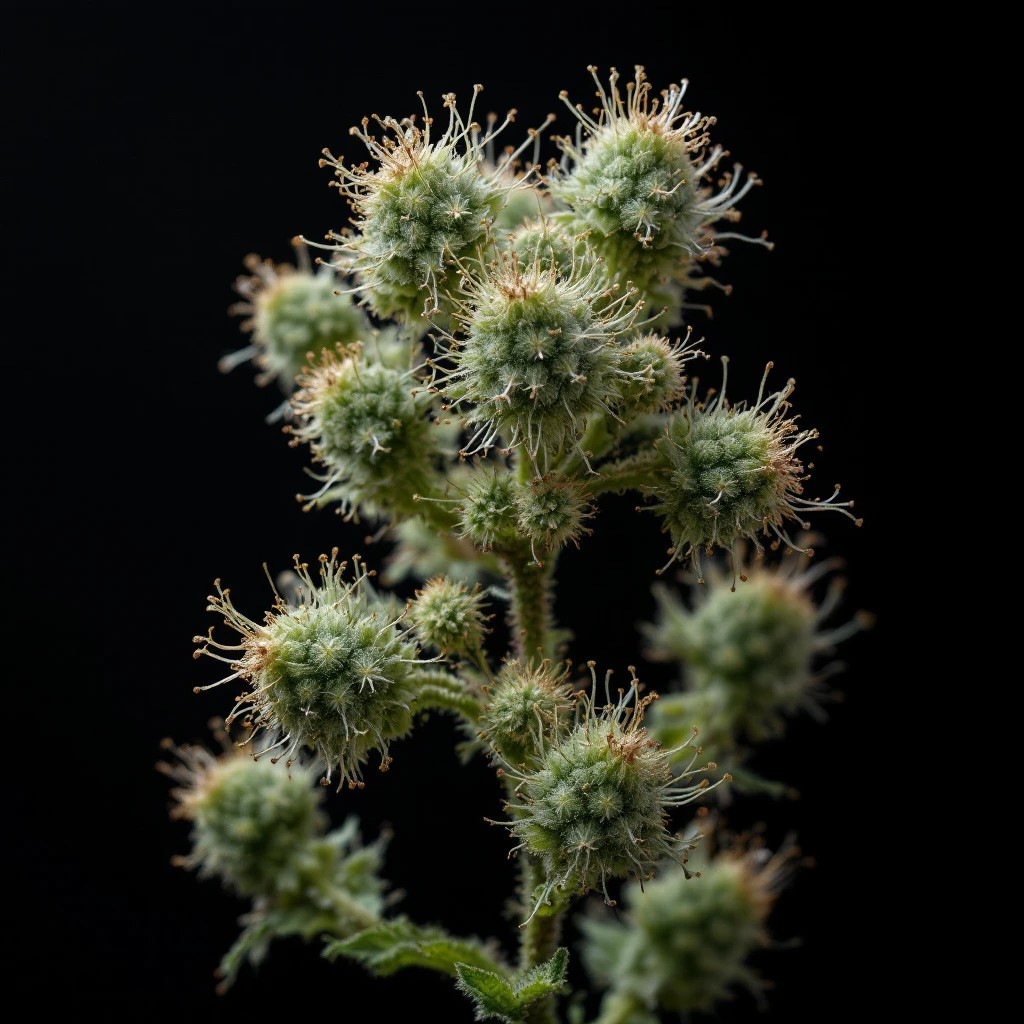
How it smells
Mediterranean mountain serenity in a bottle.
Ancient Greek physicians prescribed Sideritis tea on Mount Olympus for vitality.




Origin
Greece
The ancient Greeks revered Sideritis for its medicinal properties. Hippocrates documented its use in treating wounds and fatigue, while Aristotle noted its prevalence growing wild across sun-drenched Mediterranean slopes. Mountain communities brewed the herb as a daily tonic, believing it promoted strength and longevity.
Soldiers carried Sideritis into battle, and physicians prescribed it on the slopes of Mount Olympus. This centuries-old tradition of botanical wellness now informs its modern role as a rare perfumery ingredient prized for its connection to Greek natural heritage.
Wears it best
Fragrances featuring Sideritis
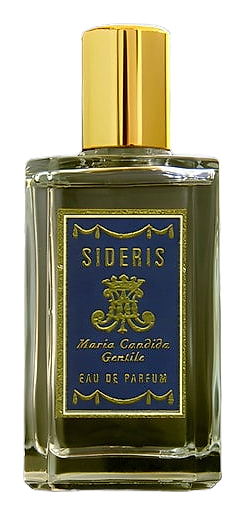
Brands
Brands known for Sideritis
Good to know
Questions, answered
The essentials on Sideritis in perfumery: how it smells, where it comes from, and how it behaves on skin.
What does Sideritis smell like?
Sideritis produces a warm herbaceous aroma with tea-like qualities and subtle honeyed undertones. It carries impressions of wild mountain flora and sun-dried grasses. Modern perfumers often describe it as bridging herbal and slightly sweet floral dimensions.
Is Sideritis used in natural or synthetic perfumery?
Sideritis appears exclusively as a natural ingredient in perfumery. Steam distillation of the dried plant yields an essential oil used at low concentrations. No synthetic replica achieves its full aromatic complexity.
How rare is Sideritis in fragrance formulations?
Sideritis remains uncommon in mainstream perfumery. Small-scale production in Greek mountain regions limits supply. Niche and artisan perfumers value it for its heritage and distinctive aromatic profile.
What season produces the best Sideritis for extraction?
Summer harvest yields optimal Sideritis for distillation. Plants collected during peak bloom in July and August contain maximum essential oil content. The Mediterranean summer sun concentrates the aromatic compounds in aerial parts.
Can Sideritis replace other herbal notes like lavender?
Sideritis offers a different aromatic profile than lavender. Where lavender projects bold floral-camphor characteristics, Sideritis presents softer herbaceous warmth with tea-like qualities. Perfumers use it as a complementary rather than direct substitute.
Why is Sideritis significant in Greek botanical tradition?
Sideritis has documented use spanning over two thousand years in Greek healing traditions. Ancient physicians including Hippocrates recorded prescribing the herb for various ailments. This historical prominence makes it one of the Mediterranean most historically significant medicinal plants.
What distinguishes Sideritis from common perfumery herbs?
Sideritis carries a quieter aromatic presence than typical perfumery herbs. Rather than bold statements, it contributes subtle warmth and complexity. Its honeyed dimension sets it apart from sharper herbal ingredients commonly used in fragrance.