Minerals
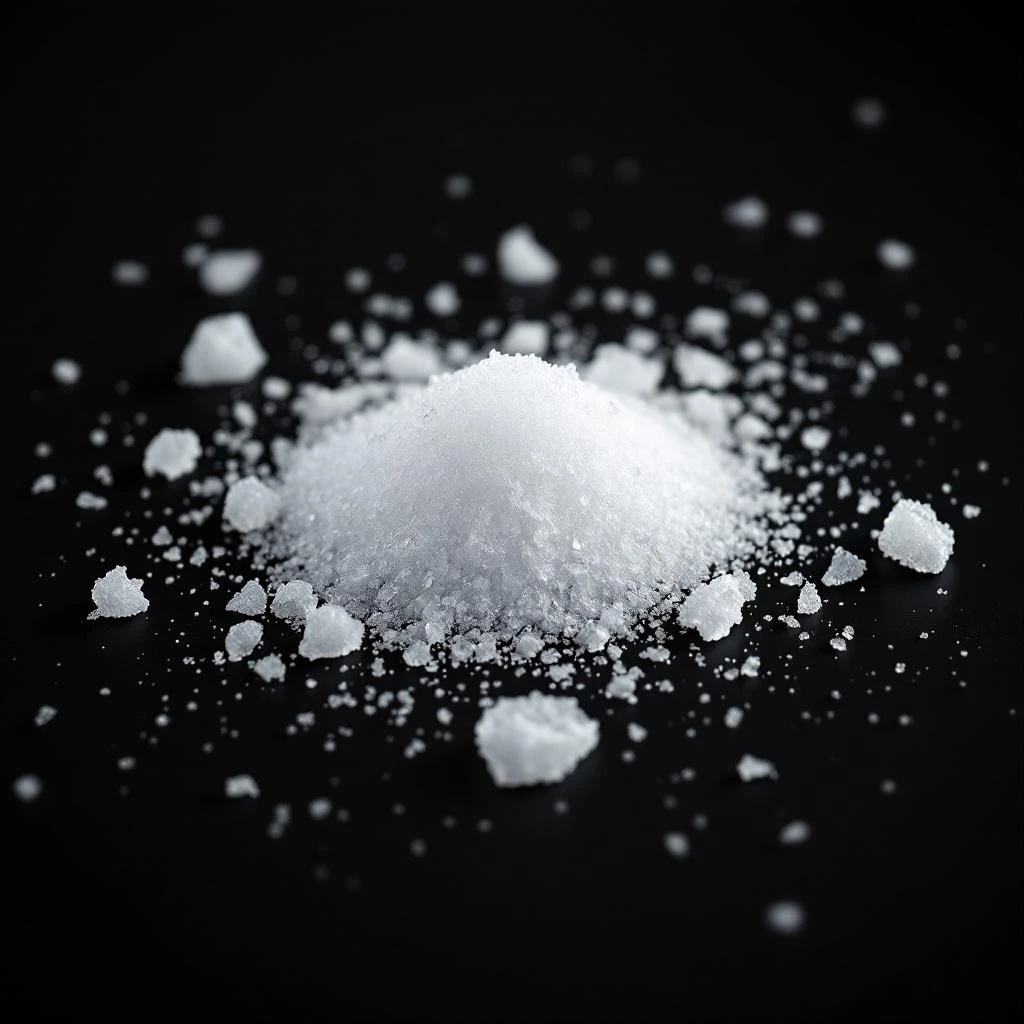
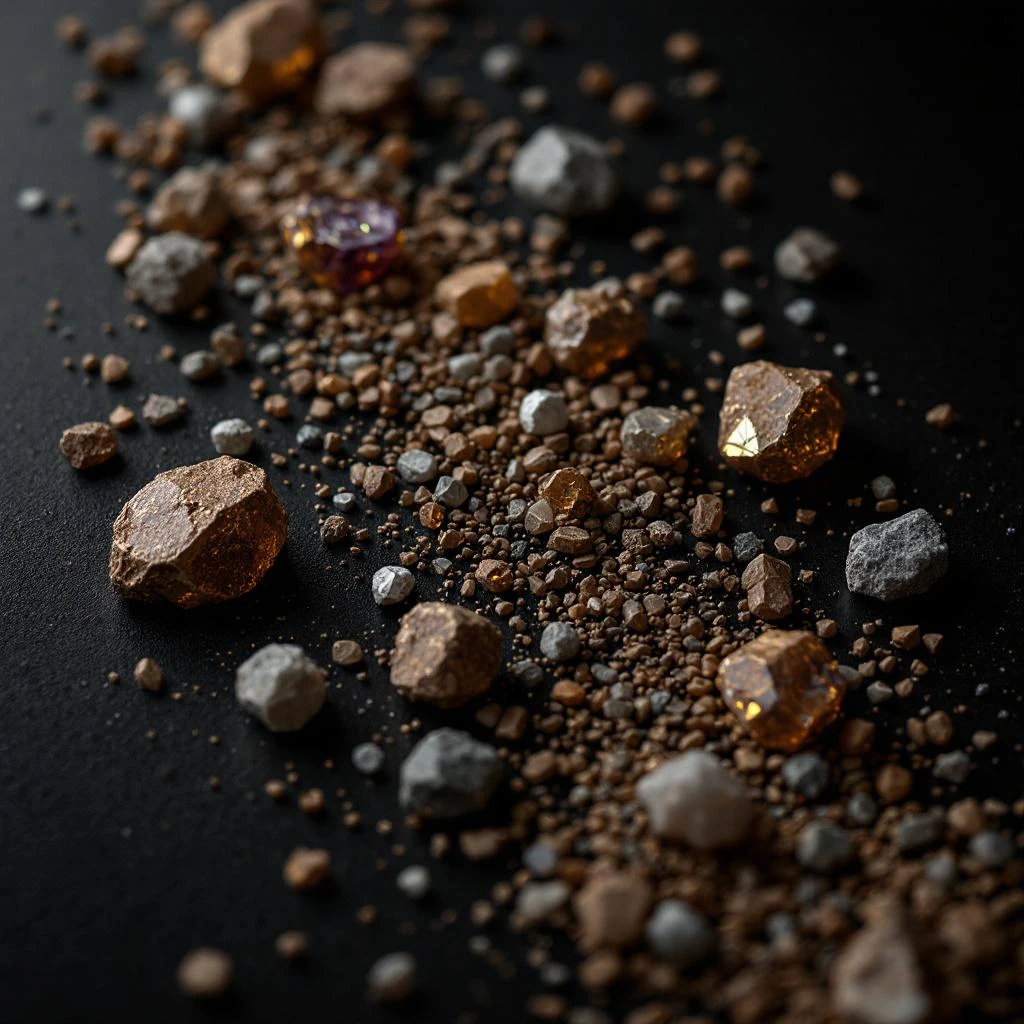
Mineral notes in perfumery are synthetic aroma compounds that evoke the cool, dry, metallic scent of wet stone, salt, and sun-baked earth. These materials add crispness and intrigue, grounding lighter elements with an unexpected clarity that feels both ancient and distinctly modern.
Character
How it smells
The cool breath of wet stone
The mineral note category only emerged in perfumery vocabulary during the 1980s, when synthetic chemistry finally produced molecules capable of mimicking stone, salt, and metal.








Origin
France
Before the 20th century, perfumers lacked vocabulary for mineral-like scents because no natural materials could produce them. Ancient perfumery relied entirely on botanical and animal-derived ingredients, leaving an entire sensory territory unexplored. The fragrance industry began unlocking mineral territory in the late 1800s with early synthetics like coumarin and vanillin, but true mineral-smelling molecules emerged only mid-century.
By the 1980s, perfumers finally had reliable mineral-mimicking compounds, opening an entirely new olfactory family. This development paralleled broader cultural interest in minimalist, architectural aesthetics that valued coolness and restraint over romantic sweetness.
Wears it best
Fragrances featuring Minerals
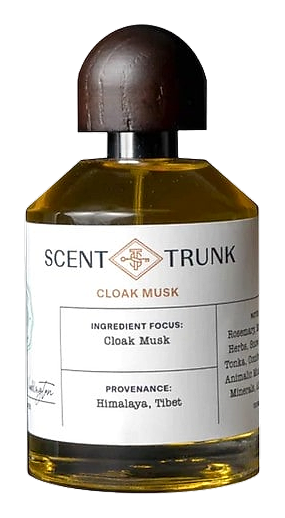
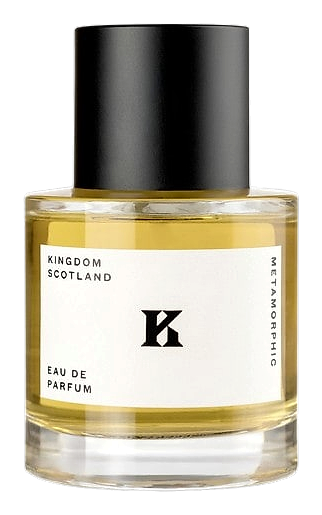
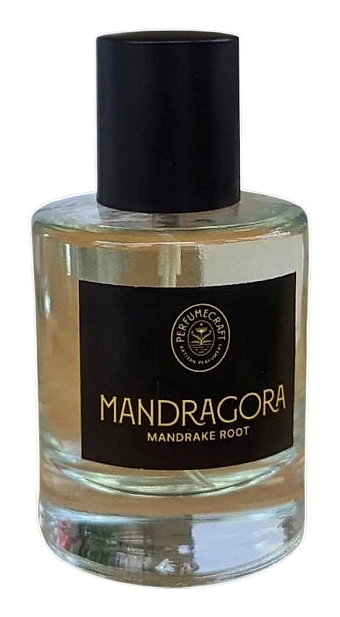
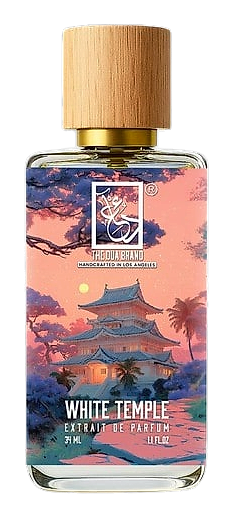

Brands
Brands known for Minerals
Good to know
Questions, answered
The essentials on Minerals in perfumery: how it smells, where it comes from, and how it behaves on skin.
What do mineral notes smell like?
Mineral notes smell like wet stone, cool metal, sea salt, or sun-baked earth. They are dry, crisp, and slightly metallic, with a clean quality that feels both cool and restrained.
Are mineral notes natural or synthetic?
Mineral notes are entirely synthetic. No natural material produces mineral-like aromas, so perfumers create them through laboratory synthesis of specific aromatic molecules.
How do mineral notes enhance a fragrance composition?
Mineral notes add crispness and clarity that brightens and grounds other elements. They create contrast against sweeter or heavier materials, adding sophistication and unexpected depth.
How do mineral notes differ from marine or ozonic notes?
Marine notes smell like ocean air and seaside breezes, while mineral notes evoke earth and stone. Marine has moisture and wind; mineral has dryness and weight.
What role do mineral notes play in fragrance construction?
Mineral notes work as top and heart notes, providing an immediate crisp impression and maintaining structural integrity throughout wear. They rarely serve as base notes.
When did mineral notes first appear in perfumery?
The mineral note category emerged in the 1980s, when synthetic chemistry produced molecules capable of mimicking stone, salt, and metal. Before then, perfumers had no way to achieve true mineral scents.
Which famous fragrances showcase mineral notes?
Bvlgari Pour Homme (2006) pioneered mineral-citrus compositions. Le Labo Baie 19 and Byredo Gypsy Water also feature prominent mineral qualities in their modern constructions.
Do mineral notes appear in traditional or modern perfumery?
Mineral notes are exclusively modern. They belong to contemporary and niche perfumery, where synthetic innovation defines creative direction.