Katrafay
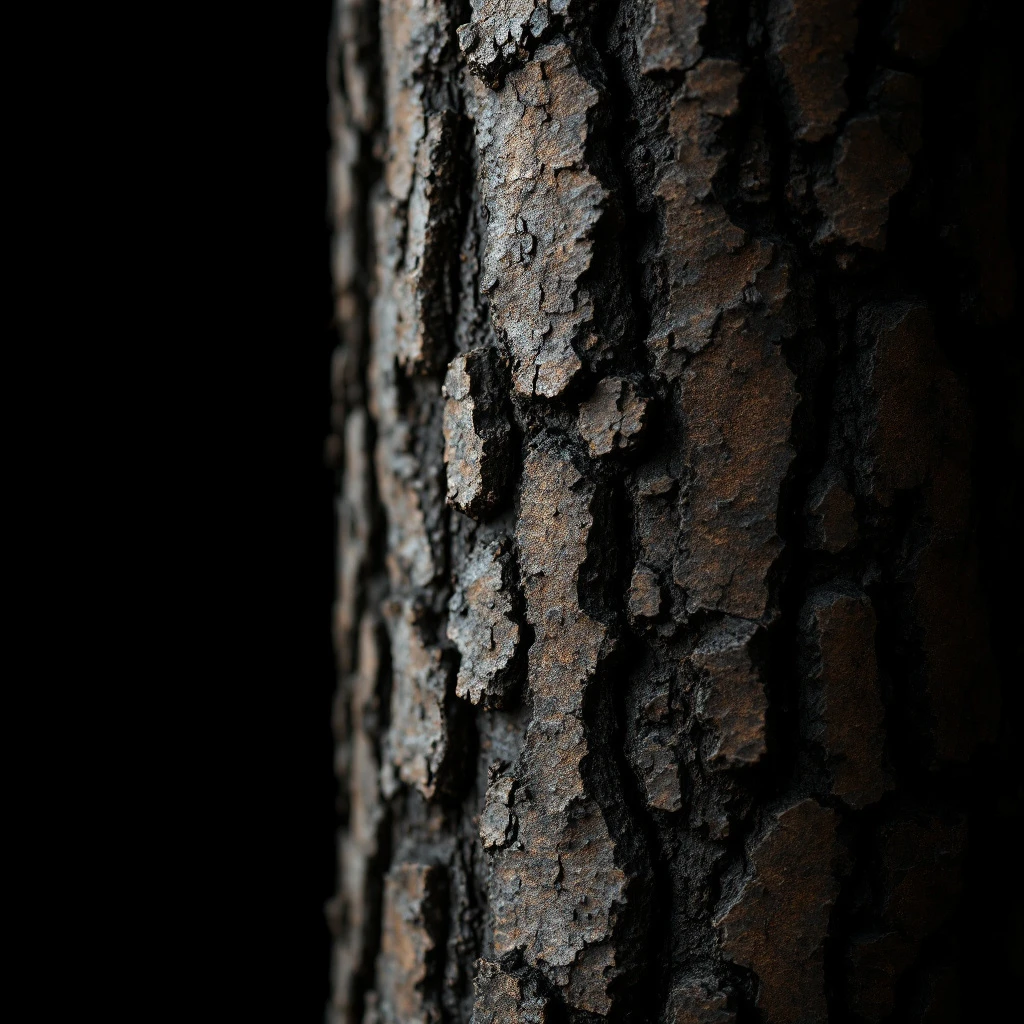
Katrafay oil distills from the bark of Cedrelopsis grevii, a tree endemic to Madagascar's dry forests. The scent delivers warm, woody depth with spicy undertones and a quiet sweetness that lingers on the skin.
Character
How it smells
Madagascar's answer to cedar, warmer and wilder
The tree grows only in Madagascar's southwestern forests and traditional harvest methods now threaten wild populations with scarcity.





Origin
Madagascar
Indigenous Malagasy healers used katrafay bark for centuries before perfumers discovered its potential. Traditional medicine valued the bark for its warming properties, prescribing it for joint discomfort and digestive issues.
The tree grows exclusively in Madagascar's Isalo and Mikea forest regions, where local communities developed sustainable harvesting practices over generations. Western perfumery adopted katrafay in the late twentieth century as formulators sought novel wood notes beyond cedars and sandalwoods.
The International Union for Conservation of Nature now classifies Cedrelopsis grevii as vulnerable, prompting distillers to invest in cultivated sources. Madagascar's perfume industry supports reforestation programs that protect wild populations while ensuring supply continuity for fragrance manufacturers worldwide.
Wears it best
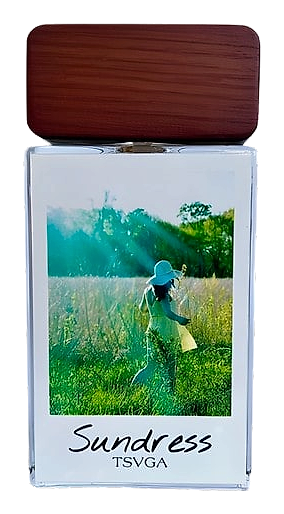
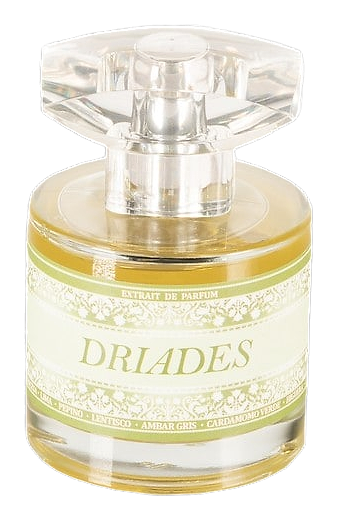
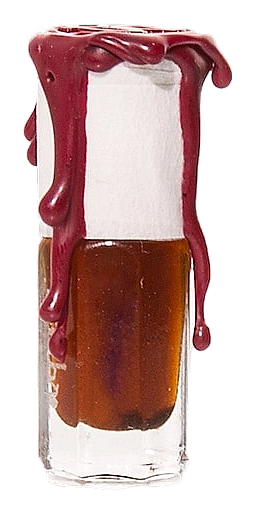
Fragrances featuring Katrafay
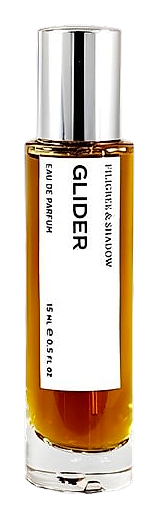
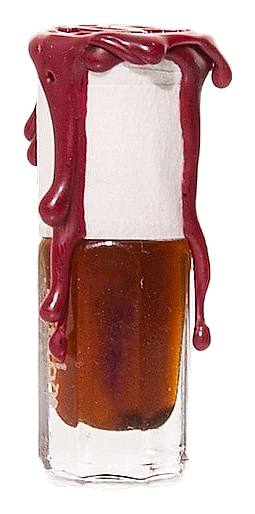
Brands
Brands known for Katrafay
Good to know
Questions, answered
The essentials on Katrafay in perfumery: how it smells, where it comes from, and how it behaves on skin.
What does katrafay smell like?
Katrafay offers warm woody warmth with dry cedar characteristics, subtle spice, and a faint sweetness. The scent profile resembles a blend of cedar and vetiver with peppery undertones. It performs well as a base note that adds depth and longevity to fragrance compositions.
Is katrafay oil sustainable?
Wild katrafay faces conservation concerns due to overharvesting. The IUCN classifies it as vulnerable. Ethical suppliers now source from plantations or implement controlled harvest quotas. Brands committed to sustainability often disclose their sourcing practices for this ingredient.
Which perfumes feature katrafay?
Niche perfumers use katrafay more frequently than mass-market houses. It appears in compositions seeking exotic wood notes, particularly in the dry-down phase. Specific formulations remain proprietary, but woody-amber fragrances most commonly feature this material.
What part of the plant produces the oil?
Distillers harvest bark from mature Cedrelopsis grevii trees. The bark contains the highest concentration of aromatic compounds, particularly sesquiterpenes that create the characteristic woody scent. Leaves and heartwood yield negligible aromatic material by comparison.
How is katrafay oil produced?
Producers collect bark during Madagascar's dry season, dry it to reduce moisture content, then grind it for steam distillation. The process requires several hours per batch. Yield averages 1-2% by weight, making katrafay a relatively scarce material in global fragrance production.
Does synthetic katrafay exist?
No commercial synthetic equivalent replicates katrafay's complete scent profile. Some aromatic molecules found in katrafay, such as certain sesquiterpenes, are available as isolated compounds. Blending these substitutes never fully captures the natural material's complexity and warmth.
What regions produce katrafay?
Madagascar produces nearly all commercial katrafay oil, specifically from the Isalo and Mikea forest regions in the southwest. The tree requires specific growing conditions including well-drained soils and seasonal rainfall. Attempts to cultivate it outside Madagascar have achieved limited success.
How long has katrafay been used in perfumery?
Western perfumery adopted katrafay in the late twentieth century, roughly 40 years ago. Traditional Malagasy medicine used the bark for centuries before perfumers recognized its aromatic potential. The ingredient remains relatively novel compared to established materials like sandalwood or cedar.





