The Story
Why it exists.
The beginning
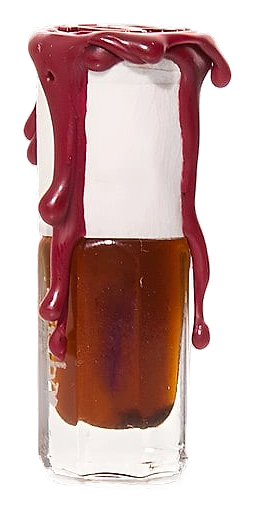
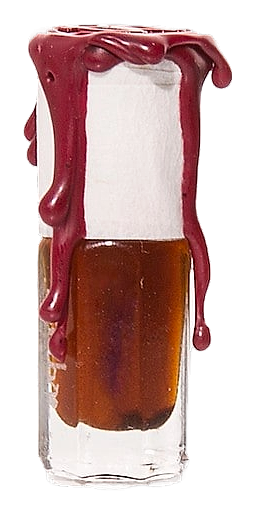
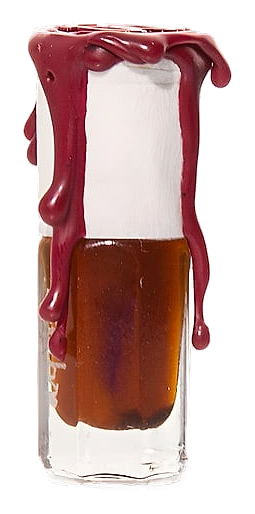
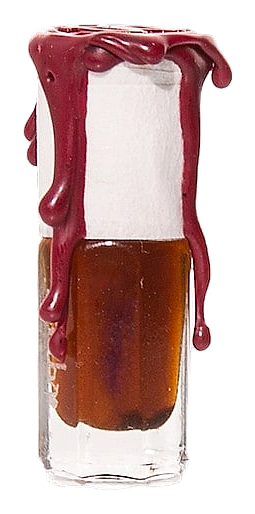
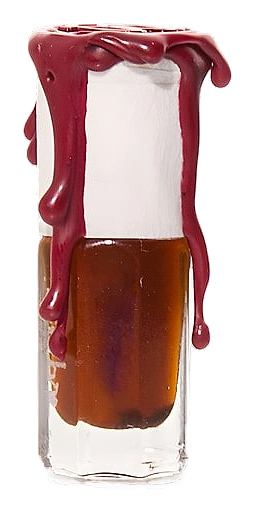
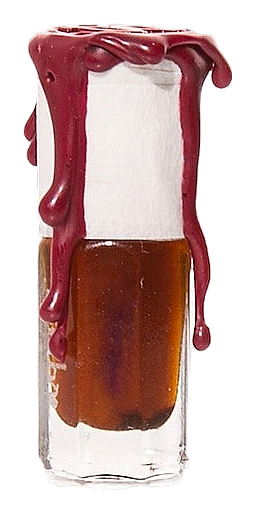
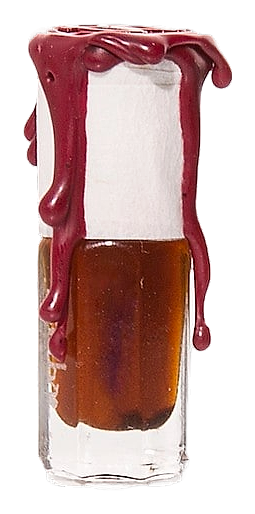
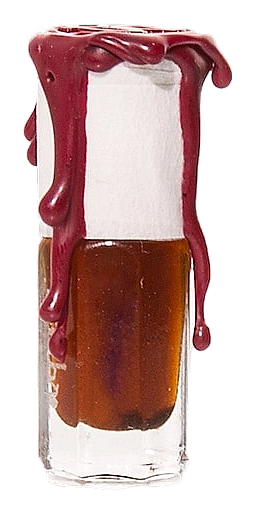
The Jungle de Borneo Gardenia translates a specific sensory memory, lush fertile jungles bordering tea gardens, the air thick with green foliage, ripe wild fruits, and narcotic white florals, into concentrated attar form. Released in 2015, it uses rare Borneo oud and floral enfleurage to recreate that atmosphere. Three variations exist in the series: gardenia, tuberose, and white ginger lily, each using Borneo oud to anchor their white floral hearts. The creation draws from a rich sensory heritage that the London atelier has cultivated over years of focused oil-based perfumery, translating atmospheric memories into intimate wearable form.
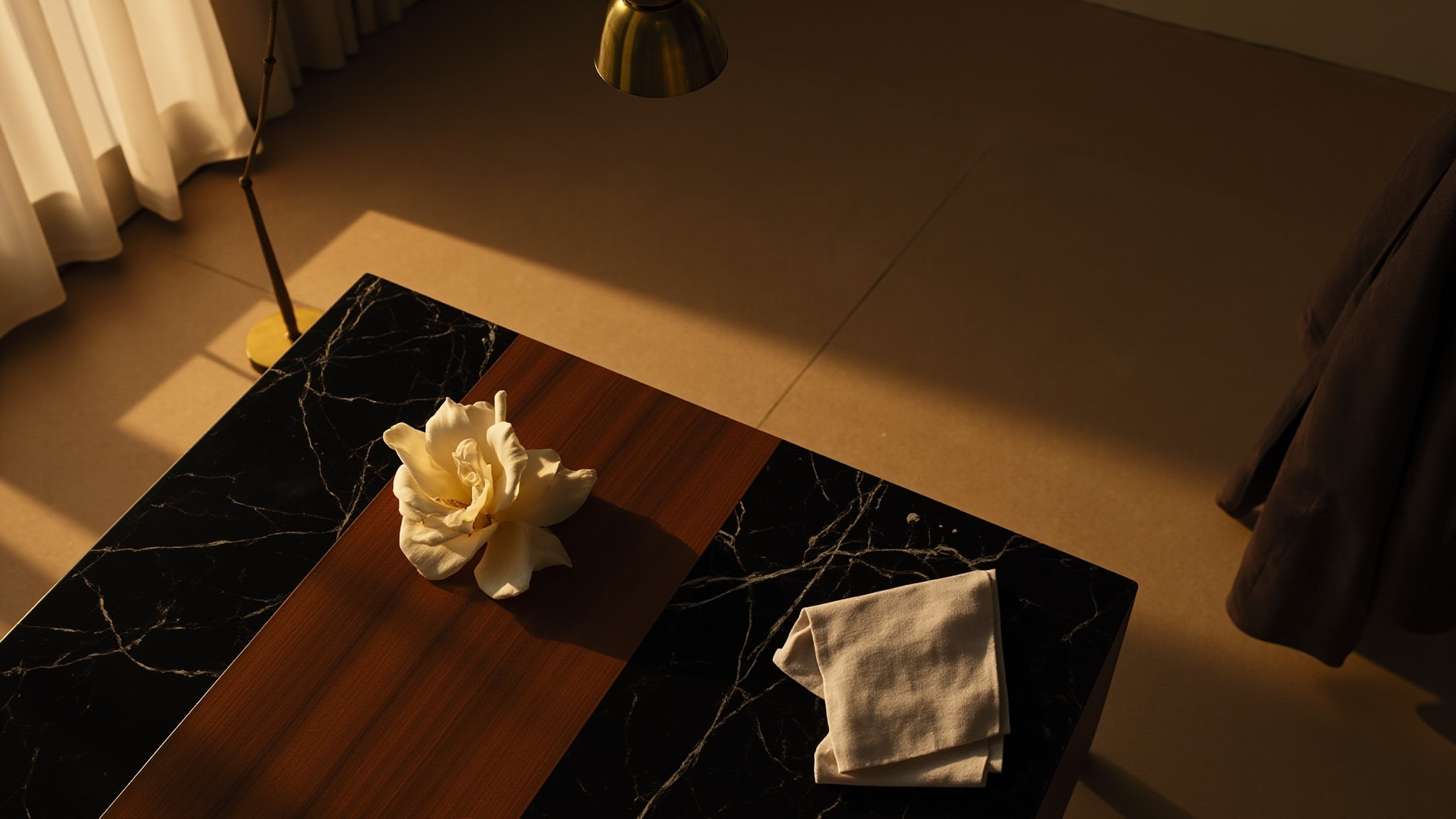
What sets Jardin de Borneo Gardenia apart is its commitment to density over refinement. The gardenia here isn't the polished, dewy soliflore of typical interpretations, it's thick, almost fermented, with green apple and wood-varnish facets that recall the actual smell of the gardenia flower rather than its idealized perfume. Jasmine sambac amplifies the tropical humidity. The Borneo oud and civet in the base don't whisper, they push the composition into territory that makes this feel less like a fragrance and more like standing inside a humid greenhouse at dusk, surrounded by blooms going to seed.
The evolution
The opening hits with gardenia and jasmine sambac in a lush, slightly fermented flourish, like night-blooming flowers in a greenhouse. Over the next several hours, the gardenia reasserts itself alongside tuberose and lavender absolute, creating a rich, narcotic heart that feels almost overwhelming in its intensity. Then Borneo oud, civet, and ambergris arrive. The white florals do not disappear, they slowly release their grip, and what remains is animalic, earthy, intimate. The composition evolves from bright floral opening through a rich, intoxicating heart and into a deeper, more complex drydown that speaks to the skill of the formulation.
Cultural impact
The Jungle de Borneo series began in 2015 with this gardenia-forward composition, followed by tuberose and white ginger lily variations. Each leverages Borneo oud and floral enfleurage in crafting its distinctive character. The oil-based format creates a different wearing experience from alcohol-based perfumes, evolving intimately on each person's skin throughout the day. What emerges is a deeply personal aromatic conversation that unfolds differently across skin chemistries.