Ivory Coast Cocoa
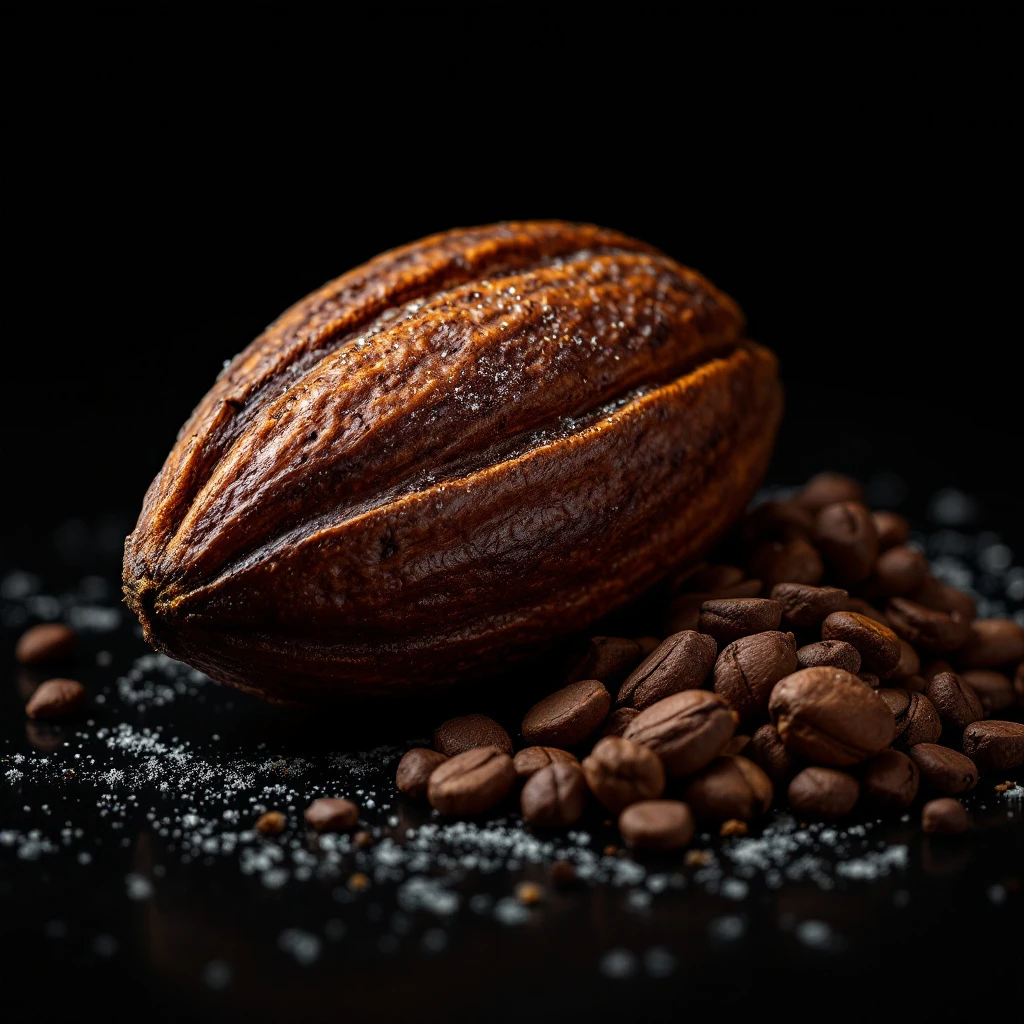
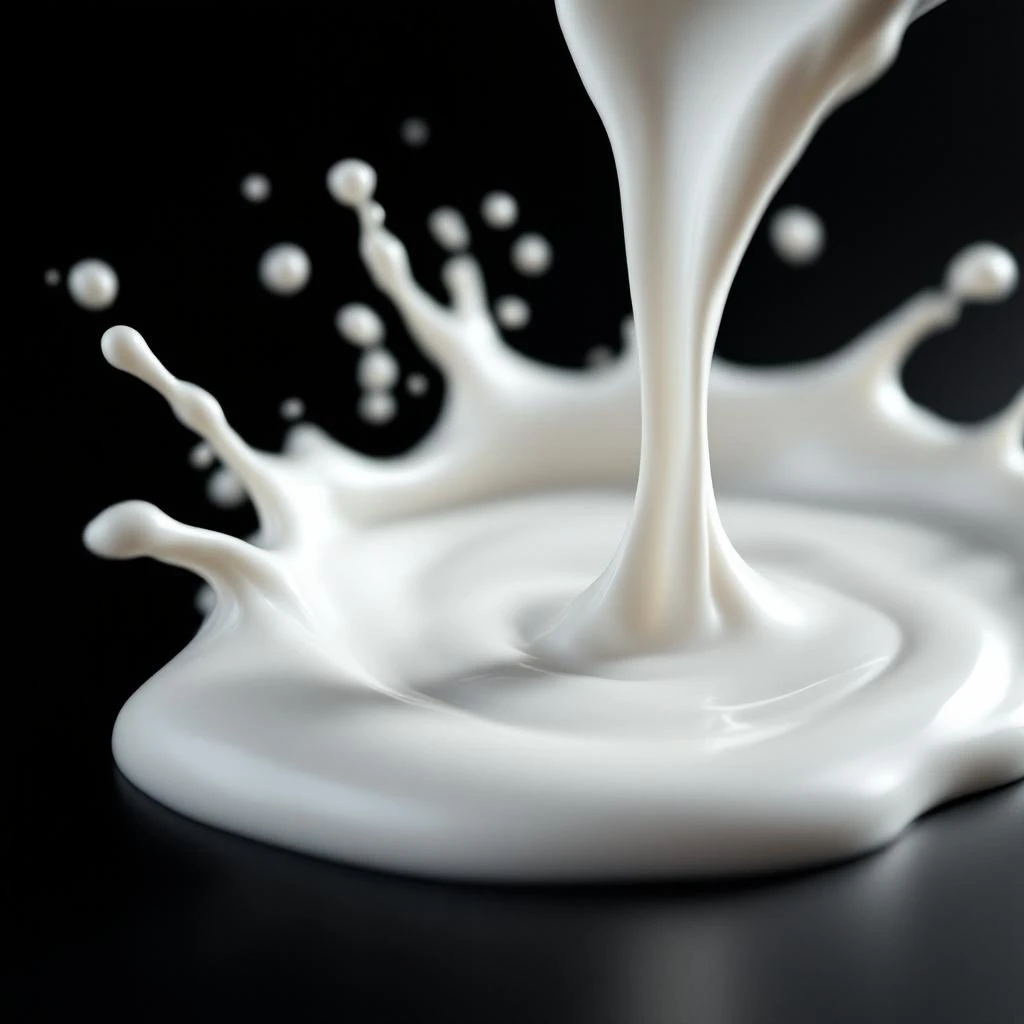
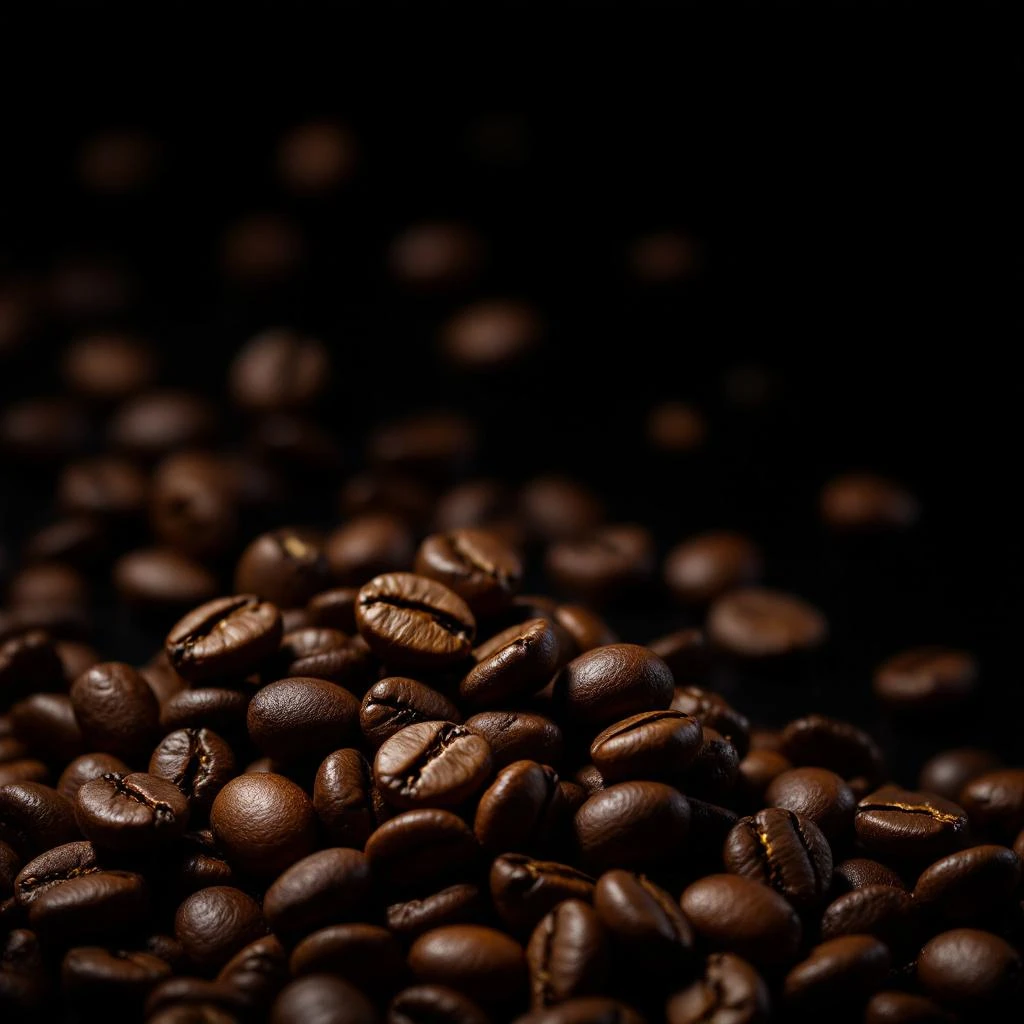
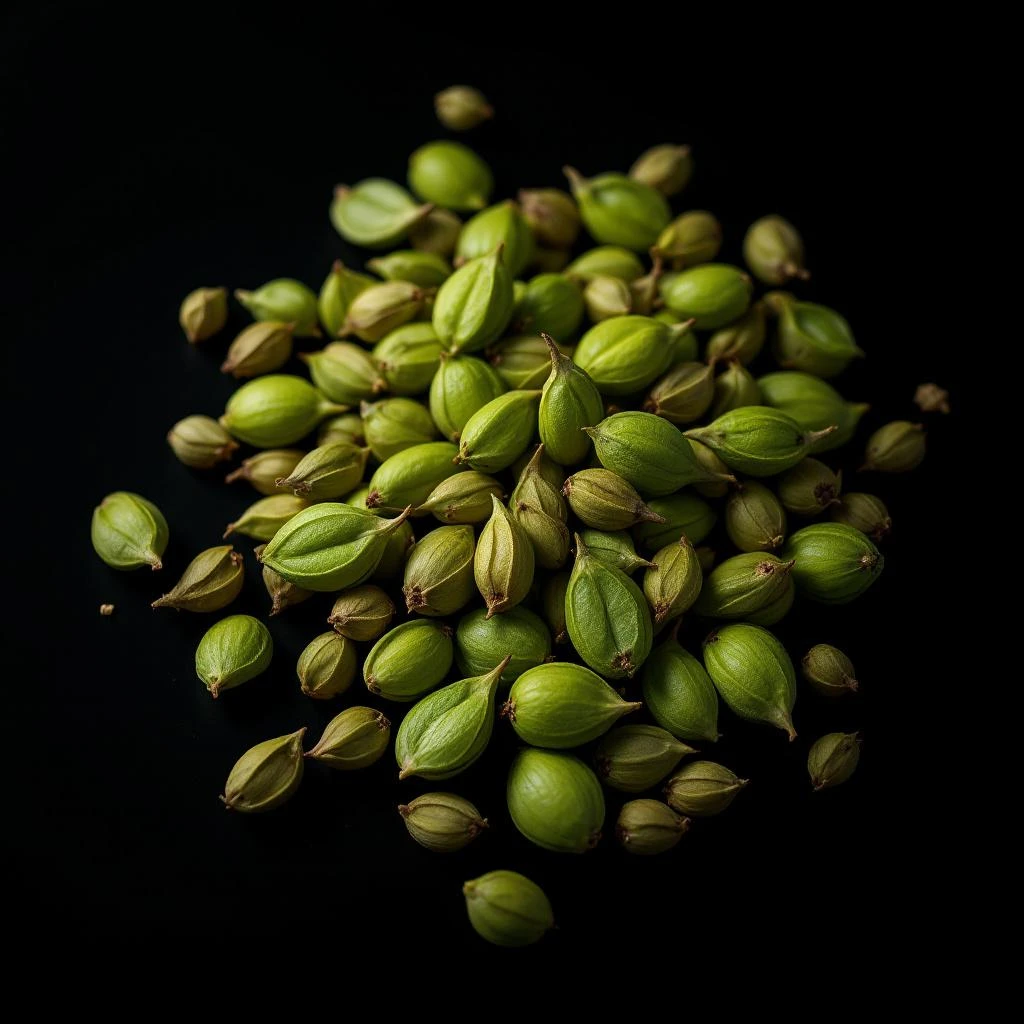
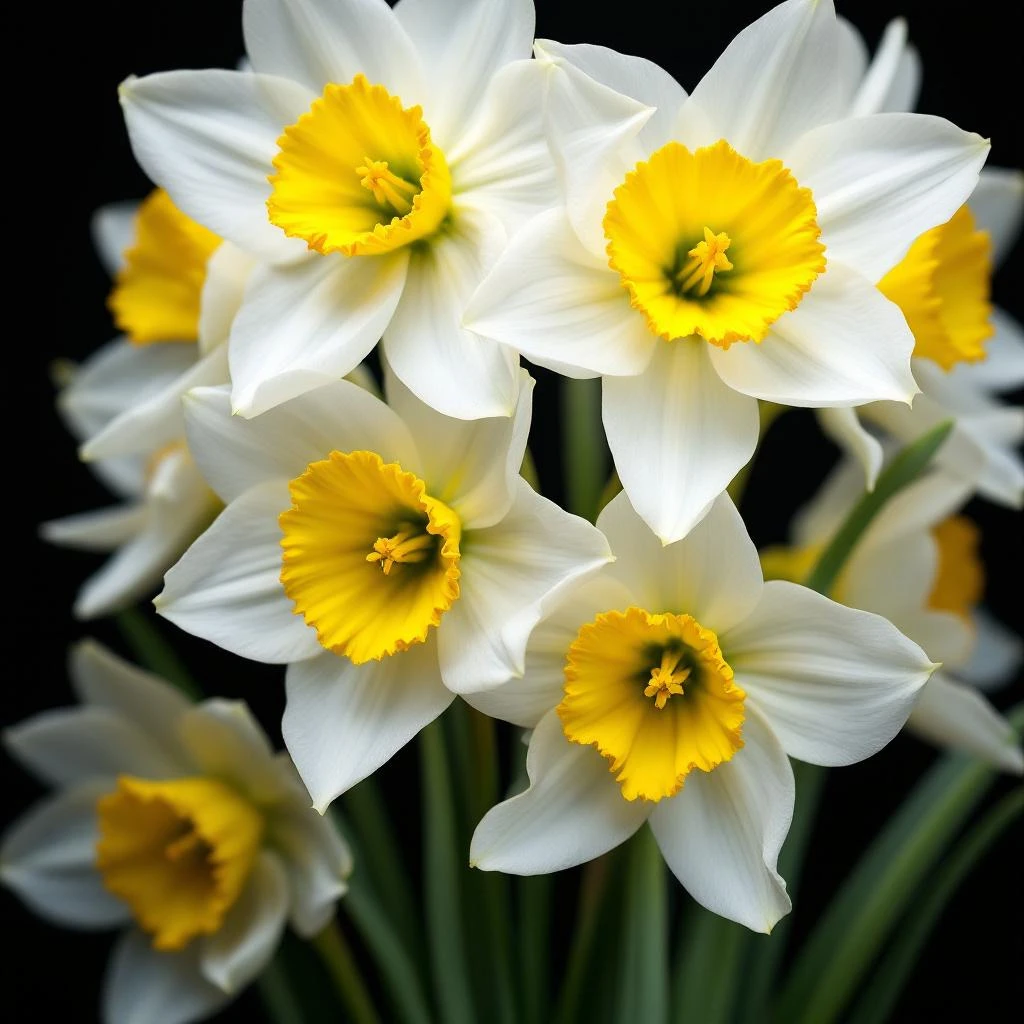
Rich, roasted depth with subtle bitter undertones. Ivory Coast Cocoa is a multifaceted ingredient prized in fine perfumery for its warm, sensual complexity that anchors orientals and gourmand compositions.
Character
How it smells
The world's cocoa capital in every drop.
Theobroma cacao translates to "food of the gods" in Greek, a name bestowed by 18th-century botanist Carl Linnaeus.


Origin
Ivory Coast
French colonists introduced cacao cultivation to Ivory Coast in the late 1800s, establishing plantations along the coastal regions. After gaining independence in 1960, the new nation rapidly expanded cocoa farming inland, particularly in the central and western regions where rainfall patterns proved ideal.
By 1978, Ivory Coast had overtaken Ghana to become the world's leading cocoa producer, a position it has maintained for over four decades. Today, cocoa accounts for approximately 40% of the nation's export revenue, making it foundational to the national economy.
Over two million Ivorian farming families cultivate cacao across smallholder plots averaging 2-3 hectares, using methods passed down through generations. This agricultural heritage combined with optimal growing conditions between 6°N latitude produces beans with a distinctive flavor profile that master perfumers specifically seek out for high-quality fragrance ingredients.
Wears it best
Fragrances featuring Ivory Coast Cocoa
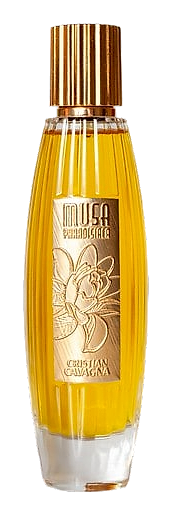
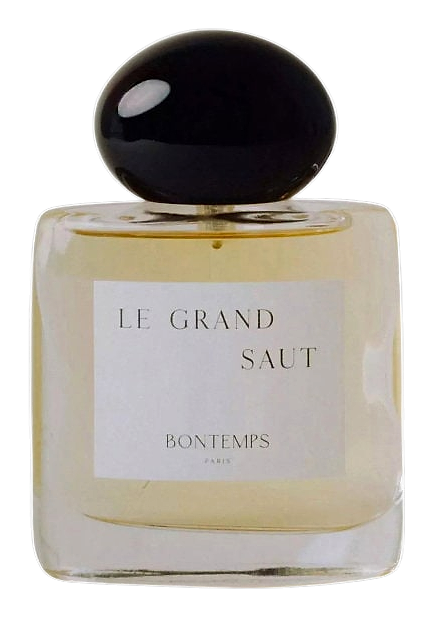
Brands
Brands known for Ivory Coast Cocoa
Good to know
Questions, answered
The essentials on Ivory Coast Cocoa in perfumery: how it smells, where it comes from, and how it behaves on skin.
What does cocoa smell like in perfumery?
Cocoa absolute smells like dark chocolate with roasted, slightly bitter undertones and subtle sweet facets. The fermented and roasted process creates aldehydes and pyrazines that deliver that characteristic chocolate warmth loved in orientals and gourmand fragrances.
Why is Ivory Coast significant for cocoa production?
Ivory Coast produces roughly 40% of the world's cocoa supply, making it the leading global producer since 1978. The nation's climate and soil conditions between 6°N latitude produce beans with a distinctive roasted profile that perfumers specifically seek.
How is cocoa processed for fragrance use?
Cocoa beans ferment for 5-7 days, then dry and roast at 120-150°C before solvent extraction isolates the aromatic concentrate. Roasting temperature directly controls the final scent profile, with darker roasts producing richer chocolate notes.
What makes cocoa a valued perfumery ingredient?
Cocoa absolute provides warm, sensual depth that few ingredients match. Its complex profile of aldehydes, pyrazines, and esters creates a rich chocolate character that anchors oriental fragrances and adds unexpected warmth to floral compositions.
What extraction method produces cocoa absolute?
Solvent extraction using food-grade ethanol or hexane isolates the aromatic concentrate from roasted cacao beans. This method captures a broader range of volatile compounds than steam distillation, preserving the characteristic chocolate warmth.
How do growing conditions affect cocoa scent?
Latitude, rainfall, and soil composition all shape bean flavor. Ivory Coast's equatorial position between 6°N provides consistent humidity and temperatures that develop the balanced acid and sugar profiles perfumers require.
What fragrance families pair well with cocoa?
Cocoa absolute harmonizes with vanilla, amber, and sandalwood in oriental compositions. It also adds unexpected warmth to rose and jasmine florals, and provides sensual depth to leather and tobacco accords.
Is natural cocoa absolute better than synthetic alternatives?
Natural cocoa absolute contains hundreds of volatile compounds that interact to create complexity synthetic aroma chemicals cannot fully replicate. Natural extracts offer the layered, roasted character that defines authentic chocolate notes in fine fragrances.




