Milky Notes
Milky notes evoke the soft, creamy warmth of fresh milk through synthesized lactones, creating comforting and skin-like accords central to modern perfumery.
Character
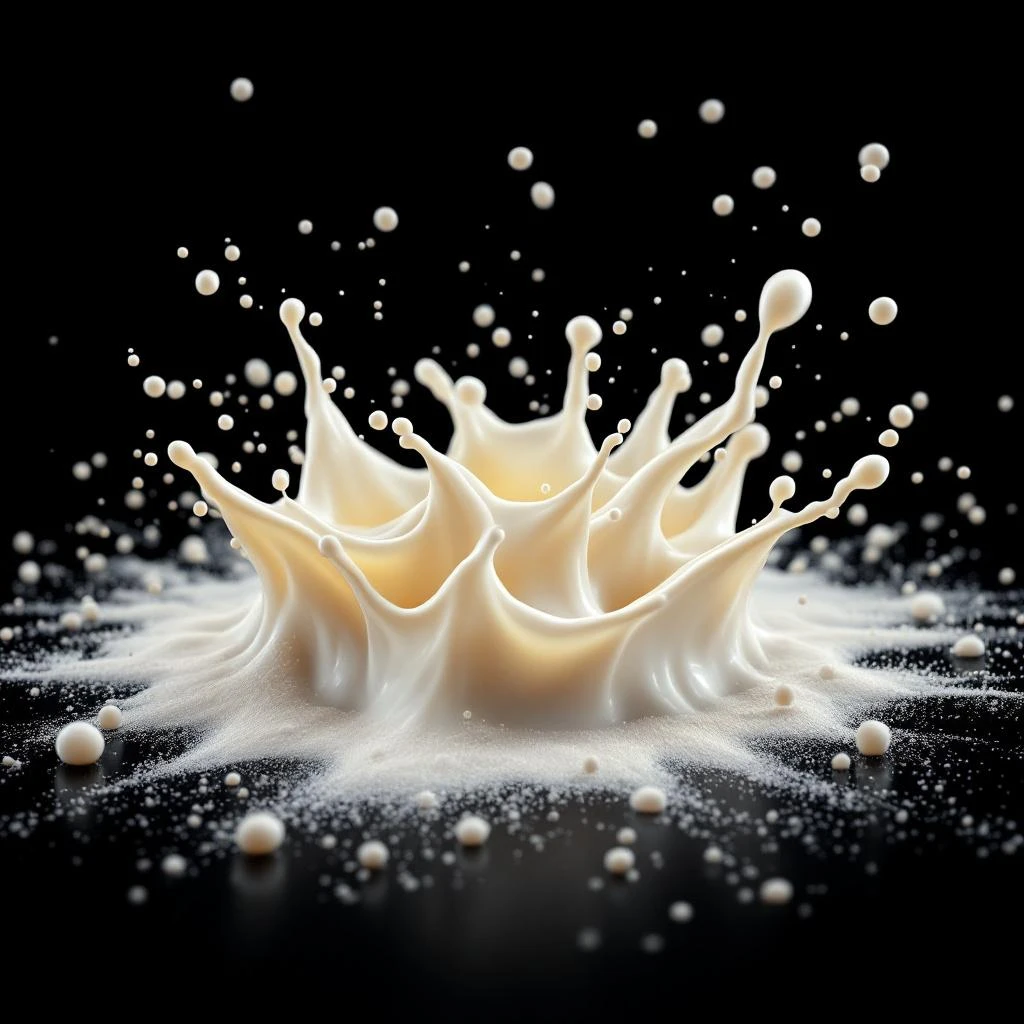
How it smells
The soft warmth of cream, distilled synthetically.
The word "lactonic" derives from Latin "lac" meaning milk, referencing the chemical compounds that replicate dairy sweetness.






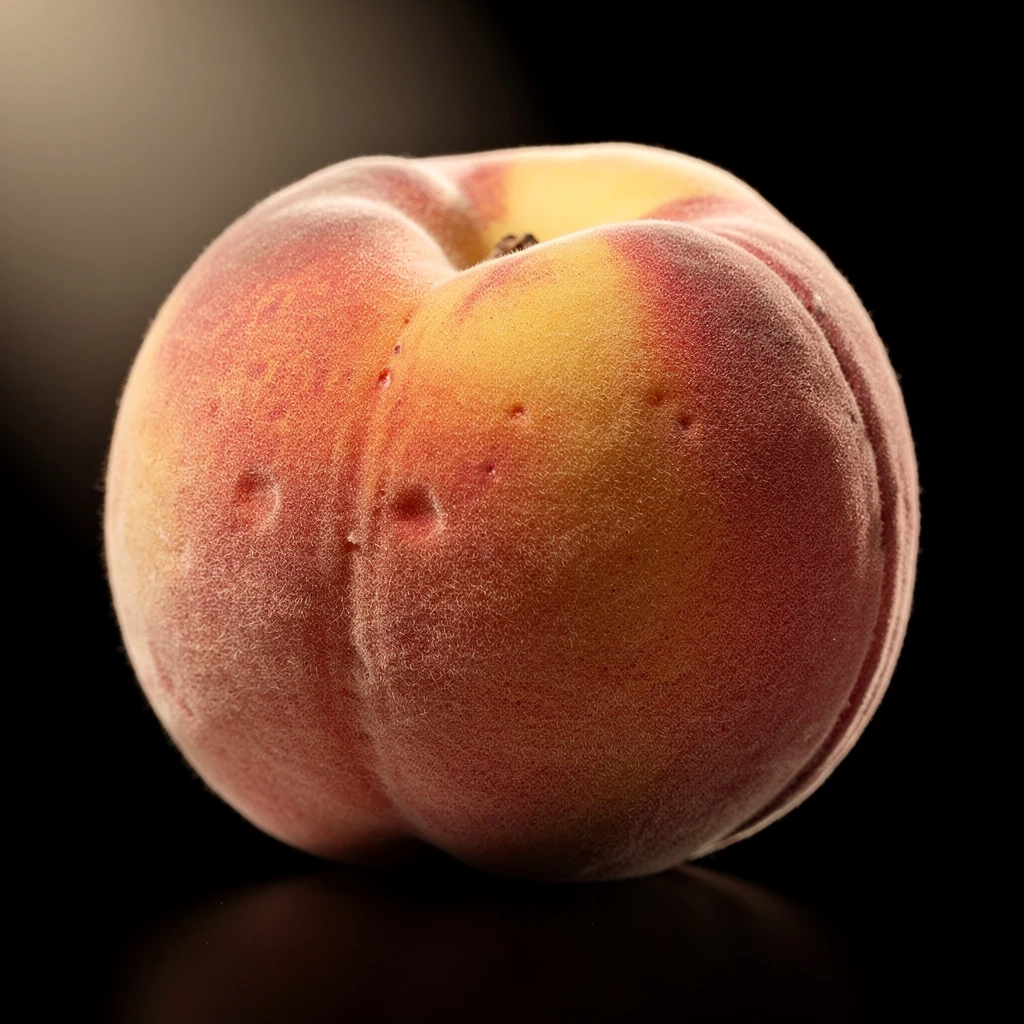

Origin
France
The use of milk in fragrance stretches back to ancient civilizations. Greek and Roman women blended natural milk with essential oils to create soothing, aromatic preparations for bathing and skincare. However, these early applications relied on actual dairy, which limited both shelf life and consistency.
The pivotal shift occurred in the 19th century as organic chemistry advanced. By the mid-20th century, synthetic lactones allowed perfumers to capture the essence of milk without employing any dairy materials. This development transformed milky notes from a novelty ingredient into a reliable building block, particularly valued for softening floral compositions and adding warmth to skin accords.
Today, synthetic lactones form the foundation of virtually all milky fragrances, honoring the ancient tradition through modern chemistry.
Wears it best
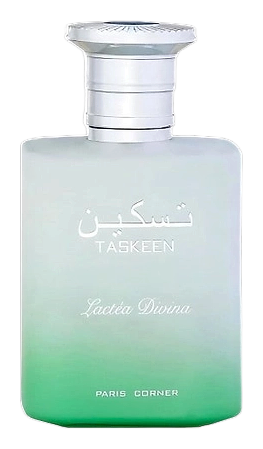
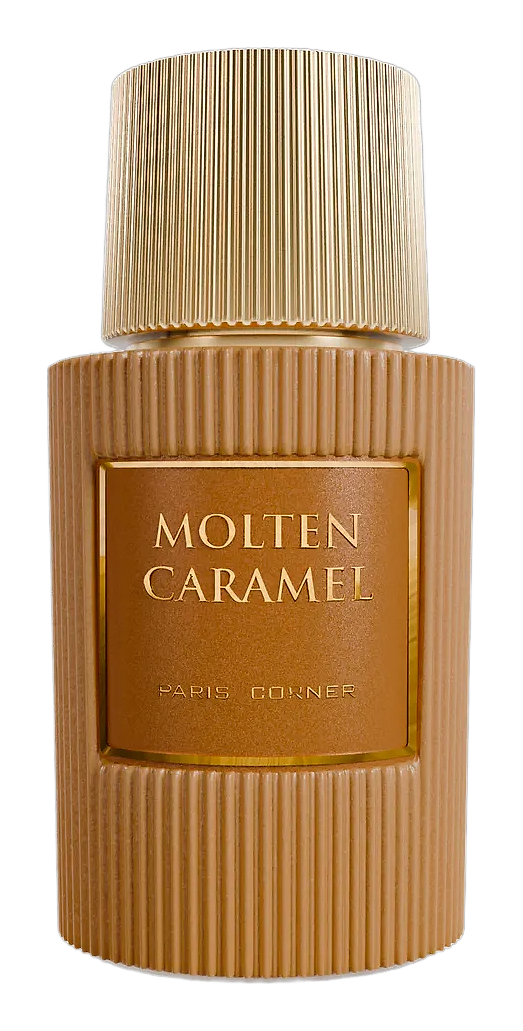
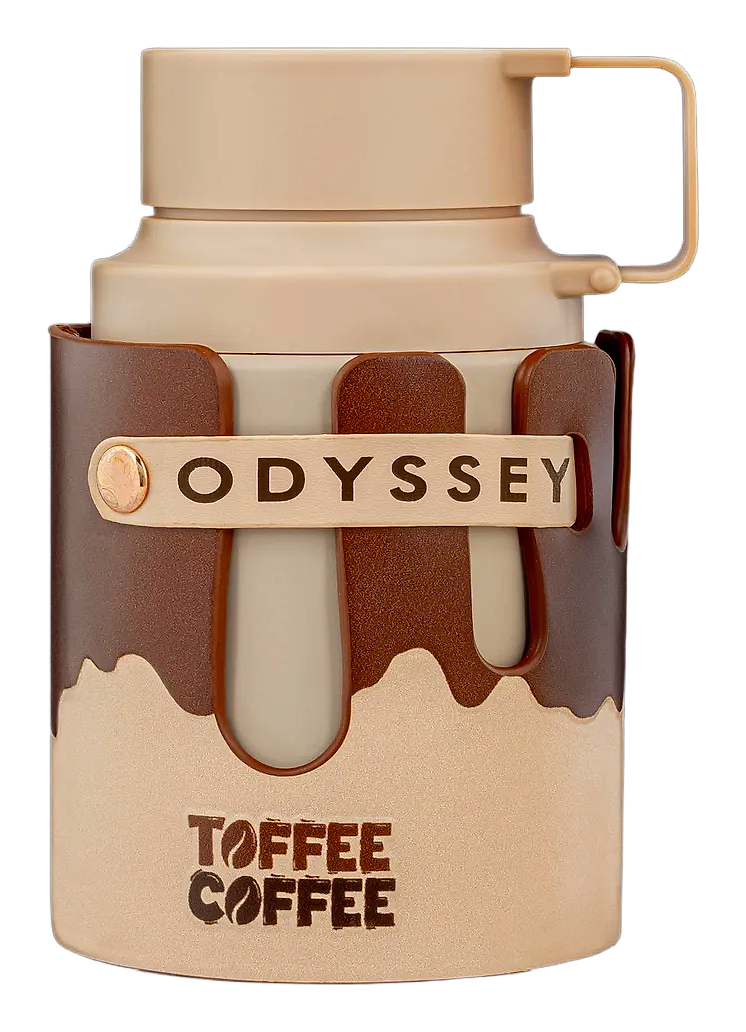
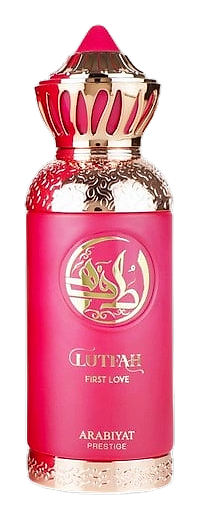
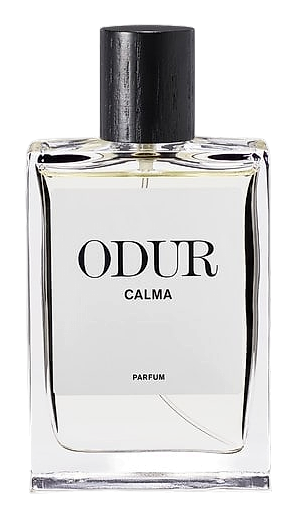
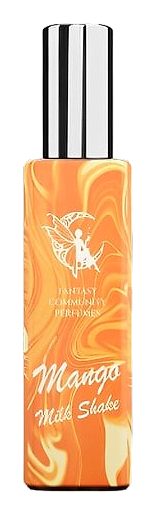
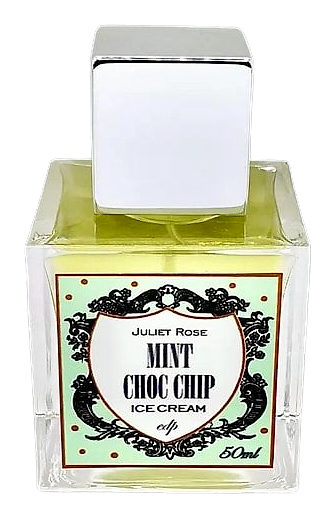
Fragrances featuring Milky Notes
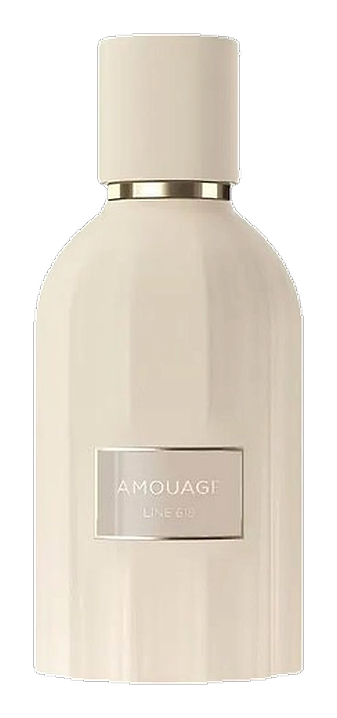
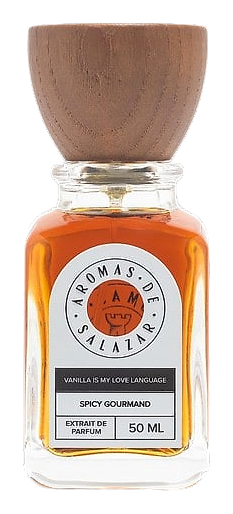
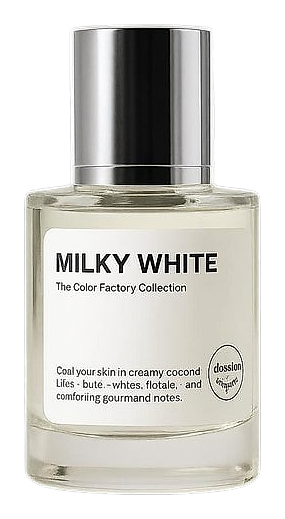
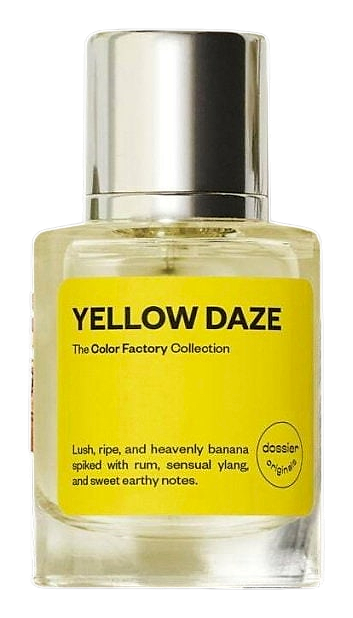
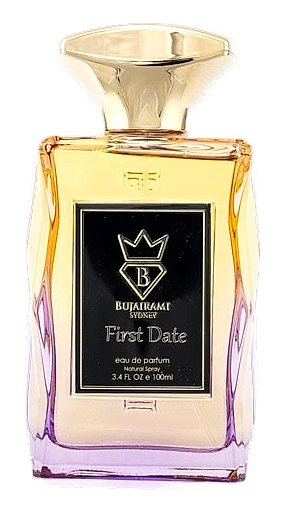
Brands
Brands known for Milky Notes
Good to know
Questions, answered
The essentials on Milky Notes in perfumery: how it smells, where it comes from, and how it behaves on skin.
Are milky notes in perfume made from real milk?
No. Modern milky notes are synthesized using lactones and other aroma chemicals. Actual dairy would spoil and lack the consistent character perfumers require.
What chemical compounds create the milk scent?
Lactones, particularly gamma-decalactone and gamma-undecalactone, form the backbone of most milky accords. These compounds deliver the sweet, buttery character associated with fresh milk.
How do milky notes behave on skin?
Milky notes soften and warm as they develop, creating an intimate skin-like quality. They typically last 4-6 hours and blend seamlessly with skin chemistry.
What fragrances showcase milky notes prominently?
Clean Skin Milk and Byredo La Tulipe feature prominent milky accords. Oriental fragrances often use milk-like lactones to soften their spice and resin elements.
Are milky notes considered vegan?
Yes. Since milky notes are synthesized from non-animal sources, they are typically vegan. Always verify with specific brands regarding other ingredients.
What scent families pair well with milky notes?
Milky notes complement oriental, woody, and powdery compositions. They soften sharp florals and add depth to fresh, clean fragrance profiles.
Can milky notes smell different across fragrances?
Absolutely. Concentration and combination determine the character. Light lactones read as fresh cream; heavier applications create yogurt or condensed milk impressions.
When did synthetic milky notes first appear?
Synthetic lactones emerged in the early 20th century alongside other aromatic chemicals like vanillin and coumarin, becoming widespread by the 1950s.