Hungarian Clary Sage
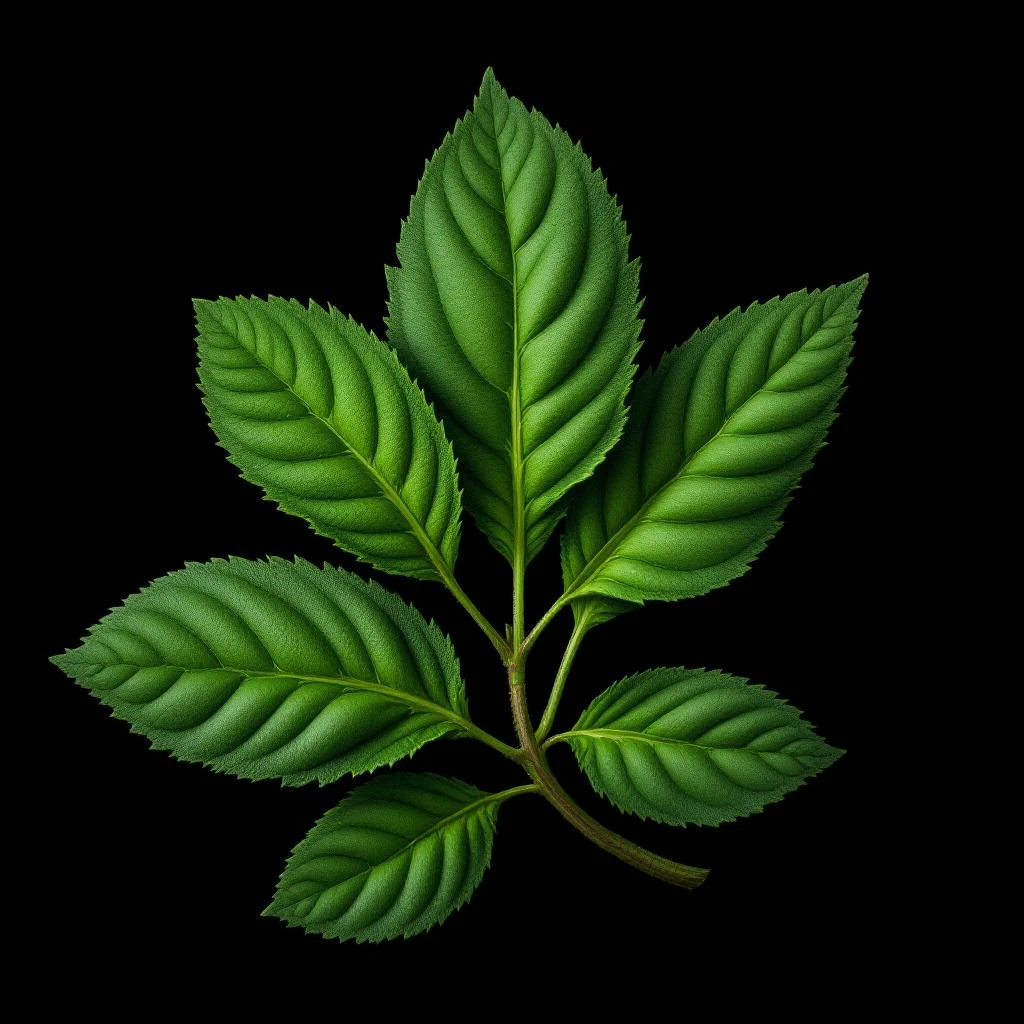
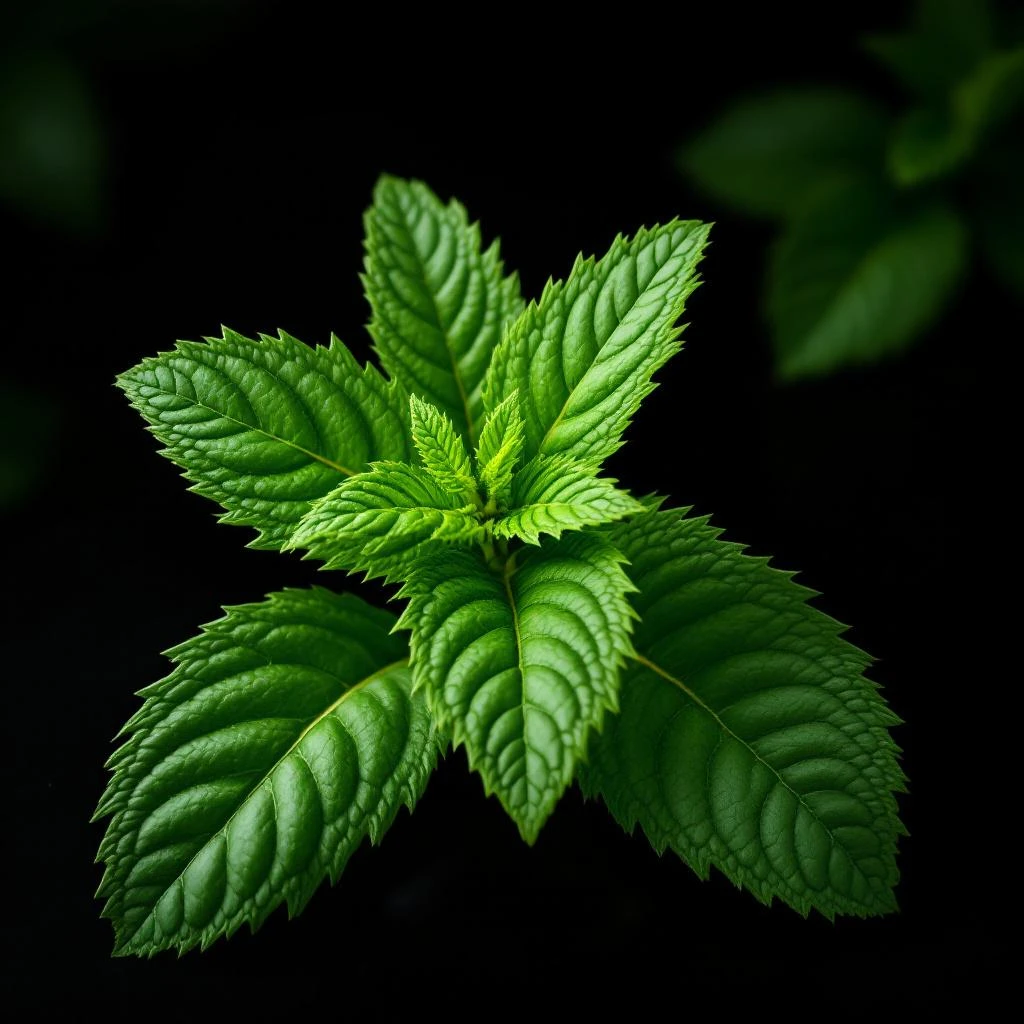
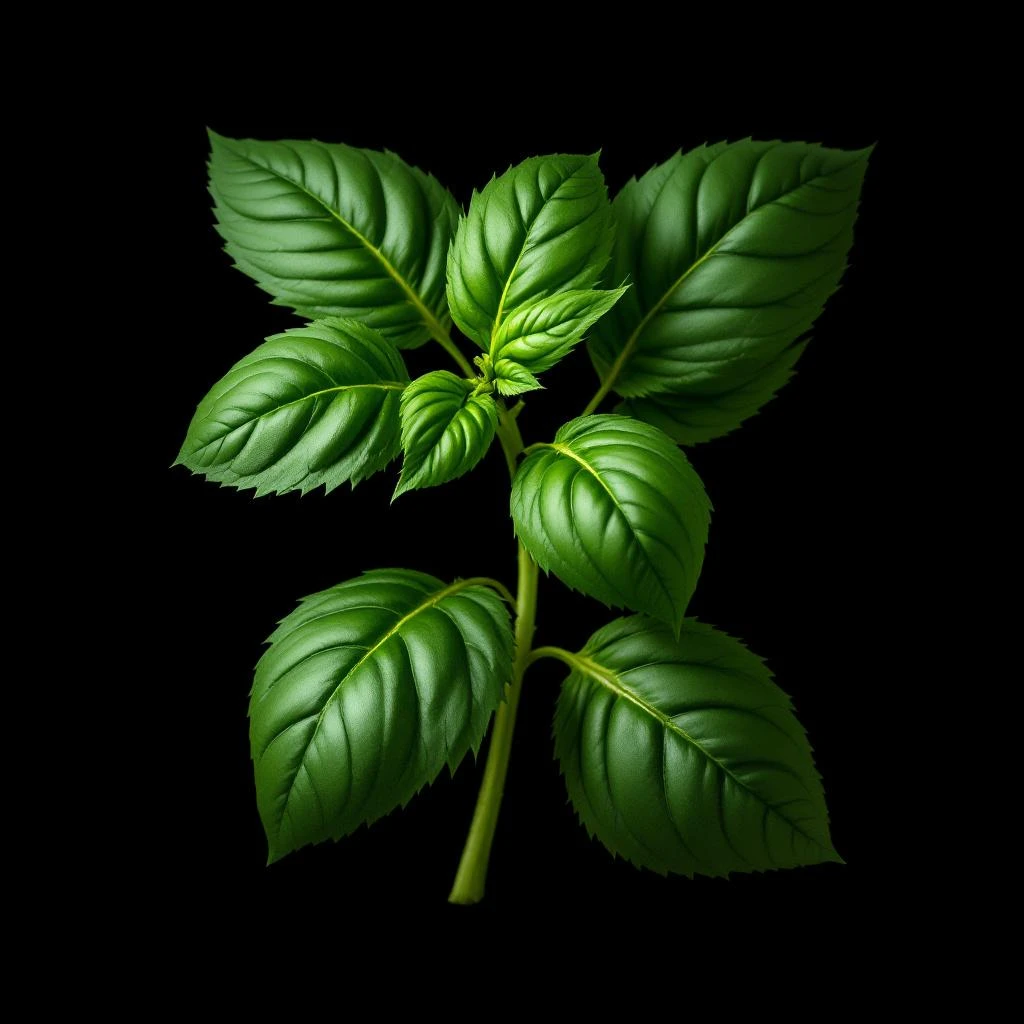
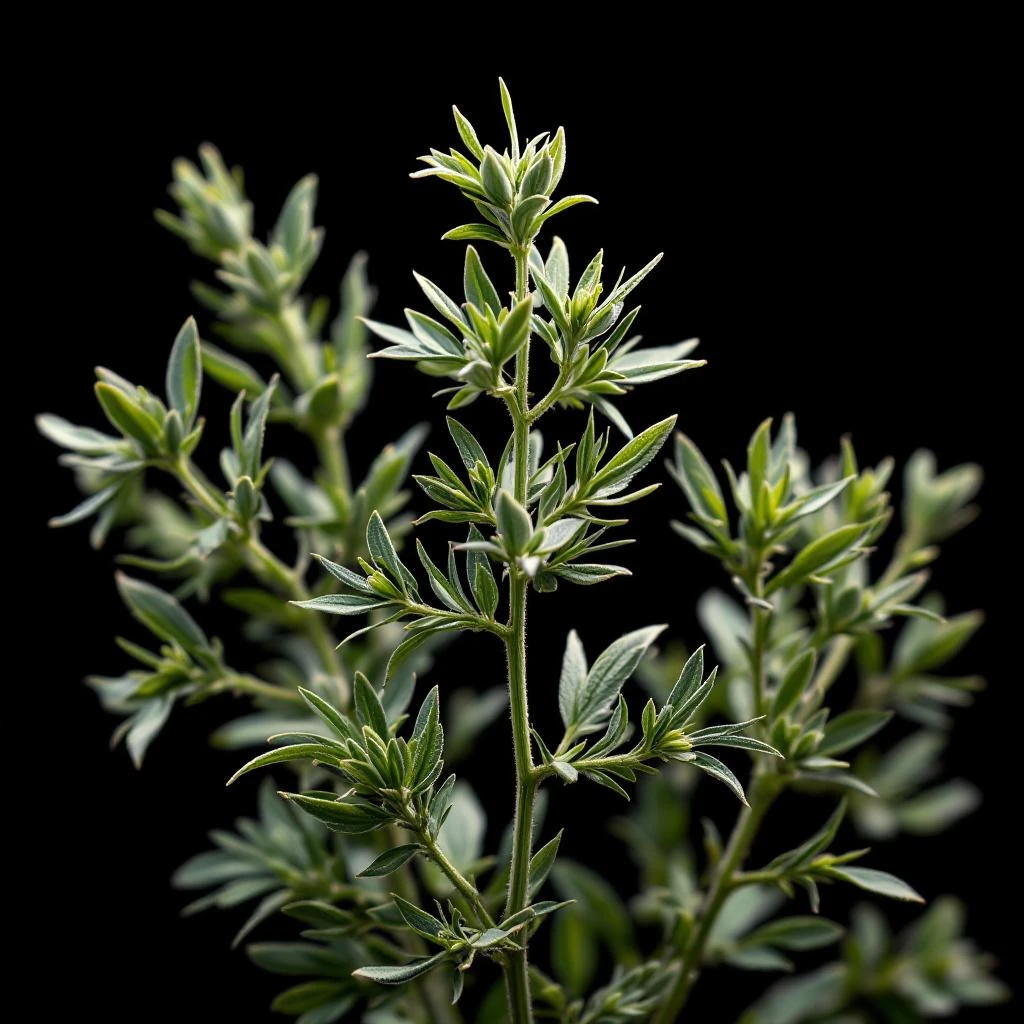
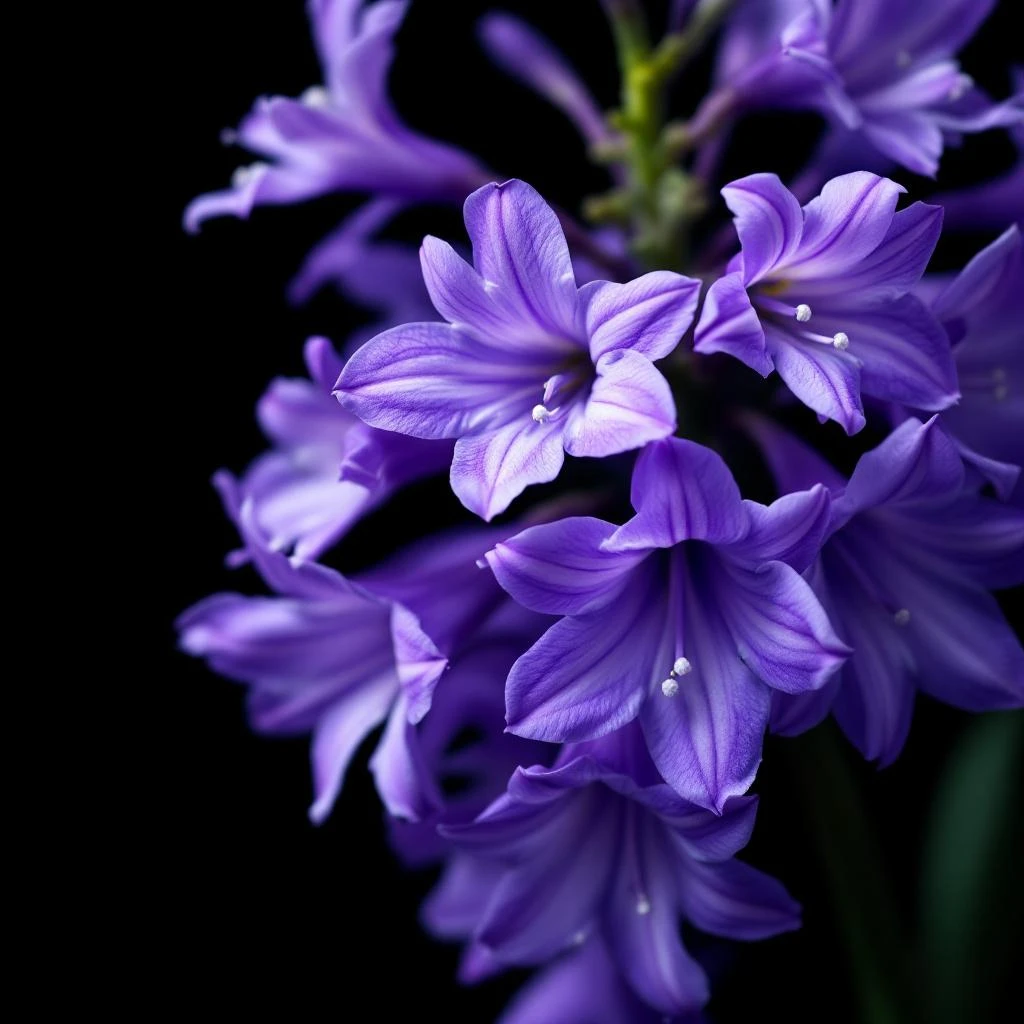
Hungarian Clary Sage offers a herbaceous, musky aroma with faint sweetness and subtle floral notes, shaped by the flowering tops and upper leaves of Salvia sclarea.
Character
How it smells
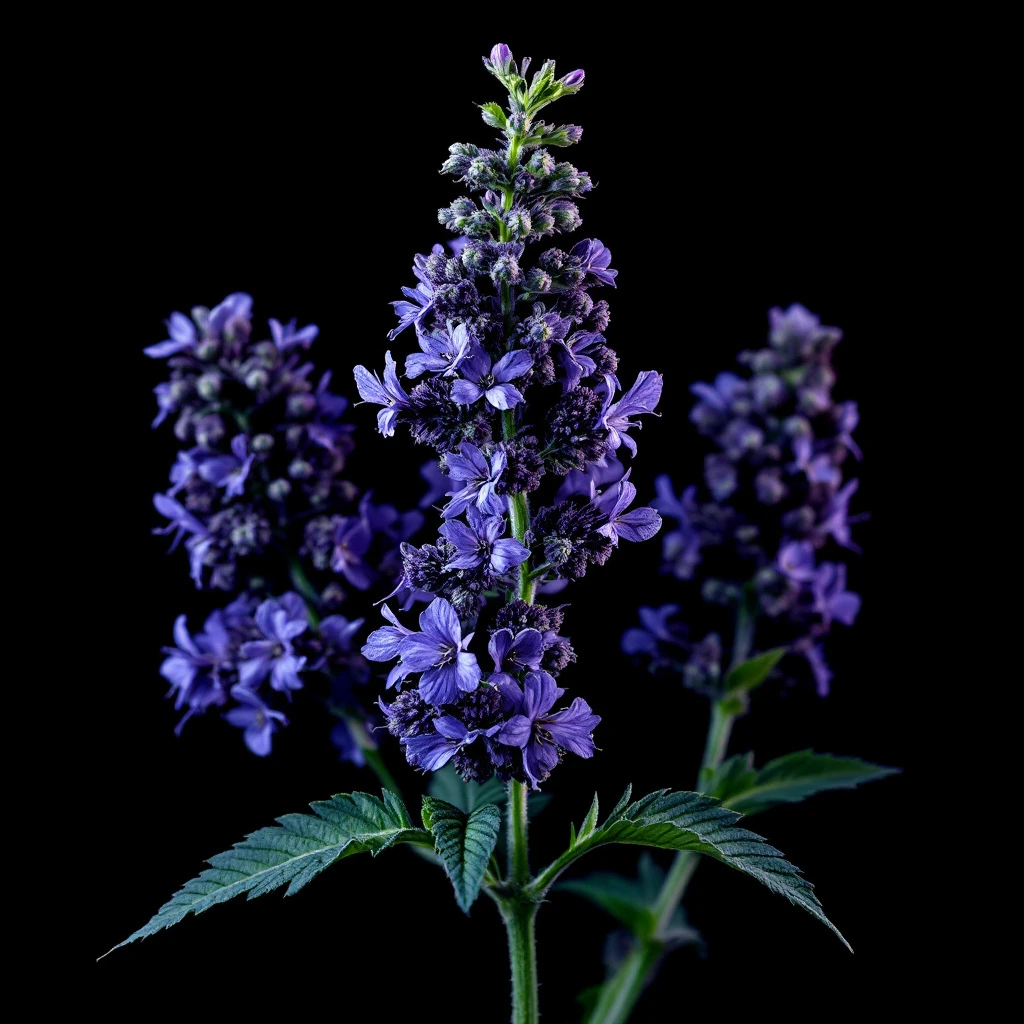
A soft, musky sage note with herbal depth and quiet floral warmth.
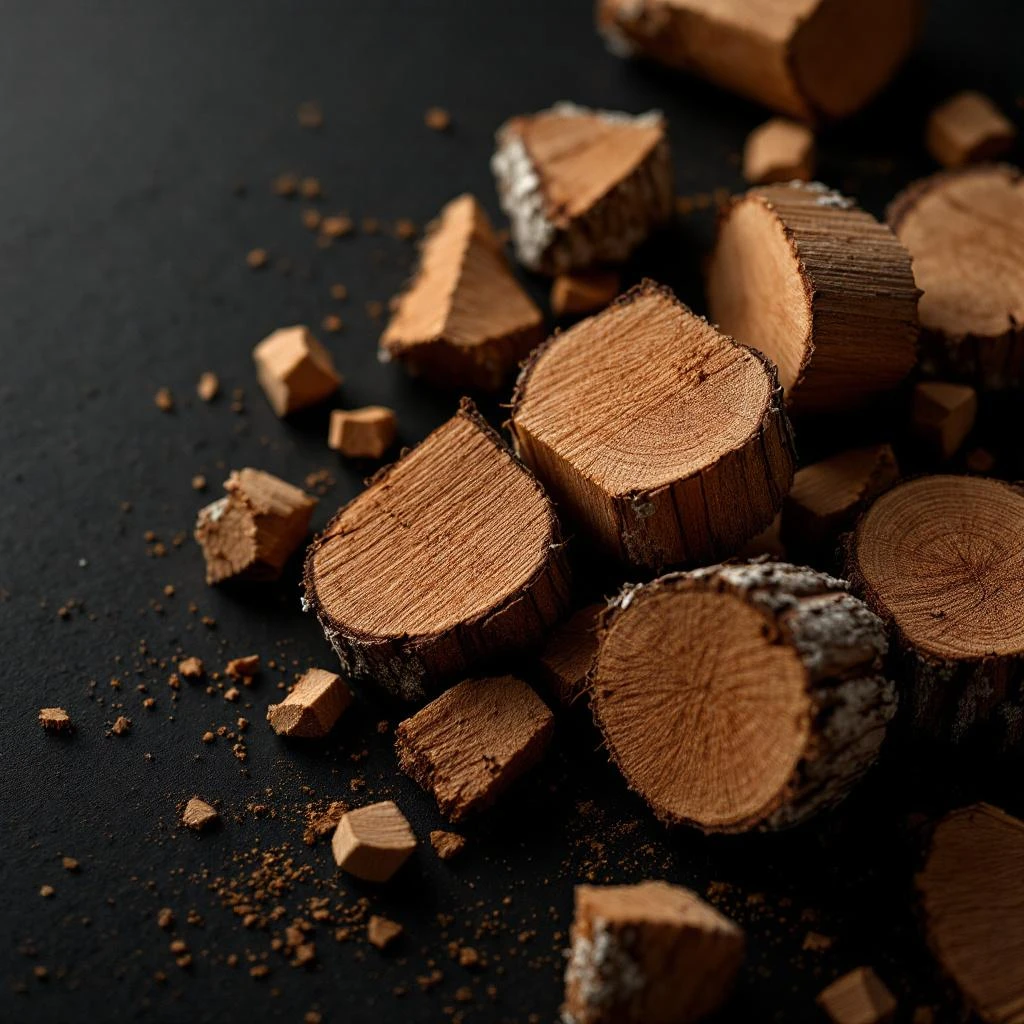
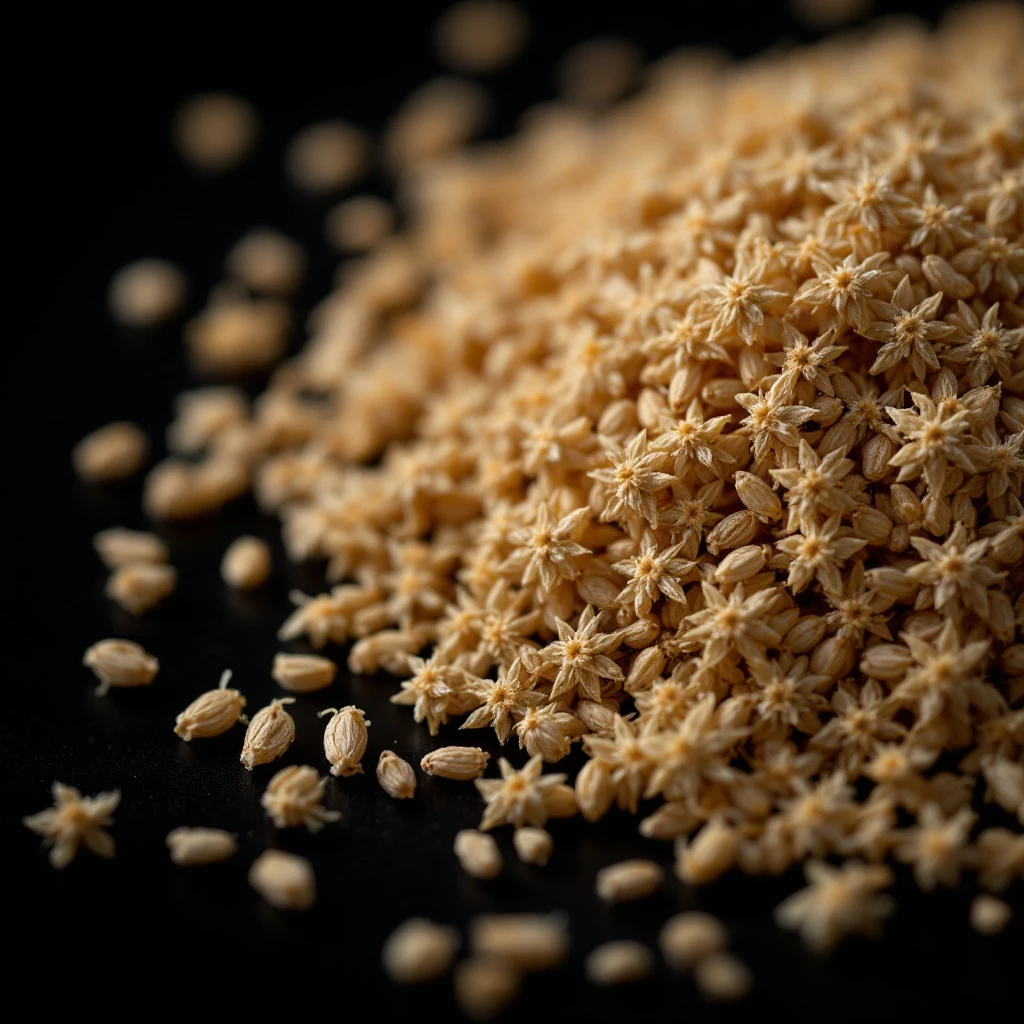
Clary sage oil is valued for its musky character and is often associated with the fragrant flowering tops and upper leaves rather than dried roots.
Origin
Hungary
Clary sage has a long history as a fragrant medicinal herb, valued in European traditions for its aroma and its use in herbal preparations. Its name is commonly associated with Salvia sclarea, a species distinct from the sharper-leaved sages used in some kitchens. In perfume, clary sage became valued for the rounded, musky character found in its essential oil.
Production centers have included France and several other regions where the plant is cultivated, including Hungary, the United States, China, and Ukraine. The oil gained a lasting place in modern perfumery because it adds complexity without behaving like a simple fresh herbal scent. Today, clary sage is used as a supporting note in compositions where a soft, powdery, herbaceous effect is wanted.
Its natural variation remains central to the character and identity of the ingredient.
Wears it best
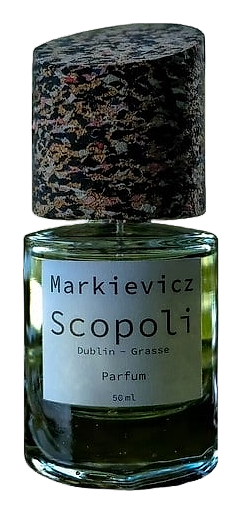
Fragrances featuring Hungarian Clary Sage
Brands
Brands known for Hungarian Clary Sage
Good to know
Questions, answered
The essentials on Hungarian Clary Sage in perfumery: how it smells, where it comes from, and how it behaves on skin.
What does Hungarian Clary Sage smell like?
Hungarian Clary Sage smells herbaceous and musky, with faint sweetness and subtle floral facets. The essential oil is obtained mainly from the flowering tops and upper leaves.
Is Clary Sage the same as common sage?
No. Clary sage refers to Salvia sclarea, while common culinary sage usually comes from other Salvia species. Their aromas differ, and clary sage is especially valued in perfumery for its musky profile.
How is Clary Sage essential oil made?
It is usually made by steam-distilling the flowering tops and upper leaves. Steam carries volatile compounds from the plant material, which are condensed into essential oil.
Why is Clary Sage used in perfume?
It adds a rounded musky and herbal character that can soften sharper aromatic ingredients. The oil also brings faint sweetness and light floral depth to a composition.
What part of the Clary Sage plant is used?
Perfume-grade clary sage oil is primarily extracted from the flowering tops and upper leaves. These aromatic plant parts contain the volatile compounds responsible for the oil's character.
Does Clary Sage oil come only from France?
No. France is a well-known production origin, but clary sage is also cultivated in countries including Hungary, the United States, China, and Ukraine. Origin can affect the oil's composition and aroma.
Is Hungarian Clary Sage suitable for natural fragrances?
Clary sage oil can be used in natural fragrance formulations when it meets the required sourcing and ingredient standards. Its suitability depends on the specific extraction, composition, and regulatory status.
Can Clary Sage be blended with citrus notes?
Yes. Its musky, herbal facets can balance the brightness of citrus, creating a softer aromatic contrast. The pairing also allows the clary sage note to provide depth rather than dominating the blend.