Heritage
A house, in its own words
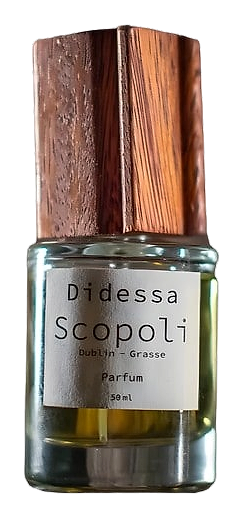
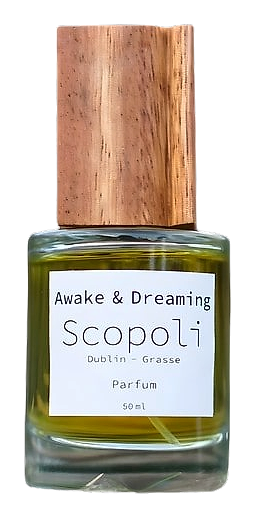
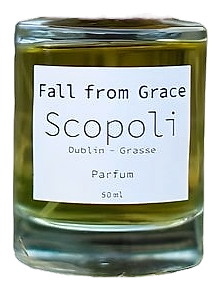
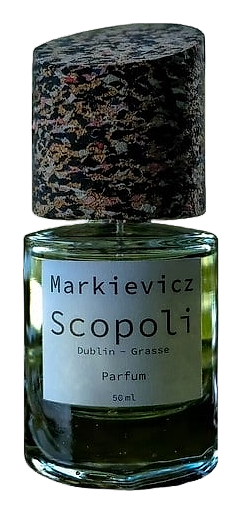
Scopoli draws its identity from a meeting of Irish and French perfume culture. Public descriptions place the creative practice across Dublin and Grasse, pairing an artisanal Dublin perfumery with expertise associated with the historic French perfume town. The name points toward Giovanni Antonio Scopoli, an Italian physician and naturalist who spent much of his career in what is now the Czech Republic and is remembered for contributions to mineralogy, botany, and entomology. Scopoli’s own positioning treats this reference less as a literal corporate history and more as an intellectual inheritance, linking fragrance-making to observation, classification, and the natural world. The available material does not establish a founding date, named founder, or a documented sequence of early milestones. The earliest clearly dated collection information supplied for the brand lists Didessa, Fall From Grace, Awake & Dreaming, and Markievicz in 2021. Because independent sources are limited, it is safest to describe Scopoli as a Dublin and Grasse fragrance house whose public story emphasizes place, craft, and a cross-cultural identity rather than assign a precise founding year or founder biography. Scopoli’s creative direction is presented through a clear tension between natural materials and composed fragrance. Its fragrances are described as original and unisex, avoiding a conventional split between floral, masculine, and feminine scent families. That approach places attention on the structure and atmosphere of a perfume rather than its intended wearer. The house connects Dublin with Grasse, two distinct centers associated respectively with an artisanal perfumery and a long perfume-making tradition. This geographic pairing gives the brand a concise creative frame: Scopoli composes in Dublin while drawing on the materials and perfumery culture associated with Grasse. The name Scopoli reinforces a scientific, exploratory reading of scent. It suggests close attention to the origins of raw ingredients and to the relationships between aromatic materials, rather than decoration alone. The available sources also mention reclaimed hardwoods and sustainably sourced natural ingredients, though they do not provide a detailed sourcing policy or specific supplier list. As a result, Scopoli’s philosophy can be defined as place-led and material-conscious, with a preference for small-batch fragrance and a broadly wearable unisex format.