

Heritage
A house, in its own words
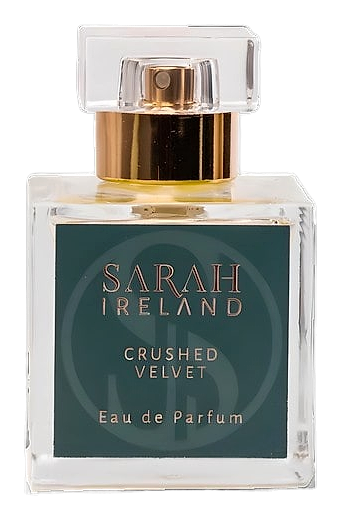
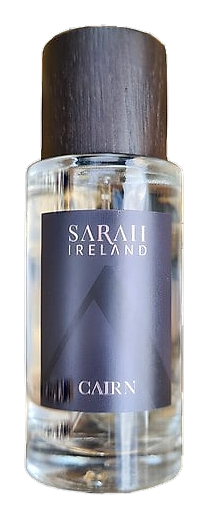
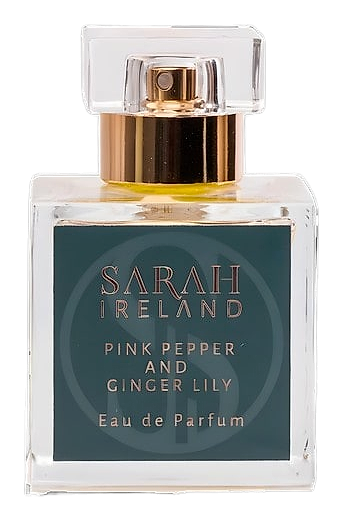
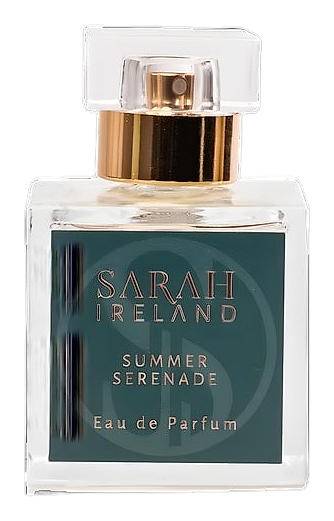
Sarah Ireland Perfumes began in 2018 under the creative direction of its namesake, Sarah Ireland, a self-taught perfumer based in Dublin. The inaugural collection arrived in June with four fragrances built around the theme of escapism. Rather than treating perfume as a single decorative gesture, Ireland framed each composition as an invitation into a distinct story. Pink Pepper and Ginger Lily, Keahia, and Summer Serenade all appeared in 2018, while Crushed Velvet joined the range in the same year. That launch remains the clearest defining chapter in the house’s short history: a compact debut built around narrative, imagination, and scent. The brand later expanded its catalogue with Speranza in 2021 and Cairn in 2022. This growth kept the central idea intact while showing how a small range can develop over time. Sarah Ireland also developed a broader fragrance practice through bespoke commissions and workshops, giving clients a role in shaping compositions for them. External coverage has identified Ireland as both founder and head perfumer, while interviews and editorial profiles have described her as self-taught. These details trace a house shaped by one practitioner’s authorship rather than a conventional inherited perfume name. Sarah Ireland Perfumes has also received recognition beyond independent retail coverage. An interview profile described the line as a Fragrance Foundation award finalist. That claim is retained here with the qualification used by the source, since the specific category and year were not supplied in the available material. The house’s history remains brief and recent, but its founding collection, later releases, and move into bespoke services form a clear progression from personal perfumery into a fuller creative practice. The house’s creative philosophy centers on fragrance as a means of escape and self-definition. Its first four scents were introduced as stories of escapism, presenting perfume as something that can transport the wearer elsewhere, mentally or emotionally. Sarah Ireland does not appear to describe this through one fixed olfactive family or a single decorative mood. Instead, the early range moved between pepper and ginger lily, the named landscape of Keahia, summer imagery, and the tactile character of crushed velvet. This variety supports a more narrative approach, in which scent acts as a narrative device rather than a simple accessory. That idea is especially clear in the titles. Cairn suggests stone and open terrain, Speranza carries the Italian word for hope, and the other names combine a sensory note, a place, a season, or a texture. The names give each fragrance an entry point without fully prescribing how it should be interpreted. They invite association while leaving room for the wearer’s own memory and imagination. The house’s broader values are presented through its cruelty-free and vegan commitments, alongside its stated concern for sustainability. These positions align the brand with a more deliberate form of consumption, where personal expression and considered production are treated as connected aims. Bespoke fragrances and workshops add another dimension. They make the creative process more participatory, allowing scent to be developed around an individual story, preference, or setting rather than chosen only from a fixed shelf. In this way, Ireland’s practice treats perfumery as both composition and conversation.