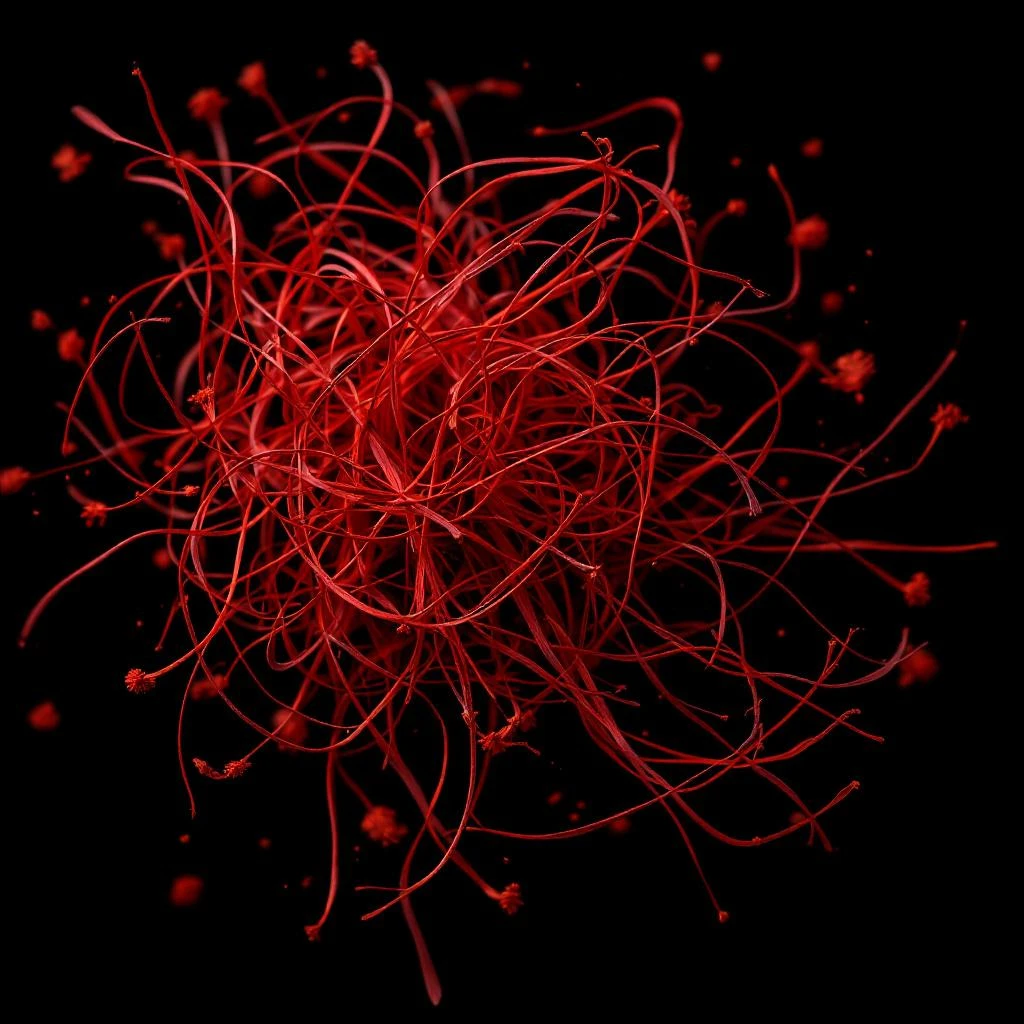
Austrian Caraway
Austrian caraway brings a crisp, peppery spice note built from dried fruit and its volatile oil, lending modern perfume a precise herbal brightness.
Character
How it smells
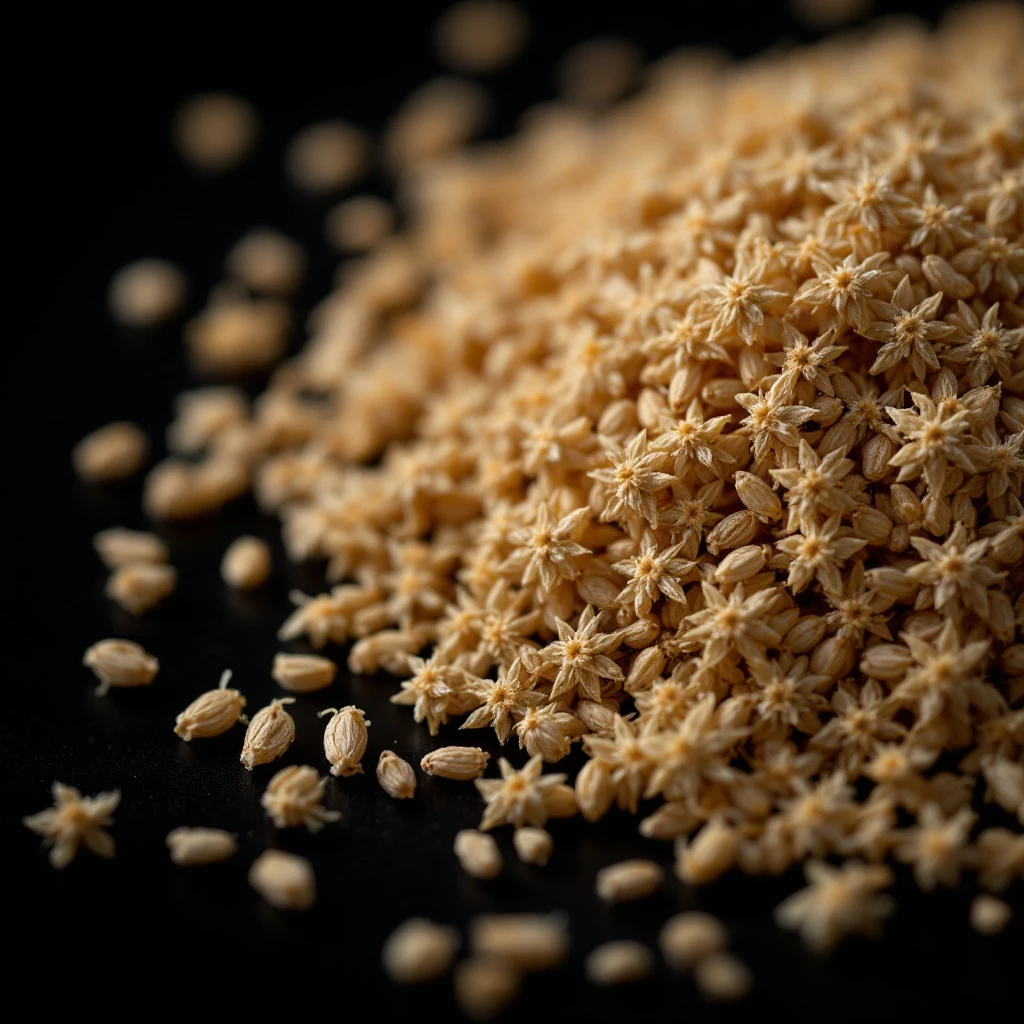
Spicy, herbal, and quietly sharp
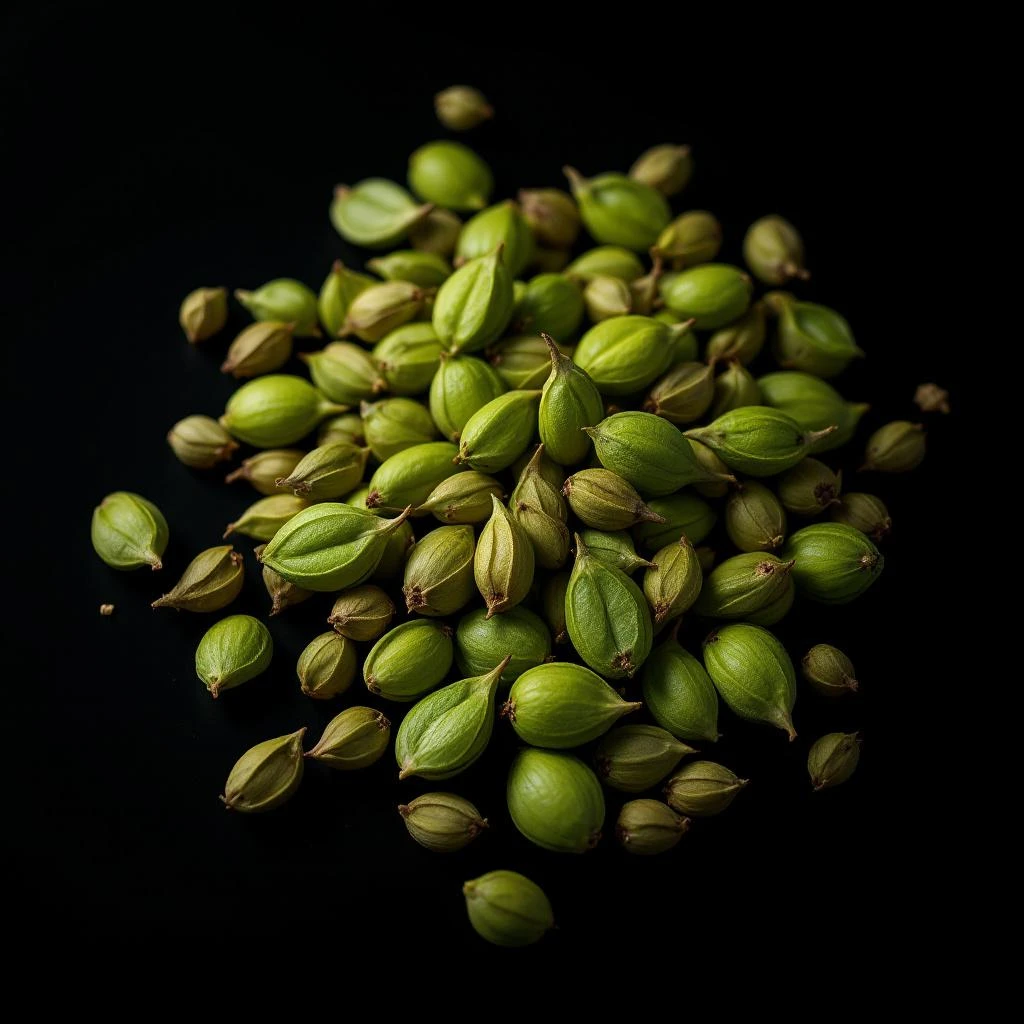
Caraway oil is distilled from dried, crushed fruit, not from the plant’s leaves or roots, concentrating its naturally occurring carvone aroma.

Origin
Austria
Caraway has a long history as a culinary and aromatic plant, valued in Europe and parts of Asia for its distinctive seed-like fruit and warm, peppery flavor. Its use in perfumery is older than the modern fragrance industry, although it entered formulated compositions more selectively than materials such as citrus, lavender, or resinous woods.
As modern perfumery developed, caraway oil became useful for adding a dry herbal accent, especially in compositions where a spice note needed structure and clarity. The plant is native across a broad region including Europe, North Africa, and parts of Asia, while “Austrian” identifies a recognized geographic source rather than a separate botanical species.
Today, the note is often associated with masculine-leaning or aromatic fragrance directions, but its character is not limited by gender. Its restrained use can evoke kitchen spice, fresh herbs, and a clean bitter edge rather than sweetness.
Wears it best
Fragrances featuring Austrian Caraway
Brands
Brands known for Austrian Caraway
Good to know
Questions, answered
The essentials on Austrian Caraway in perfumery: how it smells, where it comes from, and how it behaves on skin.
What does Austrian caraway smell like in perfume?
It smells spicy, herbal, and dry, with a peppery edge and a slightly bitter, green character. The note is usually used in small amounts to give a fragrance a precise aromatic accent.
What part of the caraway plant is used for fragrance oil?
Perfume oil is mainly made from dried, crushed, ripe caraway fruit. Its small oil glands release volatile compounds during steam distillation, concentrating the plant’s aroma.
Is caraway oil natural or synthetic?
Both natural and synthetic versions exist. Natural oil comes from caraway fruit through distillation, while synthetic carvone provides a more standardized version of the dominant aromatic compound.
Why is caraway used in masculine fragrances?
Its dry, peppery, herbal profile fits many aromatic and woody compositions commonly presented as masculine. The note can also suit any fragrance direction because scent categories are not inherently gendered.
Does caraway smell sweet or bitter?
Caraway leans more bitter and peppery than sweet. Its aroma can also show fresh green and warm spicy facets, depending on the extract and how it is blended.
Where does caraway originate?
Caraway is native to a broad area spanning Europe, North Africa, and parts of Asia. Austrian material refers to a source designation, not a separate species, and Carum carvi is the relevant botanical name.
How is caraway essential oil extracted?
The dried fruit is crushed and steam distilled, releasing volatile oil from its aromatic glands. The oil is then separated from the condensed water for use in fragrance formulation.
What compound gives caraway its characteristic smell?
Carvone is the major characteristic aroma compound in caraway oil. Its natural composition includes other supporting molecules that help create the fuller peppery, herbal scent.