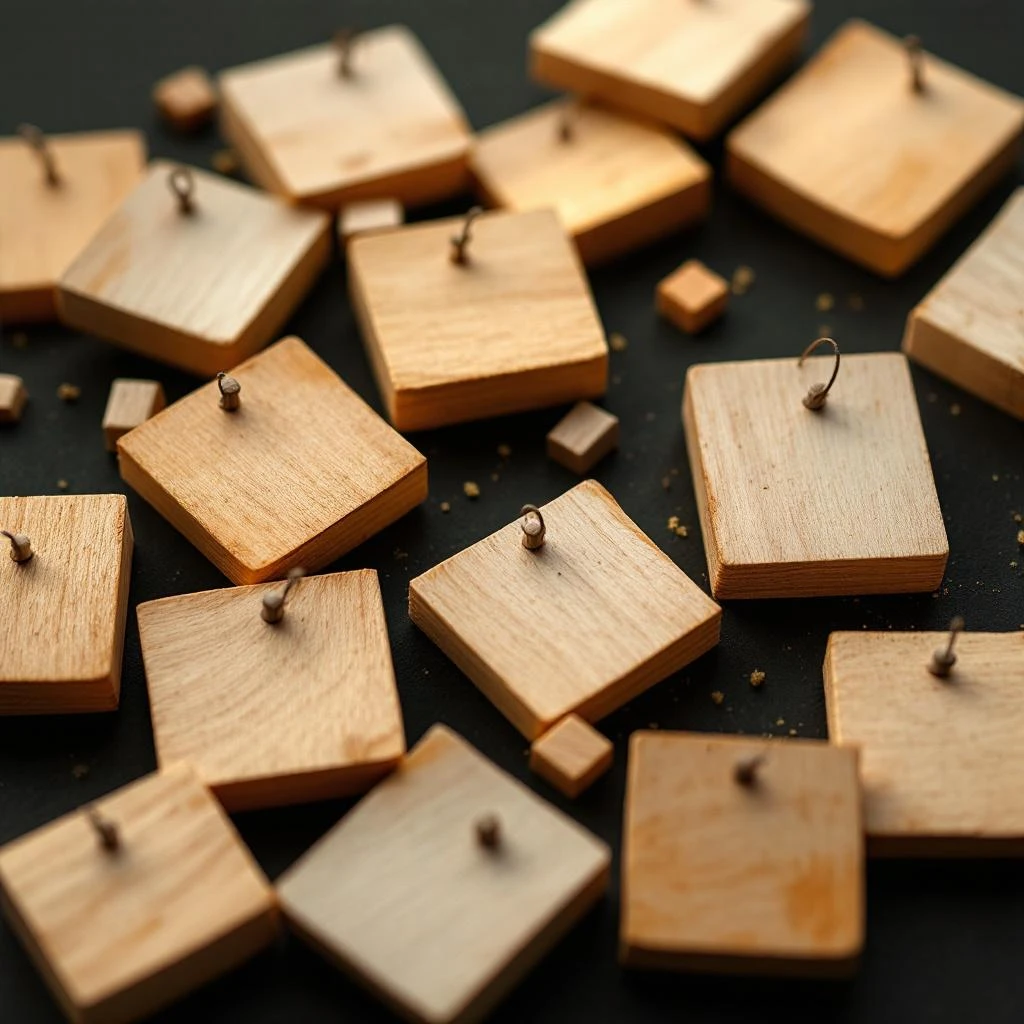
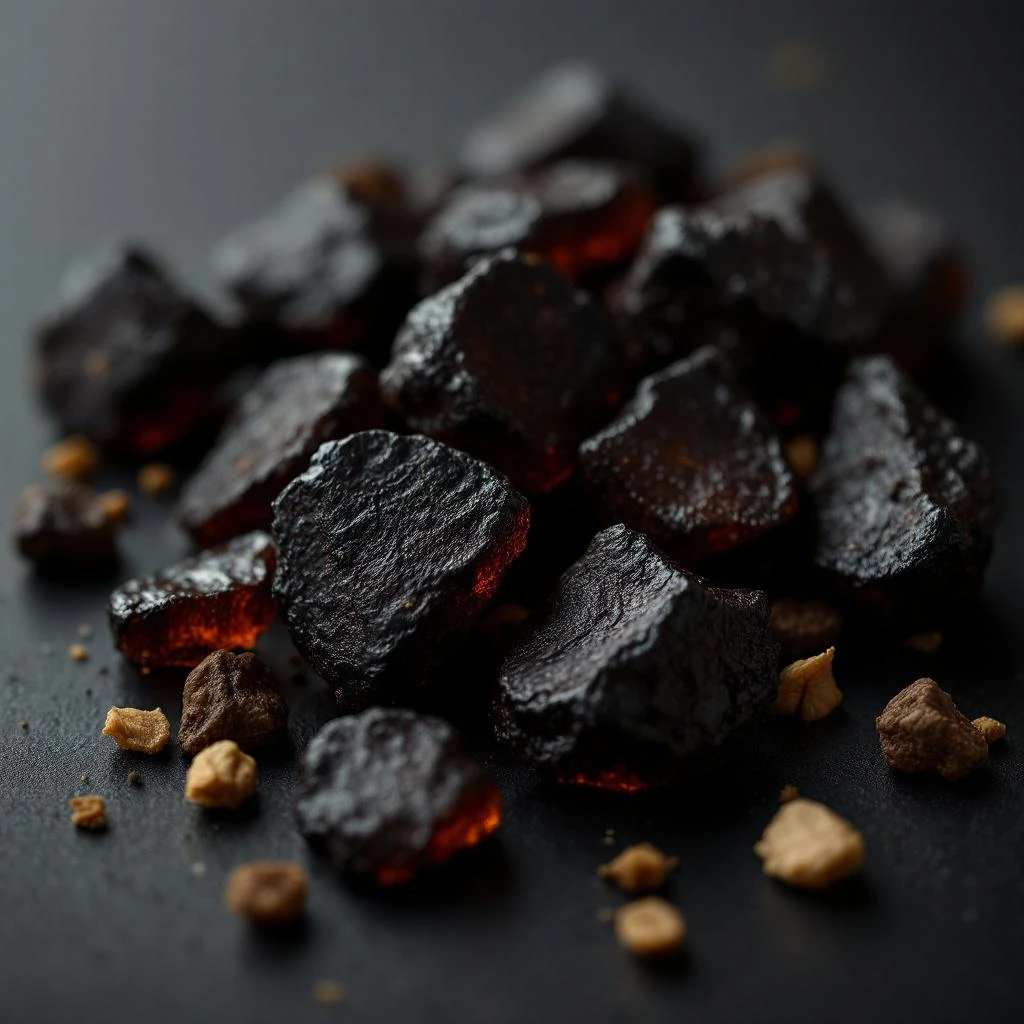
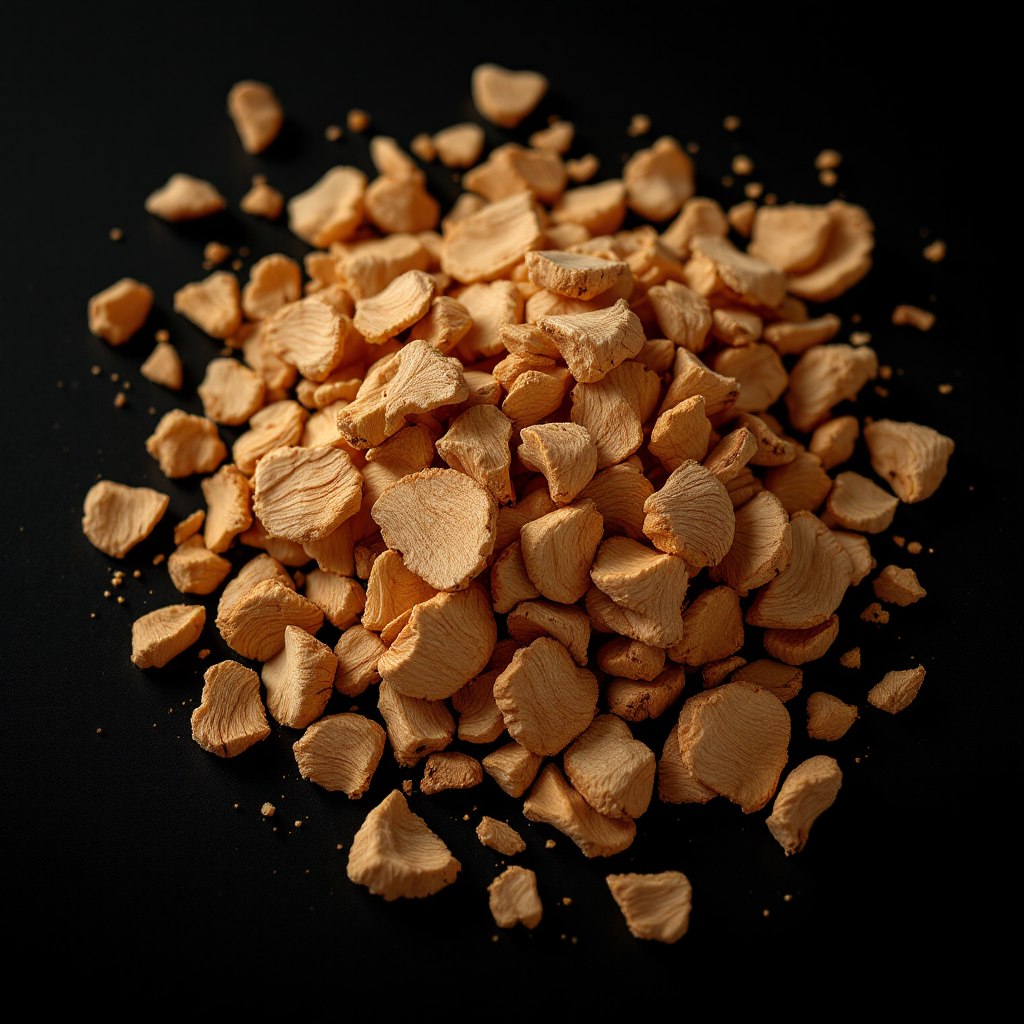
Hickory Wood
Hickory wood brings a warm, smoky depth to fragrances, evoking autumn campfires and artisan craftsmanship. Its bold character anchors compositions with rustic authenticity and natural warmth.
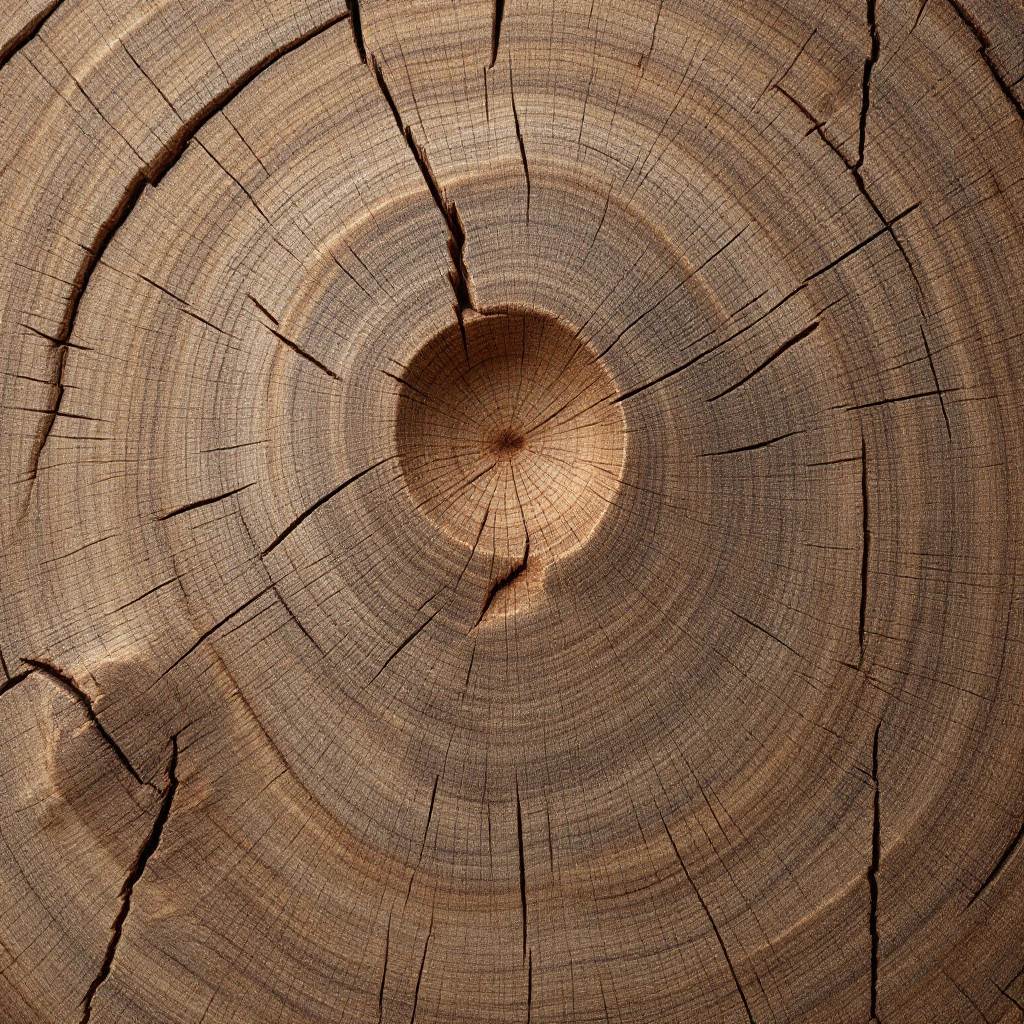
Character
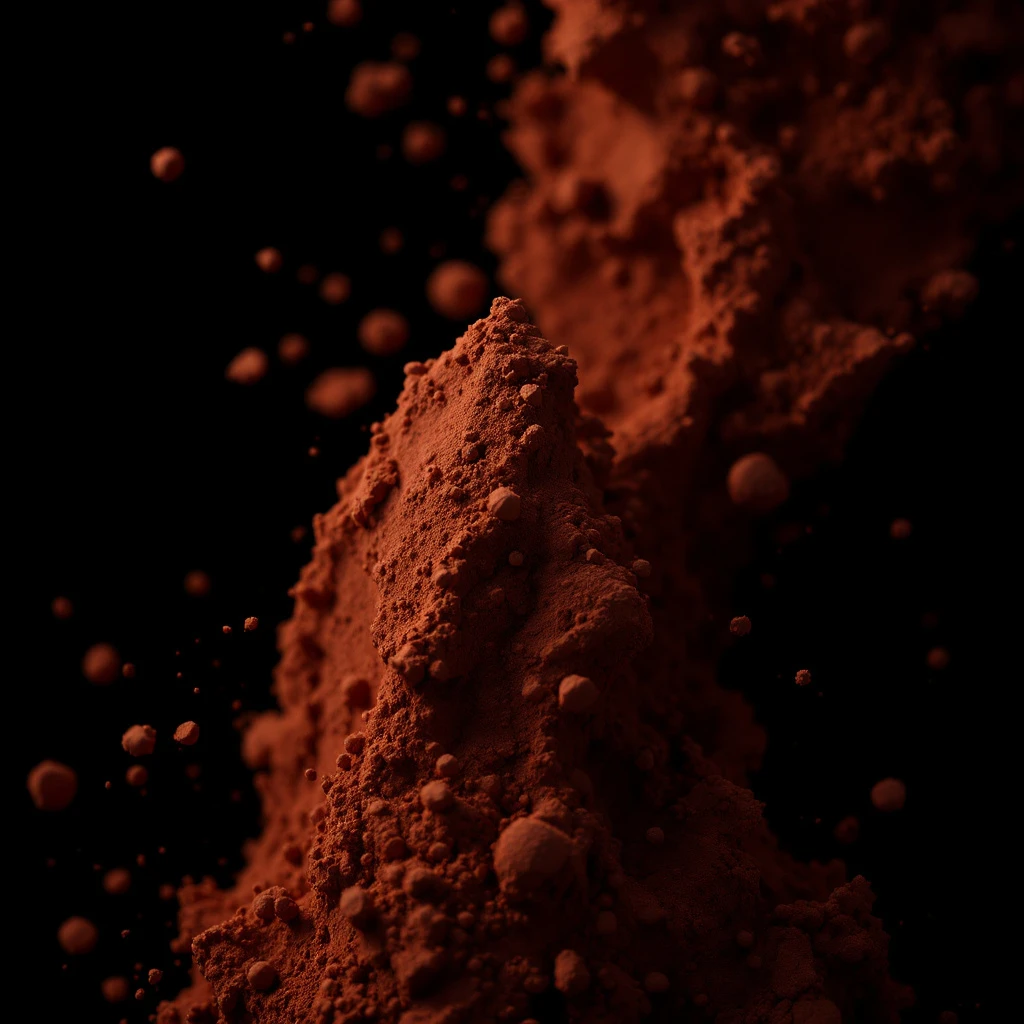
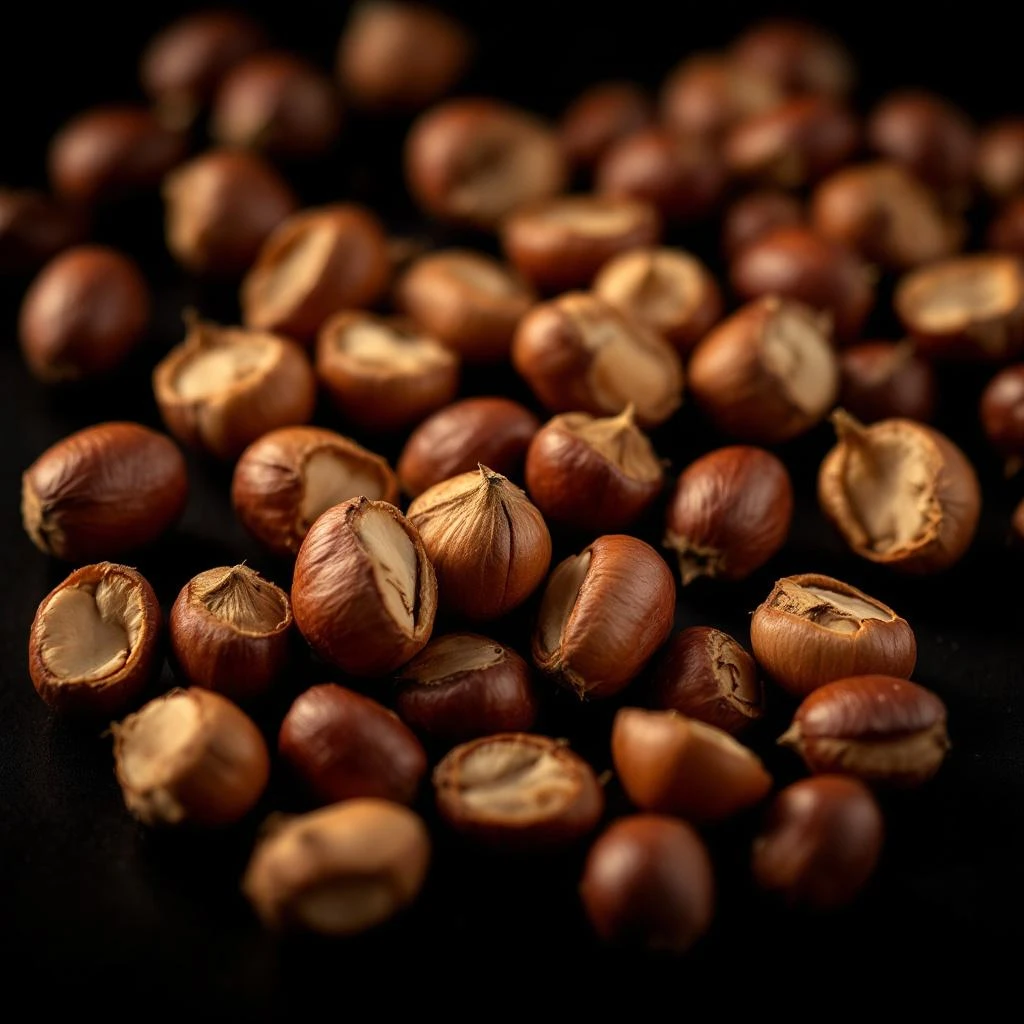
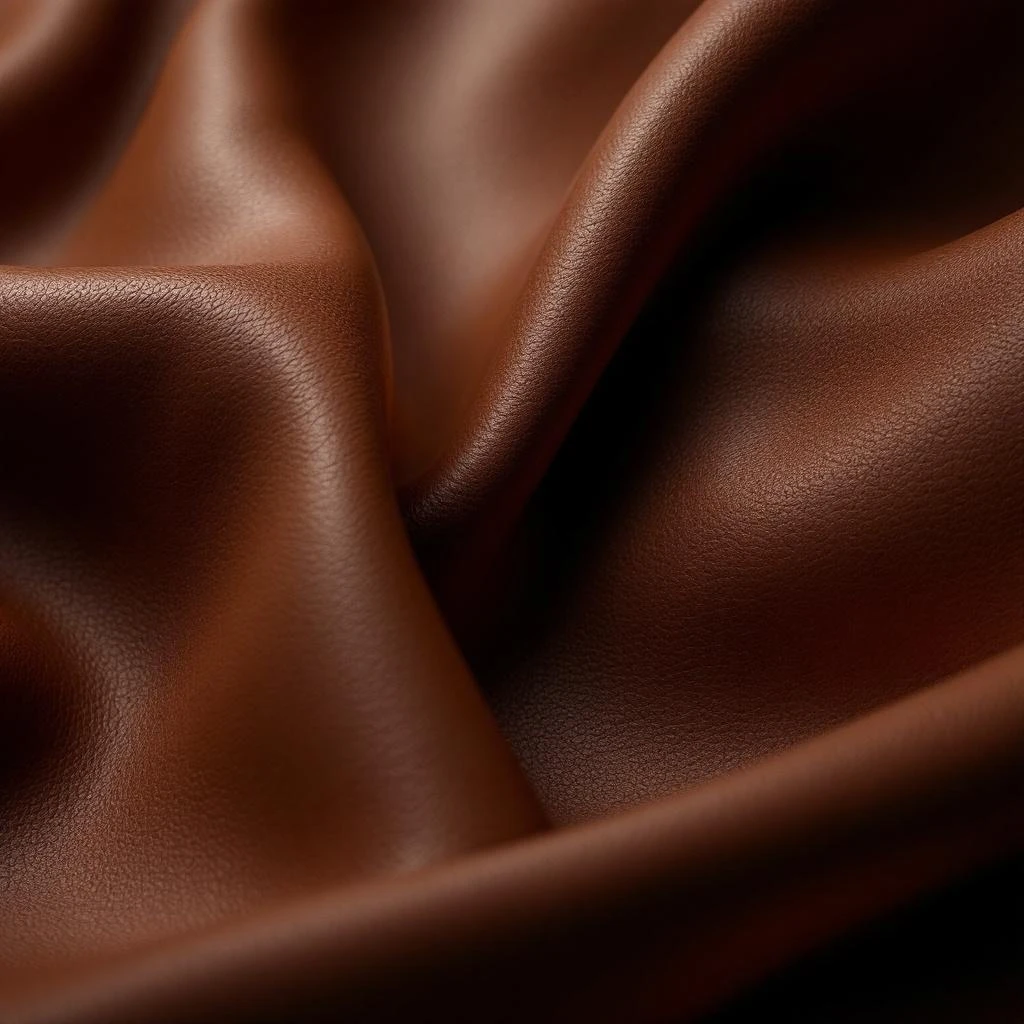
How it smells
Bold smoky warmth from North American forests.
Hickory trees can live over 300 years and were essential to early American barrel-making and tool craftsmanship.


Origin
United States
Hickory has deep roots in North American history, long before perfumery existed. Indigenous peoples across the eastern United States relied on hickory for food, medicine, and tool-making, using the flexible wood for bows, baskets, and handles. Early European settlers adopted these traditions, crafting furniture, wagon wheels, and barrel staves from hickory's strong, dense grain.
The tree became synonymous with American craftsmanship and frontier self-sufficiency. While hickory never achieved the prominence of sandalwood or cedar in perfumery, its smoky, warm character found a place in rustic masculine compositions and nature-inspired fragrances from the 20th century onward, particularly in American and Canadian fragrance houses seeking distinctly regional ingredients.
Wears it best
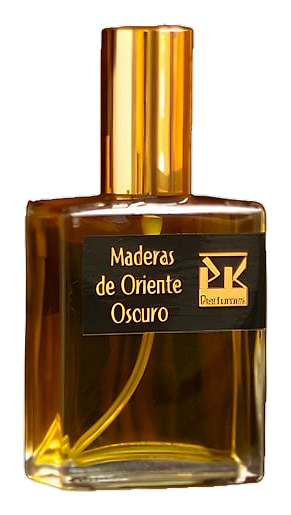
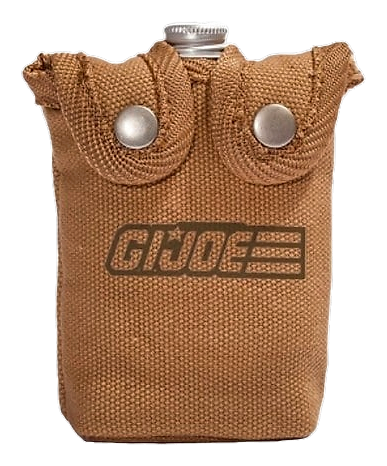
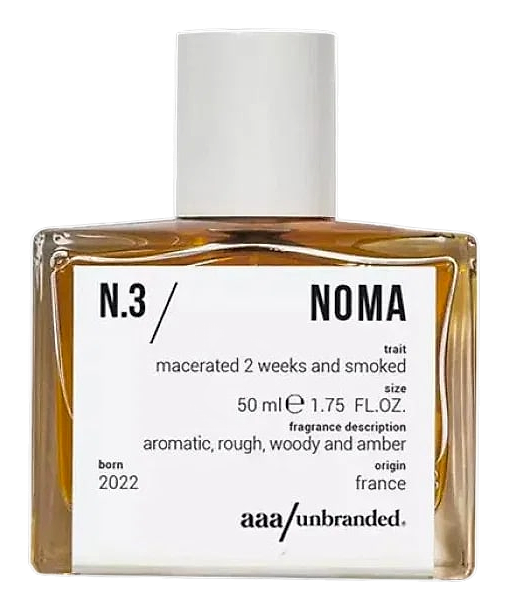
Fragrances featuring Hickory Wood
Brands
Brands known for Hickory Wood
Good to know
Questions, answered
The essentials on Hickory Wood in perfumery: how it smells, where it comes from, and how it behaves on skin.
What does hickory wood smell like in perfume?
Hickory wood delivers a warm, smoky aroma with sweet undertones and a dry, woody finish. It resembles a combination of cedar and oak with prominent campfire-like smokiness.
Is hickory wood commonly used in perfumery?
Hickory appears less frequently than cedar or sandalwood but remains valued by perfumers seeking rustic, distinctly American wood characters.
How is hickory wood oil extracted for fragrance?
Producers extract hickory oil through steam distillation of dried heartwood chips, applying controlled heat to release aromatic compounds from the dense wood fiber.
What type of hickory is used in perfumery?
Shagbark hickory and shellbark hickory provide the most desirable aromatic profiles among the roughly 17 hickory species native to North America.
Does hickory wood oil occur naturally or is it synthesized?
Hickory wood oil is naturally extracted through distillation. Synthetic alternatives exist but rarely capture the full complexity of genuine wood-derived material.
What fragrances traditionally feature hickory wood?
Hickory appears primarily in masculine and outdoor-themed fragrances. It works especially well in autumn and winter seasonal releases with smoky, campfire-inspired concepts.
Where does perfumery-grade hickory originate?
The primary source regions include the Appalachian region and Ozark Mountains of the eastern and central United States, where climate produces dense, aromatic heartwood.
Can hickory wood note be combined with other ingredients?
Hickory pairs exceptionally well with vanilla, amber, leather, tobacco, and other wood notes. It adds smoky depth to both woody and oriental fragrance families.