Red Clay
Red clay brings raw, mineral earthiness to fragrance compositions, grounding lighter notes with deep, warm minerality that feels ancient and grounding. This natural material has shaped perfumery from ancient ritual to modern formulation.
Character
How it smells
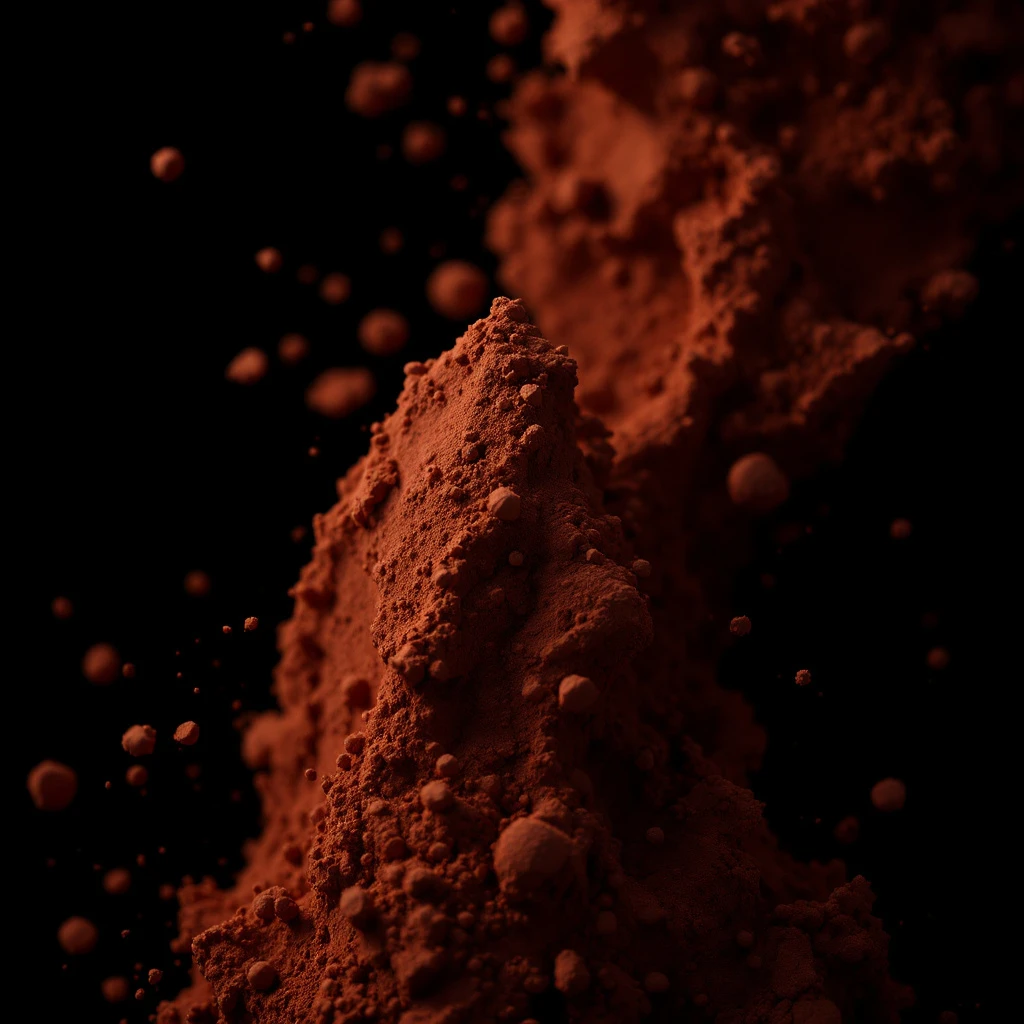
Raw earth. Mineral warmth. Ancient grounding.
Ancient Egyptian embalmers used red clay to absorb and fix fragrant oils in ceremonial preparations over 3,000 years ago.


Origin
Morocco
Clay ranks among perfumery's oldest materials, with evidence of red clay use dating to ancient Egyptian cosmetic and ceremonial practices. The Babylonians and Mesopotamians incorporated mineral earths into early fragrant preparations, using clay's natural absorbency to capture and hold aromatic oils. Greek and Roman civilizations advanced these techniques, developing clay-based scented powders for personal use.
North African cultures, particularly in Morocco, refined the use of rhassoul and red clays in bathing and cosmetic rituals that continue today. The development of organic synthesis in the 19th century shifted perfumery toward synthetic materials, but natural mineral ingredients like red clay retained their role in natural and artisanal perfumery, valued for their fixative properties and distinctive mineral character.
Wears it best
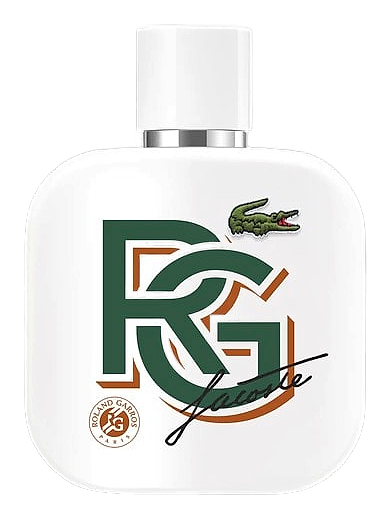
Fragrances featuring Red Clay


Brands
Brands known for Red Clay
Good to know
Questions, answered
The essentials on Red Clay in perfumery: how it smells, where it comes from, and how it behaves on skin.
What does red clay smell like in fragrance?
Red clay delivers mineral, earthy, and slightly warm scent notes. It reads as dry, dusty earth with subtle mineral undertones rather than sweet or floral. The aroma evokes wet soil and sun-baked terracotta.
How do perfumers use red clay in formulations?
Perfumers add red clay as a fixative base that absorbs and slowly releases fragrance compounds. It appears in solid perfumes, perfume powders, and atomized scents where it extends longevity and adds textural depth to the dry-down.
Is red clay a natural perfumery ingredient?
Yes. Red clay is a naturally occurring mineral material, though perfumers sometimes process it through washing, drying, and grinding. It remains in use as a natural alternative to synthetic fixatives.
What minerals give red clay its characteristic properties?
Iron oxide provides the distinctive red color, while magnesium, potassium, and silica contribute to its absorbent and fixative qualities. Higher mineral content generally indicates better performance in fragrance applications.
Can I use red clay directly as a fragrance?
Raw red clay has a mild mineral scent but functions primarily as a fixative and base rather than a standalone fragrance. Blend it with essential oils or absolute fragrances to create solid perfumes or scented powders.
Where does perfumery-grade red clay originate?
Morocco produces the most sought-after red clay for perfumery, particularly from Atlas Mountain deposits. Japan and the United States also supply clay varieties used in fragrance and cosmetic formulations.
Does red clay have any safety considerations for skin application?
Red clay carries minimal safety concerns. It has a long history of cosmetic use and generally suits sensitive skin. Perform a patch test with any new preparation, especially if combining with other ingredients.
What distinguishes red clay from white clay in perfumery?
Red clay contains higher iron oxide content, giving warmer, earthier scent characteristics. White clay, or kaolin, offers lighter mineral notes. Red clay provides stronger fixative properties due to its mineral composition.