Greenland Moss
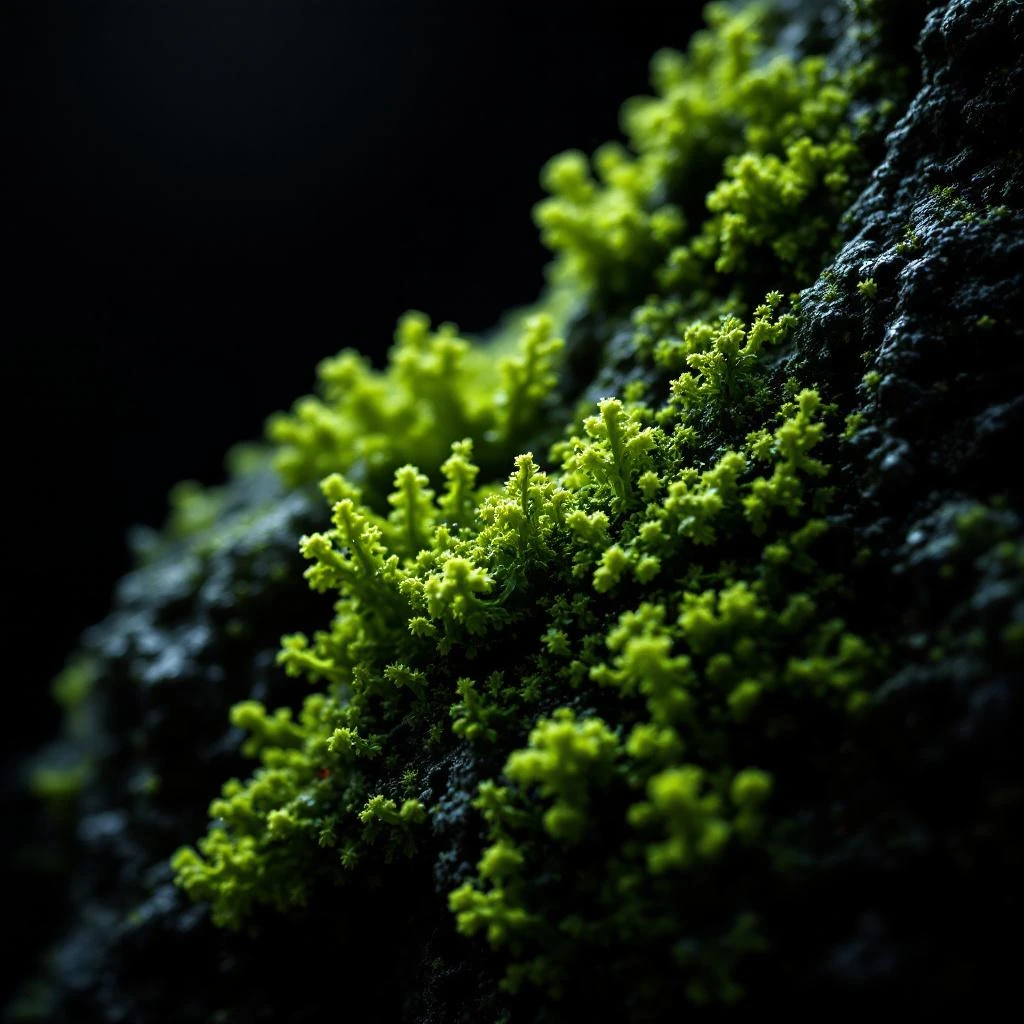
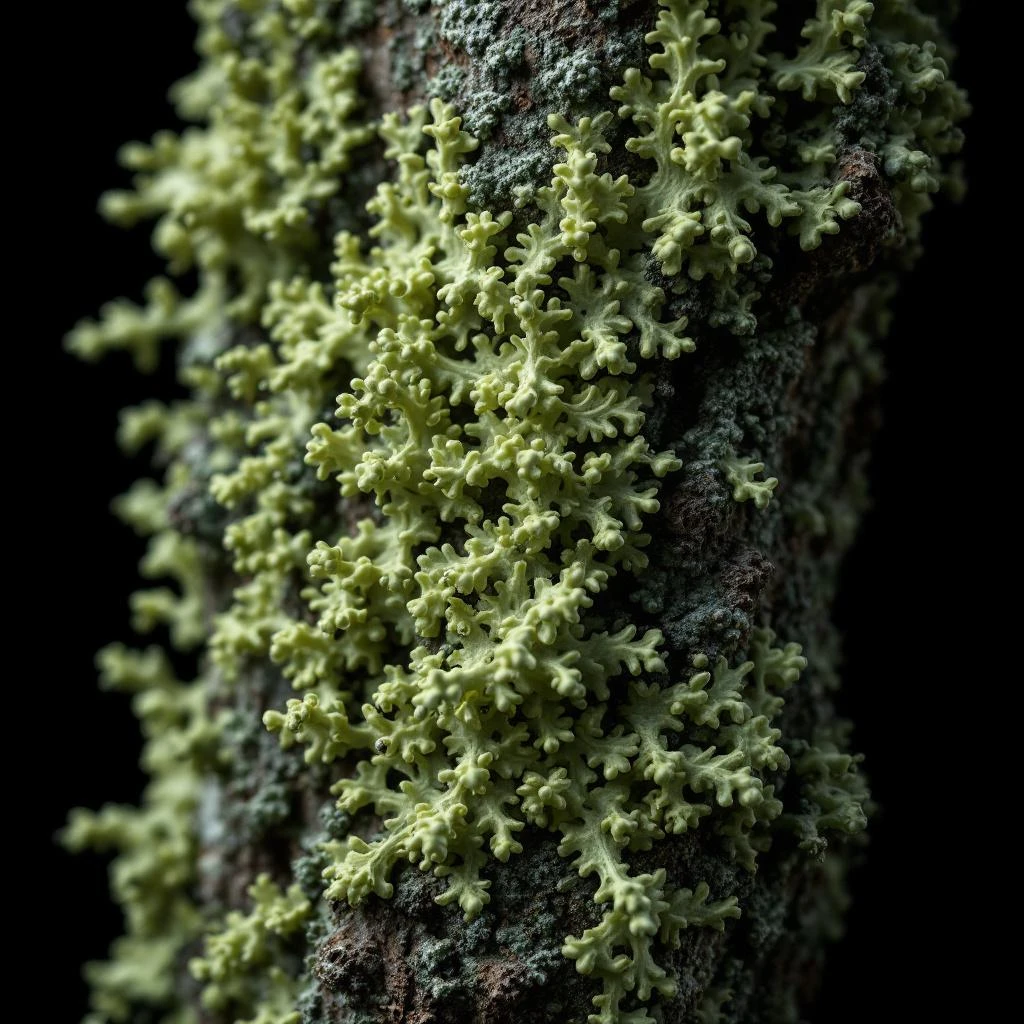
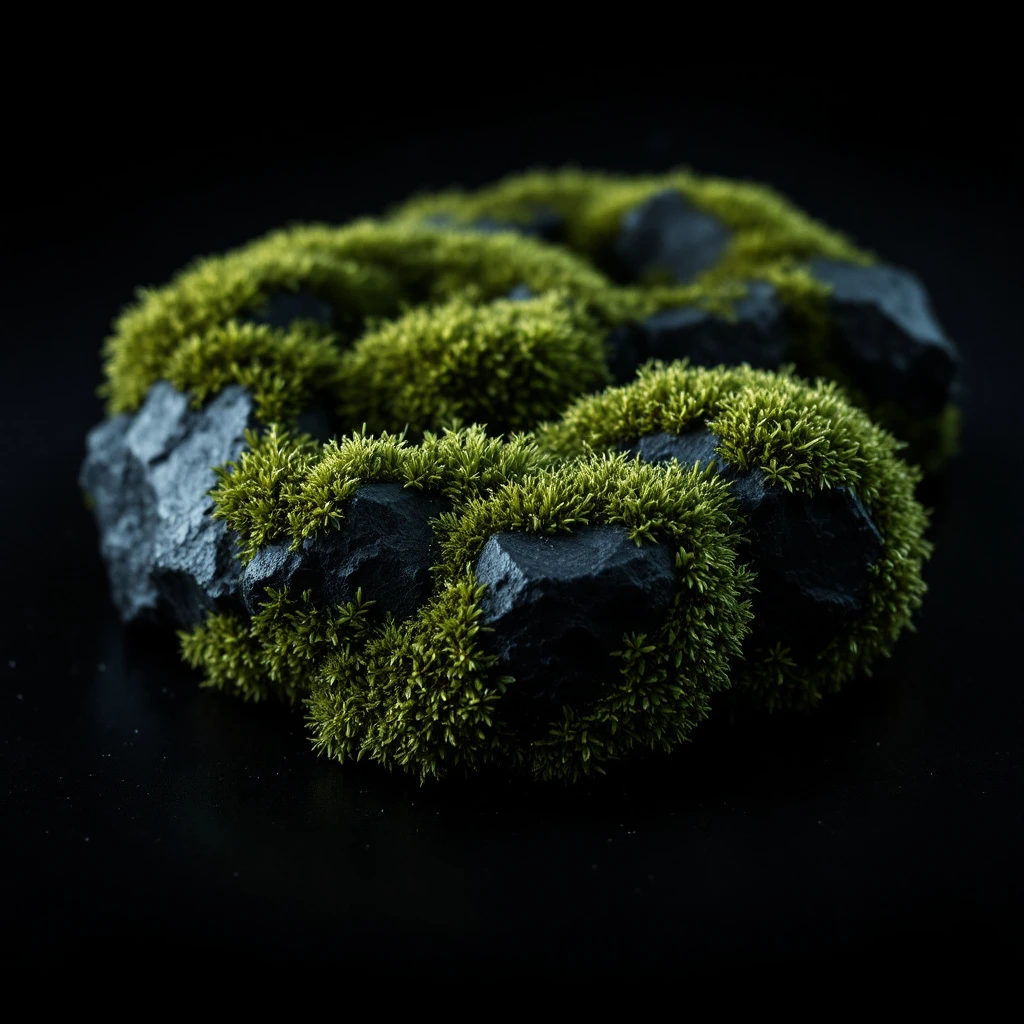
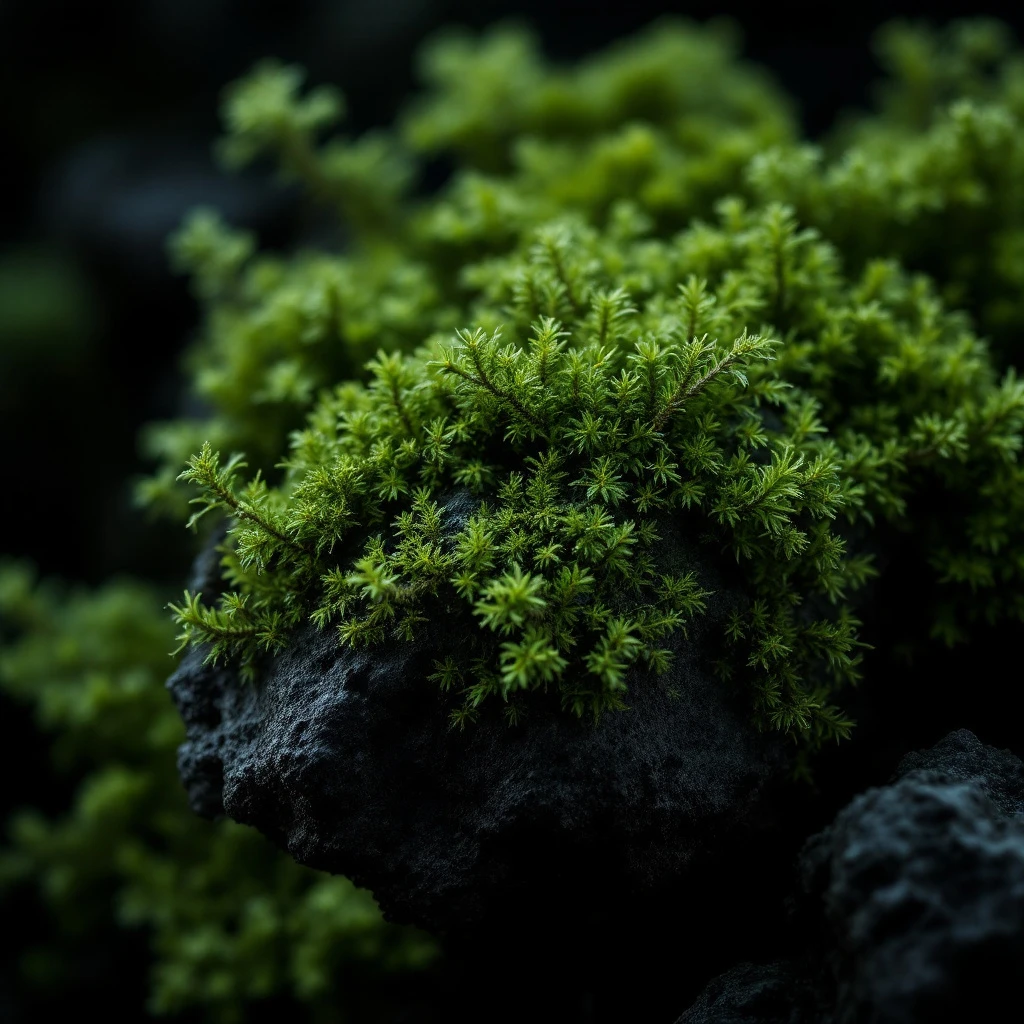
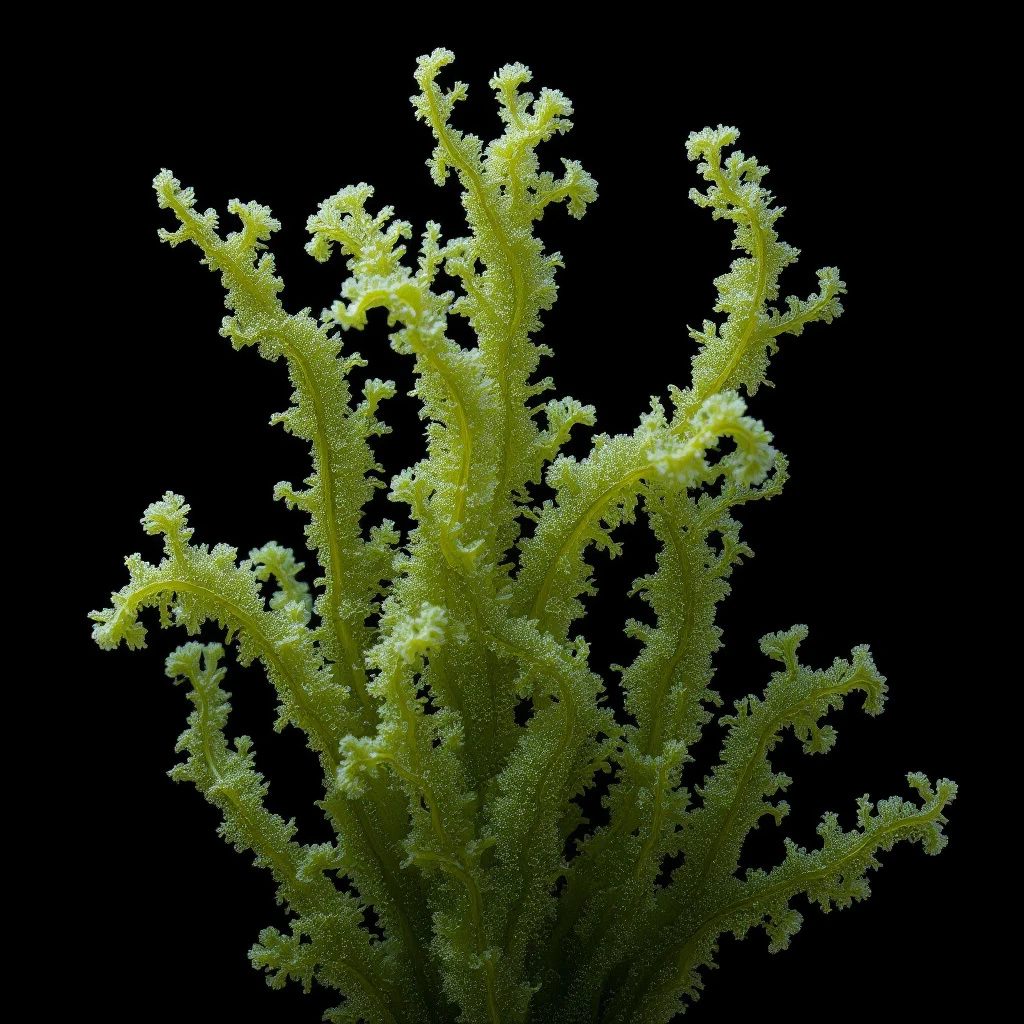
Greenland Moss captures the raw, damp essence of subarctic forests. Its cool, earthy aroma brings an untamed wilderness quality to fragrance compositions, evoking fog-laden mornings and ancient stone.
Character
How it smells
Arctic dampness, bottled.
Mosses have been used to scent leather goods since the 15th century, long before their role in modern perfumery was established.





Origin
Greenland
Moss and lichen aromatics trace back to 15th-century Europe, where dried plants perfumed leather gloves and wardrobes, masking the smell of tanning agents and protecting the hides. By the 19th century, advances in extraction turned these humble forest organisms into serious perfumery ingredients. Oakmoss, the most famous relative, anchored the Chypre family after Coty's 1917 launch redefined the genre.
Greenland Moss entered the broader perfumer's palette as interest in naturalistic and atmospheric compositions grew during the late 20th century. Its cooler, more austere character distinguished it from Mediterranean oakmoss, attracting creators seeking Nordic aesthetics. Strict IFRA restrictions on atranorin content, enacted in the 2000s to address sensitization concerns, reshaped how all tree mosses could be used, forcing reformulations and renewed interest in sourcing from cleaner, remote environments.
Today, Greenland-sourced moss represents both a continuation of ancient glove-perfumery traditions and a modern chapter in sustainable wild harvesting.
Wears it best
Fragrances featuring Greenland Moss
Brands
Brands known for Greenland Moss
Good to know
Questions, answered
The essentials on Greenland Moss in perfumery: how it smells, where it comes from, and how it behaves on skin.
What does Greenland Moss smell like?
Greenland Moss has a cool, damp, earthy aroma with green and slightly bitter undertones. It evokes wet stone, pine needles, and fog-laden forests, lending compositions a raw, atmospheric quality distinct from warmer Mediterranean mosses.
How is Greenland Moss extracted for perfumery?
Harvesters gather lichen by hand in dry summer months, then dry and treat it using volatile solvents like hexane or ethanol. This yields a concrete, which alcohol washing converts into a concentrated absolute rich in aromatic resin compounds.
Is Greenland Moss the same as oakmoss?
No. Both belong to lichen families used in perfumery, but Greenland Moss comes from colder subarctic species with a cooler, more austere profile. Oakmoss (Evernia prunastri) grows on European oak trees and carries warmer, hay-like notes.
Why are there restrictions on moss in perfumery?
IFRA regulations limit atranorin levels in moss extracts due to skin sensitization concerns. The restrictions, tightened in the early 2000s, forced reformulations across the industry and increased demand for cleaner-sourced material.
When was moss first used in fragrance?
Moss aromatics date to 15th-century Europe, when dried lichen scented leather gloves and wardrobes. Modern perfumery adopted moss extracts heavily after Coty's 1917 Chypre popularized the ingredient family.
Is Greenland Moss harvested sustainably?
Sustainability varies by supplier. Lichen grows slowly, often just millimeters per year, so responsible operations hand-harvest without stripping substrates. Over-collection in 20th-century Europe depleted populations and prompted stricter sourcing protocols.
What fragrance families use Greenland Moss?
Greenland Moss appears most often in woody, aromatic, and chypre-adjacent compositions. Its cold, green character also suits atmospheric and nature-inspired niches aiming for Nordic or subarctic aesthetics.
Can Greenland Moss be used in natural perfumery?
Yes, when sourced as a genuine lichen extract without synthetic reconstruction. Solvent-extracted absolutes qualify as natural ingredients, though perfumers must respect IFRA limits on atranorin content for safe skin application.