Sugar Kelp
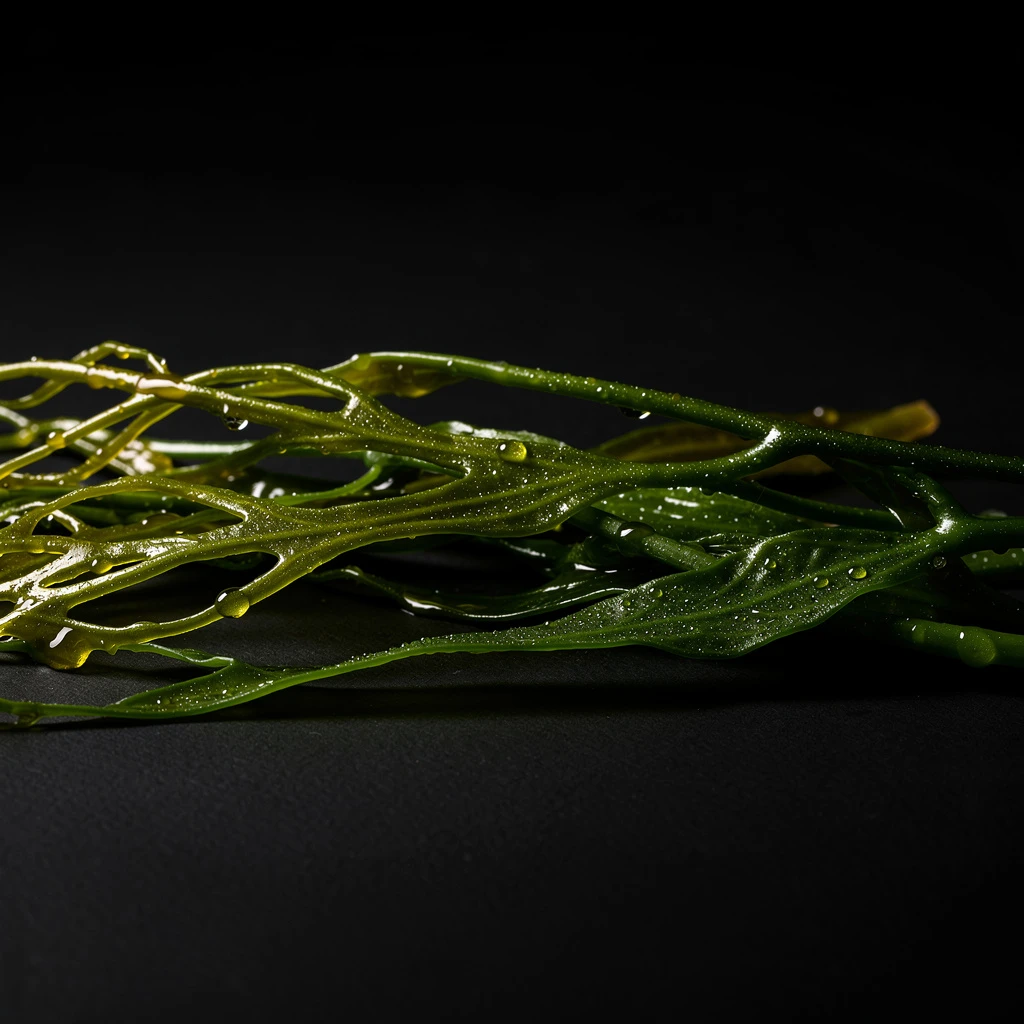
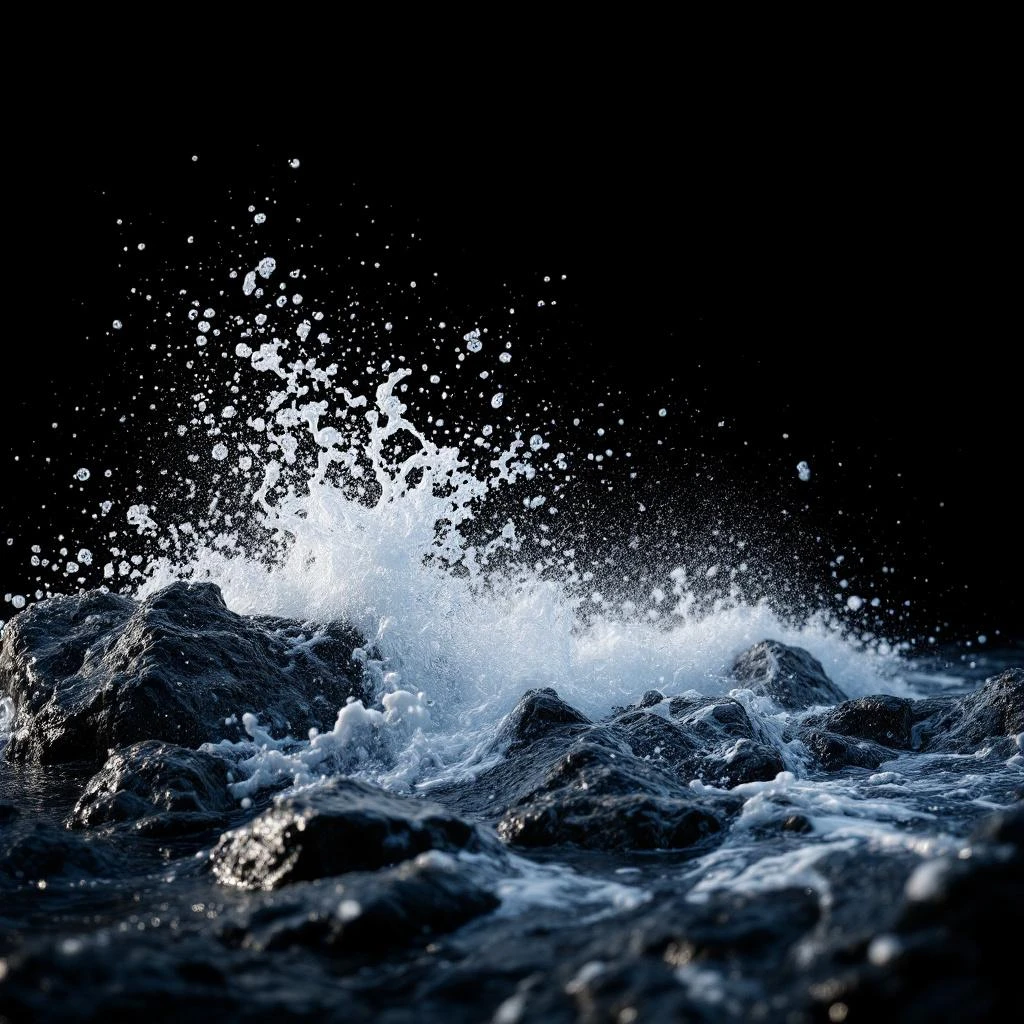
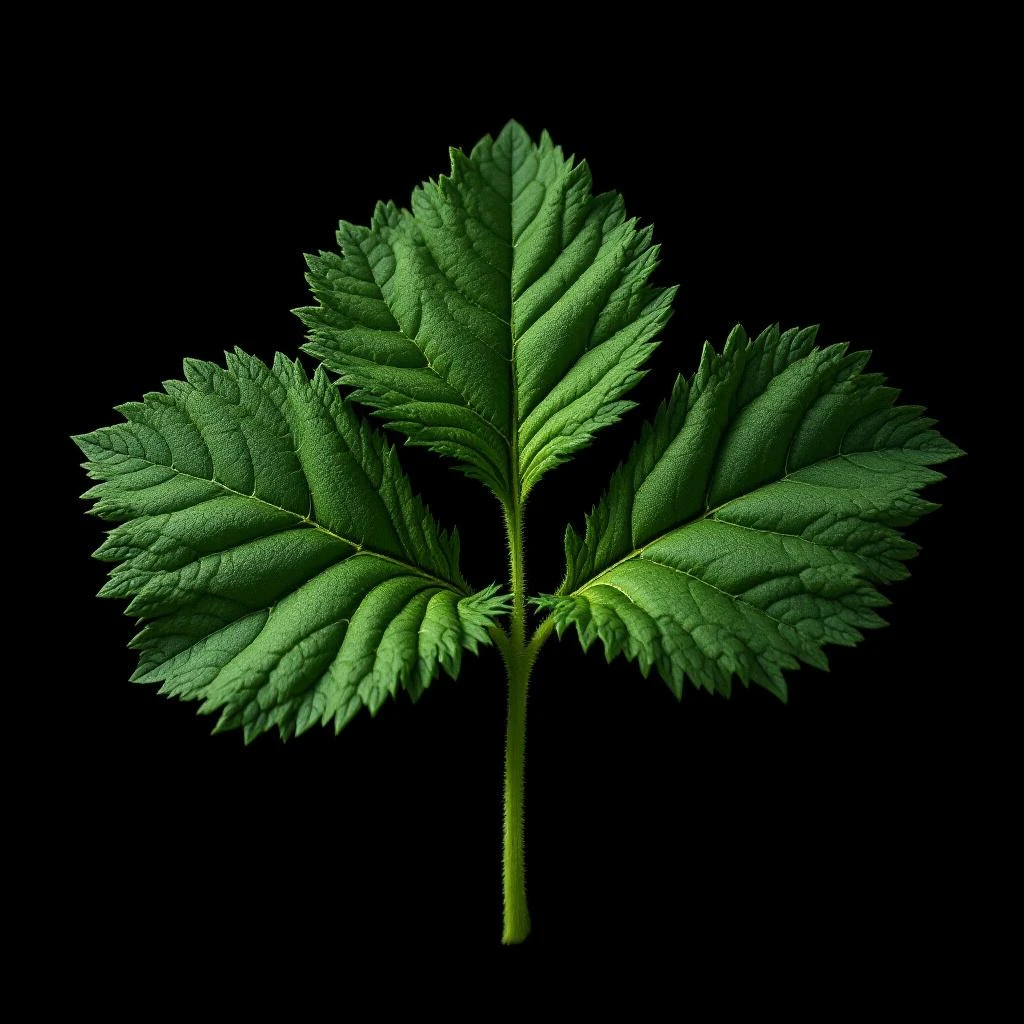
Sugar kelp brings the cold Atlantic onto your skin: a briny, mineral, slightly sweet seaweed note that anchors modern marine fragrances with its saline, ozonic depth.
Character
How it smells
Atlantic brine in a bottle
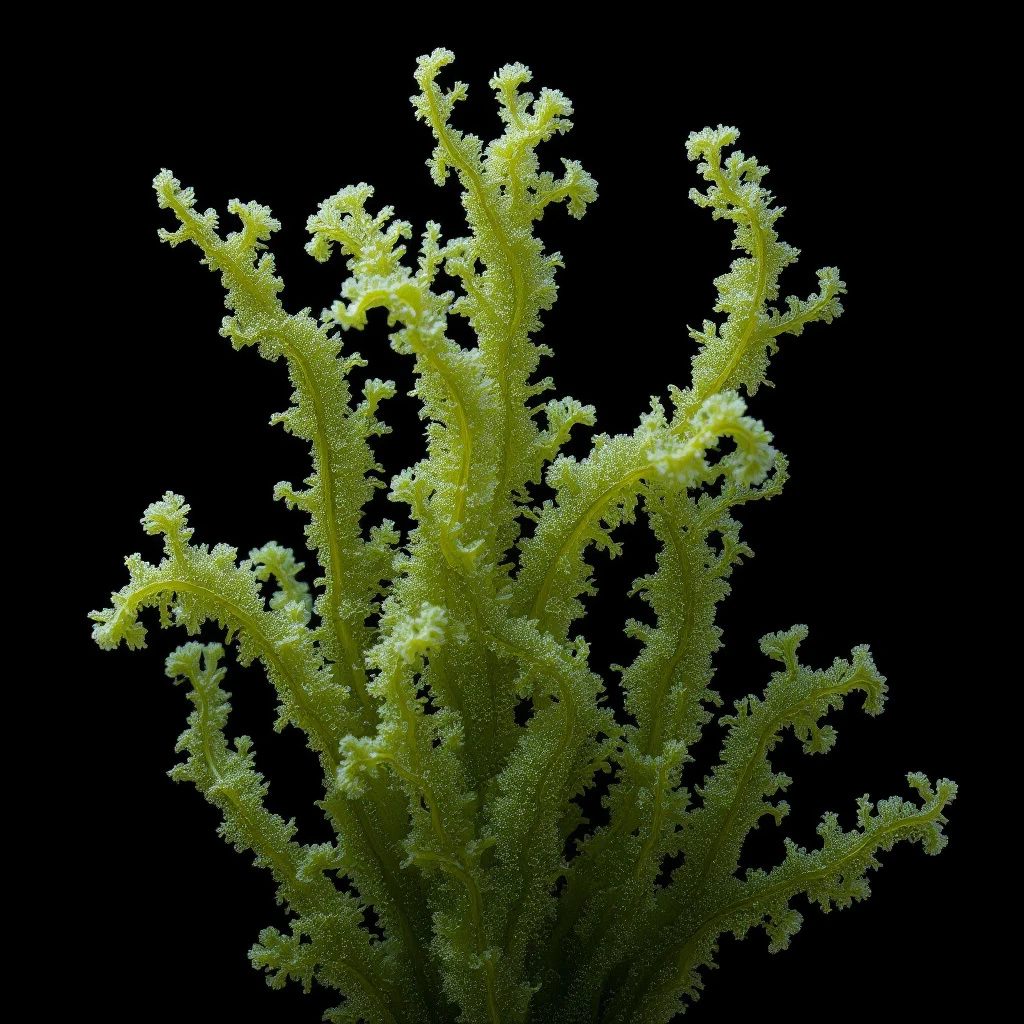
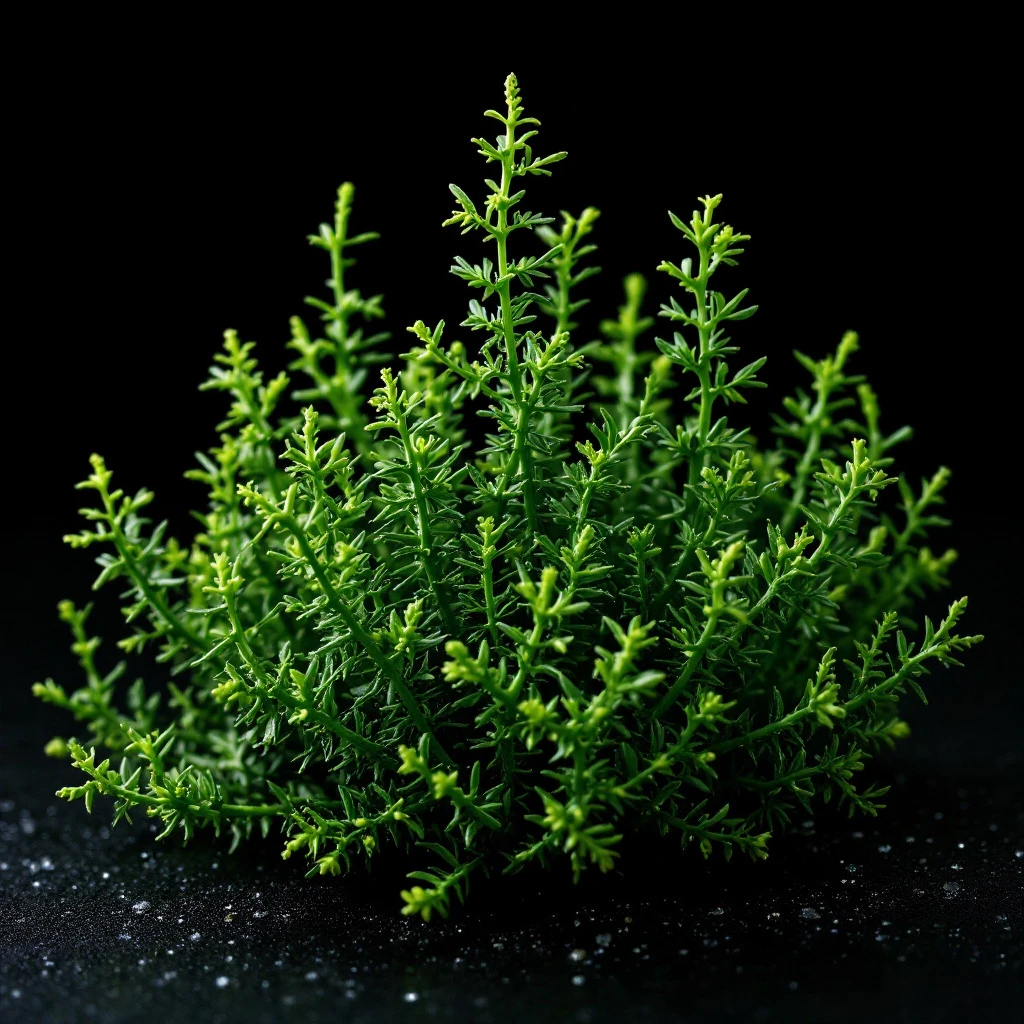
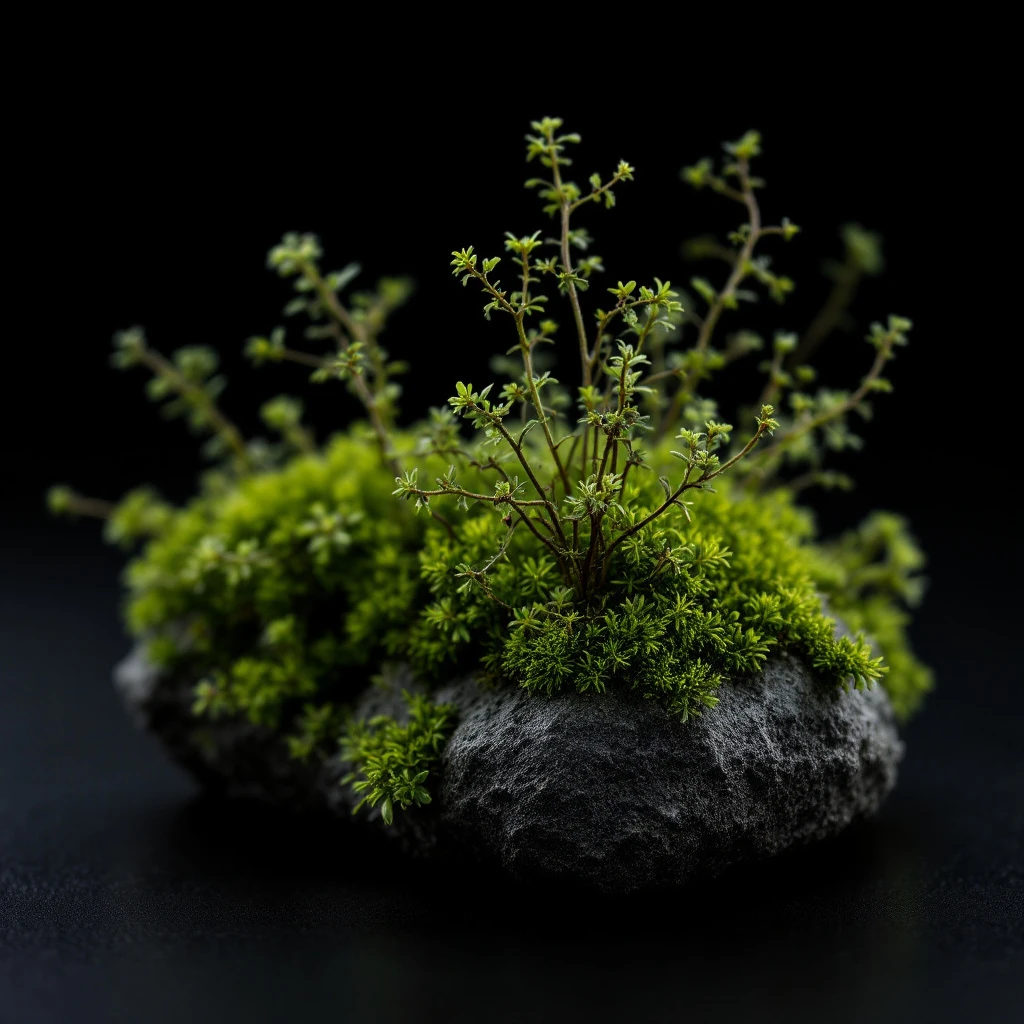
Sugar kelp can grow over four meters long and was the first macroalgae cultivated commercially in the UK for both food and fragrance use.

Origin
United Kingdom
Seaweed has scented human culture since antiquity, though its modern perfumery role is surprisingly recent. Coastal communities in Japan, Ireland, and Scotland burned dried kelp for smoke ceremonies and used it in folk remedies. The industrial story begins with the discovery of calone in 1966 at Pfizer, originally intended for flavor research.
Perfumers recognized its olfactory potential in the 1991 launch of New West for Men, widely credited as the first mainstream aquatic fragrance. This launched the entire marine olfactive family that dominated 1990s perfumery. Sugar kelp itself gained traction as a natural reference point, with commercial cultivation beginning off the coast of Scotland in the late 1990s to ease pressure on wild populations.
By 2010, sustainable kelp farming had spread to Maine and Brittany. Contemporary niche perfumers increasingly cite sugar kelp in their compositions, often pairing the natural extract with synthetic accords to evoke specific coastlines. The ingredient represents a broader shift: fragrance seeking authenticity through botanical specificity rather than generic marine impressions.
Wears it best
Fragrances featuring Sugar Kelp
Brands
Brands known for Sugar Kelp
Good to know
Questions, answered
The essentials on Sugar Kelp in perfumery: how it smells, where it comes from, and how it behaves on skin.
What does sugar kelp smell like in perfume?
Sugar kelp contributes a briny, mineral scent with saline sweetness and subtle iodine notes. In perfumery it reads as oceanic, cool, and slightly green, anchoring the broader marine olfactive family that emerged in the early 1990s.
Is sugar kelp a natural or synthetic perfume ingredient?
Most sugar kelp fragrance notes are synthetic reconstructions built on molecules like calone, discovered in 1966. Some houses blend synthetic accords with small amounts of CO2-extracted kelp absolute for added authenticity and natural depth.
Where is sugar kelp harvested for fragrance?
Sugar kelp is commercially cultivated along the Scottish coast, where farms began operating in the late 1990s. Maine and Brittany have since developed their own sustainable kelp aquaculture operations to supply food and fragrance markets.
What was the first perfume to use a sugar kelp note?
New West for Men, launched in 1991, is widely credited as the first mainstream aquatic fragrance using calone-based marine accords. It established the template for the entire oceanic fragrance category of the 1990s.
Why is sugar kelp hard to extract for perfumery?
Sugar kelp's volatile aromatic compounds degrade under traditional steam distillation, producing unreliable results. Supercritical CO2 extraction preserves more of the natural profile, but yields are small and costs remain high compared to synthetic alternatives.
Is sugar kelp cultivation sustainable?
Commercial sugar kelp farming requires no fresh water, fertilizer, or feed, and actually absorbs carbon dioxide as it grows. Scottish and Maine operations are considered among the most sustainable forms of aquaculture currently practiced.
What fragrance families feature sugar kelp?
Sugar kelp anchors the aquatic and marine fragrance families, which sit within the broader fresh category. It also appears as a supporting note in some aromatic and green compositions seeking coastal character.
Can sugar kelp notes trigger allergies?
Synthetic calone and related marine aroma chemicals are generally considered safe at typical fragrance concentrations. However, perfumers must comply with IFRA standards, which restrict certain seaweed-derived compounds to protect sensitive skin.