Samphire
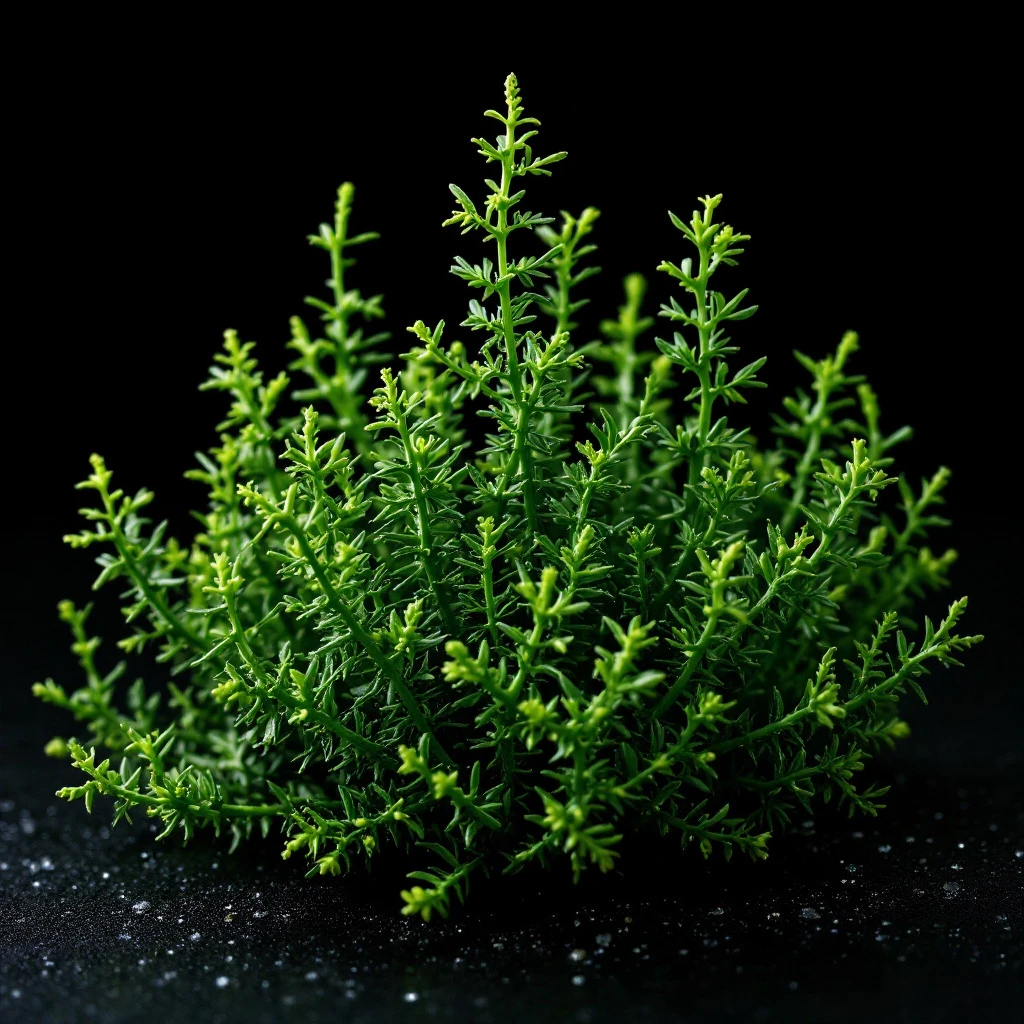
Samphire brings the briny, mineral character of coastal rock pools into fragrance. This salt-tolerant herb yields a green, slightly succulent note that recalls sea air and cracked kelp.
Character
How it smells
Sea spray bottled.
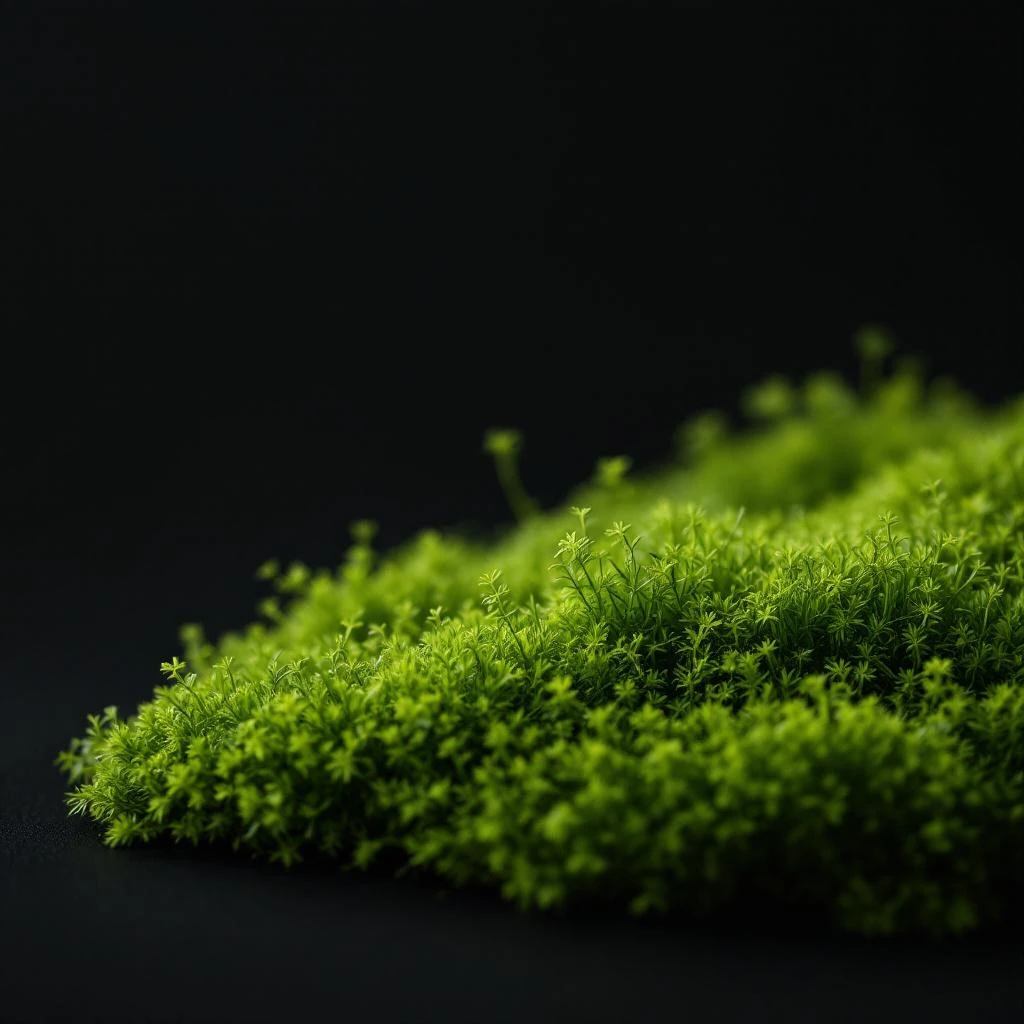
Samphire thrives where most plants perish, growing on salt marshes and rocky shores where it concentrates minerals from the sea into crisp, aromatic tissues.




Origin
France
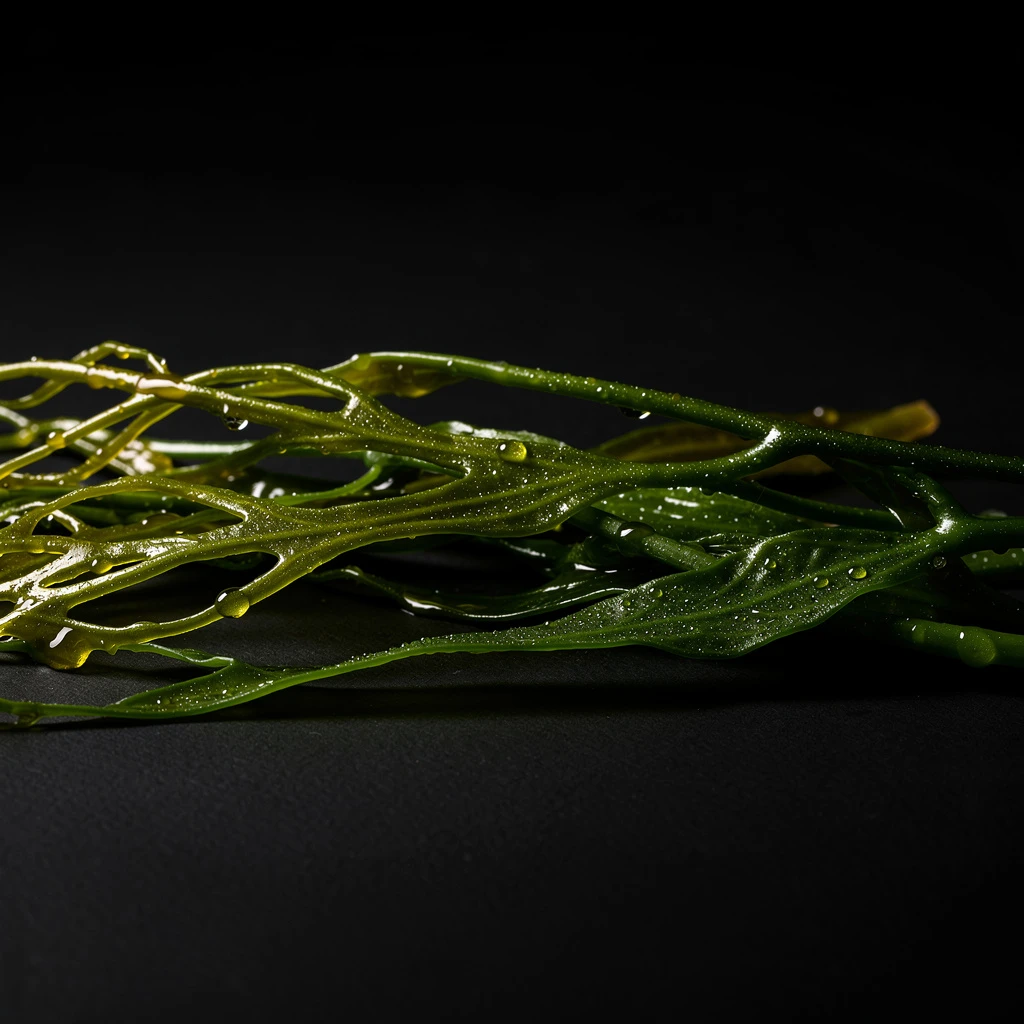
Rock samphire earned its place in European herbal tradition long before perfumers noticed it. The Tudor herbalist John Gerard described gathering it from cliffs near Dover in 1597, where locals risked their lives descending on ropes for the pungent herb. It appeared in British kitchens as a pickle and a salad green, prized for its crisp texture and saline flavor.
The shift into fragrance came slowly. By the late twentieth century, aromachologists exploring marine accords recognized that the plant's essential oil captured something the synthetic ozonic molecules could not: a true vegetal saltiness with green, faintly peppered edges. Guerlain's Aqua Allegoria Herba Fresca, launched in 1999, showcased the note alongside mint and green tea.
Since then, samphire has appeared in compositions by independent perfumers seeking authenticity in their coastal and fougère constructions, valued for being recognizably botanical rather than overtly aquatic.
Wears it best
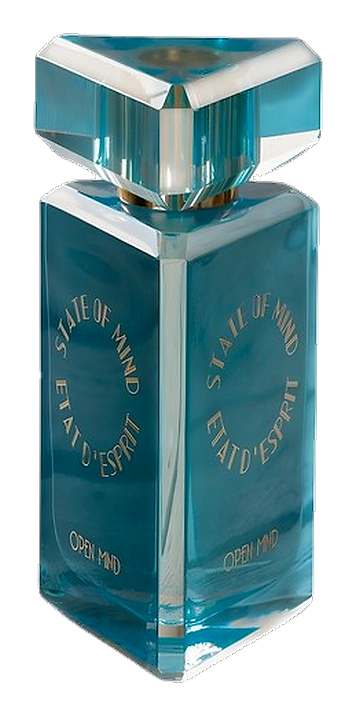
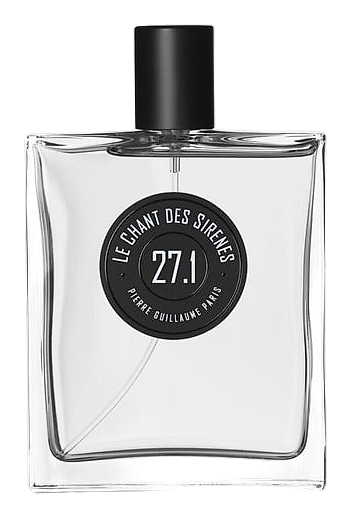
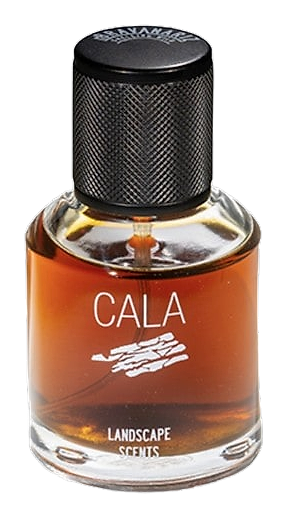
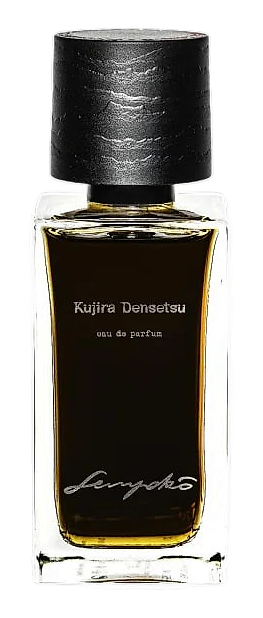
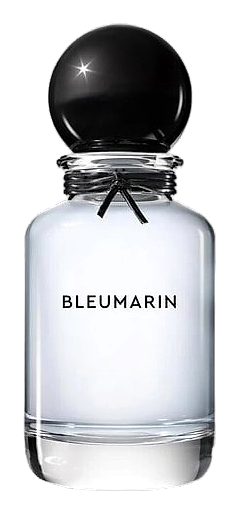
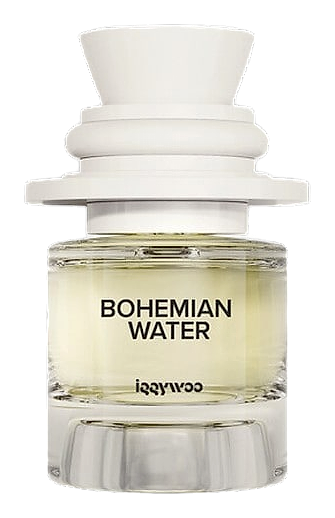
Fragrances featuring Samphire
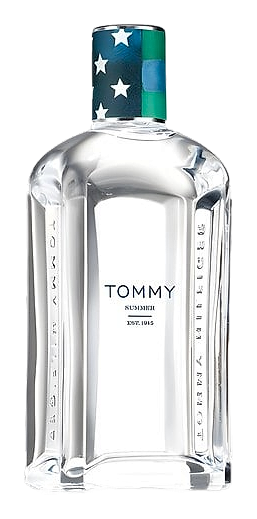
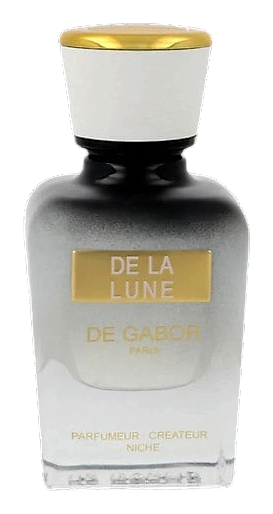
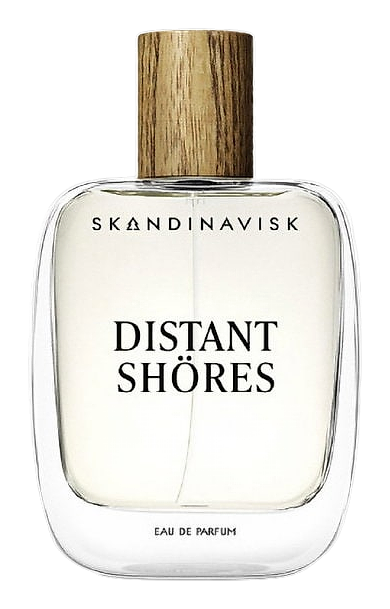
Brands
Brands known for Samphire
Good to know
Questions, answered
The essentials on Samphire in perfumery: how it smells, where it comes from, and how it behaves on skin.
What does samphire smell like in perfume?
Samphire delivers a crisp, saline-green character that recalls sea air, crushed rock samphire leaves, and a faintly peppered finish. It reads more vegetal than purely marine, giving compositions a natural coastal edge without synthetic ozonic sharpness.
Is samphire a natural or synthetic fragrance ingredient?
Natural samphire exists as a steam-distilled essential oil from the fresh herb. Synthetic alternatives recreate its salty-green profile using molecules like seaweed ketone or specific terpene blends, though many perfumers prefer the complexity of the true oil.
Where does samphire grow?
Rock samphire grows wild along Atlantic coastlines across Europe, particularly in France, the British Isles, Portugal, and Spain. It favors rocky cliffs, salt marshes, and shingle beaches where it absorbs minerals directly from seawater.
How is samphire essential oil extracted?
Harvesters cut the fresh herb by hand and load it into steam stills within hours. Steam forces the volatile oil from the plant tissue, and the resulting condensate separates into a pale essential oil rich in sabinene and dill ether.
When was samphire first used in perfumery?
Samphire entered mainstream perfumery in the late 1990s and early 2000s as perfumers sought authentic marine notes. Guerlain's Herba Fresca (1999) helped establish the ingredient as a recognizable accent in fresh, coastal compositions.
Is samphire safe for skin in fragrance?
Samphire essential oil is generally safe at typical fragrance-use dilutions. The oil shows low dermal sensitization potential in published cosmetic safety assessments, though patch testing remains wise for sensitive individuals.
What perfume families use samphire?
Samphire appears most often in fresh aquatic, green, and aromatic fougère structures. It adds lift to citrus colognes and grounds ozonic compositions with a vegetal, slightly herbaceous counterpoint to synthetic marine molecules.
Can samphire be harvested sustainably?
Sustainably managed samphire harvest leaves the root crowns intact, allowing regrowth within a single season. Wild populations on protected coastlines require permits, and cultivated sources in France and Italy now supply most commercial demand.