The Story
Why it exists.
The beginning
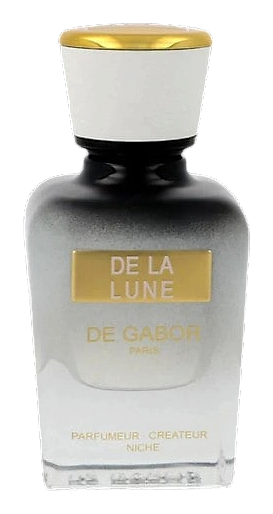
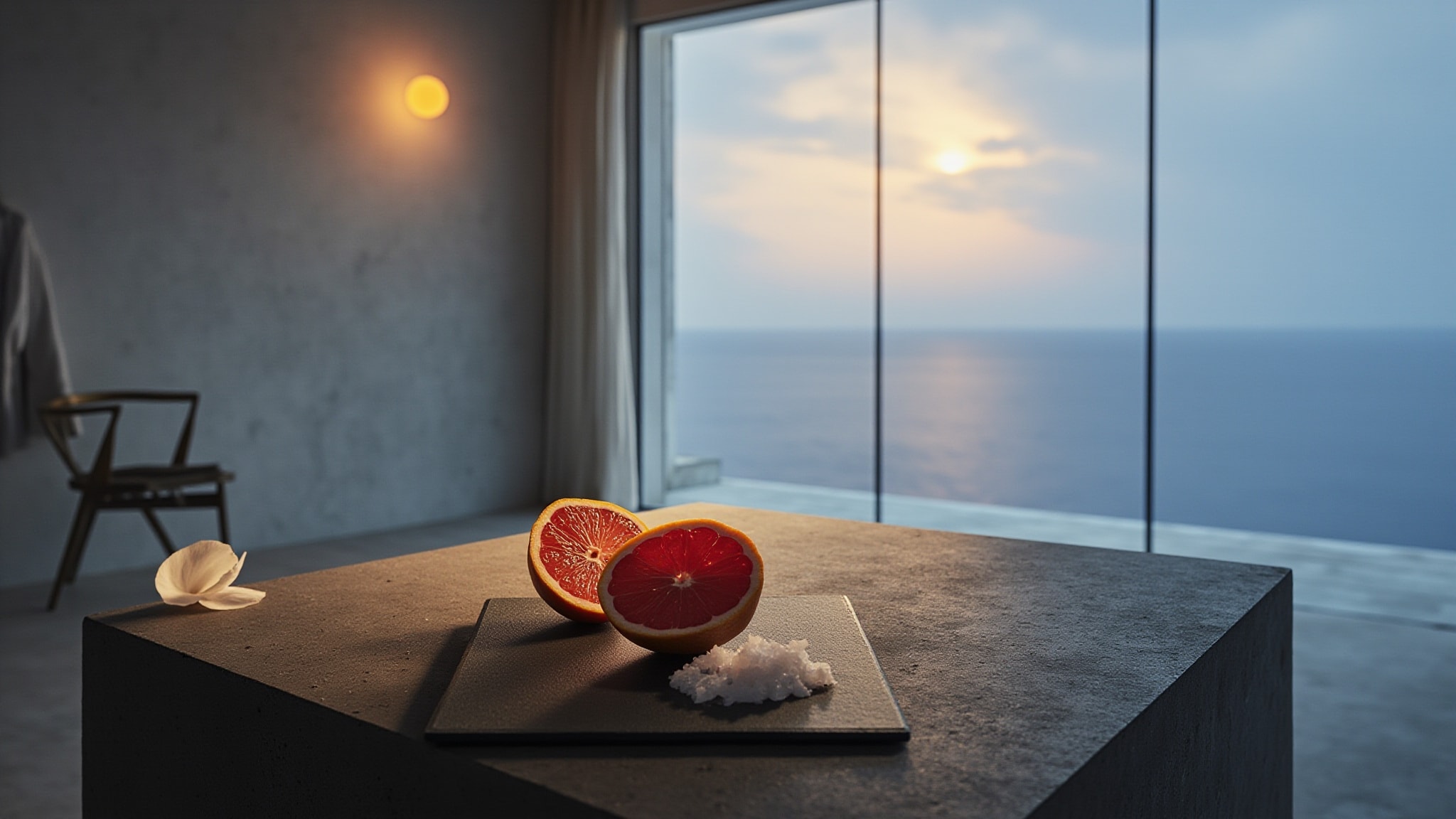
De la Lune marks a move into atmospheric sensory territory, a marine extrait built from the inside out. The brief was simple: capture the quality of air at a moonlit coastline, the mineral clarity and salt-tinged atmosphere that feels both ancient and immediate. The approach allowed for layering mineral, salty, and floral components without flattening any of them. The result sits somewhere between landscape and skin, an aquatic that refuses to be one note about water. The name carries that ambiguity: la lune, the moon, neither confirms nor denies its reference point, leaving room for the wearer to complete the story.
Marine fragrances walk a technical tightrope. The challenge is preventing synthetic aquatic from reading as flat or one-dimensional. Calone, that distinctive ozonic molecule responsible for watermelon and seaweed impressions, anchors the heart here, but it does not dominate. Jasmine and white rose bloom through the salt, softening without sweetening. The orris root adds a quiet powdery depth that rounds the florals without domesticating them. Seaweed and rock samphire keep the mineral register sharp.
The evolution
The opening announces itself with citrus, grapefruit and lemon zest cutting through the air. Bracing. Then the marine and salty notes surge in, bringing that ozonic, almost electric quality that makes you think of standing at the water's edge. The second act belongs to calone. The watermelon-seaweed impression takes over, and for a moment this fragrance could be mistaken for something purely synthetic, if the white rose and jasmine were not already softening the transition. The florals arrive, blooming quietly in the mineral register. The drydown belongs to the salty-water accord. Amber and musk settle close, warming against skin. Vetiver and moss add a mineral-earthy finish that lingers. This is the skin-the-fragrance moment, when De la Lune stops performing and starts being.
Cultural impact
De la Lune occupies a specific space in the contemporary marine category, offering something distinct from more aggressive oceanic compositions. It is mineral-salty and ozonic, with a floral heart that keeps it from reading as purely atmospheric. The extrait concentration gives it presence and depth, making it stand apart from more fleeting aquatics. Community discussion highlights the mineral base and its staying power, with the mineral character remaining prominent as the fragrance develops.
The House
De GaborDe Gabor Paris occupies a distinct position within the niche fragrance landscape, offering exclusive extrait de parfum creations from a Hungarian-born perfumer based in the French capital. The house presents a curated collection where each fragrance carries its own narrative of creation, emotion, and deliberate seduction. Gabriel Gabor established the house in 2019 with a commitment to authenticity over standardization, positioning his work as a direct response to mass-market homogeneity. The brand operates as a small atelier producing concentrated perfume extracts rather than conventional Eau de Parfum formulations, emphasizing depth and longevity through higher perfume oil concentrations. This approach reflects Gabor's philosophy that true fragrance artistry lies in personal connection rather than commercial appeal.
The Creator
Gabriel GaborGabor brings an artisanal sensibility to his compositions, favoring careful construction over formulaic approaches. His training in Grasse provided the classical foundation, but his independent trajectory has allowed him to develop a more exploratory vocabulary.