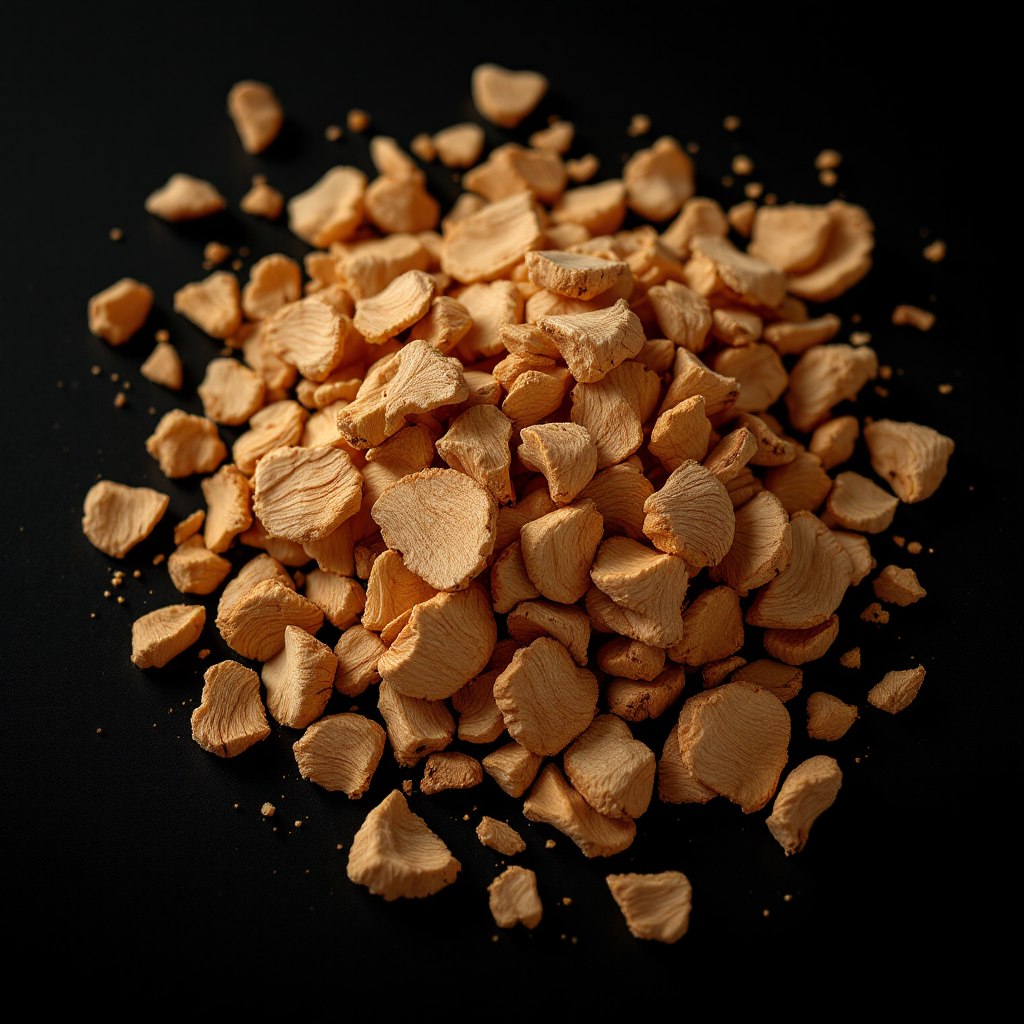
Green Oud
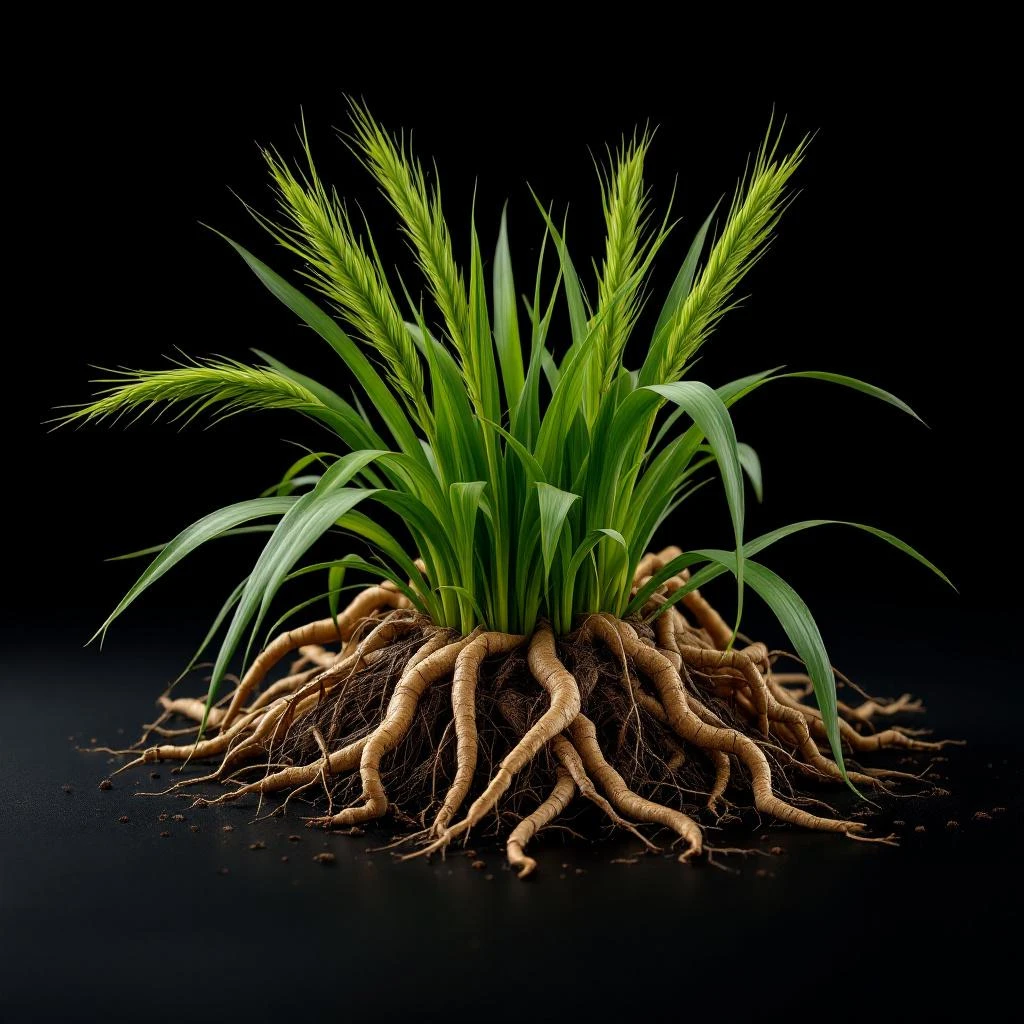
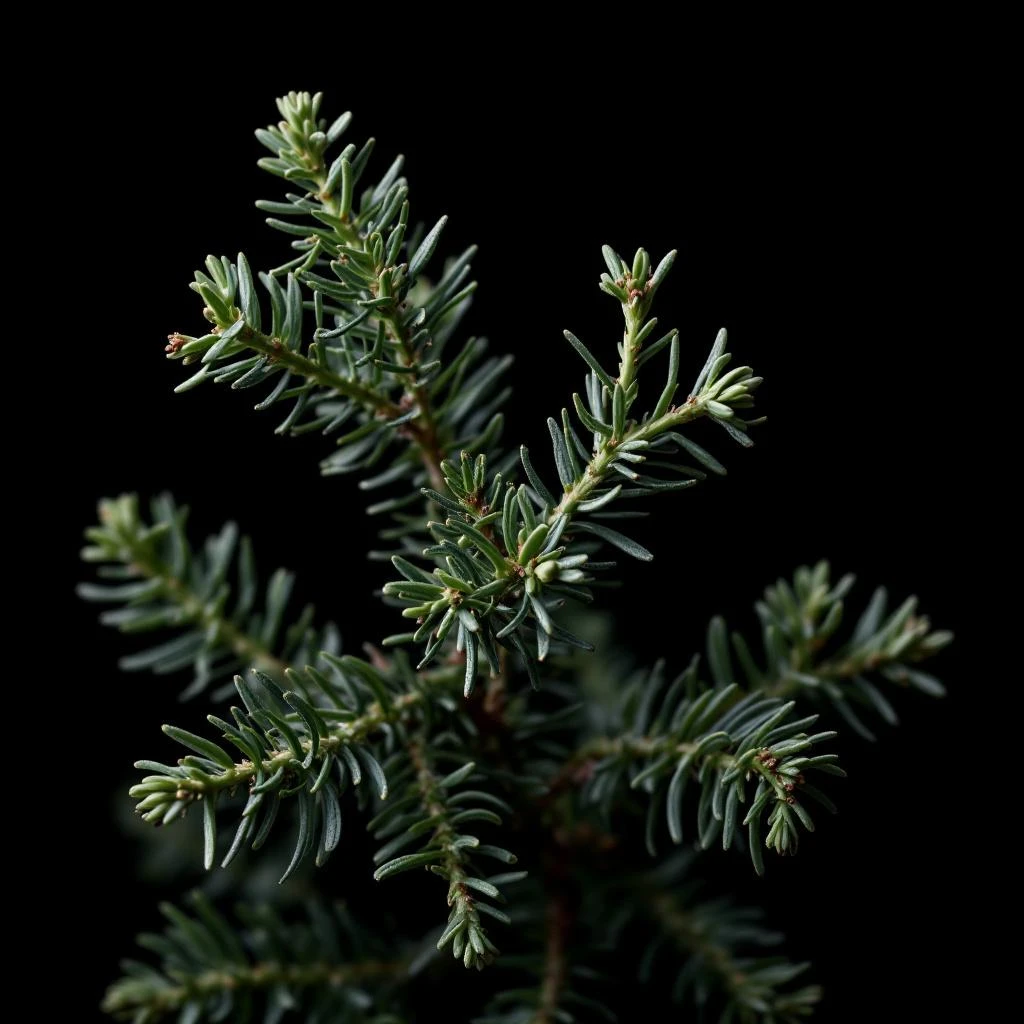
Green Oud reimagines traditional agarwood resin through fresher, verdant facets. Sourced from selectively young Aquilaria heartwood, it carries oud's signature depth alongside crisp herbal and botanical lift.
Character
How it smells
Oud's forest-fresh counterpart, greener and brighter.
Green Oud typically comes from younger Aquilaria trees or earlier resin harvests, capturing a vegetal brightness that traditional aged oud loses to deeper animalic notes.





Origin
Vietnam
Oud's documented history stretches back to central Vietnam in the third century A.D., where early Chinese records describe agarwood extraction from Aquilaria trees. Buddhist monks across Asia burned it as ceremonial incense, valuing its meditative smoke.
By the seventh century, agarwood reached the Middle East along Silk Road trade routes. The Arabic word 'oud' (meaning wood) entered widespread use, and oud became deeply embedded in Gulf perfumery traditions. Arabian perfumers applied it as attar, burned it as bakhoor, and traded it across the Islamic world.
Green Oud as a distinct category emerged more recently, as Western perfumers and niche houses began exploring oud's lighter, less animalic dimensions. Traditional aged oud develops deep leather, barnyard, and fermented notes over decades of maturation. Green Oud captures the fresher, more vegetative character present in younger resin and early distillation fractions.
Today, Aquilaria species are CITES-listed due to overharvesting. Vietnam, Laos, Cambodia, and India now operate cultivated plantations, and sustainable harvesting programs have become central to authentic oud production.
Wears it best
Fragrances featuring Green Oud
Brands
Brands known for Green Oud
Good to know
Questions, answered
The essentials on Green Oud in perfumery: how it smells, where it comes from, and how it behaves on skin.
What does Green Oud smell like?
Green Oud carries the woody depth of traditional agarwood but emphasizes fresher facets: crushed leaves, damp moss, faint citrus peel, and green sap. It smells less smoky and animalic than aged oud, with a crisper, almost forest-like profile.
How is Green Oud different from regular oud?
Traditional oud comes from heavily resin-saturated, often aged heartwood, producing deep leather and barnyard notes. Green Oud draws from younger trees or earlier harvest stages, retaining lighter, more vegetative aromatic compounds throughout production.
Where does Green Oud originate?
Green Oud's source material comes from Aquilaria trees in Southeast Asia, with Vietnam and Cambodia representing primary production regions. Traditional oud harvesting dates back to central Vietnam in the third century A.D.
Is Green Oud natural or synthetic?
Authentic Green Oud is steam-distilled from real agarwood heartwood. However, many commercial fragrances use synthetic oud accords (like Cashmeran or Iso E Super blends) to approximate green oud's character affordably.
Why is Green Oud expensive?
Agarwood production requires trees to develop resin over years, and distillation yields are extraordinarily low. Roughly 20 kilograms of resinous wood produces only about 12 milliliters of essential oil.
Is oud production sustainable?
Wild Aquilaria species are CITES-listed due to overharvesting. Vietnam, Laos, and India now operate cultivated plantations with controlled fungal inoculation, making certified sustainable oud increasingly available.
What fragrances feature Green Oud?
Green Oud appears in many niche and Middle Eastern-inspired compositions, often paired with rose, saffron, or fresh florals to balance its woody character while emphasizing lighter green facets.
Can Green Oud be worn daily?
Green Oud's fresher profile makes it more versatile than heavier aged ouds. Lighter concentrations work well in warmer months or professional settings where traditional oud might feel too intense.