Green Currant
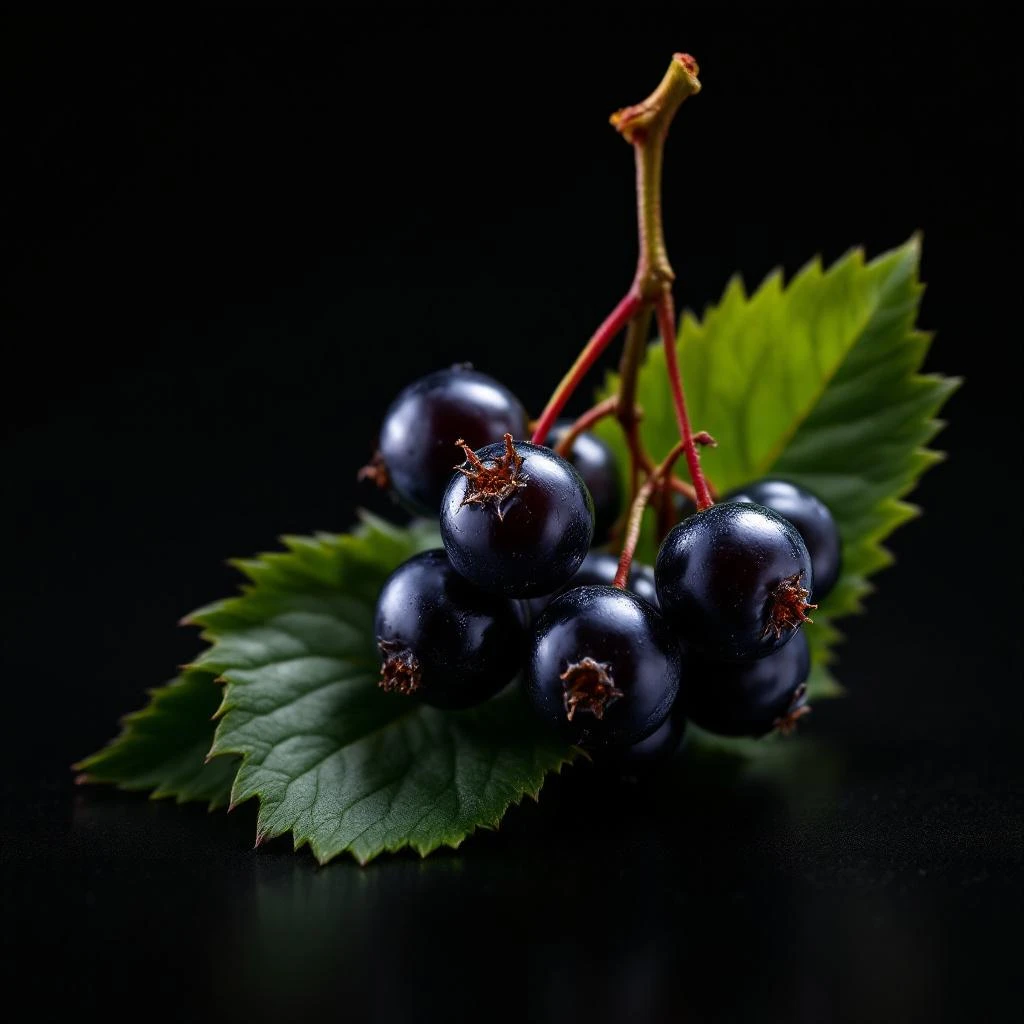
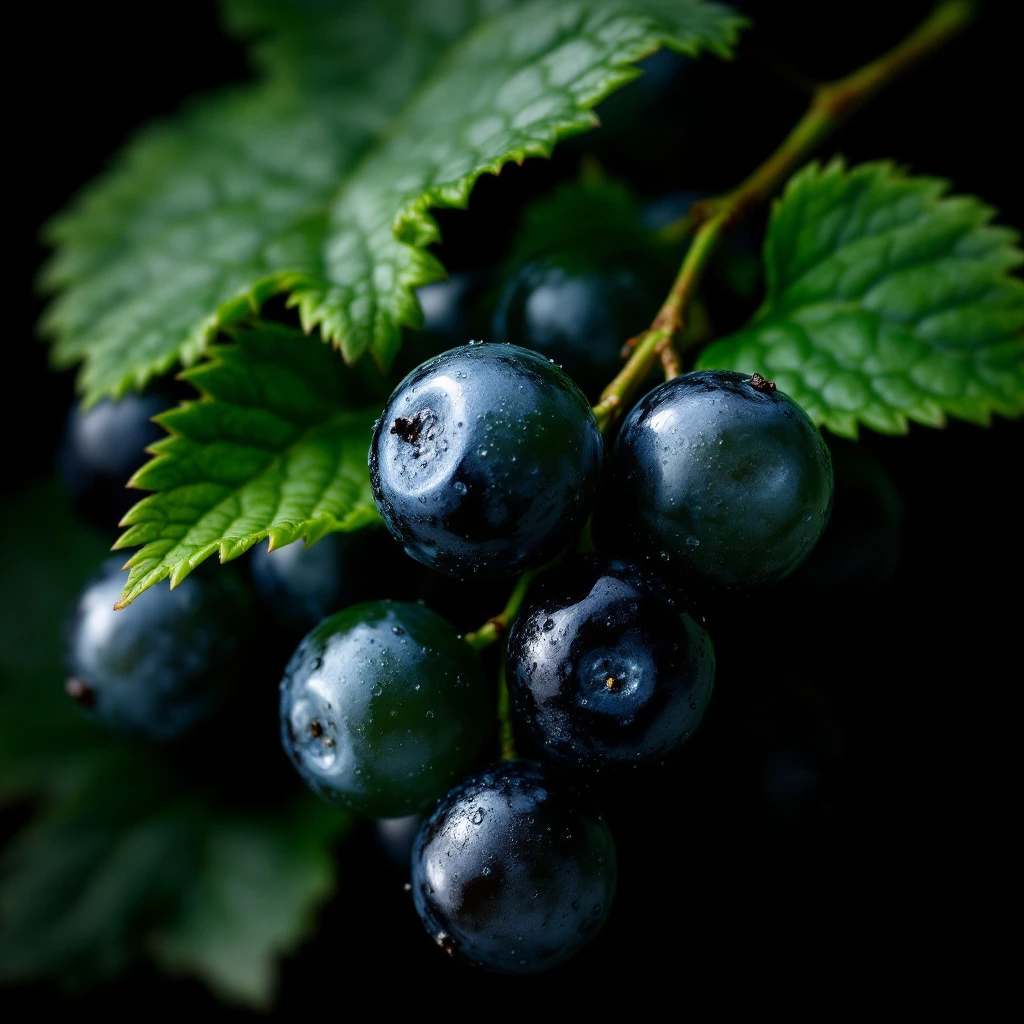
Green currant brings a tart, leafy brightness to modern fragrances. Sharper than ripe blackcurrant, it captures the moment just before the berry ripens: stem, leaf, and unripe fruit compressed into a single crisp accord.
Character
How it smells
Tart, leafy, and sharper than you expect
True currant bushes were banned from cultivation in the United States for most of the 20th century, yet their aroma became a cornerstone of European perfumery.







Origin
France
Currants, both red and black, appear in European herbal traditions stretching back to monastic medicine, where they were prescribed for digestive and inflammatory complaints. Their aromatic potential went largely unnoticed by perfumers until the mid-20th century. The breakthrough came in 1969 when the French house Hermès launched Eau de Cologne Hermès, and shortly after, other compositions began exploring the bud absolute extracted from Ribes nigrum.
Suddenly, perfumers had access to a material that smelled simultaneously fruity, green, woody, and faintly animalic, an unusual combination that opened new structural possibilities. By the 1970s, cassis notes had become a signature of the chypre and fruity-floral families. In North America, meanwhile, blackcurrant cultivation had been prohibited since 1911 to prevent the spread of white pine blister rust, a ban that lasted into the 1960s for some states.
This meant the ingredient's perfumery rise happened largely in Europe, even as American consumers were just beginning to rediscover the fruit on grocery shelves. Today, green currant accords continue to anchor compositions seeking a sharp, modern edge.
Wears it best
Fragrances featuring Green Currant
Brands
Brands known for Green Currant
Good to know
Questions, answered
The essentials on Green Currant in perfumery: how it smells, where it comes from, and how it behaves on skin.
What does green currant smell like in perfume?
Green currant smells tart, leafy, and slightly catty, sharper than ripe blackcurrant with a crisp sulfurous edge reminiscent of crushed stems and unripe fruit. It reads as fresh and acidic in compositions.
Is green currant the same as blackcurrant?
No. Green currant refers to the unripe, stem-and-leaf character of currants, while blackcurrant (cassis) typically denotes the riper, jammy fruit profile. Green currant is sharper and more vegetal.
How is green currant extracted for perfumery?
Green currant is usually reconstructed in the laboratory from synthetic molecules. When natural material is used, blackcurrant bud absolute is obtained through volatile solvent extraction of dormant flower buds.
When did green currant become popular in perfumery?
Currant notes entered mainstream perfumery in the late 1960s and 1970s, particularly in French compositions, after the development of bud absolute extraction techniques from Ribes nigrum.
Are currants related to the raisins called currants?
No. The dried fruit called a currant comes from small grapes, while fragrance currants belong to the Ribes genus. They share only a name, originally applied by 16th-century English traders.
Why are currants restricted in some countries?
Blackcurrants were banned in the United States from 1911 to the 1960s to prevent the spread of white pine blister rust. Restrictions still exist in certain states where white pines remain commercially important.
What fragrance families feature green currant?
Green currant appears most often in fruity-floral, green, and modern chypre compositions, where its sharp acidity cuts through heavier base notes like patchouli, oakmoss, or ambroxan.
Can green currant be used in natural perfumery?
True natural green currant essence is rare. Most natural perfumers rely on blackcurrant bud absolute, blackcurrant hydrosol, or co-distilled herbal infusions to approximate the green-leaf character.