Orange Tree
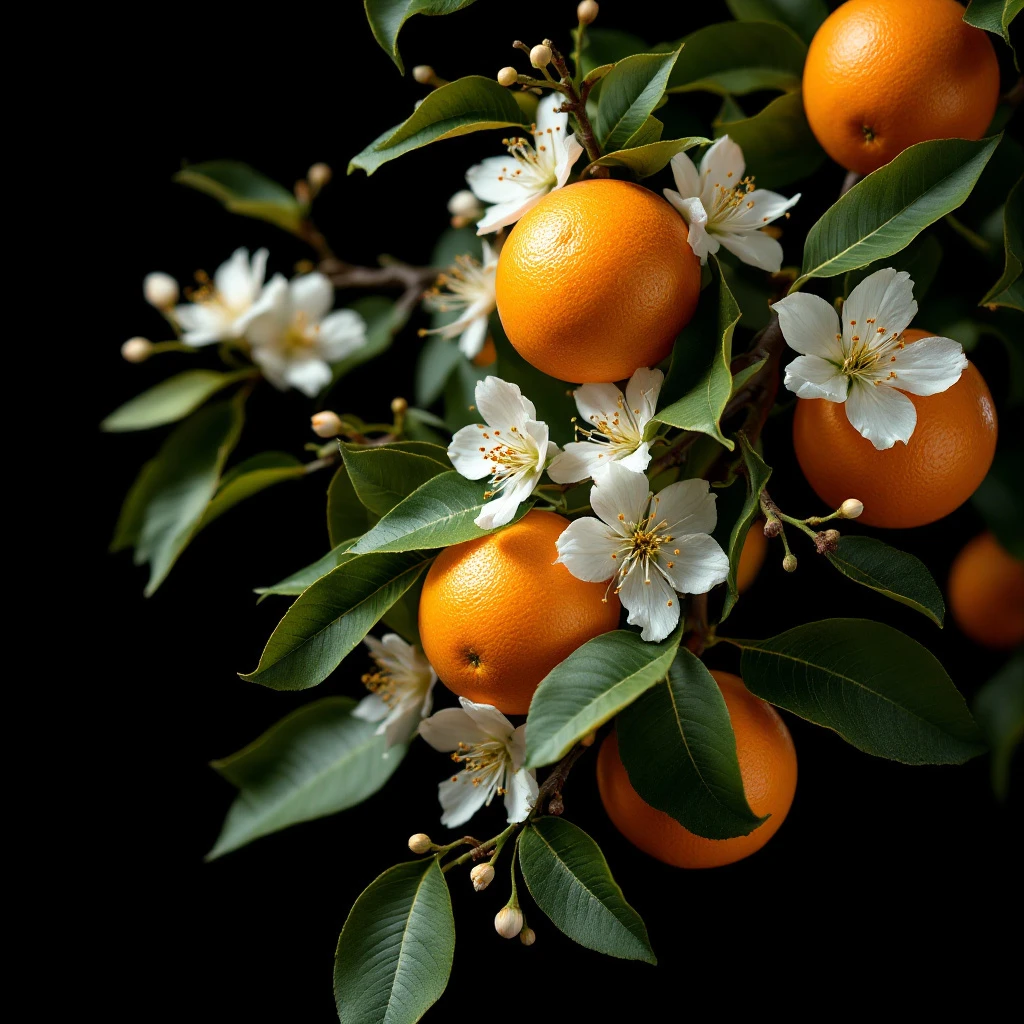
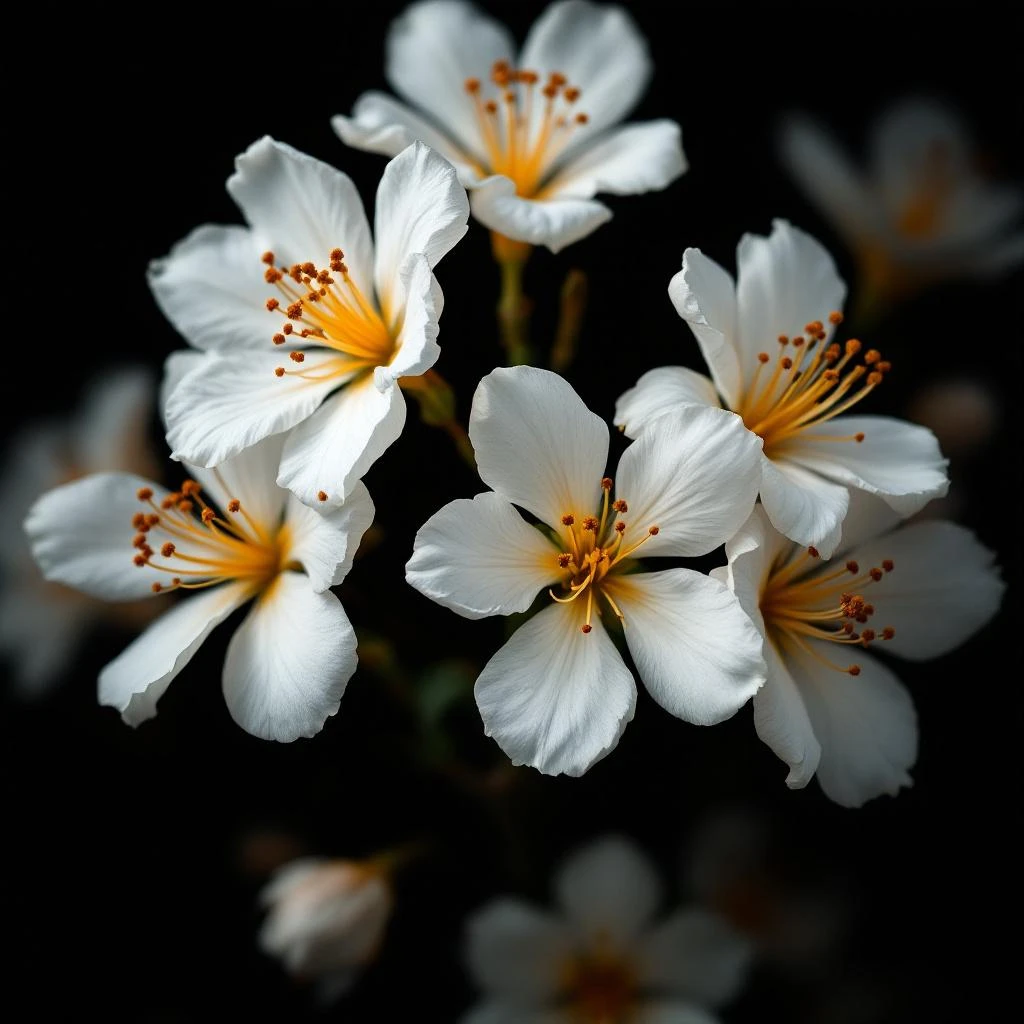
The white flowers of the bitter orange tree yield one of perfumery's most cherished materials. Orange blossom absolute captures an intoxicating, nectarous floral with sunny warmth and honeyed undertones.
Character
How it smells
Mediterranean sunshine distilled into bloom
A bitter orange tree requires roughly 15 years to reach full flower production yet yields only 1-2kg of blossoms annually.







Origin
Tunisia
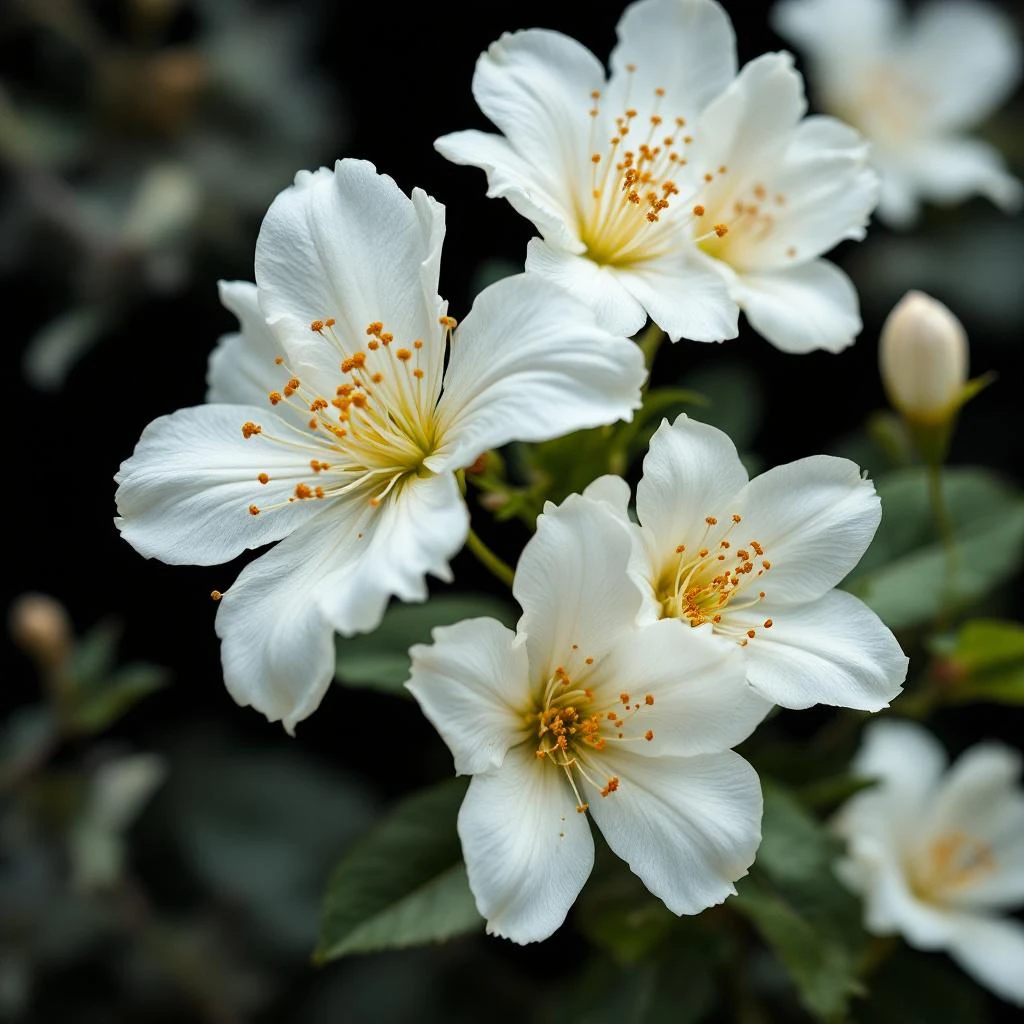
Arab traders first carried the bitter orange tree to the Mediterranean basin in the 9th century, establishing a relationship that would shape perfumery for over a millennium. By the early 19th century, French growers began cultivating orange blossom specifically for the perfume industry, with the region around Grasse becoming the epicenter of production. Hand-harvesters collected blossoms at dawn during the brief flowering season, and the industry expanded rapidly as eau de cologne formulas evolved.
Production in France declined roughly fifty years after establishment, but Tunisia emerged as a primary source, maintaining cultivation traditions that stretch back centuries. Beyond commerce, orange blossom carries deep cultural weight: the flower has long symbolized purity and fertility, traditionally featured in bridal wear and wedding ceremonies across the Mediterranean.
Wears it best
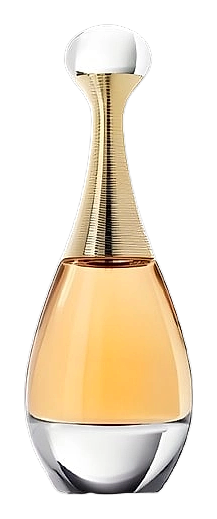
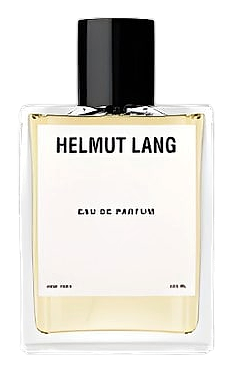
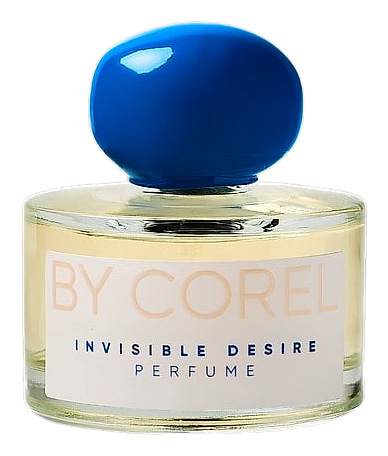
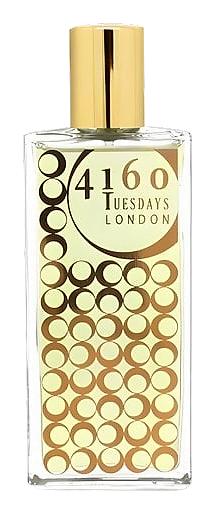
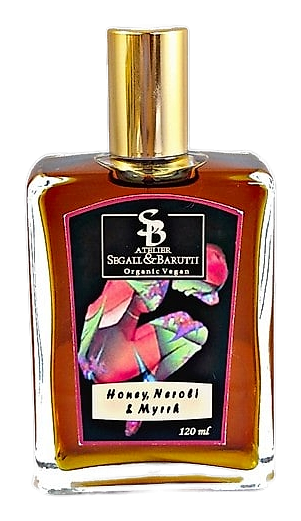
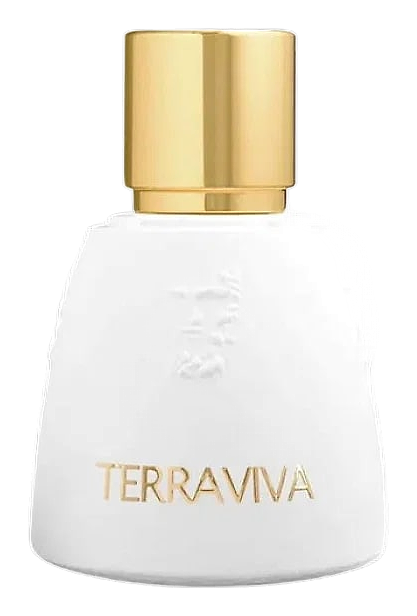
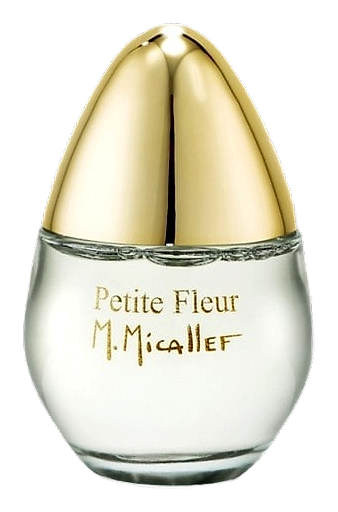
Fragrances featuring Orange Tree
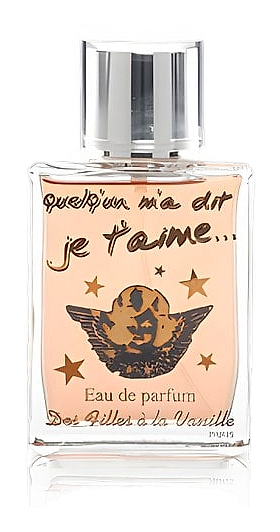
Brands
Brands known for Orange Tree
Good to know
Questions, answered
The essentials on Orange Tree in perfumery: how it smells, where it comes from, and how it behaves on skin.
What fragrance family does orange blossom belong to?
Orange blossom belongs to the white floral family. It presents a distinctive combination of sweet, nectarous floral notes with subtle bitter and green undertones that set it apart from other florals like jasmine or rose.
What is the difference between orange blossom absolute and neroli oil?
Both derive from bitter orange blossoms but through different processes. Solvent extraction produces orange blossom absolute, yielding a richer, more concentrated material. Steam distillation produces neroli oil, which offers brighter, more volatile top notes.
Can orange blossom be synthesized artificially?
Synthetic alternatives exist, including aroma chemicals like methyl anthranilate and dimetol. However, natural orange blossom captures a complex aromatic profile that synthetics only partially replicate, which is why naturals remain prized in fine perfumery.
What does orange blossom smell like?
Orange blossom opens with bright, citrusy floral notes reminiscent of fresh orange peel and green stems. The heart reveals sweet, almost honeyed floralcy with occasional indolic undertones that add depth and animalic warmth.
Which perfume notes pair well with orange blossom?
Orange blossom harmonizes naturally with other citrus materials, white florals like jasmine and tuberose, and warm bases including vanilla, amber, and sandalwood. It also bridges freshness and sensuality when combined with musks.
How long has orange blossom been used in perfumery?
Orange blossom became industrially significant in the 19th century, particularly in eau de cologne production. However, Arab traders introduced the bitter orange tree to the Mediterranean as early as the 9th century.
Why is orange blossom associated with weddings?
Orange blossom has symbolized purity, fertility, and chastity across Mediterranean cultures for centuries. Brides traditionally wore or carried orange flowers, a tradition that influenced perfume design as houses created bridal fragrances featuring this note.
What parts of the orange tree are used in perfumery?
The bitter orange tree yields four distinct materials: orange blossom absolute from flowers, neroli oil from distilled flowers, petitgrain from leaves and twigs, and orange flower water as a co-product of distillation.