Glasswort
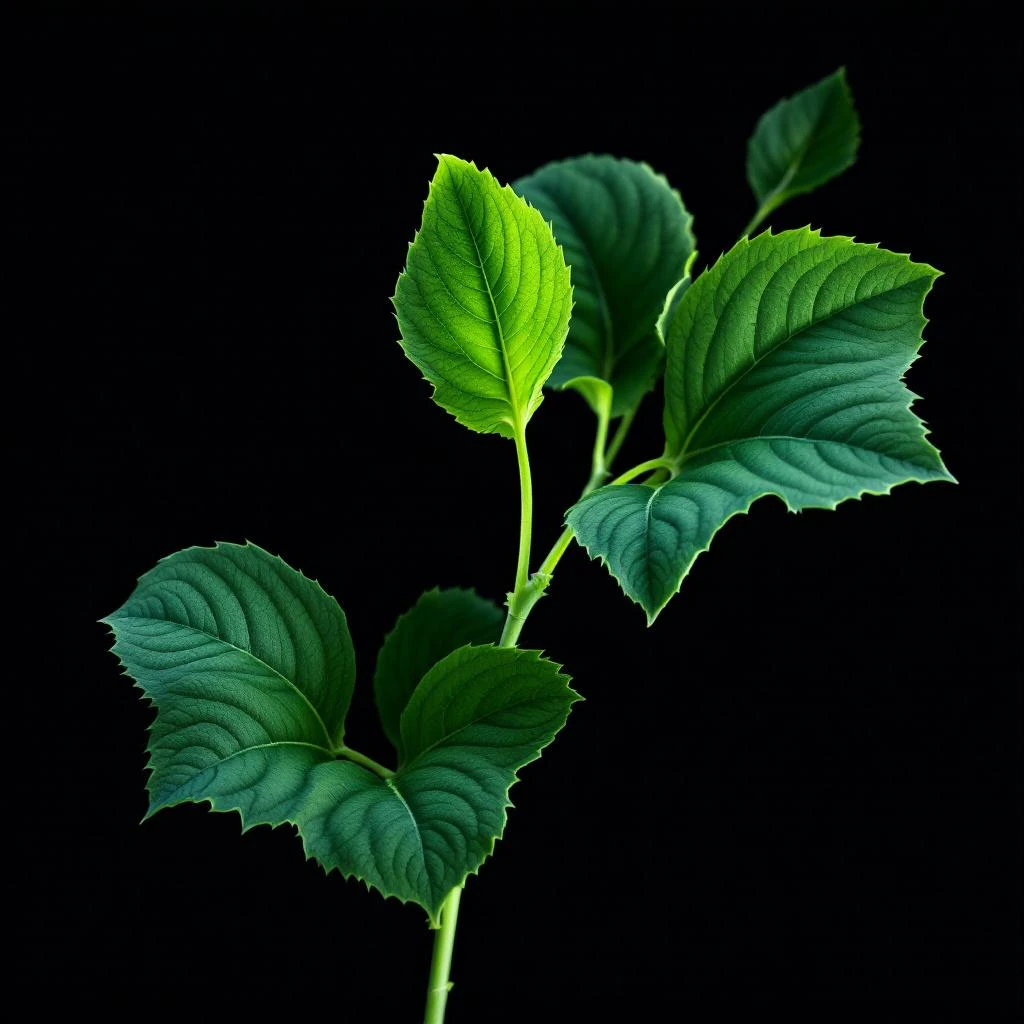
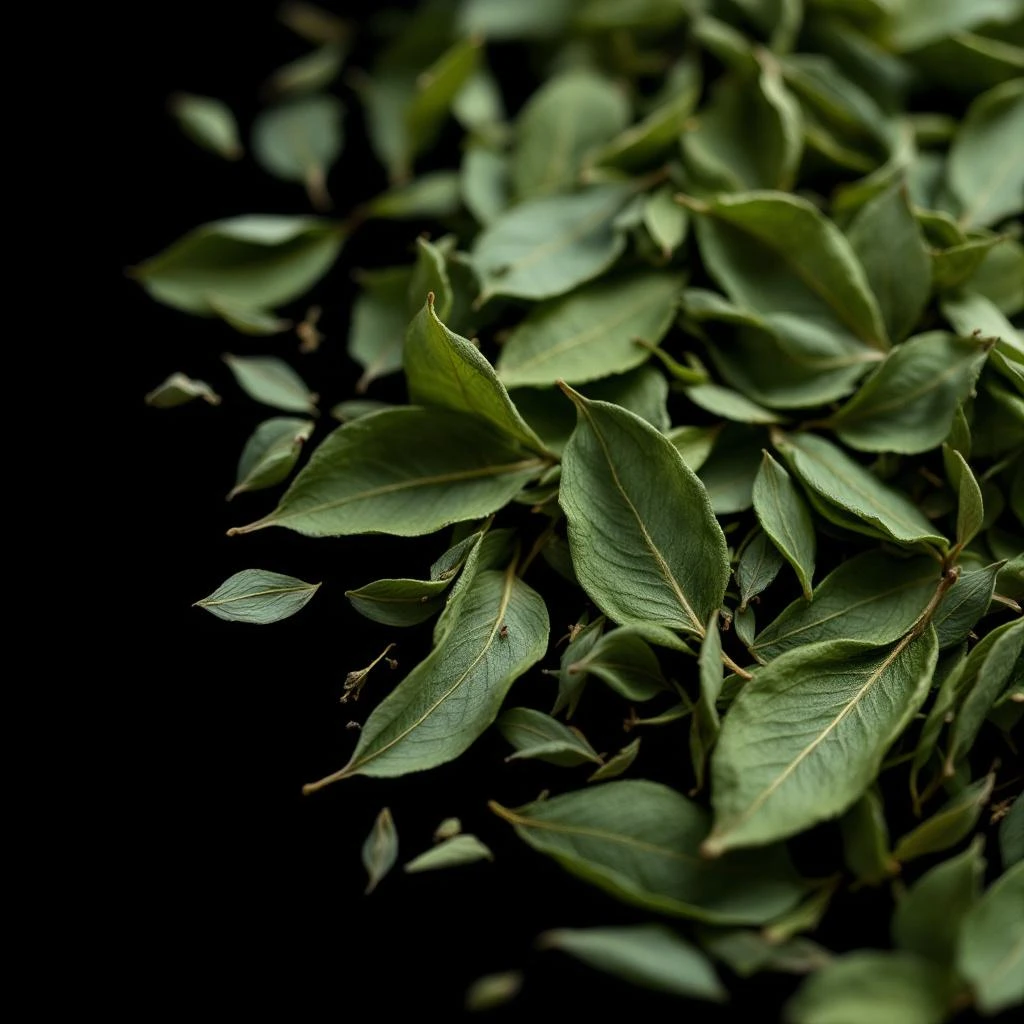
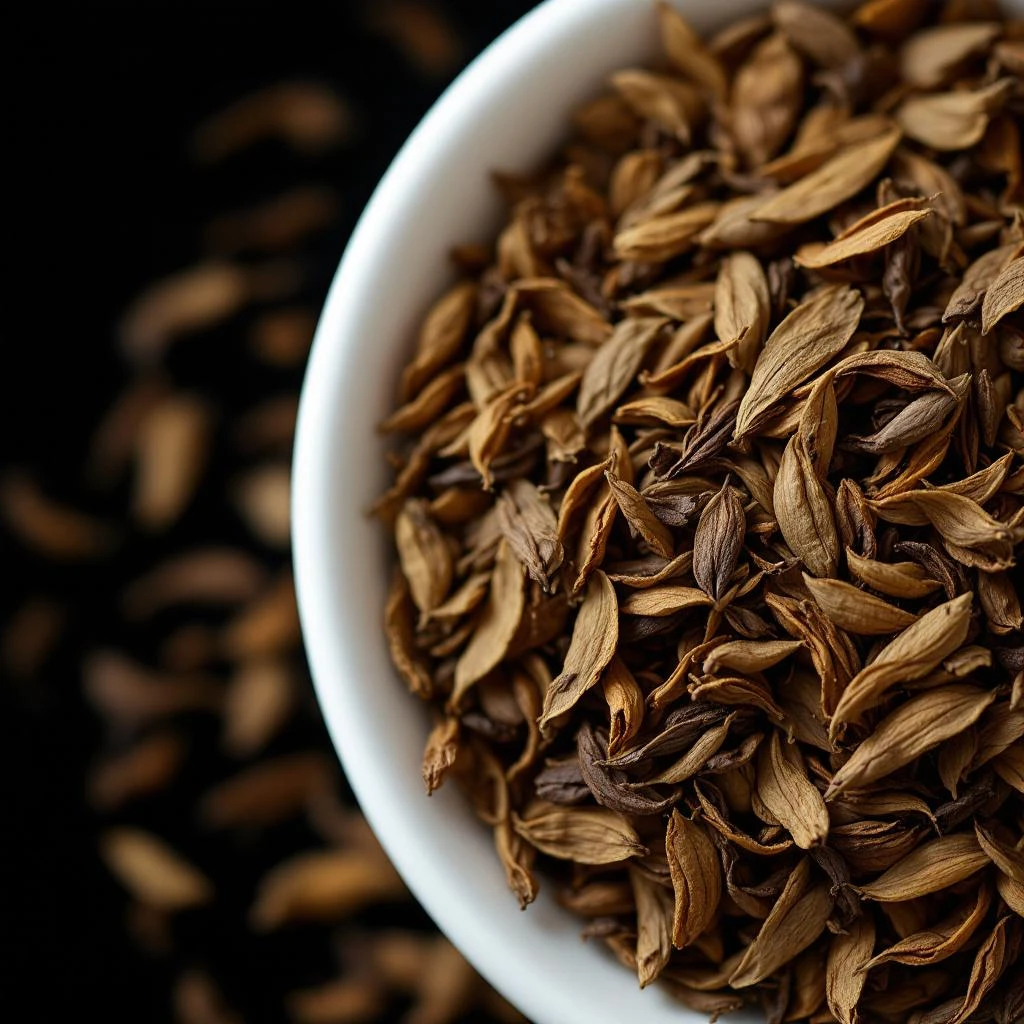
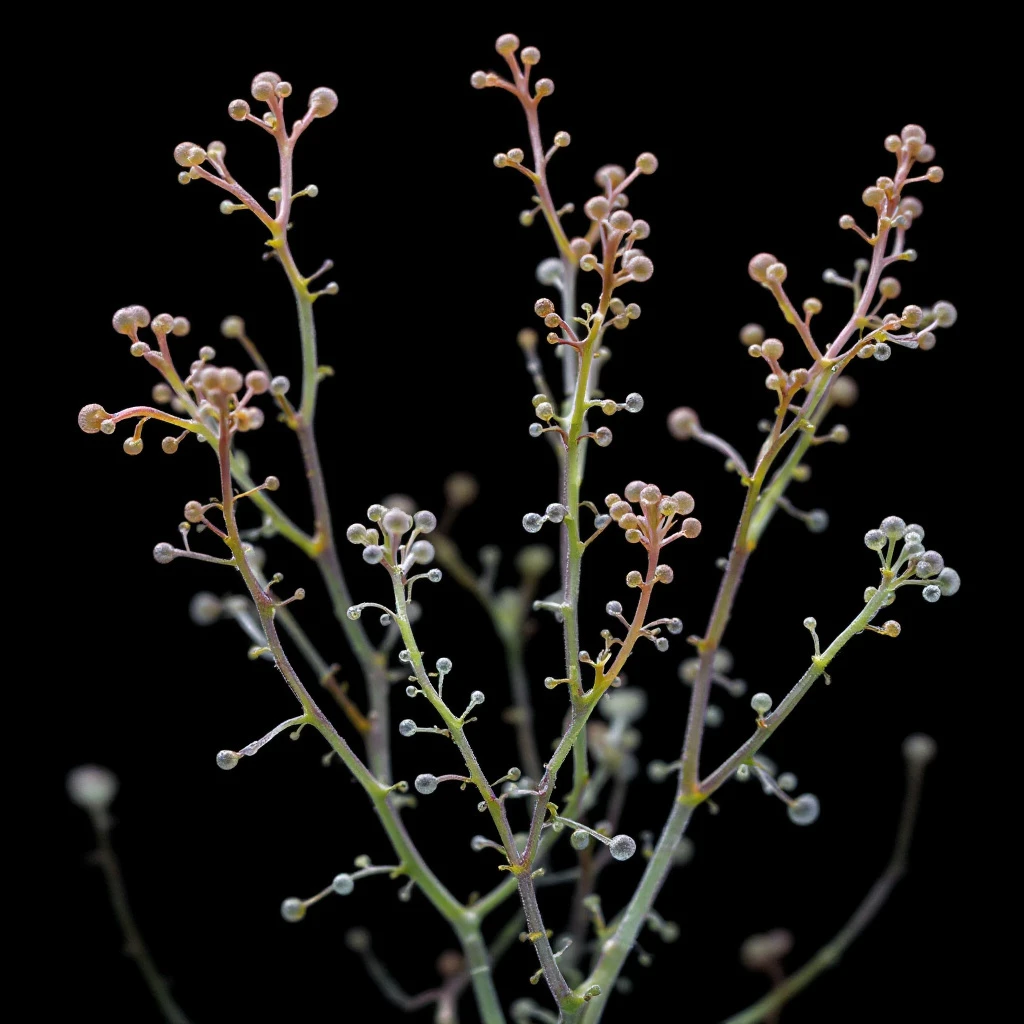
Glasswort is a salt-loving herb harvested from coastal marshes. Its mineral accent adds briny, oceanic lift to modern perfumery, evoking sea spray and weathered driftwood.
Character
How it smells
The marsh herb that wears the ocean.
Glasswort gets its name from the soda-rich ash it yields when burned, a substance historically used in early glass and soap making.



Origin
France
Glasswort belongs to the Amaranthaceae family and has served coastal communities for centuries. Medieval European glassmakers burned the plant to extract soda ash, the key flux that lowered silica melting points, earning the herb its common name. The same ash entered traditional soap production across the Mediterranean basin.
Fisherfolk in Brittany and the Basque country pickled the young stems as a sea-side vegetable called samphire or haricot de mer. Its path into perfumery is far more recent. Marine accords gained commercial traction in the early 2000s, and perfumers needed natural materials that captured authentic coastal atmosphere without synthetic shortcuts.
Glasswort answered with its built-in salinity. Today it anchors niche compositions aiming for literal seaside realism, appearing in several artisan launches since 2010. The ingredient bridges old-world folk utility and contemporary olfactory design.
Wears it best
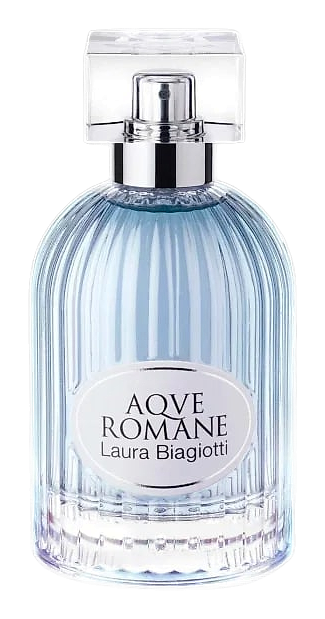
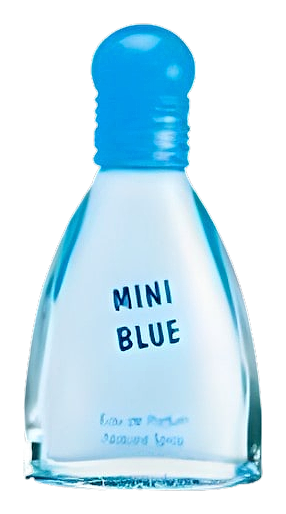
Fragrances featuring Glasswort
Brands
Brands known for Glasswort
Good to know
Questions, answered
The essentials on Glasswort in perfumery: how it smells, where it comes from, and how it behaves on skin.
What does glasswort smell like in perfume?
Glasswort offers a distinctive briny, mineral character with green and iodine undertones. It evokes sea spray and salt marsh vegetation rather than floral sweetness, making it ideal for marine and ozonic compositions.
Is glasswort a natural or synthetic perfume ingredient?
Glasswort is a natural ingredient, steam-distilled from fresh Salicornia stems. Synthetic alternatives exist for cost reasons, but natural glasswort oil carries more complex saline nuances that many perfumers prefer.
Why is it called glasswort?
The name comes from its historic use in glassmaking. When burned, glasswort yields soda ash, a flux that lowers the melting point of silica. Medieval European glassmakers relied on this property for centuries.
Where does glasswort grow for perfumery?
Perfumery-grade glasswort is primarily wild-harvested along Atlantic coastlines, especially in Brittany and southern Portugal. The plant thrives in salt marshes where soil salinity excludes most other flora.
When did glasswort enter modern perfumery?
Glasswort appeared in niche marine fragrances in the early 2000s as perfumers sought authentic natural materials for oceanic compositions. Several artisan launches between 2008 and 2015 featured it prominently.
Can you eat glasswort?
Yes. Young glasswort stems are edible and have been harvested as a sea-side vegetable, sometimes called samphire or sea beans, across European coastal cuisines for generations.
How is glasswort essential oil produced?
Fresh glasswort stems undergo steam distillation. Yields are low, typically requiring several hundred kilograms of plant material to produce one kilogram of oil, which contributes to its rarity.
What fragrance families use glasswort?
Glasswort appears most often in marine, aquatic, and aromatic compositions. It also bridges green and ozonic families, adding saline lift to colognes and unisex scent profiles.