Cornflower
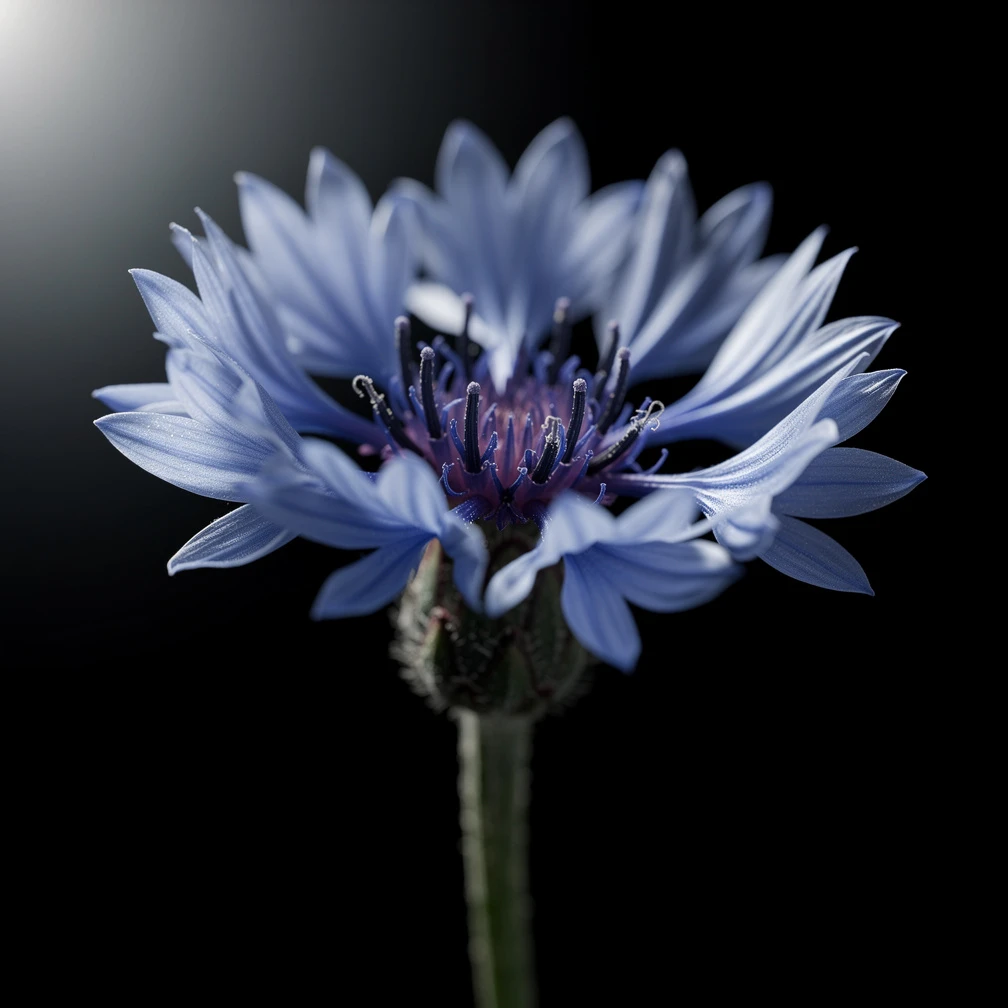
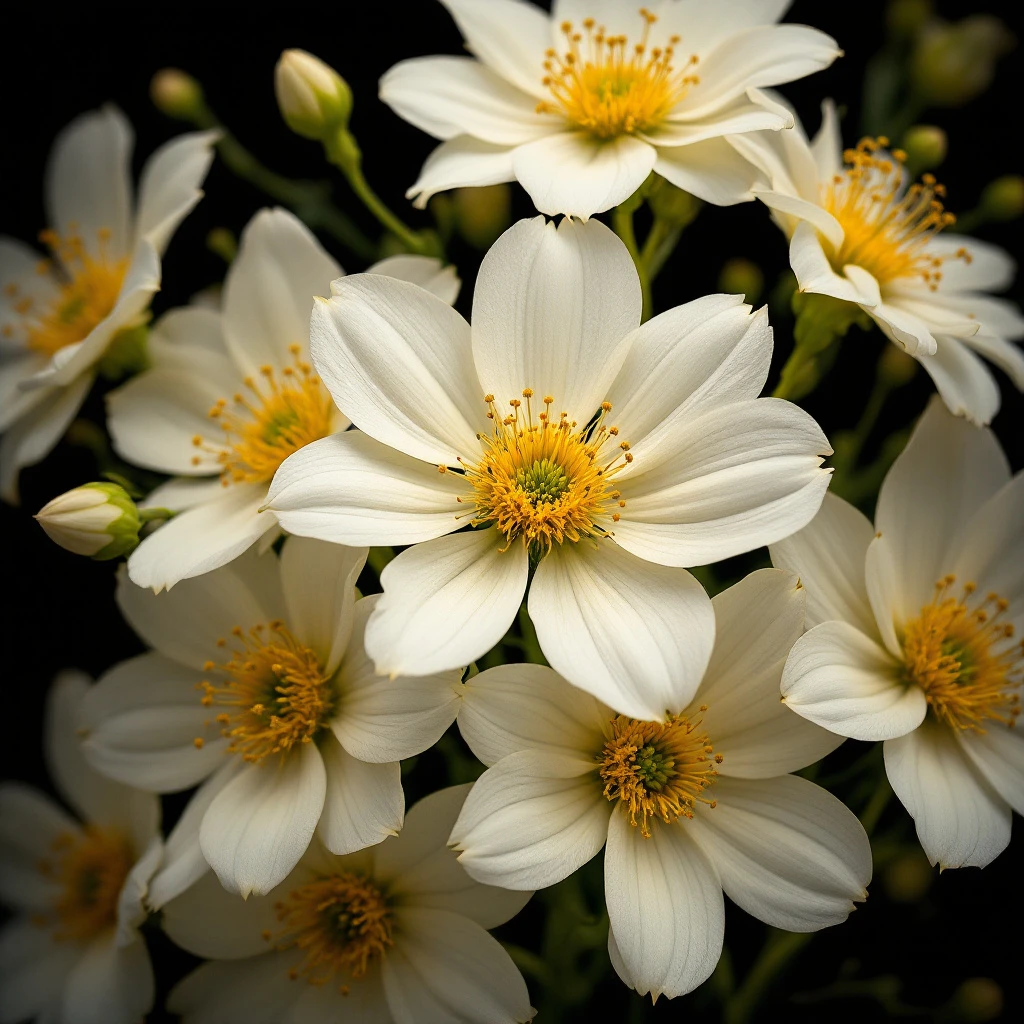
Cornflower brings a crisp, green‑blue note that lifts a blend with a subtle herbaceous sweetness, echoing fresh meadow air at sunrise.
Character
How it smells
Blue‑hued herbaceous sparkle for modern palettes.
The pigment that colors cornflower petals, p‑coumaric acid, was the first natural blue dye isolated chemically in 1818, laying groundwork for today’s synthetic blues.




Origin
Romania
Cornflower has traced a winding path from field to fragrance. Ancient Egyptians used the blue petals as a dye for ceremonial garb, while medieval European herbalists prized the flower for its soothing properties.
By the 18th century, French perfumers in Grasse began experimenting with cornflower concrete, noting its fresh, slightly sweet aroma. A 1792 inventory from a Parisian atelier lists cornflower as a component in a “coup de cœur” eau de cologne, marking its earliest recorded use in a commercial perfume.
The flower’s popularity surged in the Art Nouveau era, when designers sought natural, pastel hues for both visual and olfactory creations. Today, cornflower appears in niche compositions that aim for a clean, garden‑inspired character, honoring its centuries‑old role as a bridge between color and scent.
Wears it best
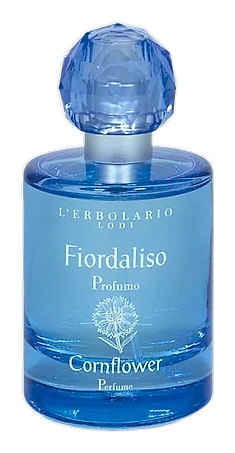
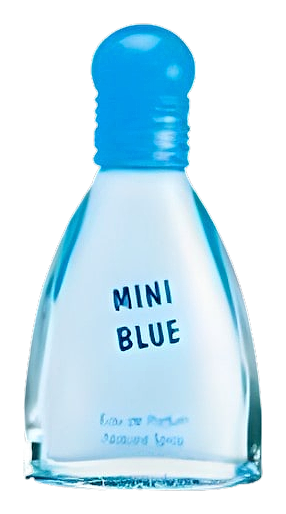
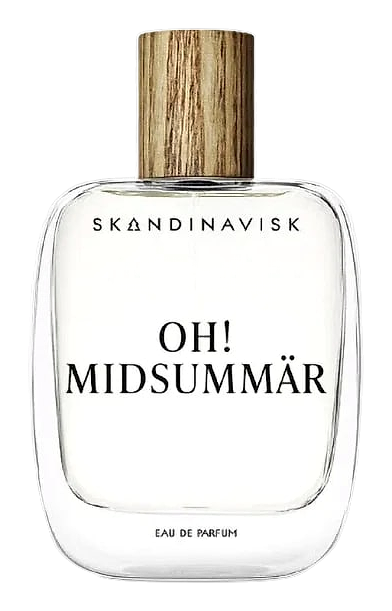
Fragrances featuring Cornflower
Brands
Brands known for Cornflower
Good to know
Questions, answered
The essentials on Cornflower in perfumery: how it smells, where it comes from, and how it behaves on skin.
Which part of the cornflower is used in perfumery?
The fragrant petals provide the raw material for cornflower absolute. Harvesters pick the heads at peak bloom, then dry the petals before extraction. A 2021 study recorded a 0.2 % oil yield from dried petals.
How is cornflower absolute extracted?
Solvent extraction pulls the aromatic compounds from dried petals. Hexane creates a concrete, which ethanol washes into a pure absolute. In 2020, a leading lab reported a 95 % recovery rate using this method.
Does cornflower pose any allergen risks?
Cornflower is generally low‑risk for skin irritation, but rare sensitization can occur in highly fragrance‑sensitive individuals. The International Fragrance Association listed cornflower as a Level 2 allergen in its 2022 report.
What scent profile does cornflower contribute?
Cornflower adds a fresh, green‑blue herbaceous note with a faint honeyed sweetness. Perfumers describe it as crisp and slightly metallic, similar to a cool meadow breeze. A 2019 sensory panel gave it a 7.2 rating on a 10‑point freshness scale.
Is cornflower cultivation sustainable?
Cornflower thrives in low‑input fields and can be rotated with cereals, reducing soil depletion. Romanian farms report a 12 % increase in biodiversity when cornflower is interplanted, according to a 2023 agricultural survey.
Which classic perfumes feature cornflower?
Early 20th‑century French colognes such as “Eau de Cornflower” (1915) highlighted the note, and modern niche houses like Le Labo include it in “Blue Meadow”. A 2018 fragrance archive lists cornflower in over 30 historic formulas.
How does cornflower compare to other blue floral notes?
Cornflower offers a greener, less powdery profile than bluebell or hyacinth. Its aroma leans toward herbaceous freshness rather than heavy sweetness. In a 2022 comparative test, cornflower scored higher for clarity but lower for intensity than bluebell.
Can cornflower be reproduced synthetically?
Synthetic analogues mimic the key lactone and coumarin fragments of cornflower oil, but they lack the nuanced blue‑green character of the natural absolute. The synthetic version accounts for roughly 15 % of market use, according to a 2021 industry report.




