The Story
Why it exists.
The beginning
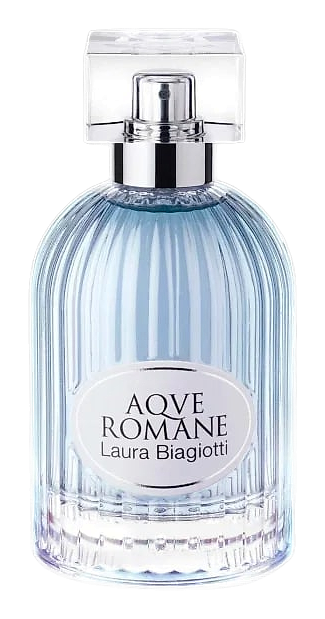
Rubus Maris translates to 'sea bramble', and that's the whole brief in two words: something that grows wild at the waterline, neither fully garden nor fully ocean. Launched in 2025 as part of the Aqve Romane collection, it came from perfumer Véronique Nyberg working inside Laura Biagiotti's coastal register. The composition treats the shoreline as a setting worth inhabiting rather than a postcard to glance at. A bramble at the shore fits naturally into the house's ongoing conversation with place, where each release marks another coordinate rather than chasing a trend. Nyberg's approach reads as deliberately rooted in materials: glasswort pulled from marshland, salt that doesn't behave like a clean laboratory reagent, rose absolute carrying its Turkish and Bulgarian weight.
The unusual move is putting glasswort and salt in the heart alongside rose absolute and sea daffodil. Salt in florals is a tightrope. Too much and the flowers go metallic; too little and the marine reference collapses into shower-gel territory. Ginger sorbet at the top keeps the opening sharp and food-like, cutting through any sweetness with a cool, almost candied heat that lingers just long enough to set the stage. Heliotrope in the base adds a powdery almond softness that keeps everything from feeling briny for the sake of it.
The evolution
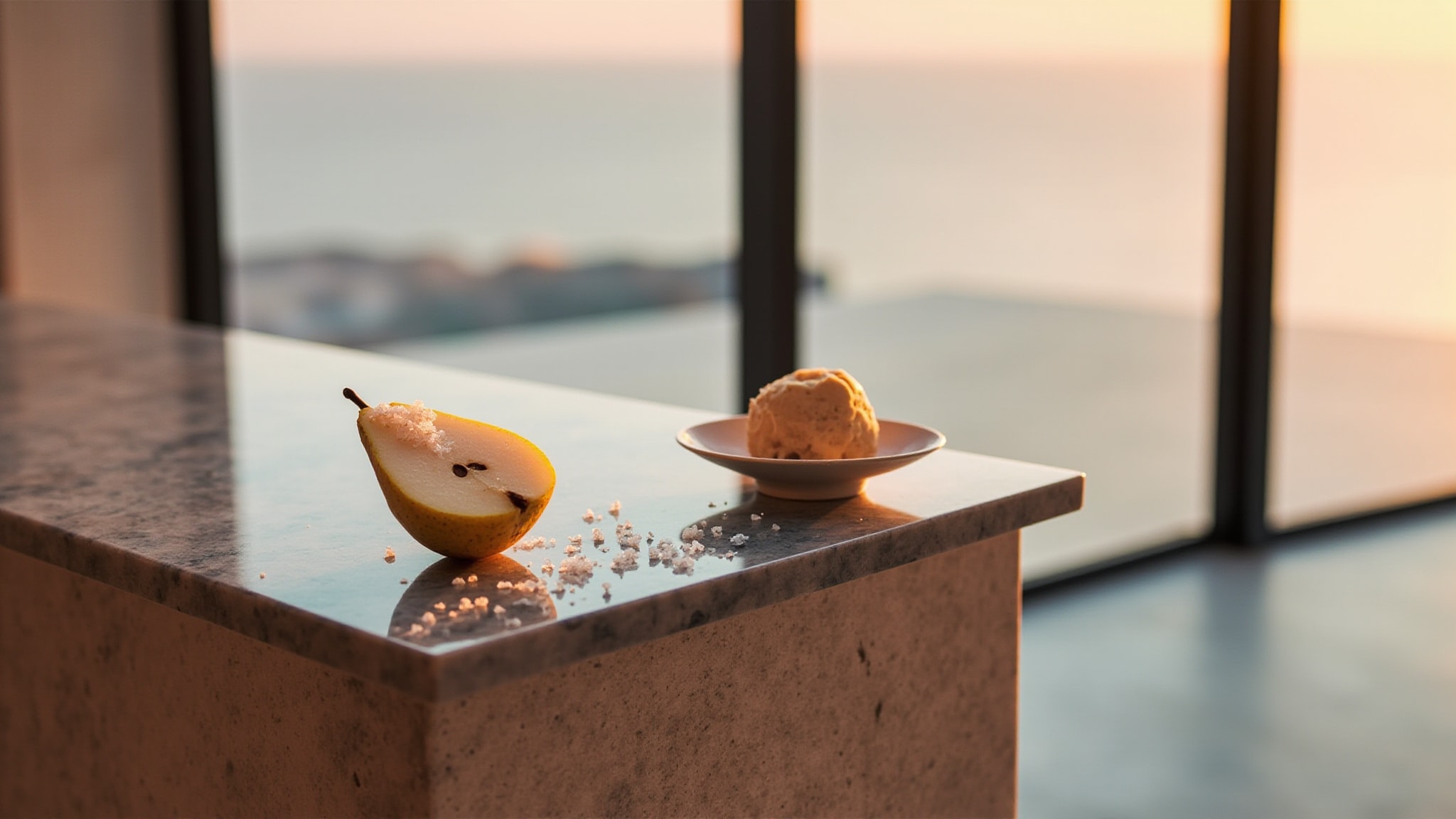
The first ten minutes are cool and almost edible: pear and ginger sorbet reading like a frozen dessert left too close to sea air. Pink pepper adds a shimmer that feels more like light than heat. Then the salt and glasswort arrive and the whole thing tilts marine, but not aggressively so. The rose absolute and sea daffodil soften the salt rather than fighting it. By the two-hour mark the vanilla and cashmere wood have taken over, and what started oceanic lands somewhere warm, slightly powdery, and surprisingly wearable in cool weather. It holds close to the skin rather than announcing itself, so a reapplication at the wrists by mid-afternoon keeps the composition fully alive. On fabric the next morning, the heliotrope is the last thing standing, sweet, almond-like, faintly medicinal.
Cultural impact
The heliotrope-vanilla base gives Rubus Maris enough warmth to extend beyond beach season into transitional months, wearing just as well under a linen shirt in late September as it does on a hot afternoon in July. The Italian framing and the Aqve Romane collection context make it read as a considered composition rather than another seasonal release chasing the summer calendar. Marine florals have spent the last decade rediscovering what salt can actually do when it's allowed to be a material instead of a suggestion, and Rubus Maris sits comfortably in that current.