Italian pear
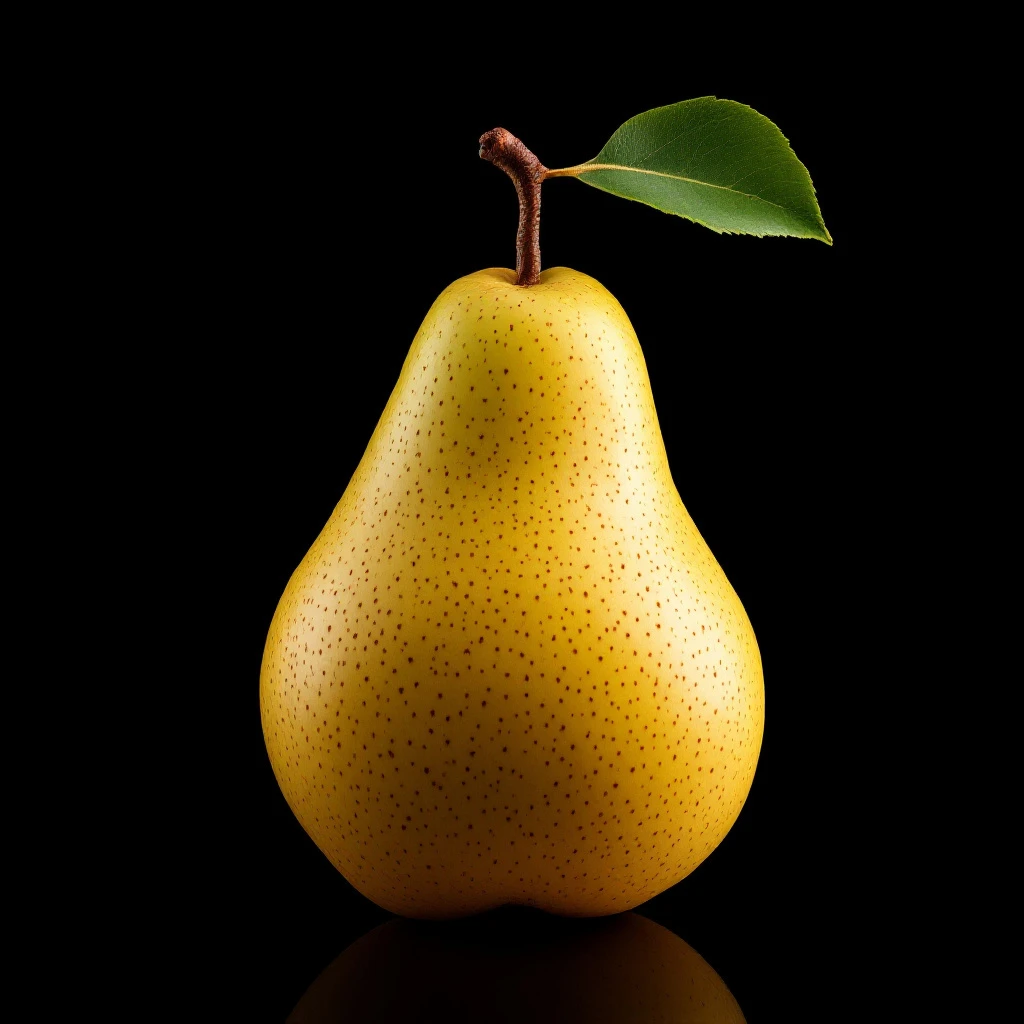
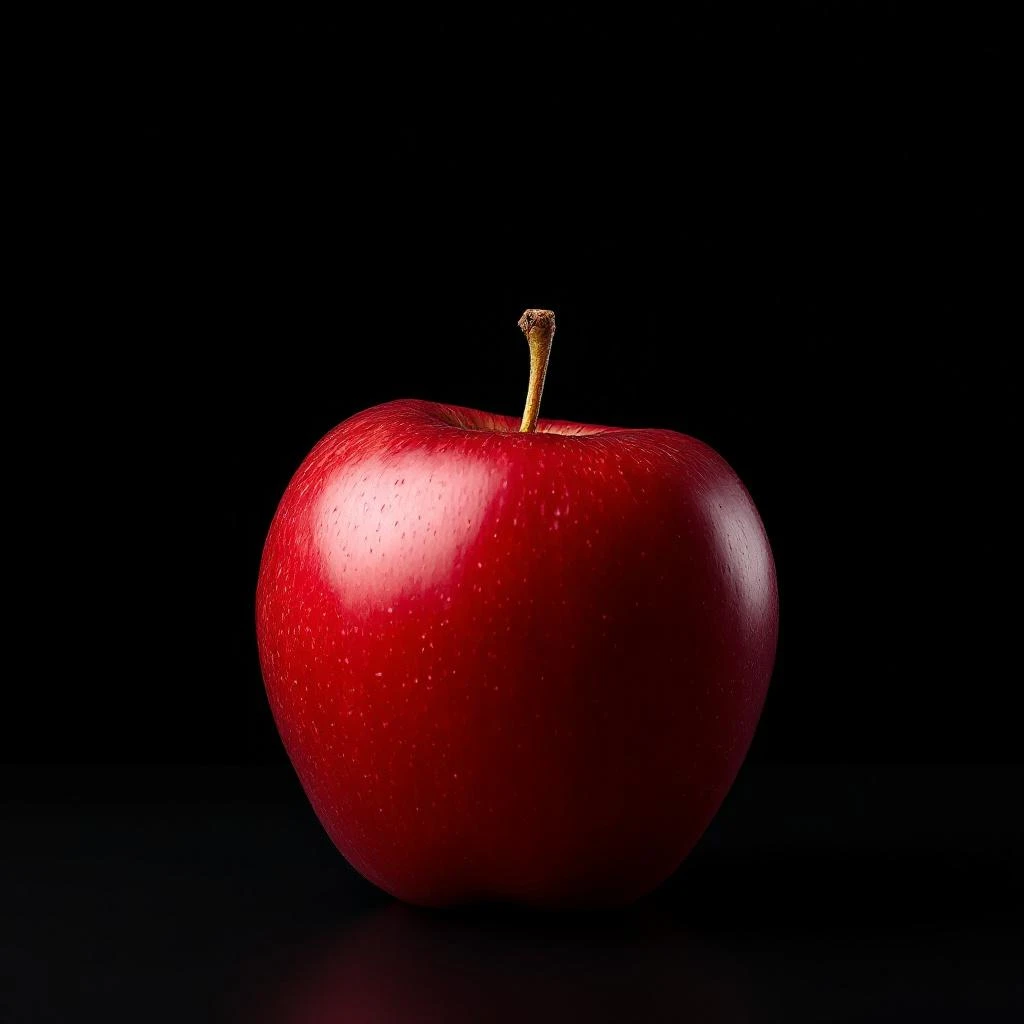
Italian pear captures the sun-drenched sweetness of Williams pears grown in Emilia-Romagna's orchards. This note delivers crisp, succulent fruit with a delicate floral whisper, bringing luminous freshness to fragrance compositions.
Character
How it smells
Sun-ripened orchard sweetness, captured.
Real pear essence is rarely used in perfumery because extracting it yields very little. Most 'pear' notes are carefully composed from aromatic chemicals that replicate its characteristic scent.





Origin
Italy
Italian perfumery took root during the Renaissance when Catherine de Medici's perfumer, René le Florentin, brought refined techniques to France after leaving Florence in the 16th century. The Williams pear, the variety most prized in perfumery, originated in England around 1770 but found ideal growing conditions in Italy's northern regions, particularly the Po Valley.
Italian fragrance houses in Milan and Turin have long valued pear for its ability to add immediate freshness and approachability to compositions. While ancient perfumers used fruit in pomanders and sachets, the delicate volatile compounds that define fresh pear only became accessible to modern perfumery through analytical chemistry and controlled synthesis.
Wears it best
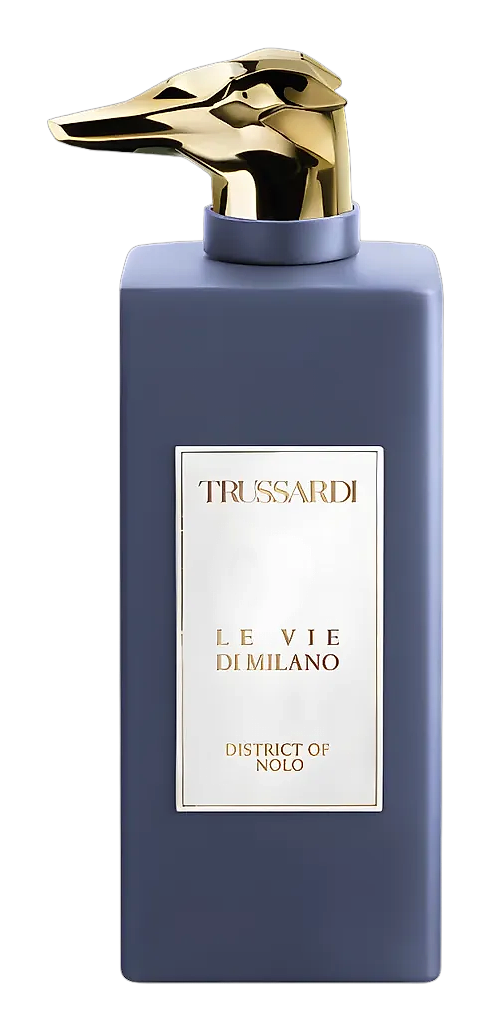
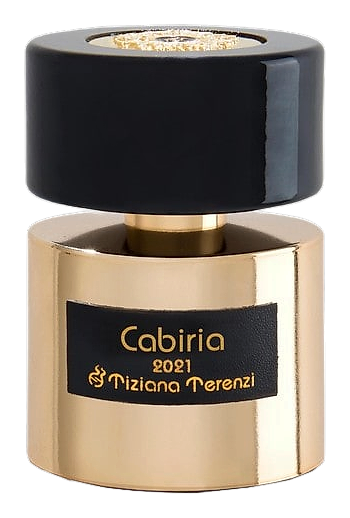
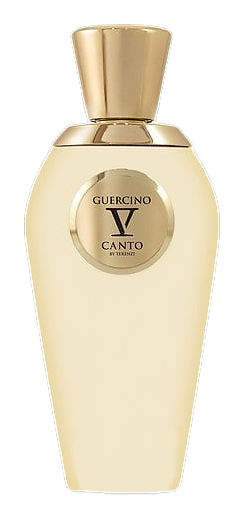
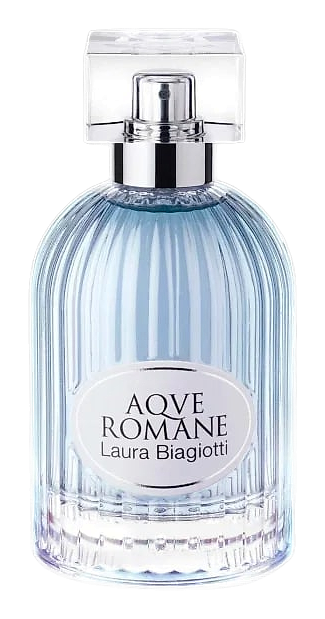
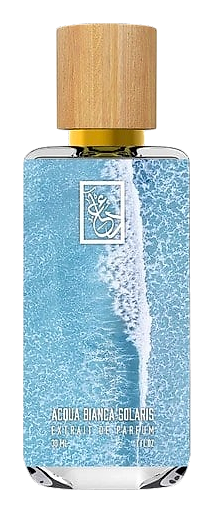
Fragrances featuring Italian pear

Brands
Brands known for Italian pear
Good to know
Questions, answered
The essentials on Italian pear in perfumery: how it smells, where it comes from, and how it behaves on skin.
What does Italian pear smell like in perfume?
Italian pear smells crisp and succulent with bright sweetness. It carries subtle floral undertones and a watery freshness that evokes just-bite fruit. The character is clean and immediate, rarely heavy or cloying.
Is Italian pear in perfumery natural or synthetic?
Most often synthetic or nature-identical. True pear absolute exists but is rare due to low extraction yields. Perfumers commonly use aromatic chemicals like isoamyl acetate and lactones to replicate pear's scent reliably and affordably.
Where does Italian pear originate in perfumery?
The note draws from Williams pear cultivation in Italy's Po Valley, particularly Emilia-Romagna. Italian perfumery itself traces to Renaissance Florence and Venice, where Catherine de Medici's perfumer established foundational techniques in the 1500s.
What is Italian pear used for in fragrance?
Italian pear adds immediate freshness and fruitiness to fragrance top notes. It works as a bridge between citrus and floral elements, softening compositions and creating an approachable, inviting opening that draws the wearer in.
What fragrance families use Italian pear?
Italian pear appears frequently in fruity chypres, fresh floral fragrances, and modern gourmand compositions. It also shows up in aquatic and green fragrances where crisp fruitiness enhances the overall effect.
What fragrance notes pair well with Italian pear?
Italian pear pairs naturally with bergamot, white musk, peony, and neroli. In richer compositions it works alongside vanilla, amber, and sandalwood. It also complements green notes like fig leaf and galbanum.
Is Italian pear a top, heart, or base note?
Italian pear functions almost exclusively as a top note. Its volatile compounds project strongly upon application but dissipate within 15-30 minutes, making it an effective attention-grabbing opening in fragrance construction.
How does Italian pear differ from green apple in fragrance?
Pear carries rounder, softer sweetness compared to green apple's sharper, more tart character. Pear has subtle floral undertones while apple leans more acidic and crisp. The two sometimes overlap in fruity fragrances but read quite differently on the skin.