Fructose
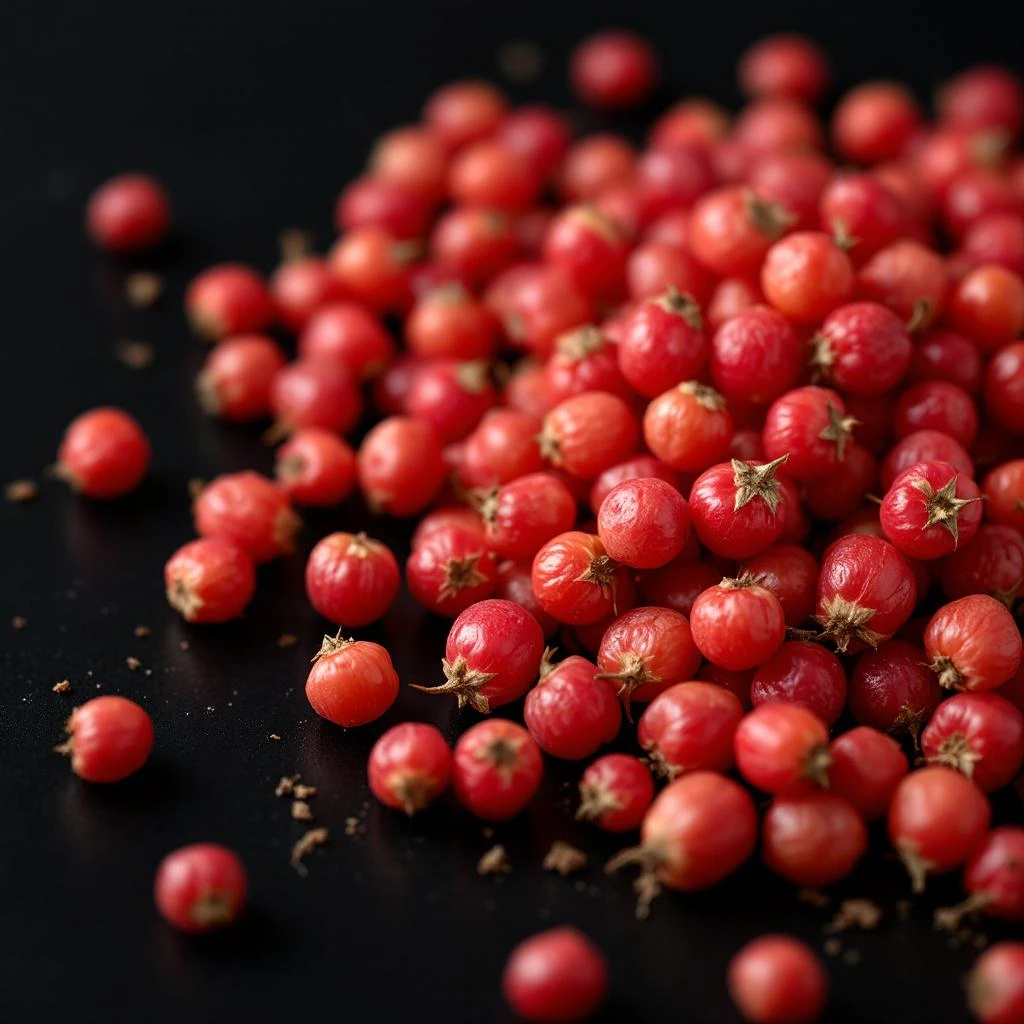
Fructose is a simple fruit sugar rarely named on ingredient lists, yet perfumers prize it for a dewy, ripe-pear sweetness that rounds sharp florals and softens smoky bases. It adds a candied gleam without the clinical edge of synthetic musks.
Character
How it smells
Crystallized orchard sweetness, bottled.
Fructone, the ketal ester developed from fructose-derived furaneol, became the 1990s shortcut to smelling like a just-peeled pear in a single drop.





Origin
Switzerland
Sugar perfumery predates the synthesizer by centuries. In 12th century Arabia, physicians refining distillation techniques produced scented syrups that doubled as court gifts, and rose water sweetened with fruit sugars anchored the early Islamic perfume tradition.
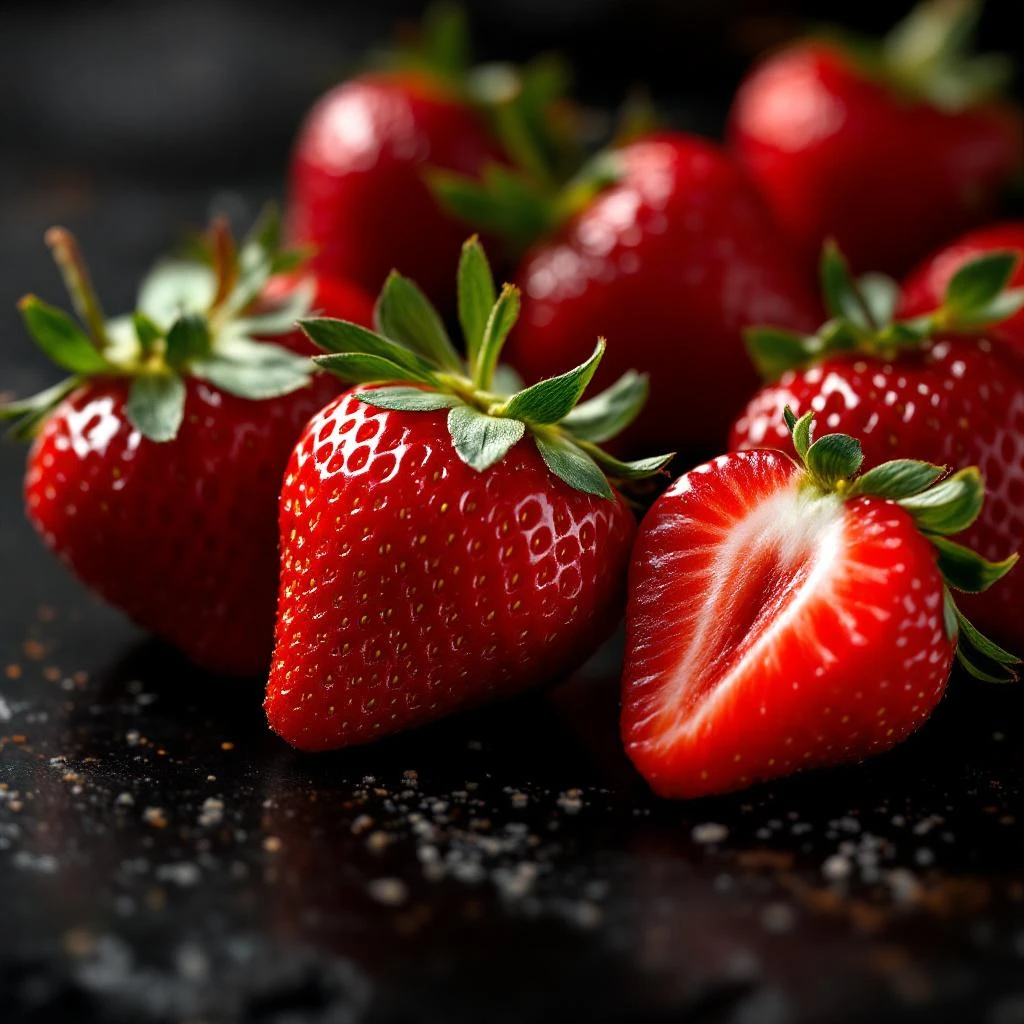
European apothecaries in the Renaissance carried on the practice, blending candied peel extracts with sugar-plum accords for the nobility. The molecule furaneol was identified in 1963 by food chemist John Hodge, working on the chemistry of caramelization, and perfumers soon adopted it to replicate the smell of baked pears and strawberries.
A decade later, the Swiss fragrance house Firmenich developed Fructone, marketing it as the first practical pear-note ingredient. By the 1990s, fructose-derived ketones appeared in cult fragrances like Lancôme Poême and Jean Paul Gaultier Le Mâle, cementing the candied-fruit accord as a pillar of modern gourmand perfumery.
Wears it best
Fragrances featuring Fructose
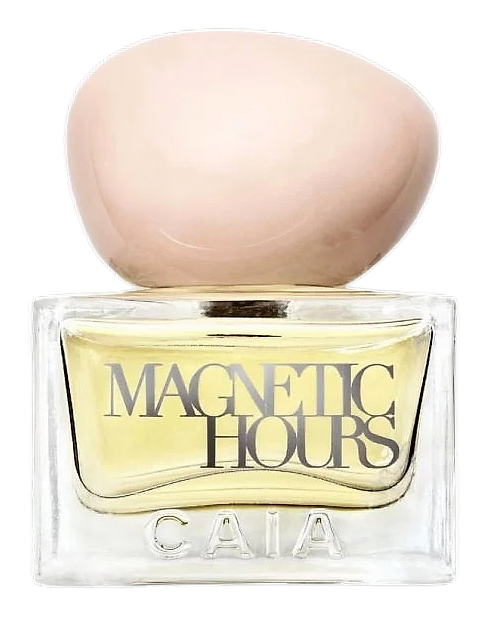
Brands
Brands known for Fructose
Good to know
Questions, answered
The essentials on Fructose in perfumery: how it smells, where it comes from, and how it behaves on skin.
What does fructose smell like in perfume?
Fructose-derived molecules like furaneol and Fructone give a warm, ripe-pear and candied-strawberry sweetness. They read as cooked fruit rather than table sugar, blending smoothly with florals and woody bases.
Is fructose a natural or synthetic fragrance ingredient?
Fructose itself is a natural plant sugar, but perfumers use synthetically produced derivatives such as furaneol and Fructone. These isolates deliver consistent, shelf-stable sweetness impossible to capture from raw fruit.
Why do perfumers use fructose instead of sugar?
Raw fructose is odorless and insoluble in alcohol bases. Its derived ketones, like furaneol discovered in 1963, carry the actual scent molecules of caramelized fruit and dissolve cleanly into fragrance formulas.
Which famous perfumes contain fructose derivatives?
Gourmand icons such as Lancôme Poême and Jean Paul Gaultier Le Mâle rely heavily on Fructone and furaneol. Many modern pear, caramel, and strawberry-themed fragrances trace their sweetness back to these compounds.
Is fructose safe in fragrance applications?
Yes. The fructose-derived aroma compounds used in perfumery, including Fructone and furaneol, are approved by IFRA for leave-on products at concentrations typically below 2 percent of the formula.
How does fructose interact with other fragrance notes?
Fructose derivatives round sharp citrus and green notes while amplifying soft florals like rose and jasmine. They anchor gourmand bases of vanilla, caramel, and tonka without flattening the drydown.
Can fructose-derived ingredients go off or oxidize?
Like most fragrance ketones, Fructone can oxidize with prolonged air exposure, producing a slightly plastic nuance. Properly sealed bottles stored away from light keep the accord stable for years.
Is fructose perfume vegan and cruelty-free?
Fructone and furaneol are produced through fermentation and acid catalysis from plant sugars, containing no animal-derived inputs. Most major suppliers confirm vegan certification for these aroma chemicals.