Fireweed
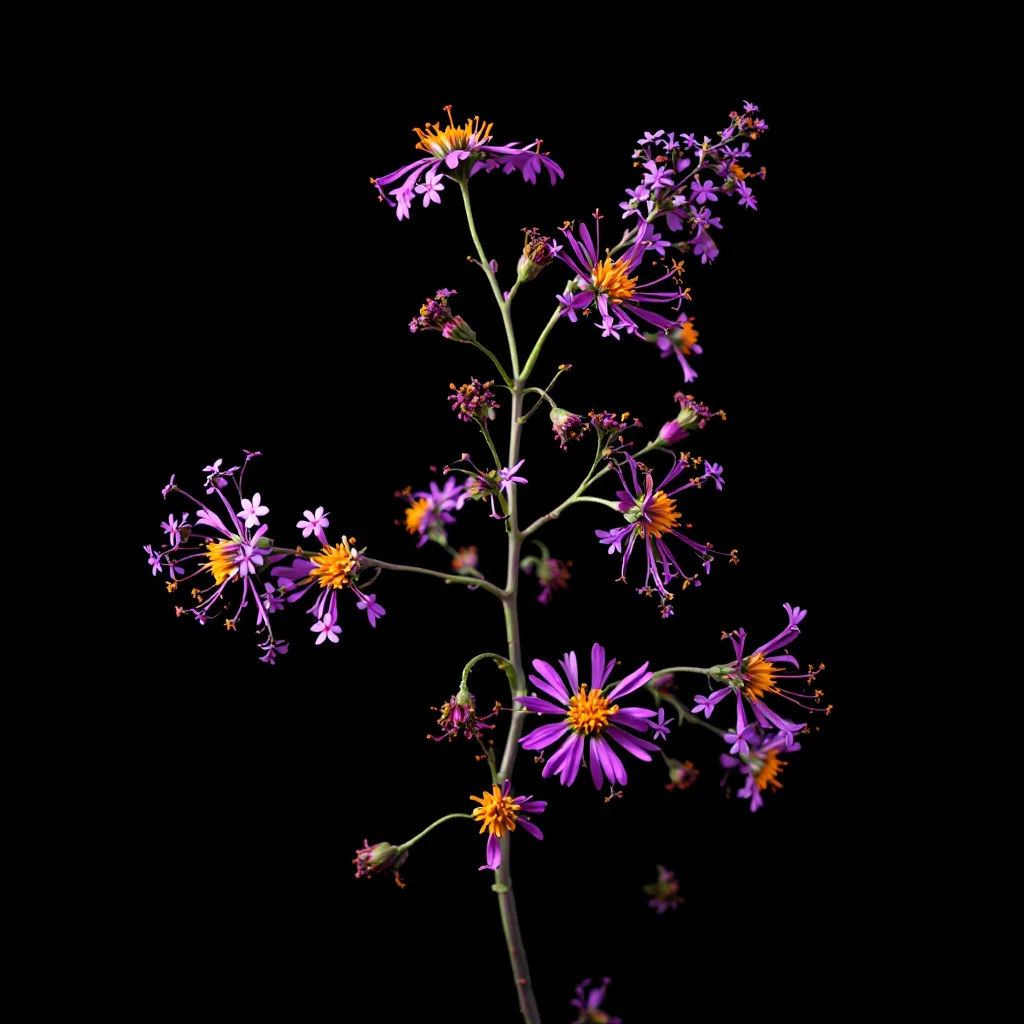
Fireweed brings a delicate, grassy sweetness to perfumery, drawn from the magenta wildflower that thrives in scorched landscapes. Its airy floral character carries subtle green and honeyed undertones.
Character
How it smells
Wild sweetness from scorched earth
Fireweed earned its name by being the first plant to colonize ground after wildfires, earning it the nickname 'bombweed' in regions scarred by bombing.






Origin
Canada
Fireweed, Chamerion angustifolium (formerly Epilobium angustifolium), carries no significant recorded history as a classical perfumery ingredient in the European or Middle Eastern traditions that shaped modern fragrance. The plant has a long ethnobotanical record among Indigenous peoples of the Pacific Northwest, Siberia, and Scandinavia, where it served as food, medicine, and fiber source rather than aromatic material.
Northern communities consumed fireweed shoots as spring vegetables and brewed the leaves into tea. Its first appearances in perfumery are largely modern and niche, reflecting a broader 21st-century interest in wild-foraged and regional botanical ingredients.
Contemporary artisan perfumers working in Scandinavia, Canada, and Alaska have championed fireweed as a marker of place, incorporating it into compositions celebrating boreal and subarctic landscapes. This trajectory mirrors the wider movement toward transparent, traceable naturals with strong geographic identity.
Wears it best
Fragrances featuring Fireweed

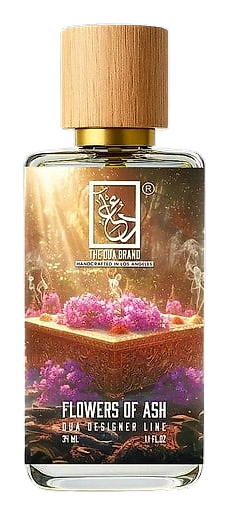
Brands
Brands known for Fireweed
Good to know
Questions, answered
The essentials on Fireweed in perfumery: how it smells, where it comes from, and how it behaves on skin.
What does fireweed smell like in perfumery?
Fireweed produces a delicate, airy floral note with green, grassy, and faintly honeyed qualities. It reads lighter than rose and less powdery than chamomile, lending a wildflower transparency to compositions.
Is fireweed a common fragrance ingredient?
Fireweed remains a niche material in modern perfumery, appearing primarily in artisan and botanical-focused creations. It has no documented role in classical European perfumery traditions.
Where does fireweed for perfume come from?
Most perfumery-grade fireweed is wild-harvested across northern latitudes, including Canada, Alaska, Scandinavia, and Siberia, where the plant grows abundantly after soil disturbance.
Why is it called fireweed?
Fireweed earned its name by being among the first plants to recolonize land after wildfires, often blanketing burned clearings in vivid magenta blooms the following season.
How is fireweed essential oil produced?
Fireweed's delicate floral molecules are best captured through solvent extraction or enfleurage rather than steam distillation, which degrades volatile aromatic compounds. CO2 extraction also preserves its complexity.
Is fireweed safe for use in perfume?
Fireweed has a long history of safe consumption as food and tea among northern Indigenous communities. As a perfumery ingredient, it presents no known sensitization concerns at typical use levels.
What types of fragrances feature fireweed?
Fireweed appears most often in green, botanical, and regional-themed compositions where perfumers seek a wildflower character evocative of northern summer meadows and post-burn landscapes.
Can fireweed be confused with other plants?
Fireweed is sometimes mistaken for loosestrife or other pink-flowered meadow plants, but its tall single stem and distinctive willow-like leaves are reliable identifiers in the field.





