Ezo Spruce
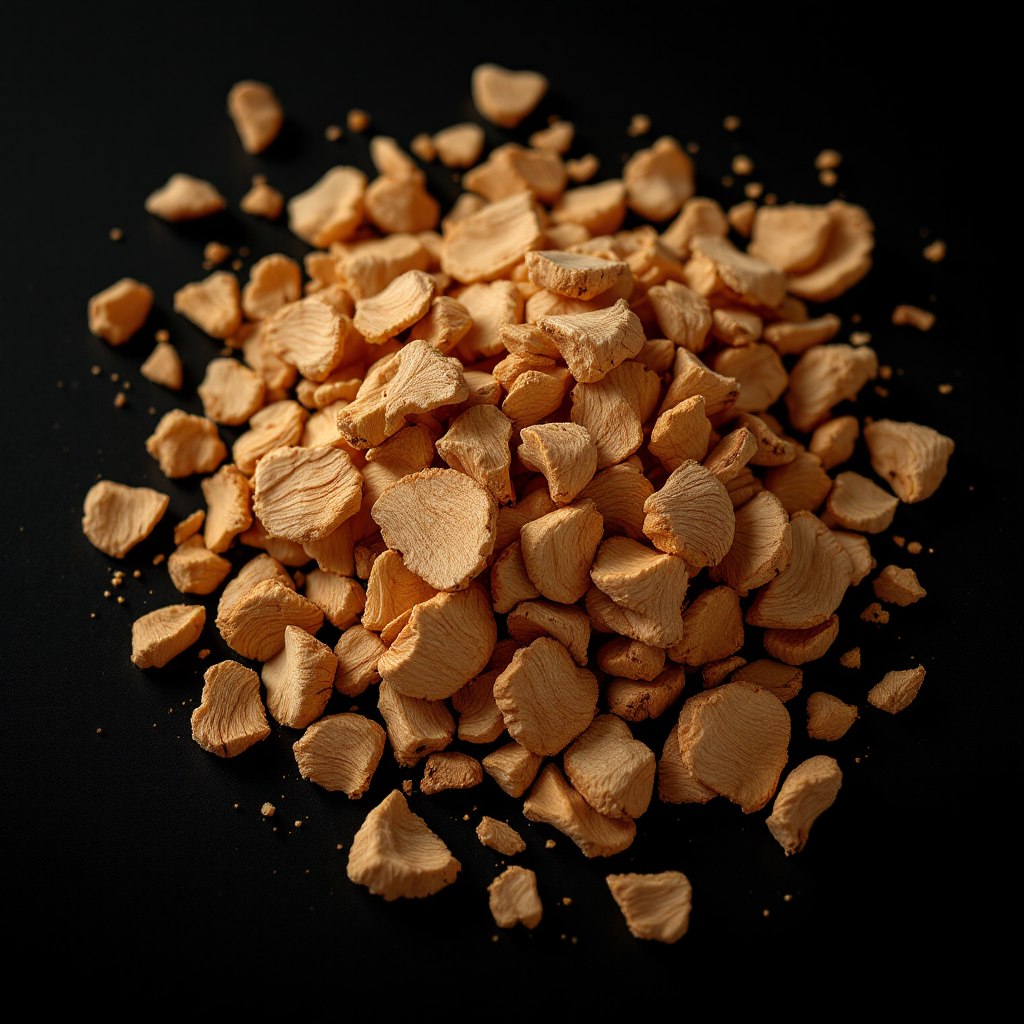
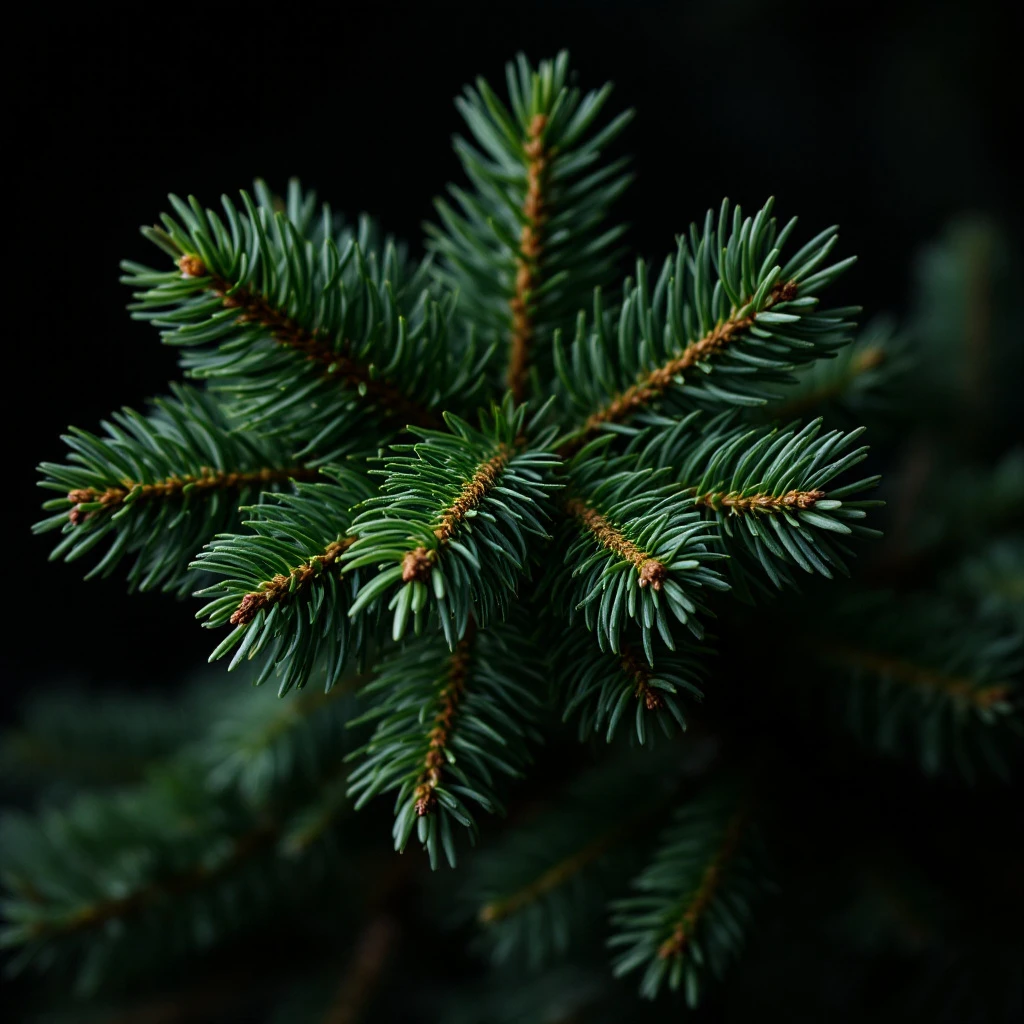
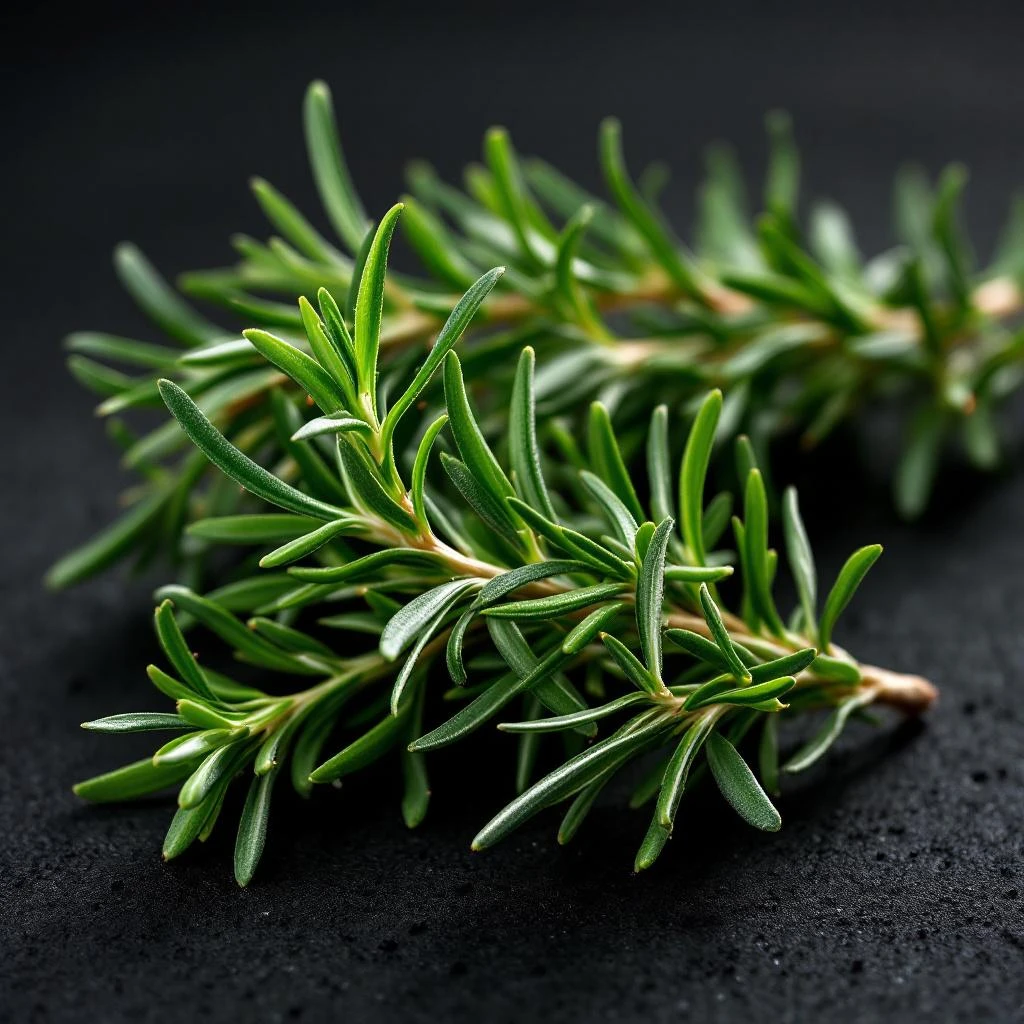
Ezo Spruce, also known as Yezo Spruce, is a coniferous evergreen native to northern Japan. Its needles yield a crisp, resinous oil prized for adding forest-floor depth to woody and aromatic compositions.
Character
How it smells
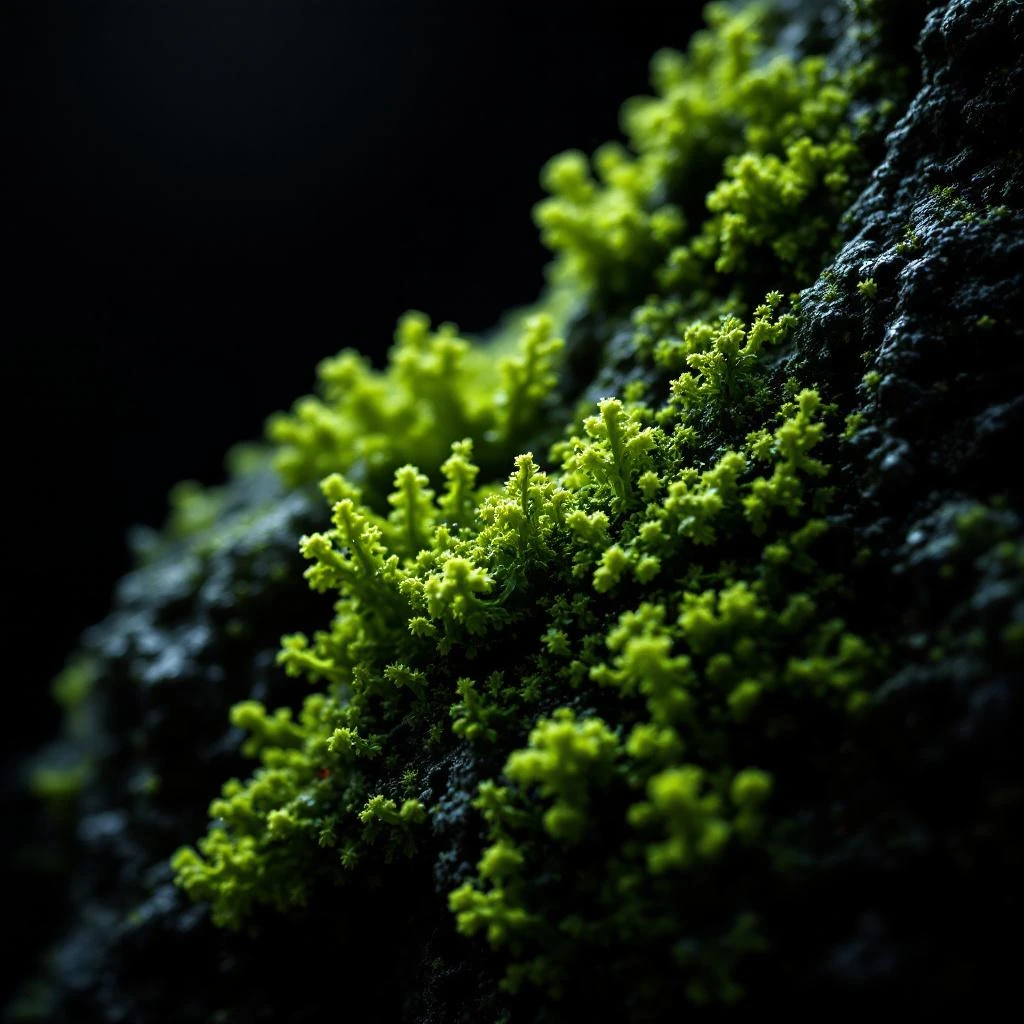
The whispering forests of Hokkaido, bottled.
The Yezo Spruce towers up to 40 meters high and can live for over 300 years, making it one of the oldest tree species in Japan's northern wilds.






Origin
Japan
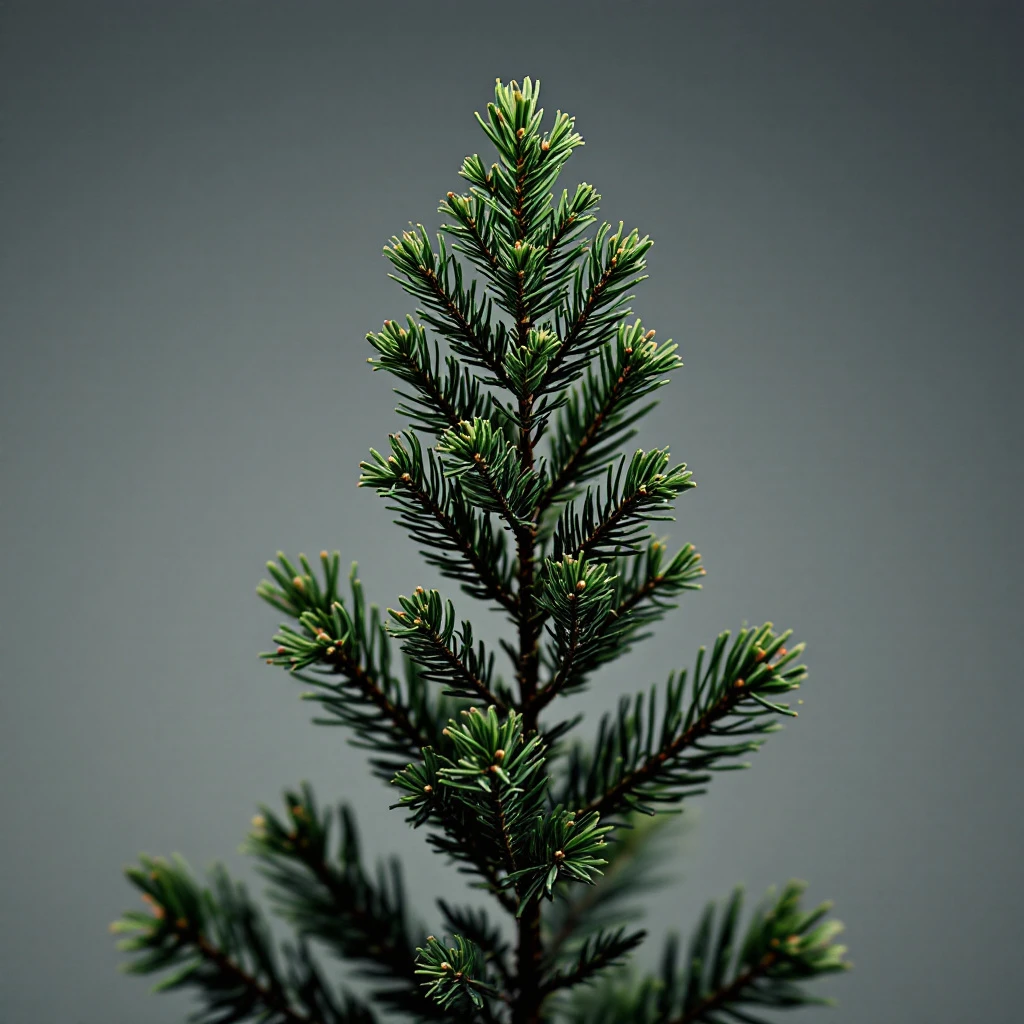
Ezo Spruce, Picea jezoensis, takes its name from Ezo, the historical name for the northern Japanese island of Hokkaido. The tree has shaped the cultural and material life of the Ainu people for centuries, who used its wood for construction and its bark and needles in traditional remedies. In modern perfumery, Ezo Spruce entered the Western aromatic palette as interest grew in forest-inspired and naturalistic compositions.
Its oil shares chemical kinship with other Picea species, rich in bornyl acetate and camphene, compounds long associated with the crisp scent of coniferous woods. Today, it remains a niche but valued ingredient for perfumers seeking an authentic Northern Pacific character, distinct from the more common European spruce and fir oils.
Wears it best
Fragrances featuring Ezo Spruce
Brands
Brands known for Ezo Spruce
Good to know
Questions, answered
The essentials on Ezo Spruce in perfumery: how it smells, where it comes from, and how it behaves on skin.
What does Ezo Spruce smell like in perfume?
Ezo Spruce has a crisp, resinous, and woody aroma with green and slightly sweet balsamic undertones. It evokes the fresh scent of a Hokkaido coniferous forest after rainfall.
Is Ezo Spruce the same as Siberian Fir?
No. Ezo Spruce (Picea jezoensis) is native to northern Japan and far eastern Russia, while Siberian Fir (Abies sibirica) belongs to a different genus and grows across western Siberia.
What extraction method is used for Ezo Spruce oil?
Steam distillation of needles and young twigs is the standard method. Some producers use solvent extraction to capture a richer, more resinous absolute.
Where does Ezo Spruce grow naturally?
It grows wild across Hokkaido, the Kuril Islands, Sakhalin, and parts of far eastern Russia, often forming dense mountain forests at elevations between 300 and 1,500 meters.
Is Ezo Spruce essential oil safe for skin?
Standard dilution guidelines apply, typically at 1-3% in a carrier oil. It contains camphene and other monoterpenes that may oxidize; users should check for individual sensitivities first.
Why is Ezo Spruce less common than other conifer oils?
Limited geographic range and lower harvesting volumes keep production smaller than European pine or fir oils. Most supply originates from a handful of specialist distillers in Hokkaido.
Which fragrance families use Ezo Spruce?
It appears most often in woody and aromatic compositions, where its bright coniferous note adds lift to heavier bases like cedar, vetiver, and patchouli.
What is the cultural significance of Ezo Spruce in Japan?
The Ainu people of Hokkaido have long used the tree for timber, tools, and ceremonial purposes. Its presence in regional craft traditions has made it a symbol of the northern landscape.