Espresso Bean
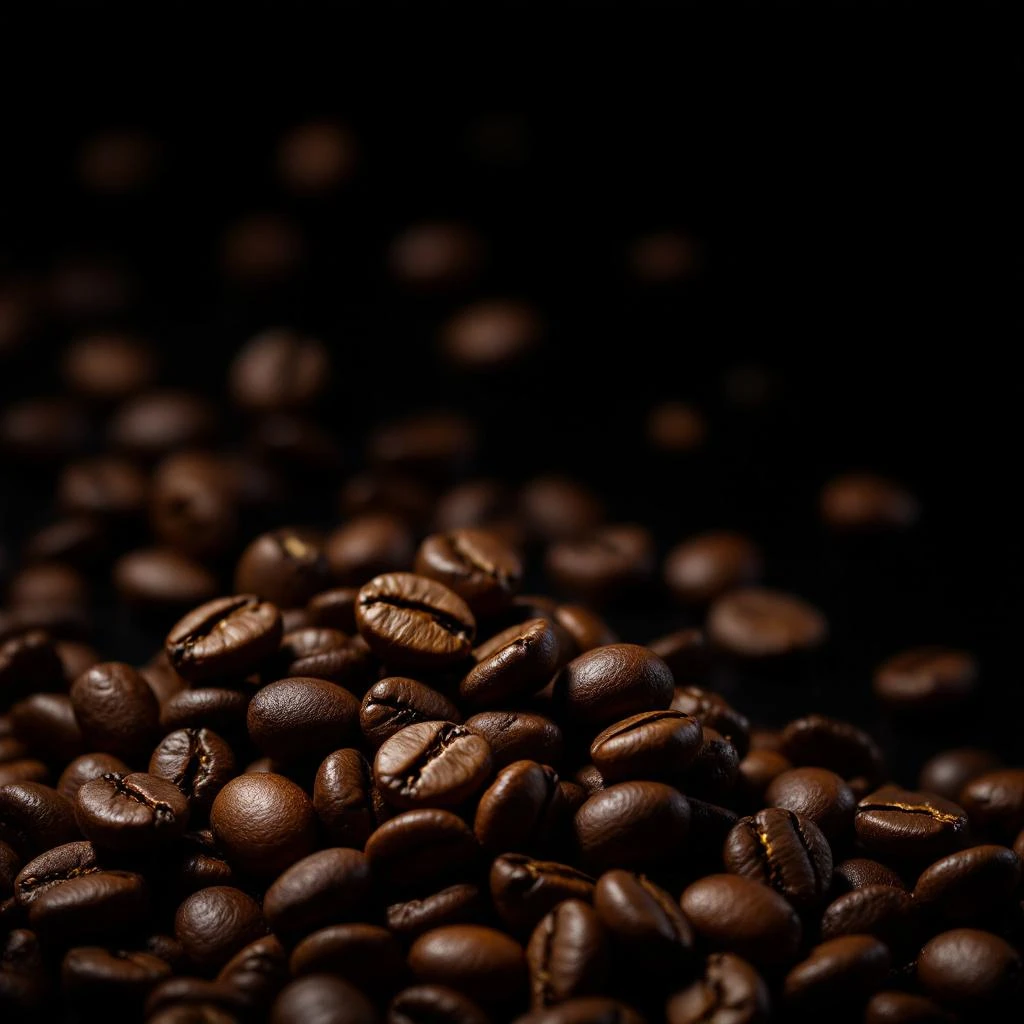
Espresso Bean brings the bold, dark intensity of freshly roasted coffee into perfumery. This rich, aromatic ingredient captures the seductive warmth of morning rituals and transforms them into olfactory experiences that energize, comfort, and intrigue.
Character
How it smells
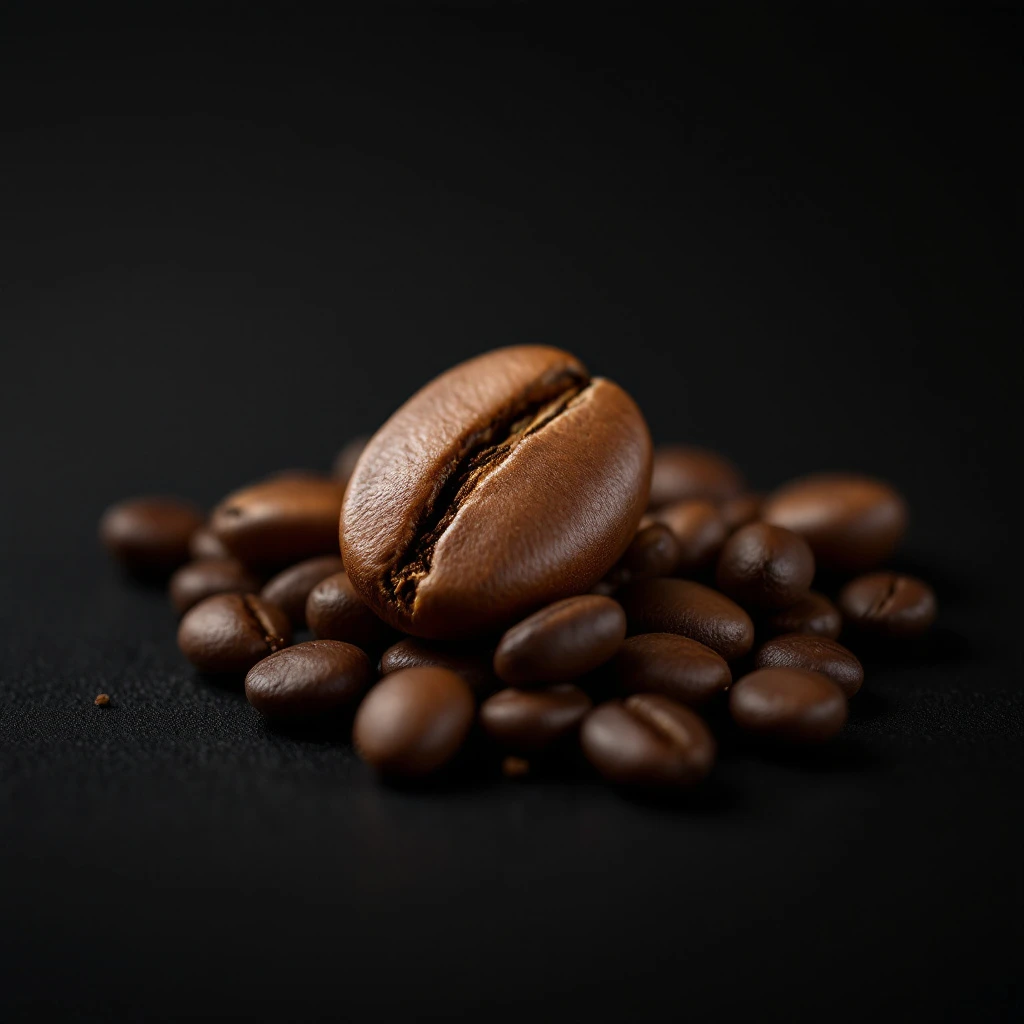
The bold, roasted heart of coffee perfection.
A single espresso shot requires approximately 50 coffee beans to create its concentrated character.






Origin
Ethiopia
Coffee's fragrance history stretches back centuries, though its origins remain shrouded in myth and botanical debate. Most scholars trace wild coffee species to the Ethiopian highlands, where local legend describes a goat herder named Kaldi discovering the berry's stimulating properties around 850 AD. From Ethiopia, coffee cultivation spread to Yemen and the Arabian Peninsula, establishing trade routes that brought the beverage to European markets by the 17th century.
Perfumers began incorporating coffee notes into compositions during the late 19th century, finding that the ingredient added warmth, depth, and an energizing quality to fragrance structures. The ingredient gained significant prominence in masculine and unisex orientals, eventually becoming a staple note in modern perfumery for its versatility and universal appeal.
Wears it best
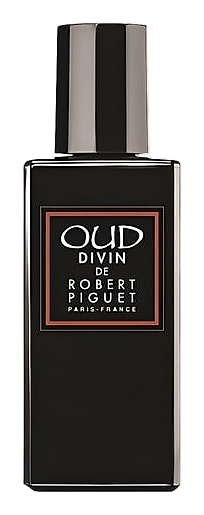
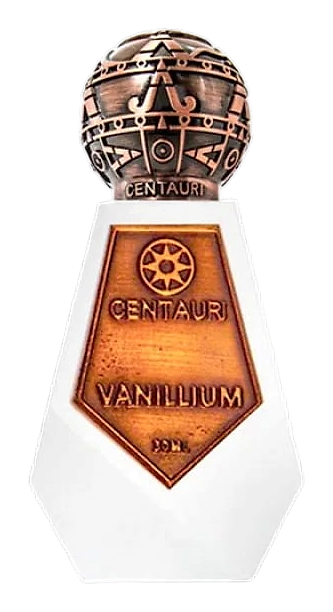
Fragrances featuring Espresso Bean
Brands
Brands known for Espresso Bean
Good to know
Questions, answered
The essentials on Espresso Bean in perfumery: how it smells, where it comes from, and how it behaves on skin.
What does espresso bean smell like in perfume?
Espresso Bean delivers a rich, dark aroma combining roasted, bittersweet, and slightly smoky characteristics. The note captures the moment coffee turns from raw bean to aromatic beverage, adding warmth and depth to fragrance compositions.
Is espresso bean used in men's or women's fragrances?
Espresso Bean transcends gender boundaries in perfumery. While prominent in masculine fragrances, perfumers frequently employ it in women's and unisex compositions, particularly in oriental and gourmand structures.
How does espresso bean differ from other coffee notes in fragrance?
The term espresso specifically references concentrated, dark-roasted extraction that emphasizes intensity and bitterness. Other coffee notes might derive from lighter roasts or different extraction methods, offering varying degrees of sweetness and brightness.
What fragrance families commonly feature espresso bean?
Oriental fragrances most frequently showcase espresso bean, where its warmth amplifies amber, vanilla, and resinous bases. Gourmand compositions also embrace the note, pairing it with chocolate, caramel, and tonka for dessert-like effects.
Can espresso bean be synthetically reproduced?
Synthetics like coffee furanone and various pyrazine compounds attempt to recreate coffee's aroma. However, natural espresso extracts remain prized for their complex, multi-layered character that laboratory replicas rarely achieve.
Does espresso bean pair well with other fragrance ingredients?
Espresso Bean harmonizes exceptionally with vanilla, tonka, sandalwood, oud, and tobacco. These combinations create warm, enveloping compositions that feel both modern and timeless.
How long does espresso bean last on the skin?
Espresso Bean functions as a heart to base note in fragrance pyramids. Its presence typically persists for 4 to 6 hours, contributing lasting warmth and depth rather than acting as a fleeting top note.