








Heritage
A house, in its own words
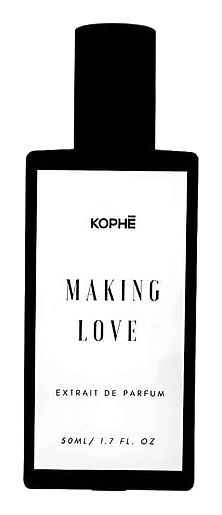
Kophē arrived on the fragrance scene in 2019, a period when the indie perfume market was becoming increasingly saturated with brands attempting to replicate the aesthetics of established luxury houses. The brand chose a different path, emerging quietly with a collection of ten fragrances released within approximately two years, including Kophē Is The Color, Pricilla's Theme, King George, Escape, Kophē Baby, and Exotic Dance. Rather than building anticipation through slow trickle releases common in perfumery, the house dropped much of its initial catalog in rapid succession, creating an immediate sense of abundance and artistic confidence. The name Kophē itself carries intentional significance, drawing from the Greek word for coffee, suggesting warmth, ritual, and the kind of daily intimacy that luxury fragrances often eschew in favor of special occasion positioning. While the brand's founders remain deliberately anonymous, this obscurity functions as a deliberate creative choice rather than a marketing strategy, keeping the focus squarely on the fragrances themselves rather than celebrity perfumers or brand mythology. The house operates outside the traditional fragrance industry hierarchy, avoiding department store partnerships and mainstream retail distribution in favor of direct-to-consumer channels. This approach mirrors the broader independent beauty movement, where transparency and creator-to-consumer relationships supersede traditional retail gatekeepers. The timing of the brand's emergence coincided with a growing consumer appetite for small-batch, thoughtfully produced goods across categories, positioning Kophē to benefit from the authenticity-seeking mindset of contemporary fragrance buyers. Kophē operates on the conviction that fragrance naming deserves as much creative attention as the scent itself. Each title functions as an open door rather than a definitive statement, allowing the wearer to complete the narrative with personal associations. Making Love, Your Sweetness, and Pricilla's Theme suggest intimate, confessional storytelling, while names like King George and Aragon evoke historical grandeur that the wearer can inhabit momentarily. This approach rejects the industry's tendency to treat fragrance descriptions as marketing copy to be parsed for pyramid notes and instead treats the name as the first sensory experience, preceding even the physical spray. The brand appears to reject the notion that a perfume must smell like its title suggests, creating instead an abstract emotional correspondence rather than literal olfactory representation. The philosophy extends to the house's reluctance to disclose perfumer identities, a practice common among major houses but here positioned as an intentional democratization that places all fragrances on equal creative footing. Whether a scent costs less or took less time to compose becomes irrelevant when the emotional impact remains the same. This anti-hierarchical stance extends to the house's minimal marketing presence, where the absence of elaborate campaigns and brand storytelling paradoxically becomes its own form of narrative. The philosophy suggests that the most powerful fragrance experience is one uncomplicated by industry pretense, where the simple act of wearing a scent becomes its own form of self-expression.