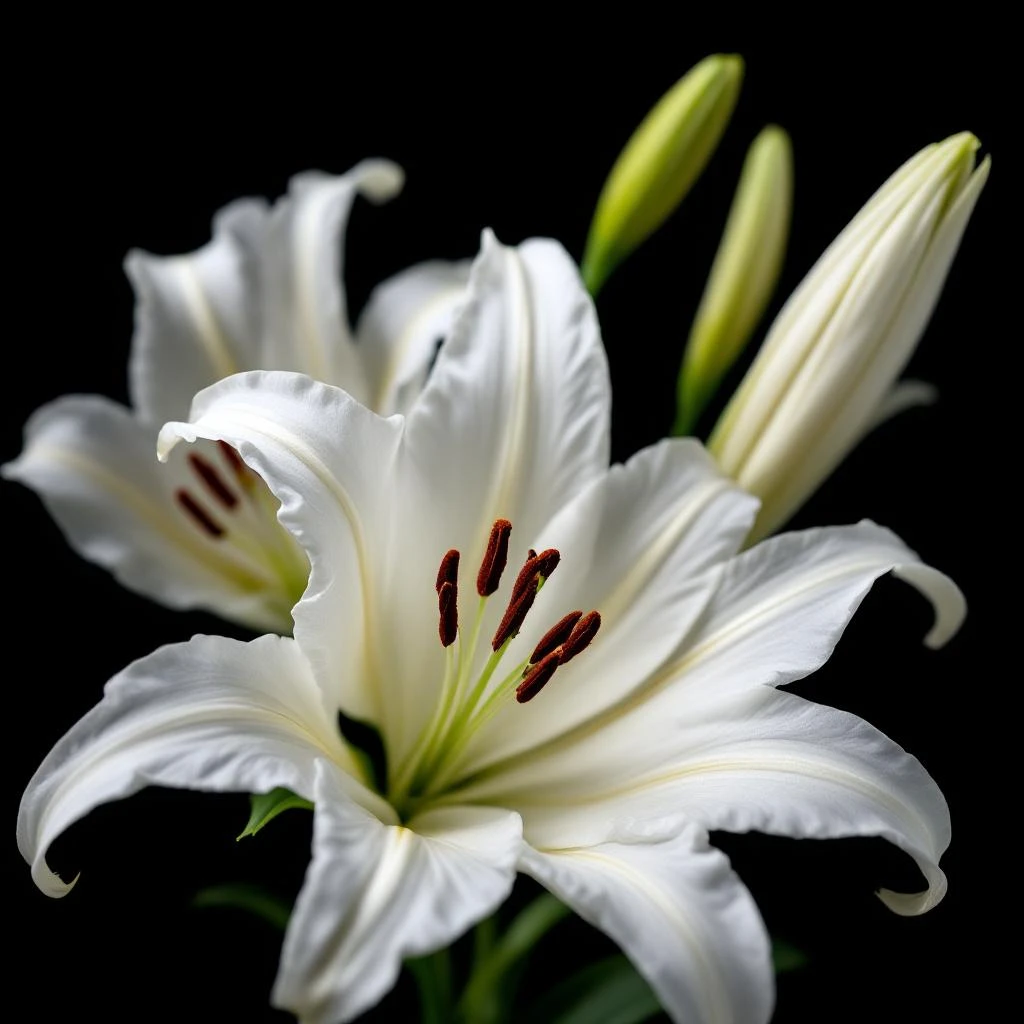
Early Dog-violet
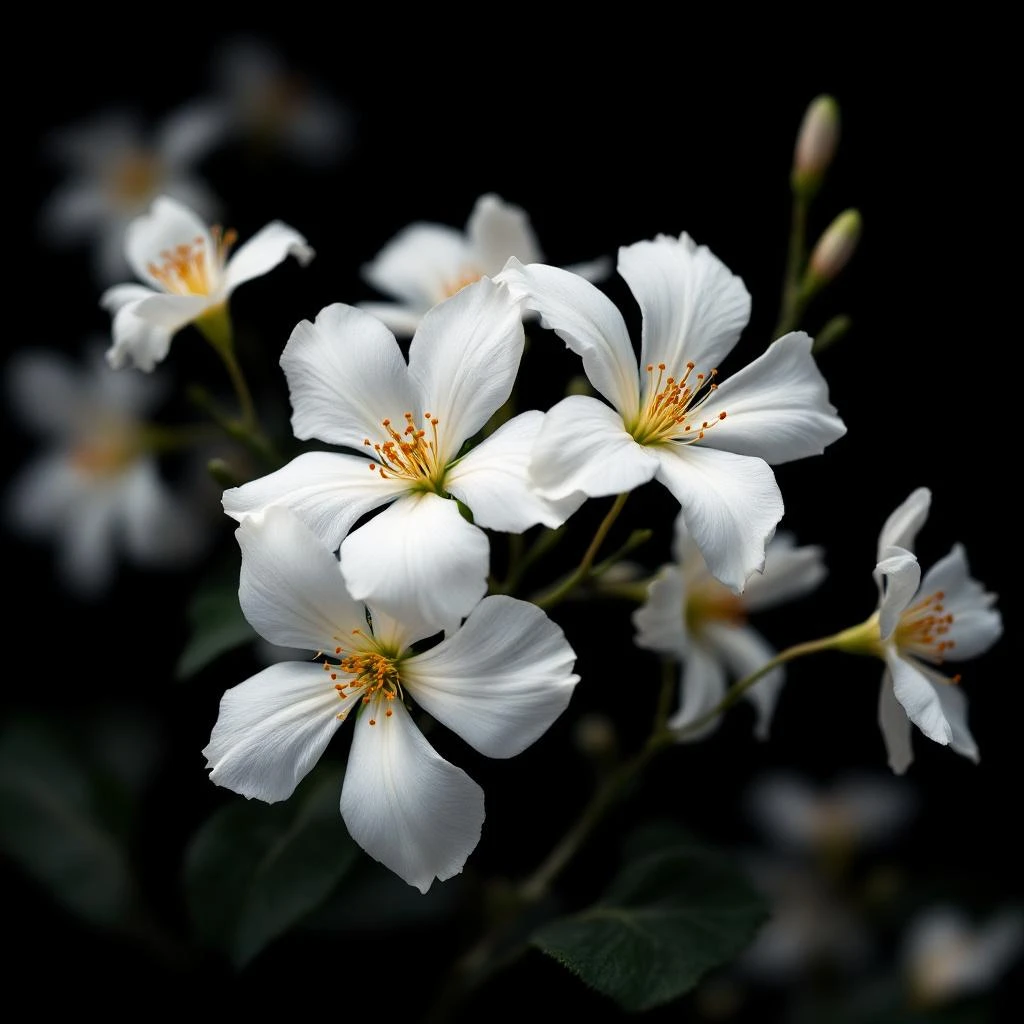
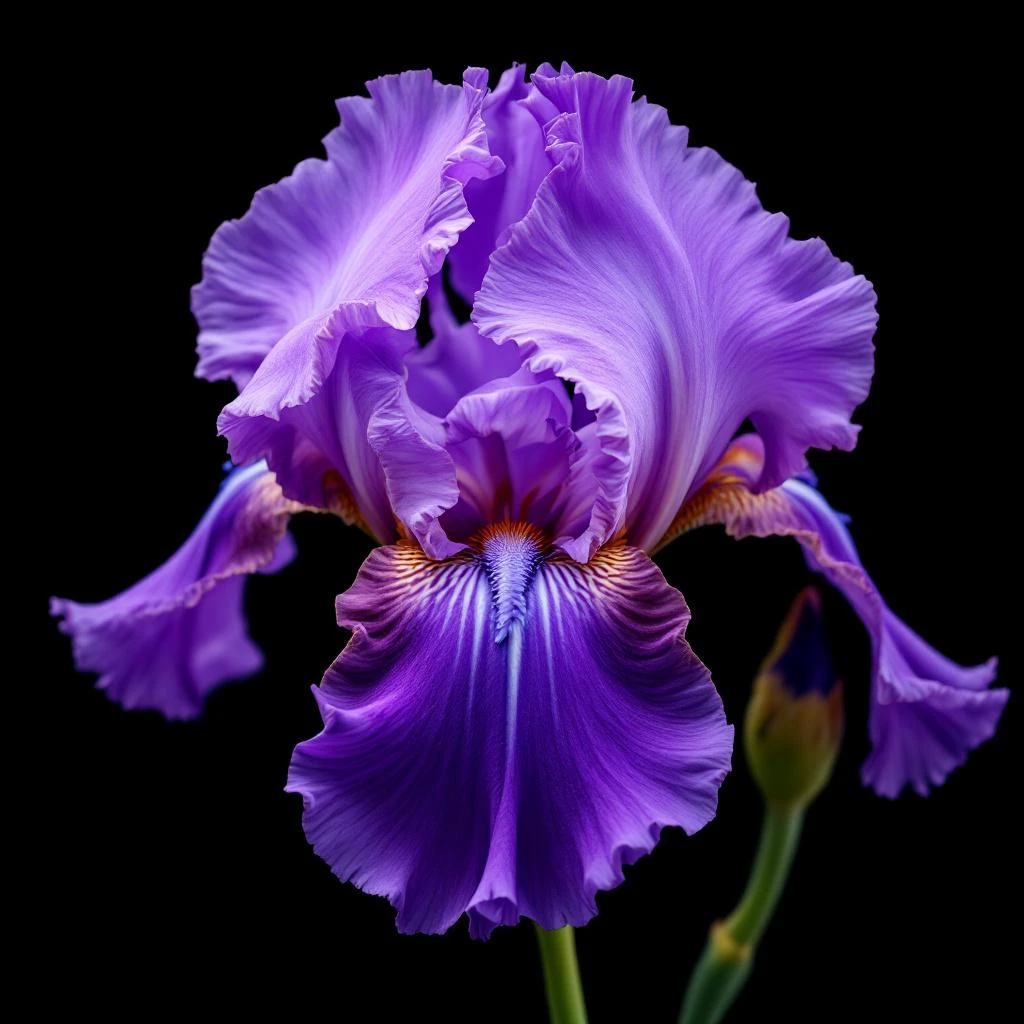
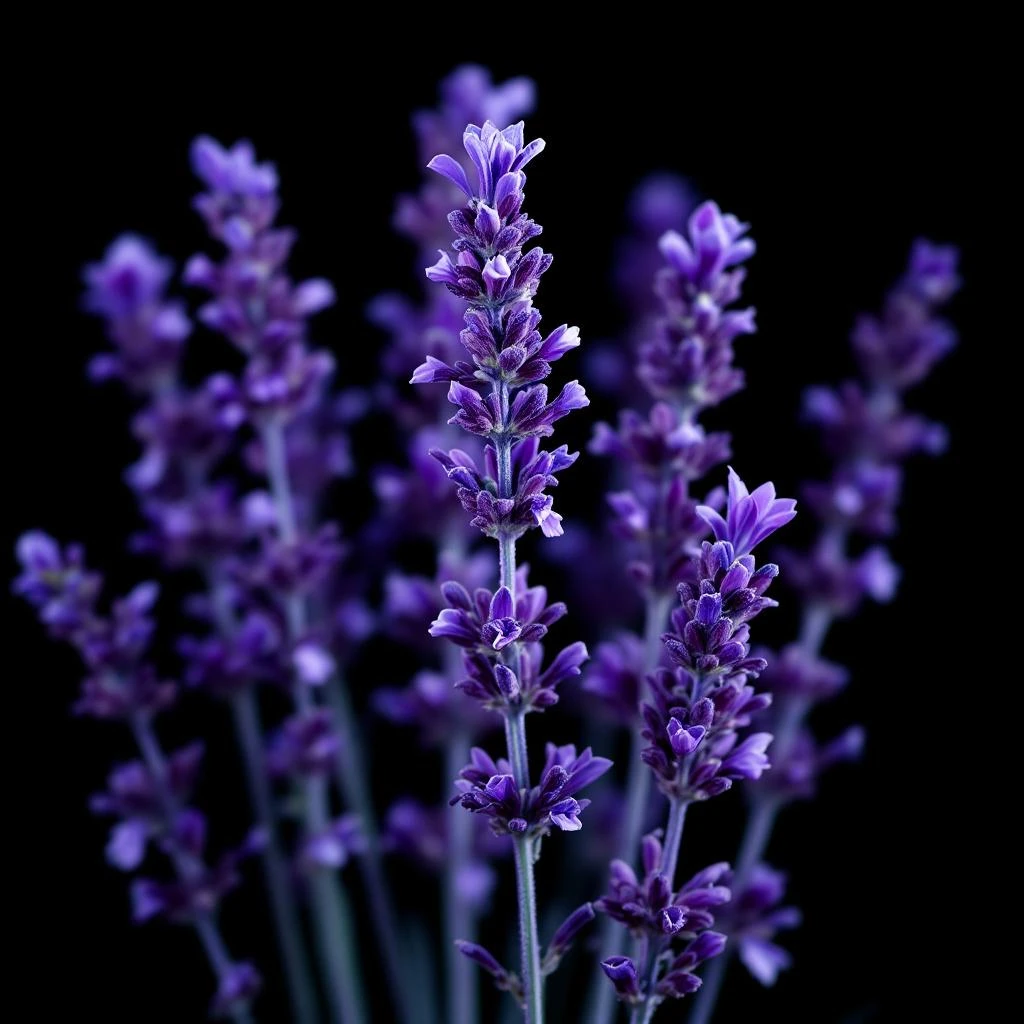
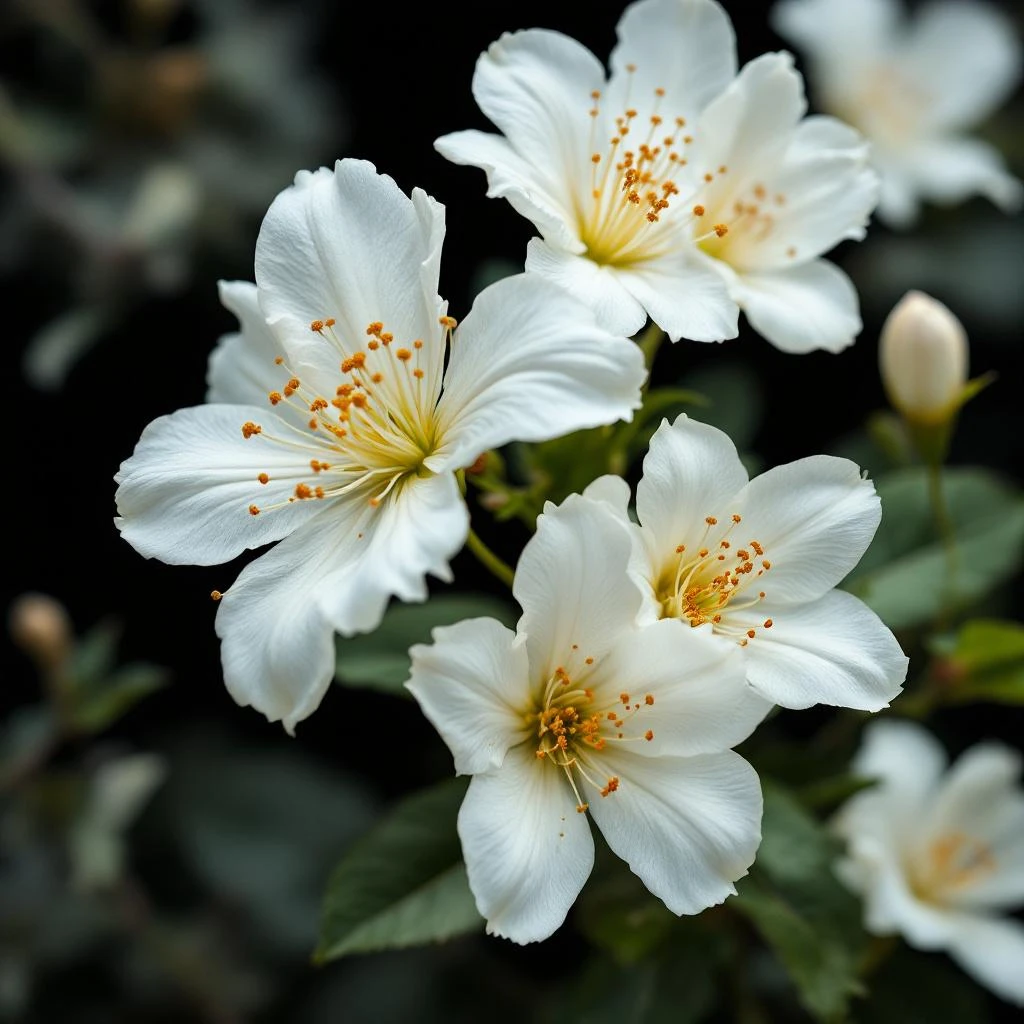
Early Dog-violet captures the first flush of Viola odorata blooms, delivering a delicate floral sweetness with verdant undertones that synthetic ionones cannot fully replicate. This wild-harvested material carries the authentic complexity of the living flower.

Character
How it smells
Wild violet at its most intimate and true.
Violets contain ionones that temporarily desensitize olfactory receptors, which is why the scent seems to vanish then return.
Origin
France
Violets held sacred to ancient Persians and Greeks, who used them in coronets and healing poultices. The sweet violet gained prominence in European perfumery during the late Victorian era when wealthy Victorians wore fresh violet posies and commissioned violet-scented toiletries. Before synthetic ionone, producing one kilogram of violet absolute required over 33,000 kilograms of hand-picked flowers, making violet fragrance a luxury reserved for the elite.
François Coty revolutionized violet perfumery by 1900 using solvent extraction, though true violet absolute remained expensive. The discovery and patenting of synthetic ionone in 1893 eventually democratized violet fragrance, allowing perfumers to recreate the characteristic powdery floral note affordably.
Wears it best
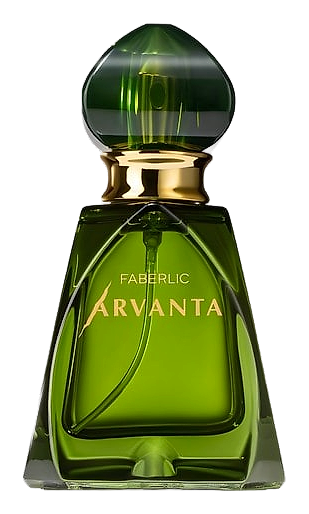
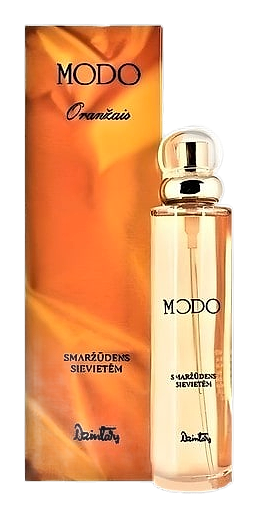
Fragrances featuring Early Dog-violet
Good to know
Questions, answered
The essentials on Early Dog-violet in perfumery: how it smells, where it comes from, and how it behaves on skin.
What does Early Dog-violet smell like?
Early Dog-violet absolute delivers a soft, intimate floral sweetness with powdery iris-like facets and subtle green undertones. Unlike synthetic ionone, it carries the natural complexity of the living flower, including faint woody and honeyed nuances.
Why is it called Early Dog-violet?
The name refers to Viola odorata harvested early in the season, before peak commercial harvest. Dog-violet historically distinguished wild viola species from cultivated forms, and Early Dog-violet captures the first flush of wild-harvested blooms.
Is Early Dog-violet natural or synthetic?
Early Dog-violet is a natural botanical material extracted from fresh Viola odorata flowers using solvent extraction. The wild-harvested sourcing and early-season harvest distinguish it from more common violet materials.
How much violet absolute does production yield?
Yield varies by extraction method and flower quality, but solvent extraction typically produces 0.1-0.3% absolute from fresh violet flowers. Modern production remains small-scale due to the labor-intensive harvest required.
What perfumes feature Early Dog-violet?
Early Dog-violet appears in fine fragrances as a heart or top note, particularly in floral compositions seeking authentic violet character. It blends well with iris, orris, and soft woods like sandalwood.
When is Early Dog-violet harvested?
Early Dog-violet is harvested in early spring, typically March to April in Mediterranean climates, when the first blooms appear. Early harvest captures peak aromatic complexity before summer heat dilutes essential oil concentration.
Can violets be grown sustainably for perfumery?
Sustainable violet cultivation focuses on organic farming, manual harvest, and regional processing to minimize transport. Several French and Italian producers now offer certified sustainable violet absolute for perfumery use.
How does Early Dog-violet differ from violet leaf absolute?
Violet flower absolute carries the characteristic sweet floral note associated with violets. Violet leaf absolute, extracted from the plant's foliage, delivers green, slightly bitter vegetable notes that complement or contrast floral violet in fragrance compositions.