Dutch Caraway
Dutch Caraway delivers a warm, spicy aroma with earthy undertones. Steam distilled from the dried ripe fruit of Carum carvi, this essential oil brings a distinctive character to fragrance compositions, lending depth and aromatic complexity that has anchored perfumery for centuries.
Character
How it smells
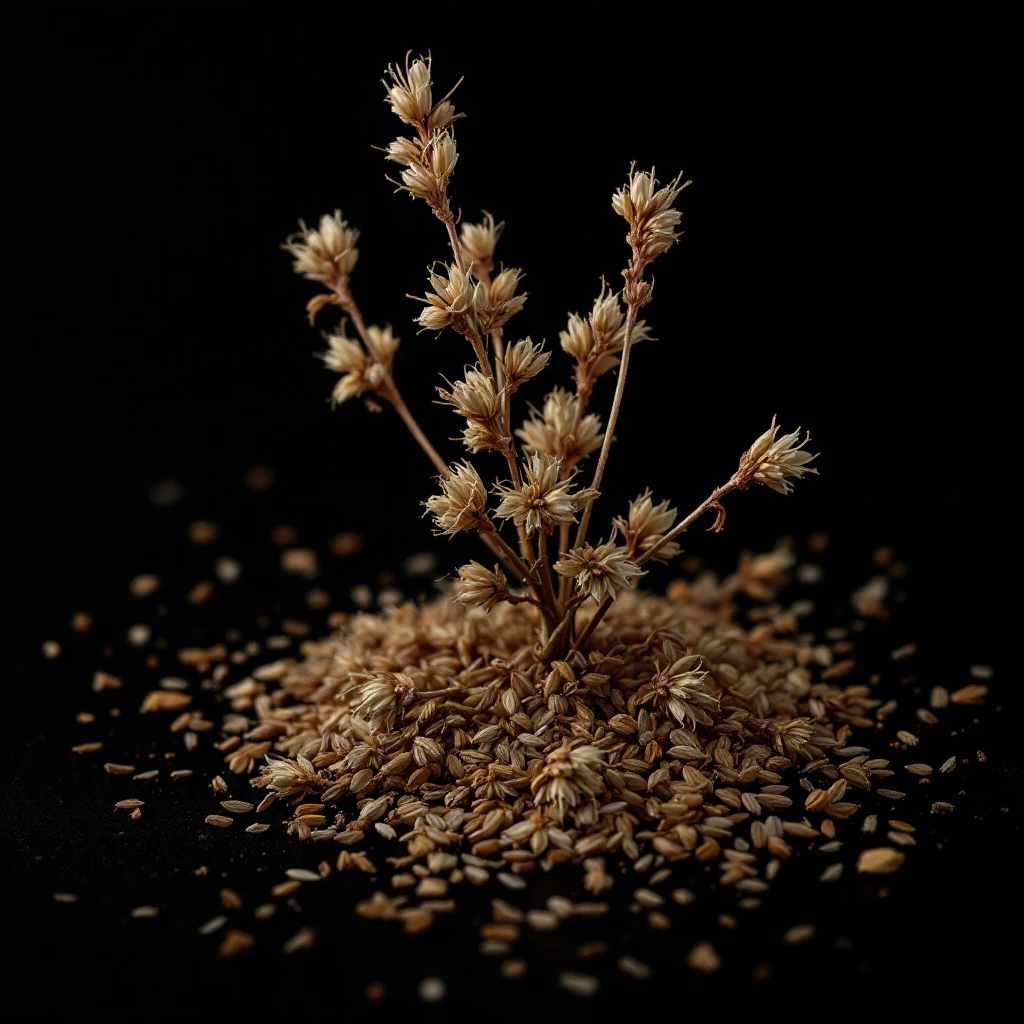
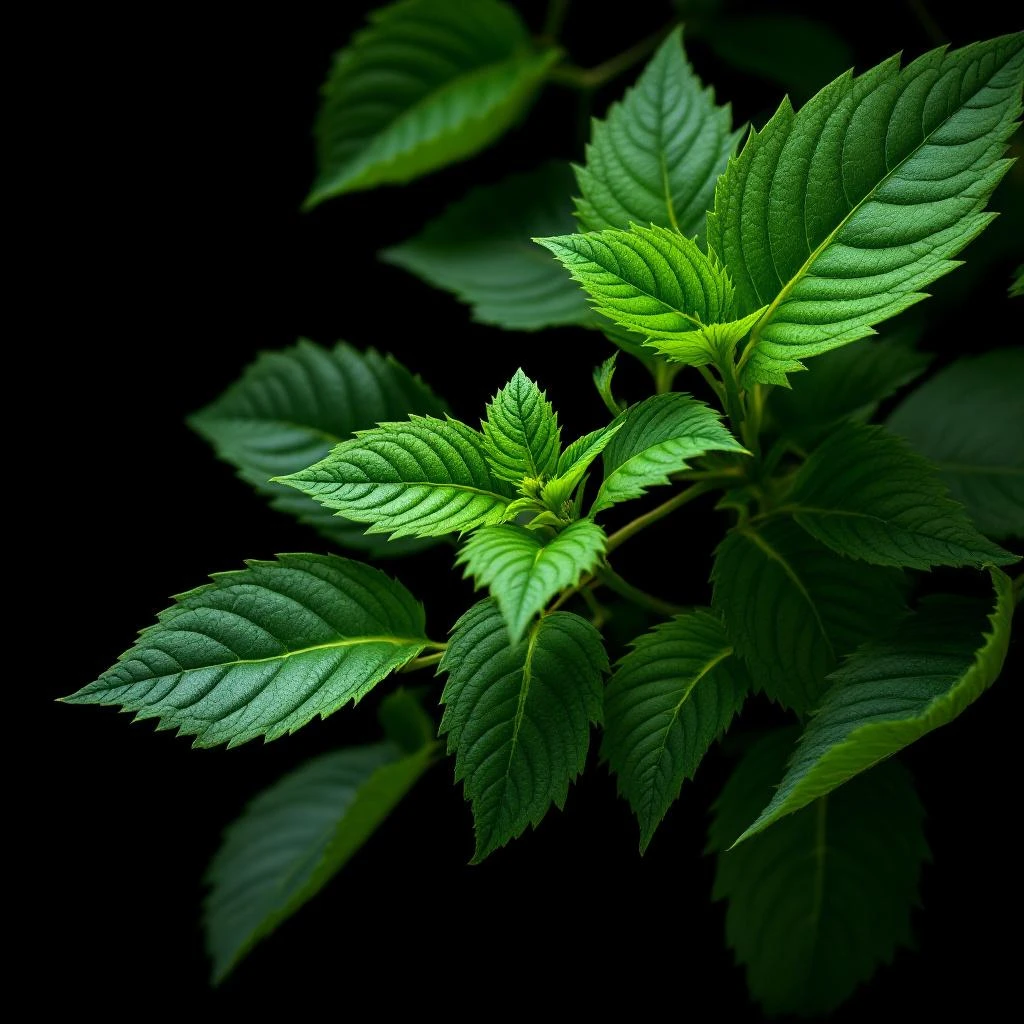
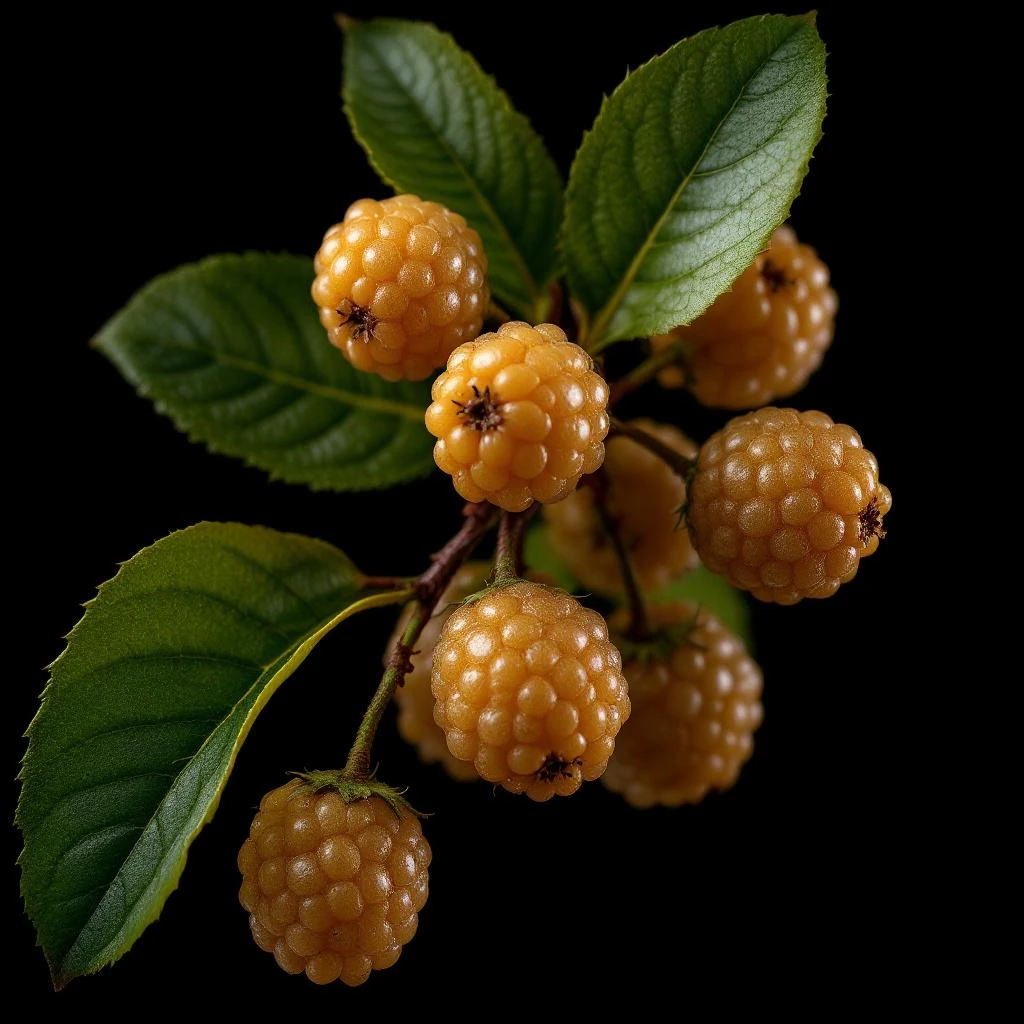
Warm, spicy, and earthy—caraway seeds anchor compositions with ancient depth.
Caraway seeds contain up to 80% carvone, the compound responsible for their distinctive warm, spicy character that perfumers prize.




Origin
Netherlands
Carum carvi has grown wild across Europe, Asia, and North Africa for thousands of years, with archaeological evidence of its use dating to prehistoric settlements. Dutch traders became prominent in the caraway trade during the medieval period, establishing the Netherlands as a key distribution hub for aromatic seeds. The term 'Dutch Caraway' emerged from this commercial prominence rather than a distinct botanical variety.
Historical records from 17th-century Dutch markets document caraway as a staple spice and medicinal ingredient. European herbalists widely prescribed caraway preparations for digestive complaints, a practice reflected in its genus name derived from the Latin 'carum.' Dutch colonial trade routes later spread caraway cultivation to additional regions while maintaining the Netherlands' reputation for quality seed production.
Today, Dutch caraway remains valued in perfumery for its warm, complex aromatic profile that bridges spicy and earthy scent families.
Wears it best
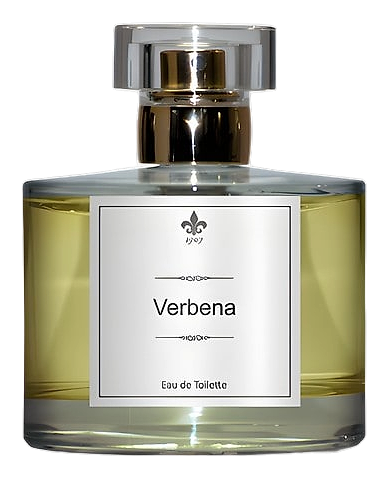
Fragrances featuring Dutch Caraway
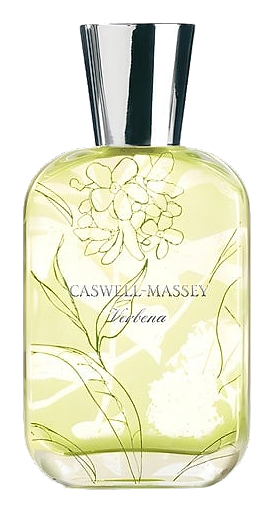

Brands
Brands known for Dutch Caraway
Good to know
Questions, answered
The essentials on Dutch Caraway in perfumery: how it smells, where it comes from, and how it behaves on skin.
What does Dutch Caraway smell like in perfumery?
Dutch Caraway offers a warm, spicy aroma with earthy undertones and slight sweetness. It combines notes reminiscent of anise, mint, and citrus peel. Perfumers value it for adding depth and a natural, herbaceous quality to compositions, particularly in aromatic and fougère fragrance families.
Which part of the caraway plant does perfumery use?
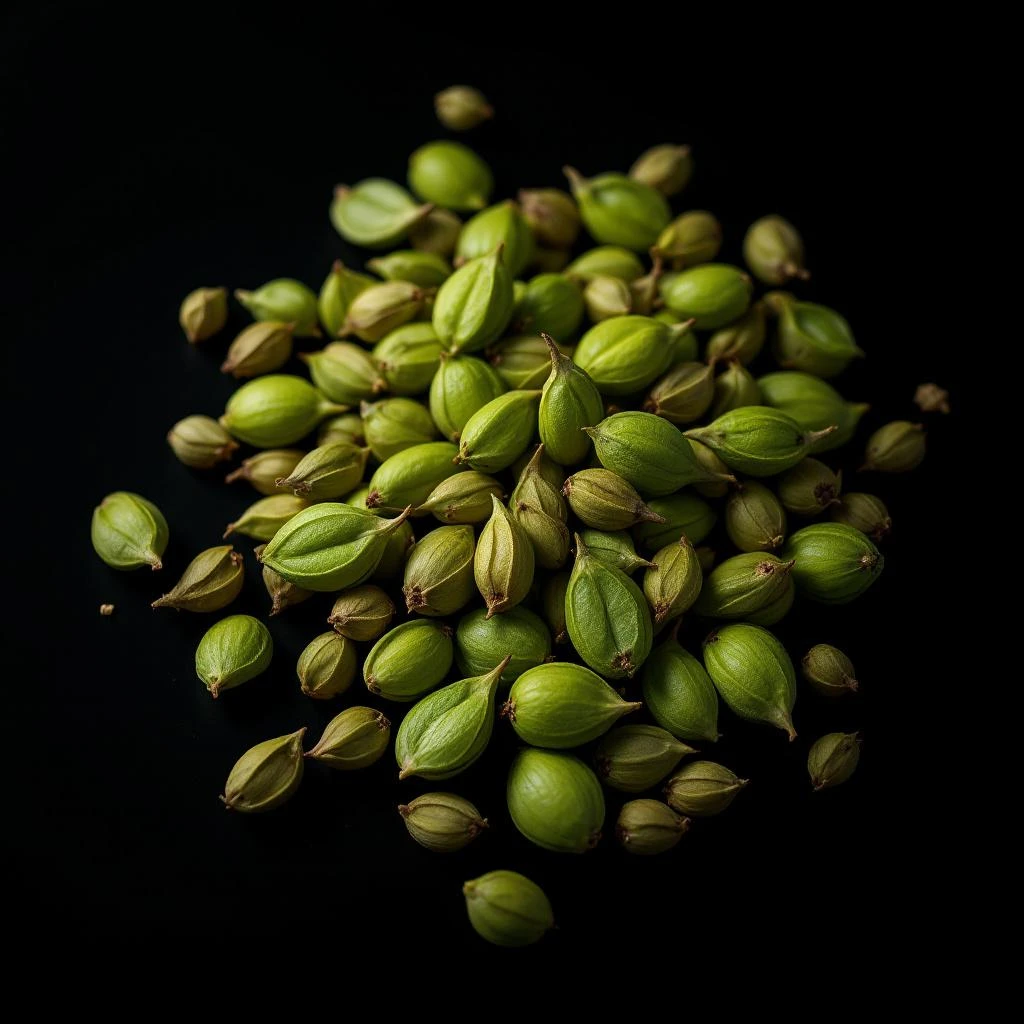
Perfumery uses the dried ripe fruit, commonly called caraway seeds. These small brown fruits contain the highest concentration of aromatic compounds, primarily carvone. Steam distillation of crushed seeds yields the essential oil used in fragrance formulations.
How is caraway essential oil extracted?
Steam distillation extracts caraway oil from dried, crushed ripe fruits over 4-6 hours. This method preserves the sensitive aromatic molecules including carvone and limonene while producing an oil suitable for fragrance use. The process requires careful temperature control to maintain quality.
Where does Dutch Caraway originate?
The Netherlands serves as the primary origin for Dutch Caraway, where maritime climate conditions produce seeds with well-developed aromatic profiles. Carum carvi also grows wild across parts of Asia, Europe, and North Africa, but Dutch-grown caraway carries particular commercial significance in global trade.
Is caraway oil safe for skin application in fragrances?
Caraway oil requires dilution before skin application. IFRA guidelines permit its use in fragrance compositions at specified concentrations. The oil contains compounds that may cause sensitization in some individuals, so professional formulation guidance is essential.
How does Dutch Caraway differ from regular caraway?
Dutch Caraway refers to caraway seeds grown and traded through the Netherlands, where Dutch traders established major distribution networks during the medieval period. The designation reflects commercial origin rather than botanical distinction. All caraway derives from Carum carvi regardless of regional name.
What fragrance families pair well with caraway?
Caraway integrates well with aromatic, fougère, and spicy fragrance families. It pairs effectively with lavender, rosemary, oakmoss, and citrus materials. The oil also complements warmer notes like patchouli, vetiver, and other spice oils, adding herbaceous depth to compositions.
Does caraway appear in natural or synthetic perfumery?
Caraway appears in both natural and synthetic contexts. Natural caraway oil comes from steam distillation of Carum carvi seeds. Synthetic replicates focus on reproducing carvone, the primary aromatic constituent. Natural caraway offers a more complex profile with trace compounds that synthetic versions cannot fully replicate.