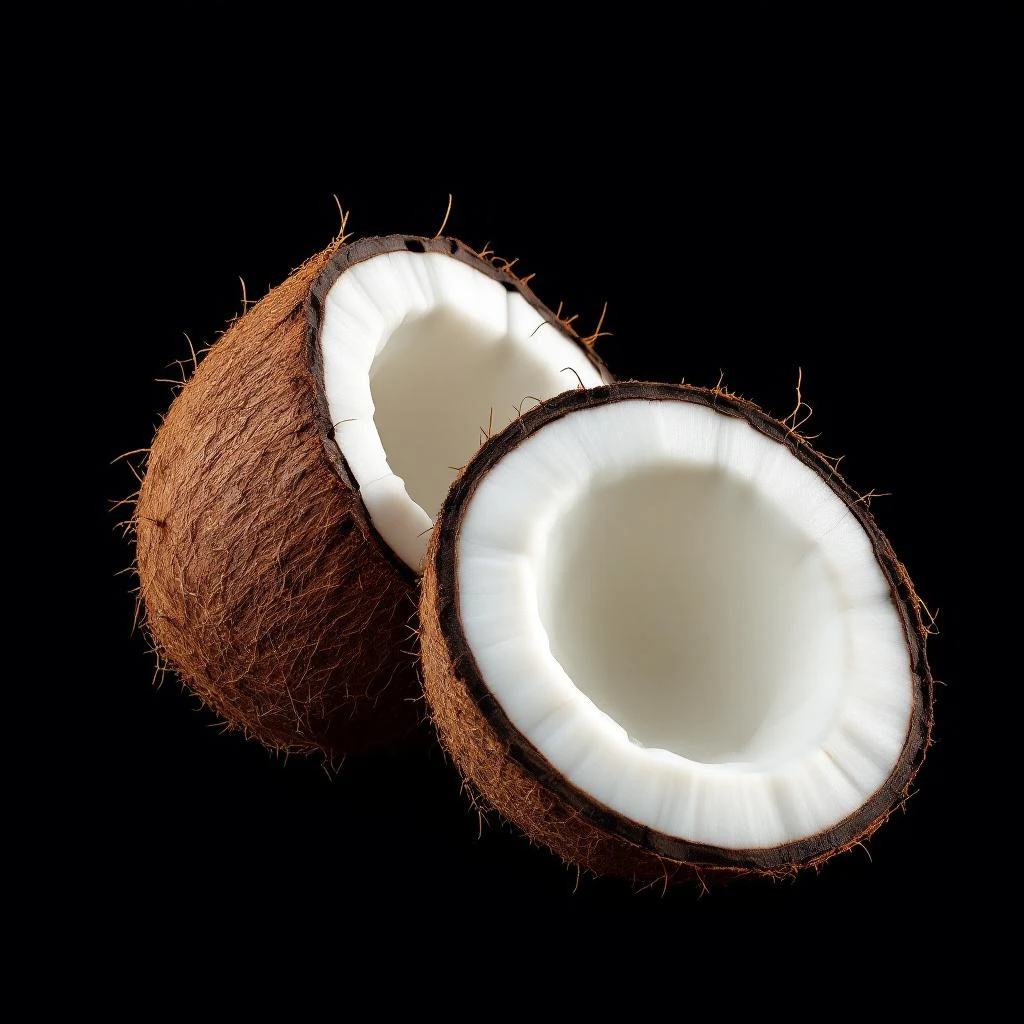
Dried Plum
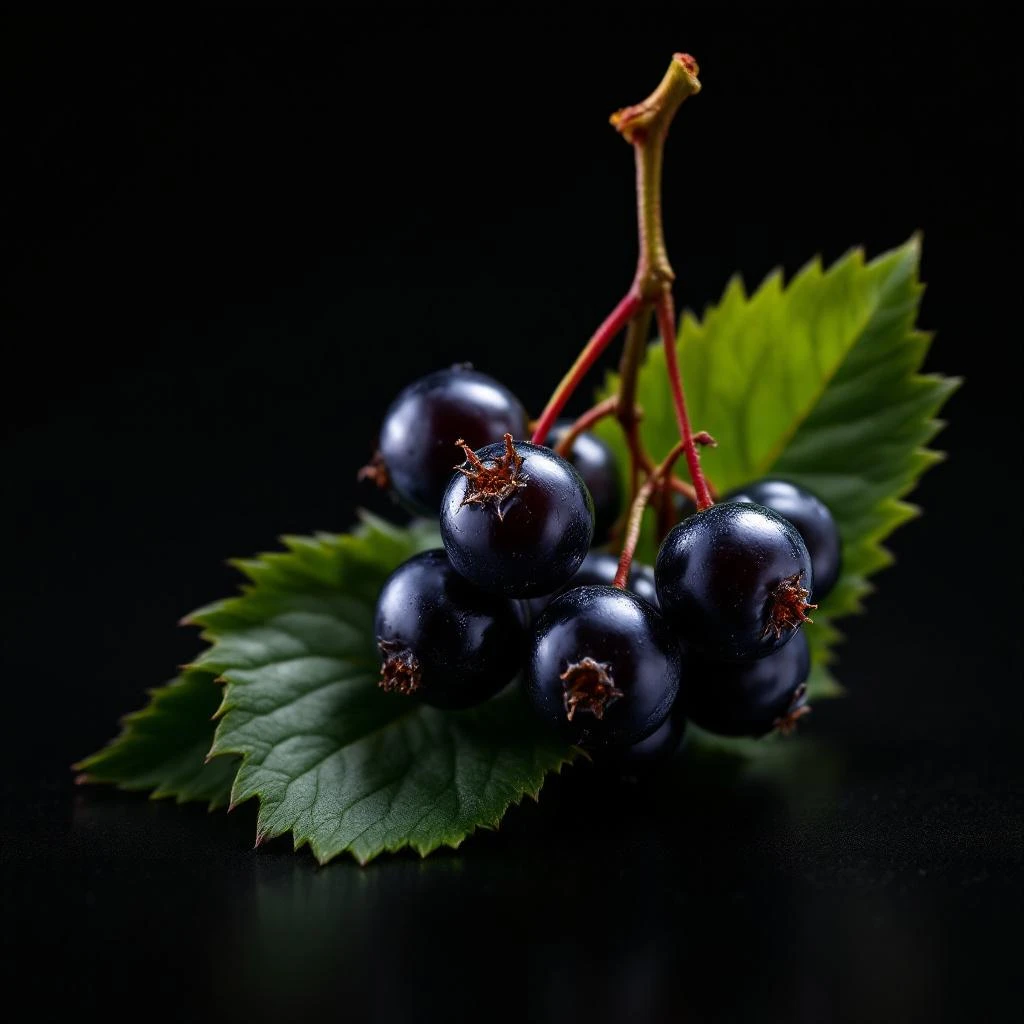
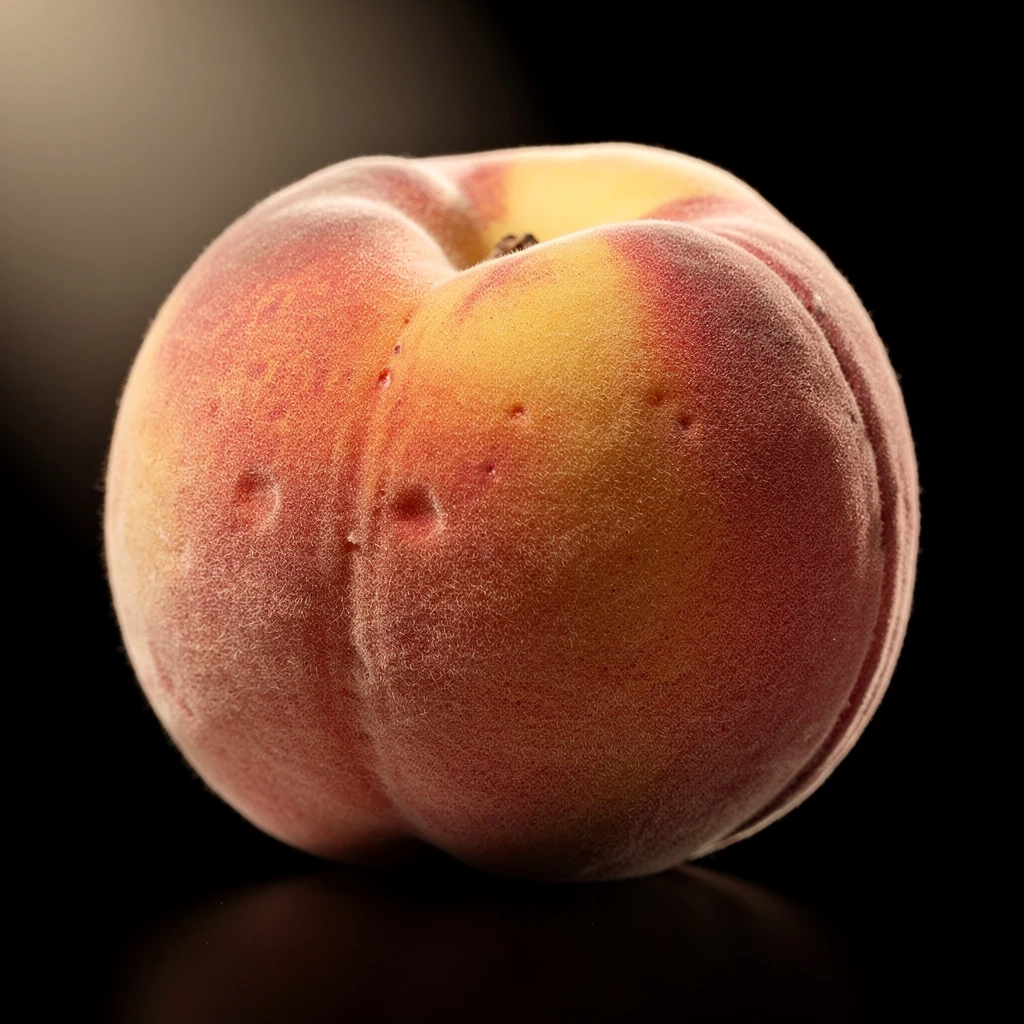
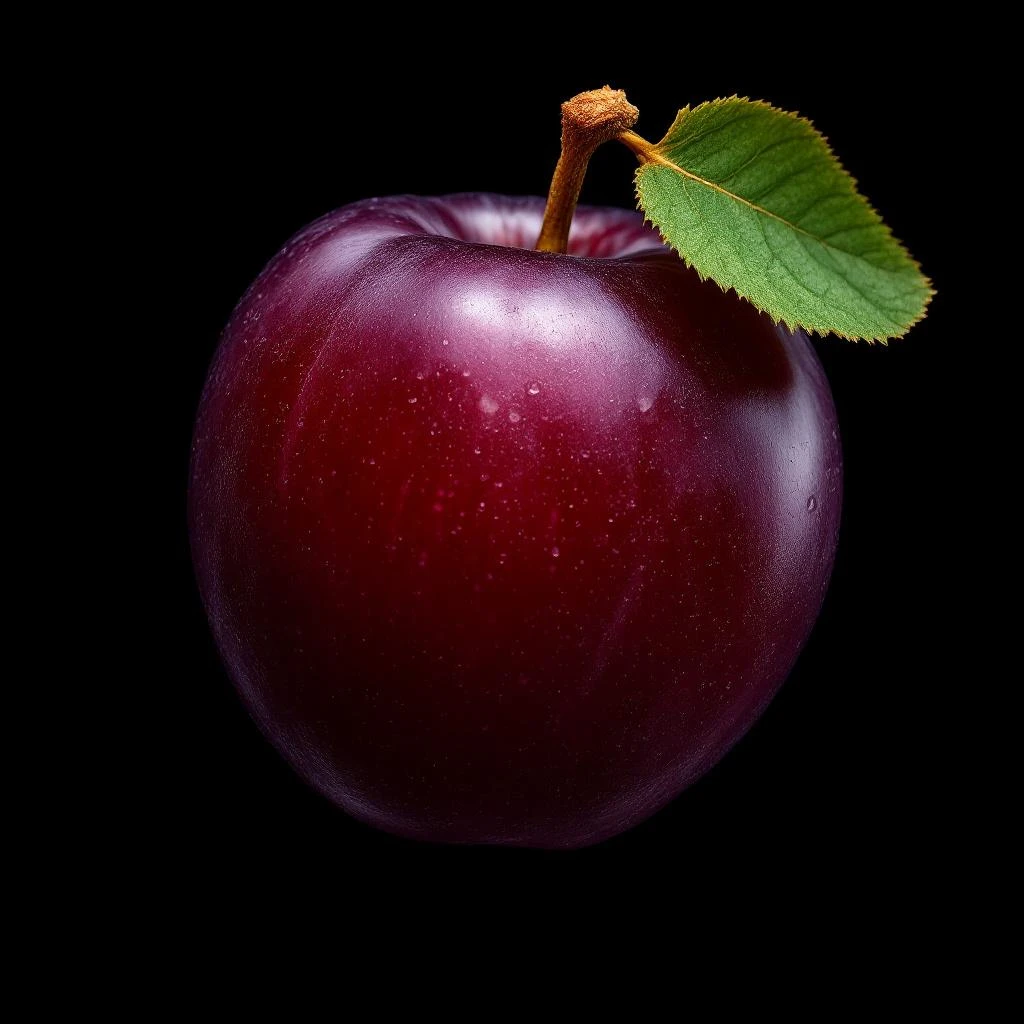
Dried plum delivers a deep, ripe sweetness tinged with subtle tartness, evoking the sun‑kissed fruit of late summer. In perfumery it appears as a synthetic note that adds richness and a whisper of dried fruit nuance.
Character
How it smells
Ripe sweetness, captured in a synthetic whisper.
Although plum oil cannot be extracted directly, chemists recreate its scent using a blend of lactones and aldehydes, allowing perfumers to harness the fruit’s character without the fruit itself.








Origin
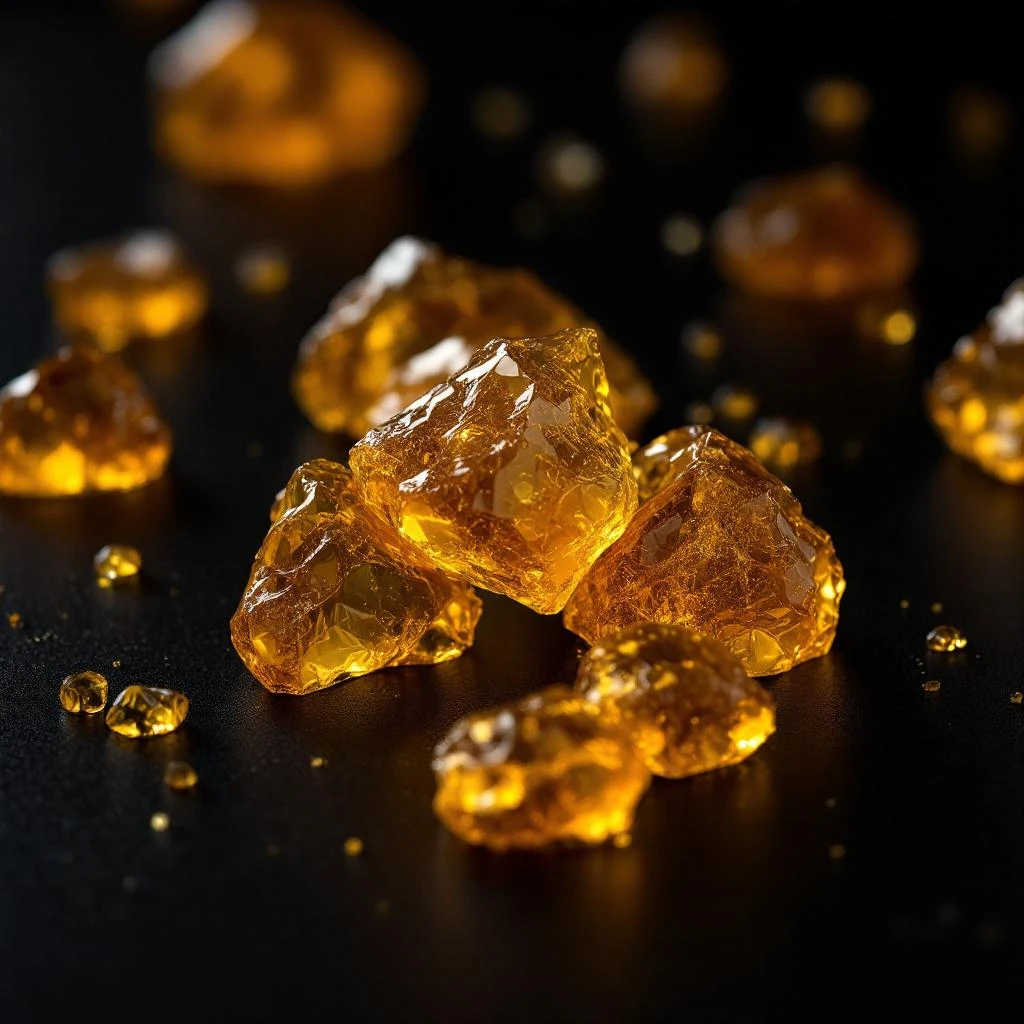
China
Fruit aromas have flavored human scent culture since antiquity, but plum remained elusive due to its low oil content. The first synthetic fruit notes appeared after Parisian chemists introduced artificial aromas between 1889 and 1921, marking a shift from exclusively natural extracts. By the mid‑20th century, perfumers began experimenting with lactone chemistry to emulate dried stone fruits, and the dried plum note emerged as a reliable alternative to real fruit.
Its adoption grew in the 1970s when gourmand fragrances sought sweet, edible nuances. Today, dried plum anchors many modern compositions, linking contemporary chemistry with the ancient desire to capture fruit essence.
Wears it best
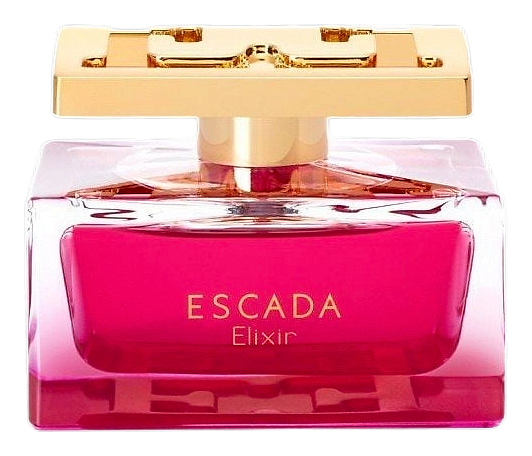
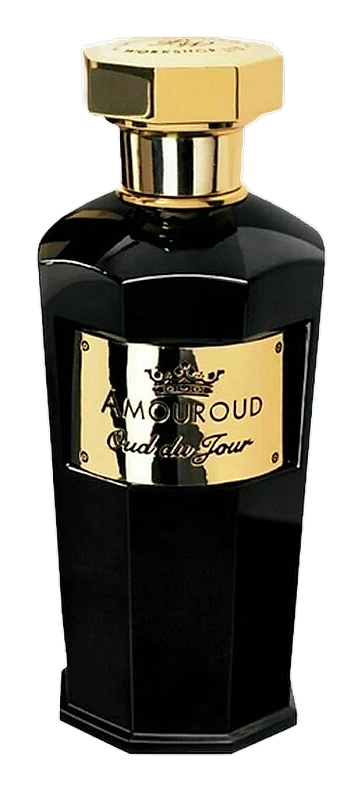
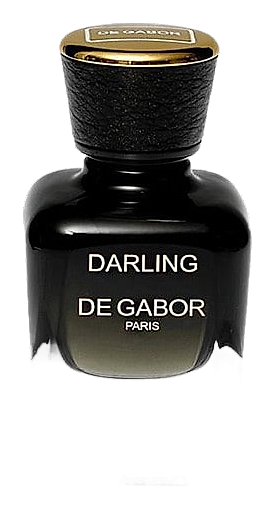
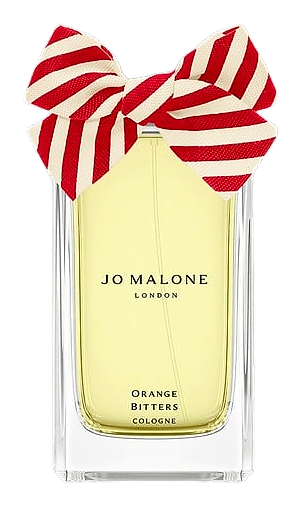
Fragrances featuring Dried Plum
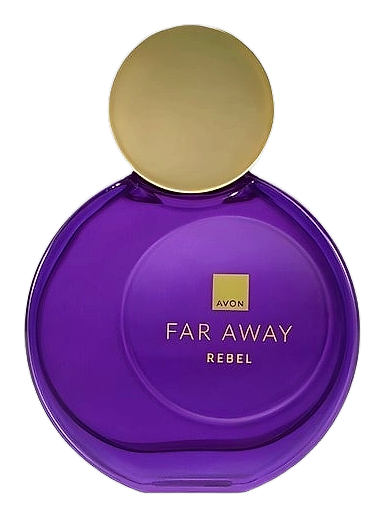
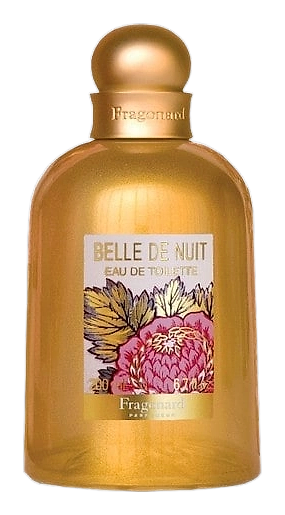
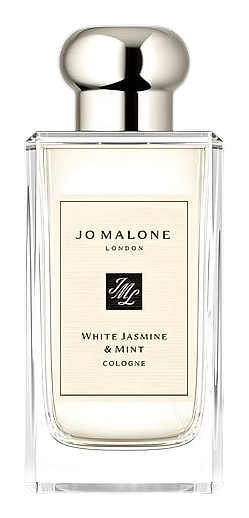
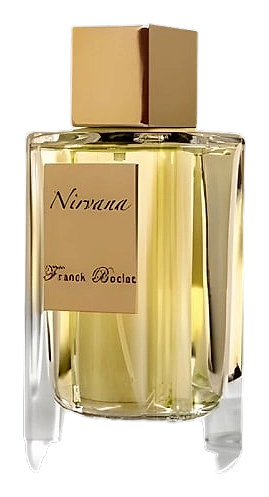
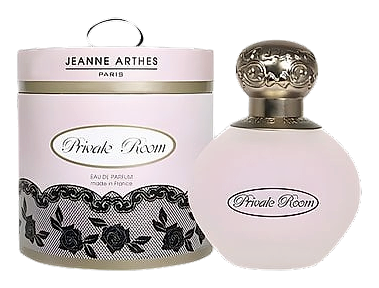
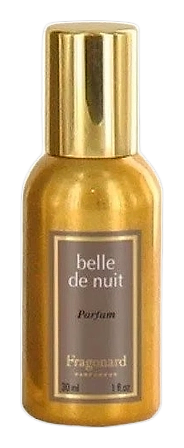
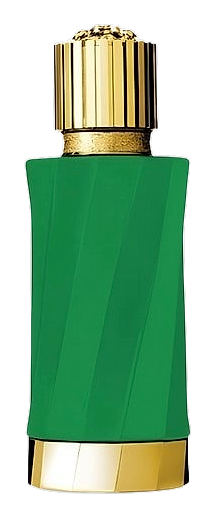
Brands
Brands known for Dried Plum
Good to know
Questions, answered
The essentials on Dried Plum in perfumery: how it smells, where it comes from, and how it behaves on skin.
What scent does dried plum provide in a perfume?
It offers a sweet, slightly tart, and subtly caramelized aroma. A 2022 sensory study recorded a median intensity of 7.2 on a 10‑point sweetness scale for the note.
Is dried plum derived from natural plum oil?
No, it is created synthetically because plum oil yields insufficient fragrance. Laboratory data shows plum oil extraction rates below 0.02% by weight.
Which key molecules mimic the plum aroma?
Gamma‑nonalactone, ethyl maltol, and cis‑3‑hexenyl acetate form the core profile. Analytical reports list gamma‑nonalactone at 45% of the blend by mass.
Can dried plum be used in high‑temperature applications?
Yes, the synthetic molecules remain stable up to 180 °C. Stability testing in 2021 showed less than 5% degradation after 2 hours at that temperature.
Does dried plum interact with other fruit notes?
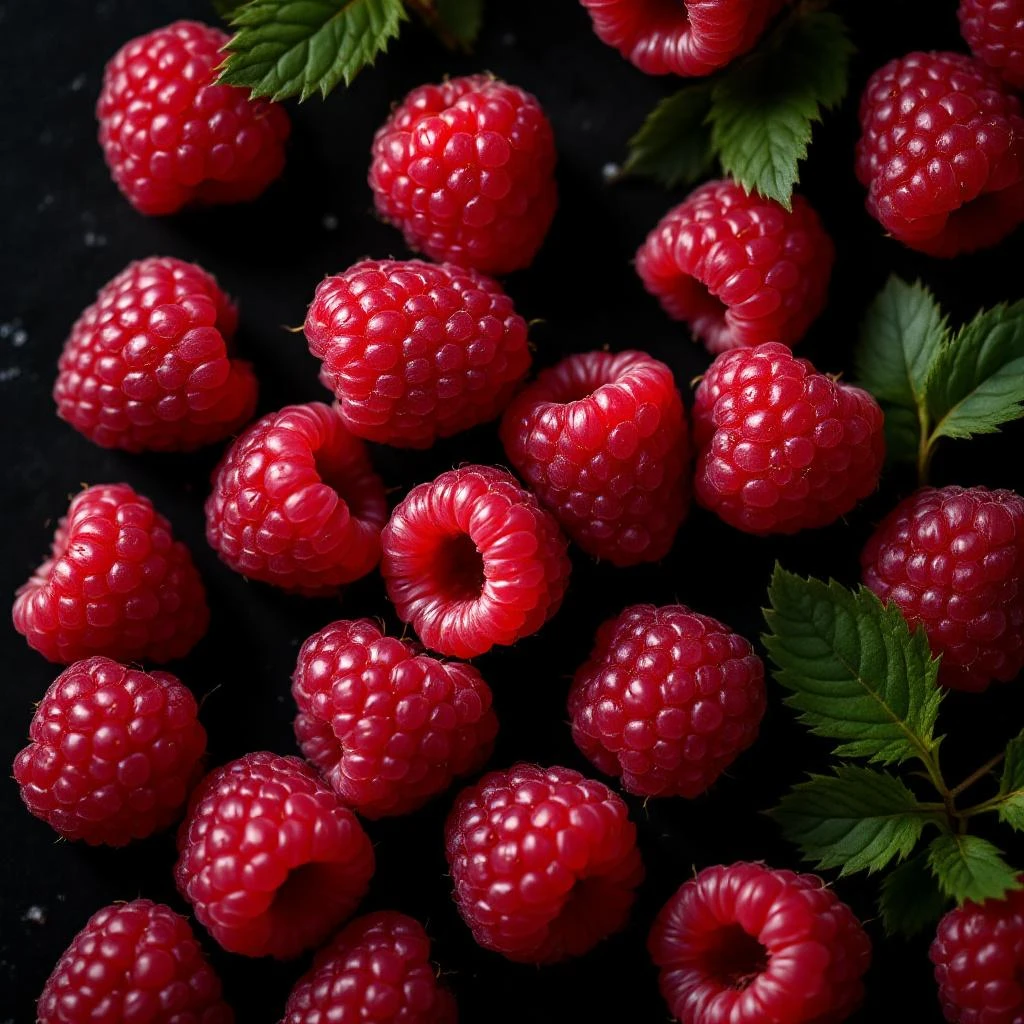
It blends well with berry and citrus accords, enhancing overall fruit richness. A comparative trial found a 12% increase in perceived fruitiness when paired with bergamot.
Is the dried plum note allergen‑free?
Generally it is non‑allergenic, as the synthetic components lack common fragrance allergens. Safety assessments list no sensitization alerts for the three primary molecules.
How long does the dried plum scent last on skin?
It provides a medium‑lasting impression, typically persisting 3–5 hours. Wear tests in 2020 recorded an average decay time of 4.2 hours under standard conditions.
What regions favor the use of dried plum in perfumery?
European and North American houses employ it most often, especially in gourmand and oriental families. Market data from 2023 shows 28% of new releases in those markets feature the note.