The Story
Why it exists.
The beginning
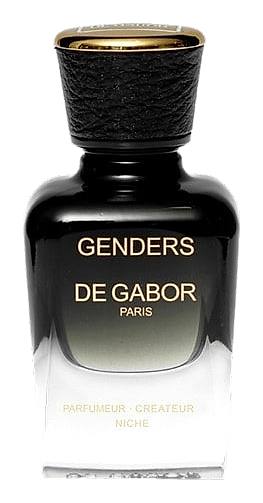
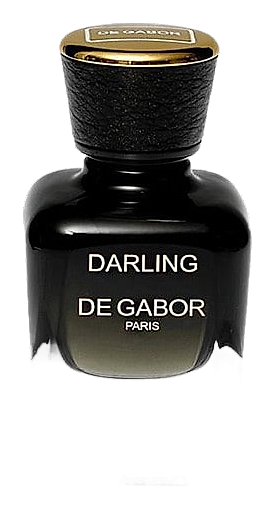
Gabriel Gabor launched Darling in 2016, two years before founding his Paris house. A Hungarian-born perfumer working in the French capital, Gabor had been building his compositional voice since 2010, studying the intersection of Eastern European aromatic tradition and Parisian refinement. Darling was his statement piece: a fragrance that announced what his house would stand for. The name itself is casual, intimate, almost a whisper. The fragrance is not. Gabor wanted something that opened seductively and ended intimately. The full arc matters. Not just the first impression, but the whole performance. Darling was created around natural sandalwood as its structural core, with the gourmand notes serving as both temptation and reward. The brief was straightforward: build a fragrance that smelled like someone who knew what they wanted, who had already decided to enjoy themselves.
The note structure of Darling reads like a recipe for something dangerous. Cherry and cognac in the top. Marzipan, praline, tonka bean, rum, vanilla in the heart. Natural sandalwood as the persistent backbone that keeps all that sweetness from flying apart. Then, in the base: oud, leather, suede, benzoin, labdanum. Warmth that accumulates rather than fades. What makes this composition unusual is the sandalwood itself. Gabor built the fragrance around a natural sandalwood, not a synthetic reconstruction. That material behaves differently than an accord. It develops on skin. It persists. It changes character as it reacts with the wearer's chemistry.
The evolution
The opening arrives fast. Saffron and pink pepper first, then the Calabrian bergamot cuts through with a brief citrus brightness before the cherry and cognac take over. That boozy-fruity combination is the hook. It's the moment that makes someone stop and ask what you're wearing. Within twenty minutes, the ginger adds warmth. The top notes don't disappear so much as they integrate. The composition is already shifting toward the heart, where sandalwood begins its slow ascent. Marzipan and praline arrive next, sweet and edible, with rum underneath keeping things interesting. Jasmine and orchid appear briefly, soft florals that prevent the gourmand quality from becoming overwhelming. This is the phase where the fragrance becomes intimate. Less performance, more presence. By hour three, the drydown is fully established. The sandalwood hasn't gone anywhere. It's been there the whole time, building. Now it's joined by oud, leather, suede, benzoin, and labdanum. The sweetness has receded into memory. What remains is warm, resinous, animalic without being aggressive.
Cultural impact
Darling earned recognition almost immediately. Within months of its 2016 launch, it was selected among the best ten sandalwood creations worldwide at the World Perfumery Congress in Miami. In 2020, the community featured it in their Best Indie/Niche Perfumes of the Last Decade list. For a debut fragrance from a perfumer who wouldn't formally establish his house for another three years, this was an unusual reception. The fragrance found its audience immediately and has maintained its position in the niche gourmand category ever since.