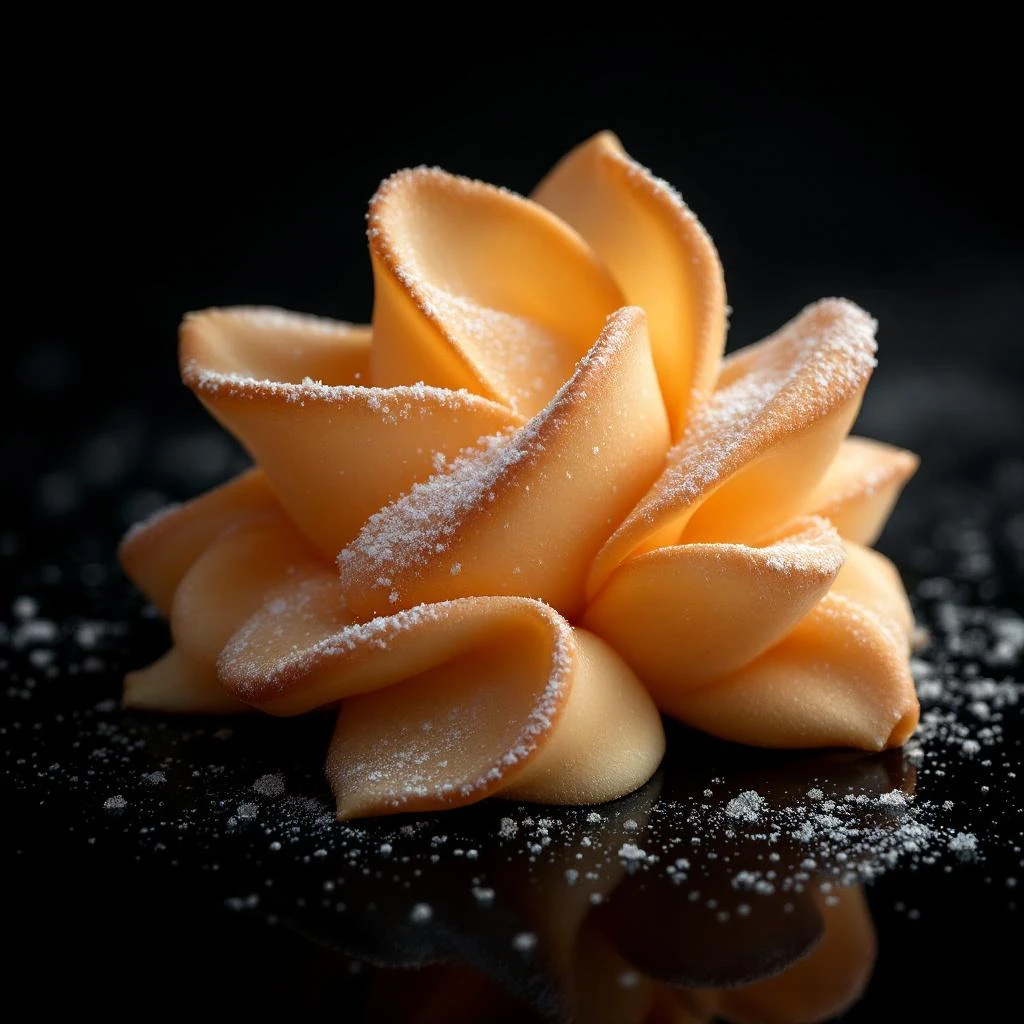
Marzipan
Marzipan is a sweet, nutty, and powdery base note that evokes edible confectionery. It brings warmth and comfort to oriental, gourmand, and chypre compositions. The note captures the essence of almond candy, adding depth and a subtle sweetness that lingers on the skin.

Character
How it smells
The edible comfort of almond candy, warming fragrance compositions from within.
The marzipan note traces entirely to bitter almonds, which contain amygdalin. This compound releases benzaldehyde when the kernels are crushed, creating that distinctive sweet-almond aroma.







Origin
Germany
The confection we call marzipan has roots in medieval Mediterranean trade, with the earliest written references appearing in Italian and Spanish texts from the 16th century. However, the sweet almond paste likely traveled much further, potentially originating along ancient Silk Road trade routes.
Northern Germany emerged as a production powerhouse, with Lübeck claiming particular renown. The city's marzipan guilds and merchants established the confection's reputation across Europe, and it remains a protected designation in Germany today.
When perfumers began capturing the essence of bitter almonds in the 19th century, they drew on this deep cultural familiarity. The marzipan note arrived in fragrance during the same period that saw the rise of modern perfumery, becoming a staple of warm, edible fragrance families.
Wears it best
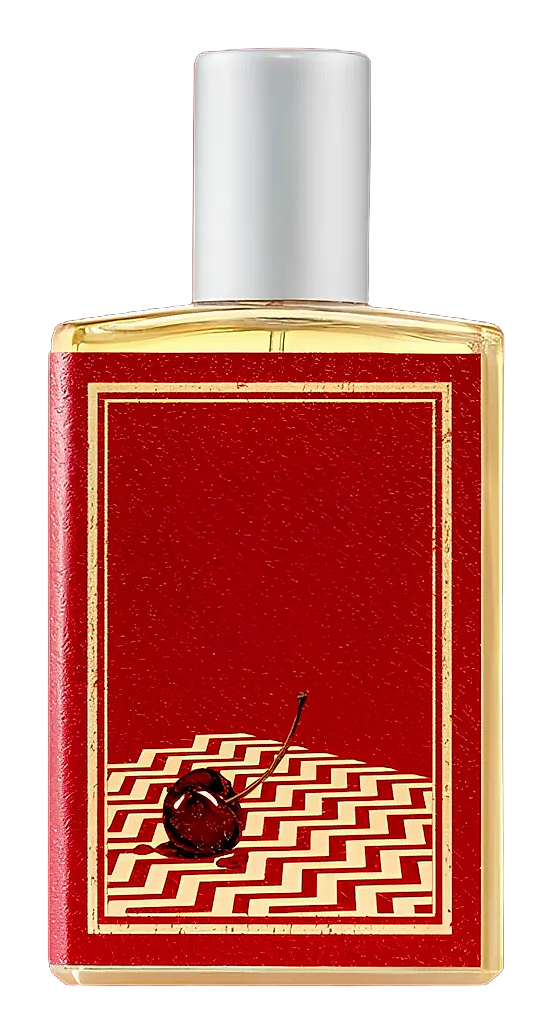
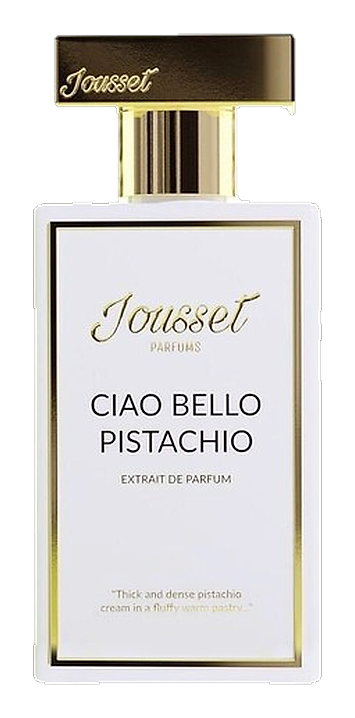
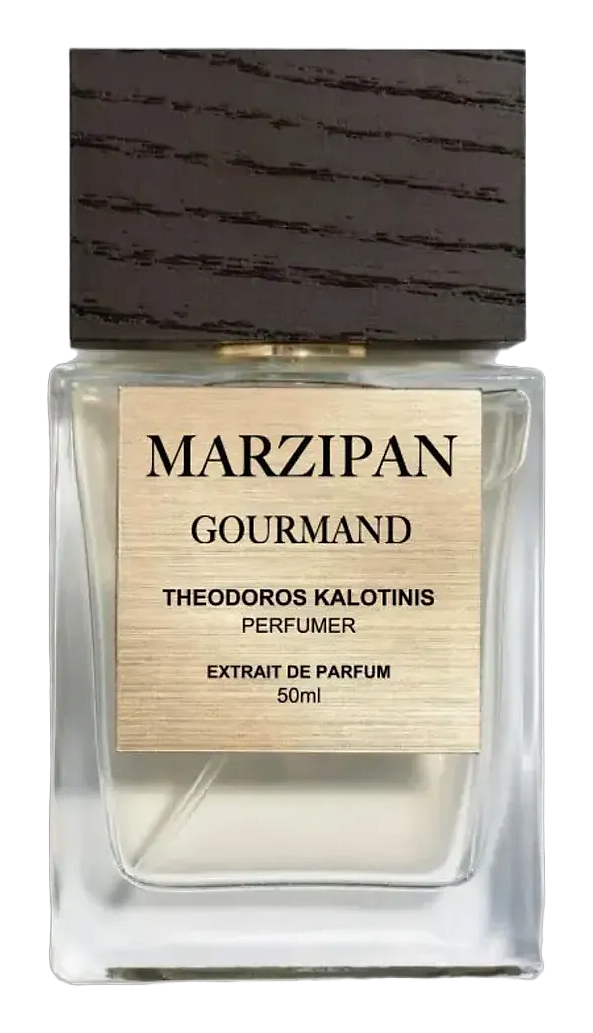
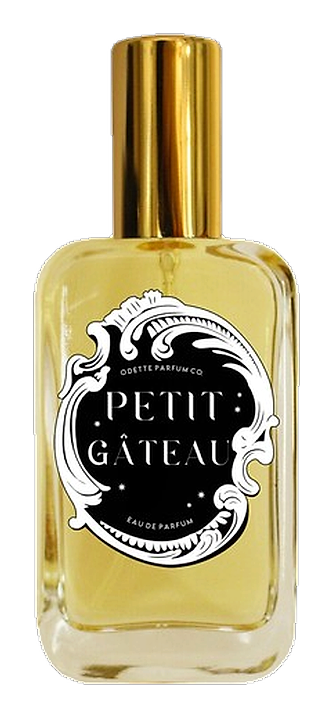
Fragrances featuring Marzipan
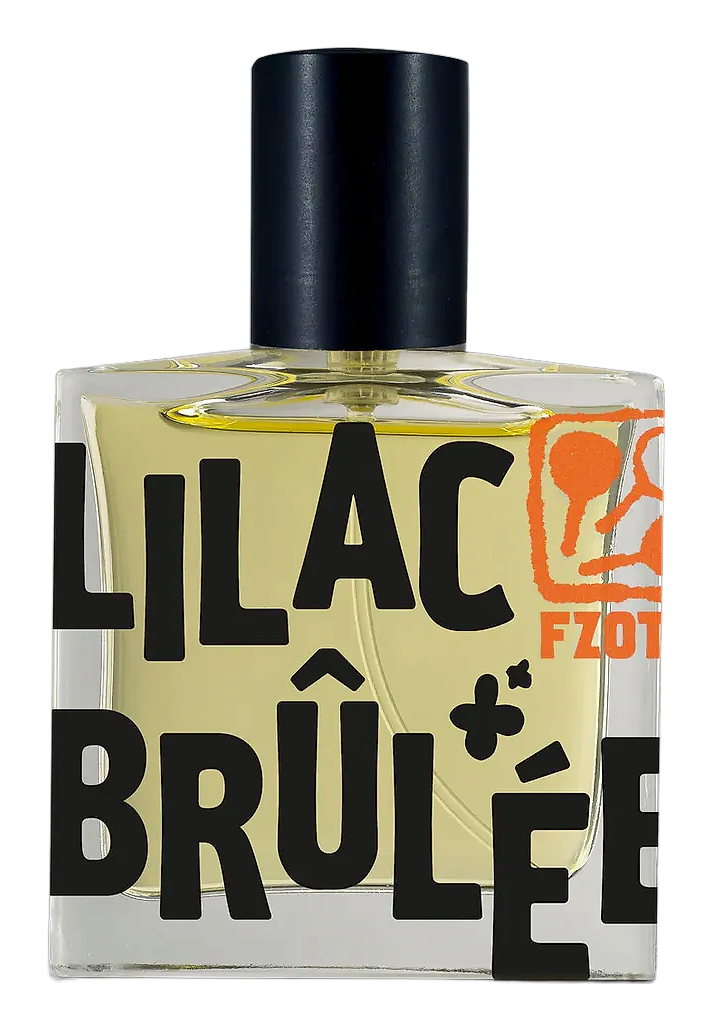
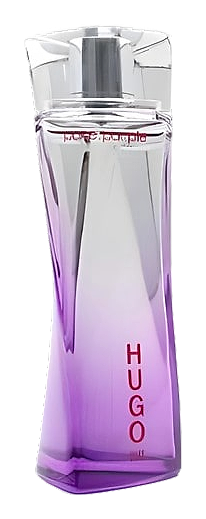
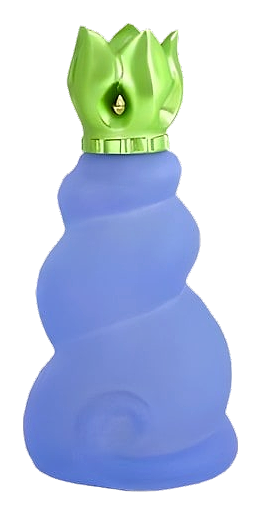
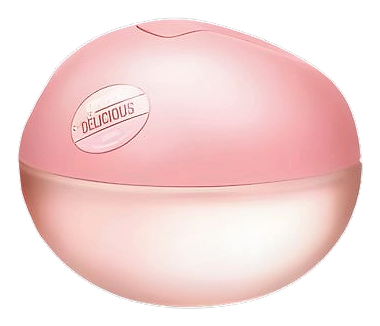
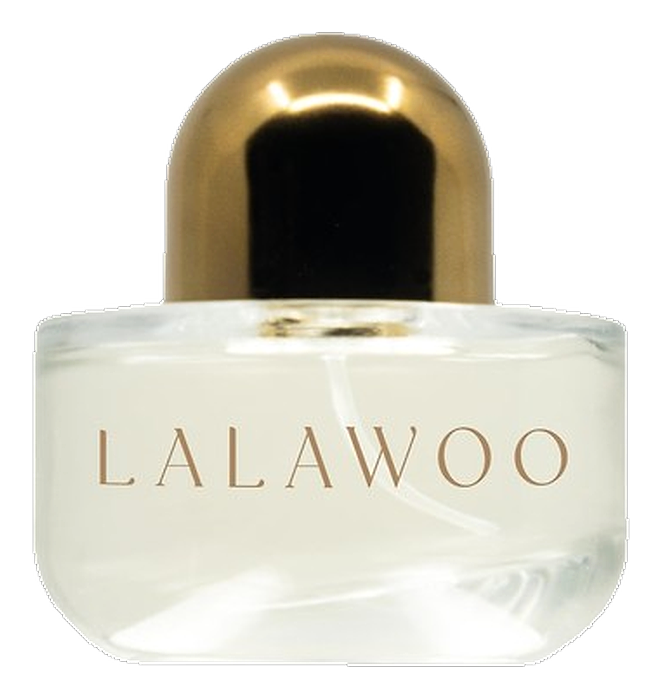
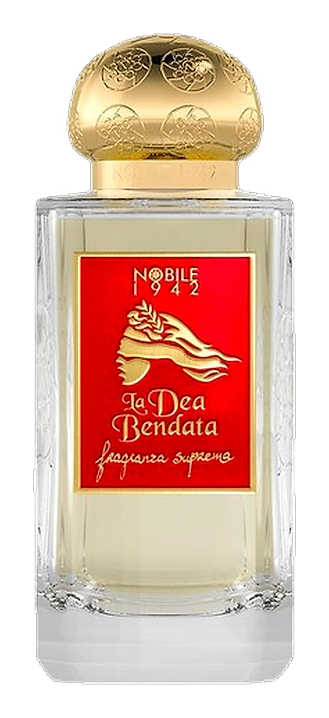
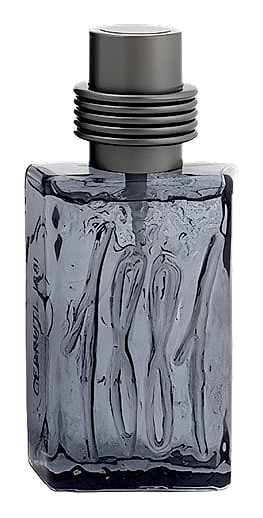
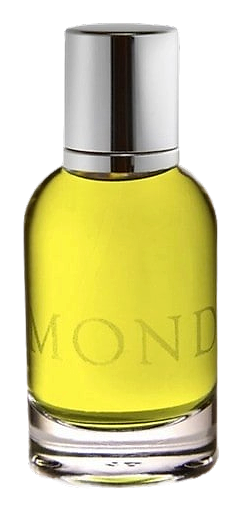
Brands
Brands known for Marzipan
Good to know
Questions, answered
The essentials on Marzipan in perfumery: how it smells, where it comes from, and how it behaves on skin.
What does Marzipan smell like in perfume?
Marzipan in perfume smells sweet, nutty, and slightly powdery, reminiscent of almond candy or marzipan confectionery. It reads as warm and edible, with subtle bitter almond undertones that prevent it from becoming cloying. The note typically appears in the dry-down, lending lasting comfort and warmth.
Why is Marzipan used in perfumery?
Marzipan functions as a bridge between gourmand and oriental fragrance families. It adds warmth, sweetness, and an edible quality that makes compositions feel inviting and cozy. Perfumers also use it to soften sharper notes and create a lingering, comforting dry-down that extends a fragrance's presence on skin.
Is Marzipan in perfume natural or synthetic?
Marzipan in modern perfumery is predominantly synthetic. The key compound, benzaldehyde, can be produced through organic synthesis at consistent quality and purity levels exceeding 99%. Natural bitter almond oil does exist but contains toxic hydrogen cyanide, requiring additional processing that limits its use in commercial fragrances.
What famous perfumes contain Marzipan?
Marzipan appears in numerous oriental and gourmand fragrances across various houses. The note features prominently in Ambre Sultan by Serge Lutens, Amaretto-forward compositions, and several warm vanilla fragrances. Many niche houses specifically highlight marzipan as a signature element in their edible fragrance lines.
Is Marzipan a top note, heart note, or base note?
Marzipan functions primarily as a base note in perfumery. While the fresh bitter almond scent appears early in application, the characteristic sweet marzipan warmth develops and deepens as the fragrance dries down. It provides lasting sillage and can remain detectable on skin for hours.
What notes pair well with Marzipan in perfume?
Marzipan pairs naturally with vanillin, tonka bean, benzoin, and other sweet resins in oriental compositions. It also complements tonka and coumarin in gourmand fragrances. For contrast, perfumers combine it with citrus, jasmine, or rose to balance its sweetness, or with leather and oud for unexpected depth.
How is Marzipan extracted?
Bitter almond kernels undergo steam distillation to produce bitter almond oil. The kernels are crushed and processed with steam, which volatilizes the aromatic compounds. Benzaldehyde, comprising up to 95% of the oil, is isolated through this method. Synthetic production replicates this compound through controlled chemical reactions.
Is Marzipan used in men's or women's fragrances?
Marzipan appears across gender presentations in modern perfumery. While traditionally associated with feminine oriental fragrances, it now features equally in masculine and gender-neutral compositions. The note's versatility and warmth make it adaptable across fragrance families and marketing positioning.