The Story
Why it exists.
The beginning
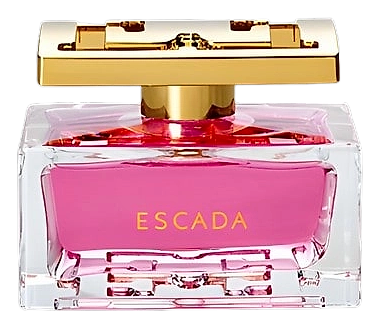
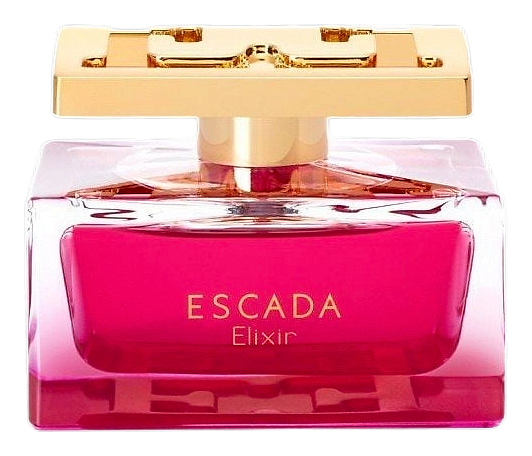
Especially Escada Elixir arrived in 2013 as the intense reinterpretation of the 2011 original, signalling a shift in intent. Perfumer Jean-Michel Duriez didn't simply amplify the formula, he restructured the heart around a Turkish rose absolute with real weight, then layered in prune and dried plum to deepen the fruity register without tipping into confection. The Elixir naming itself is the clue: this wasn't meant to be subtle. It was meant to last, to fill a room, to arrive before you and still be there when you leave. The addition of ambrette seed, Ecuadorian, slightly nutty and musky, grounds the brightness of the opening and provides a bridge between the citrus top and the warm base. Cashmere Wood, a synthetic accord designed to evoke softness without weight, anchors the drydown and gives the fragrance its characteristic close-to-skin finish. This is a rose composition for someone who wanted the original but needed more.
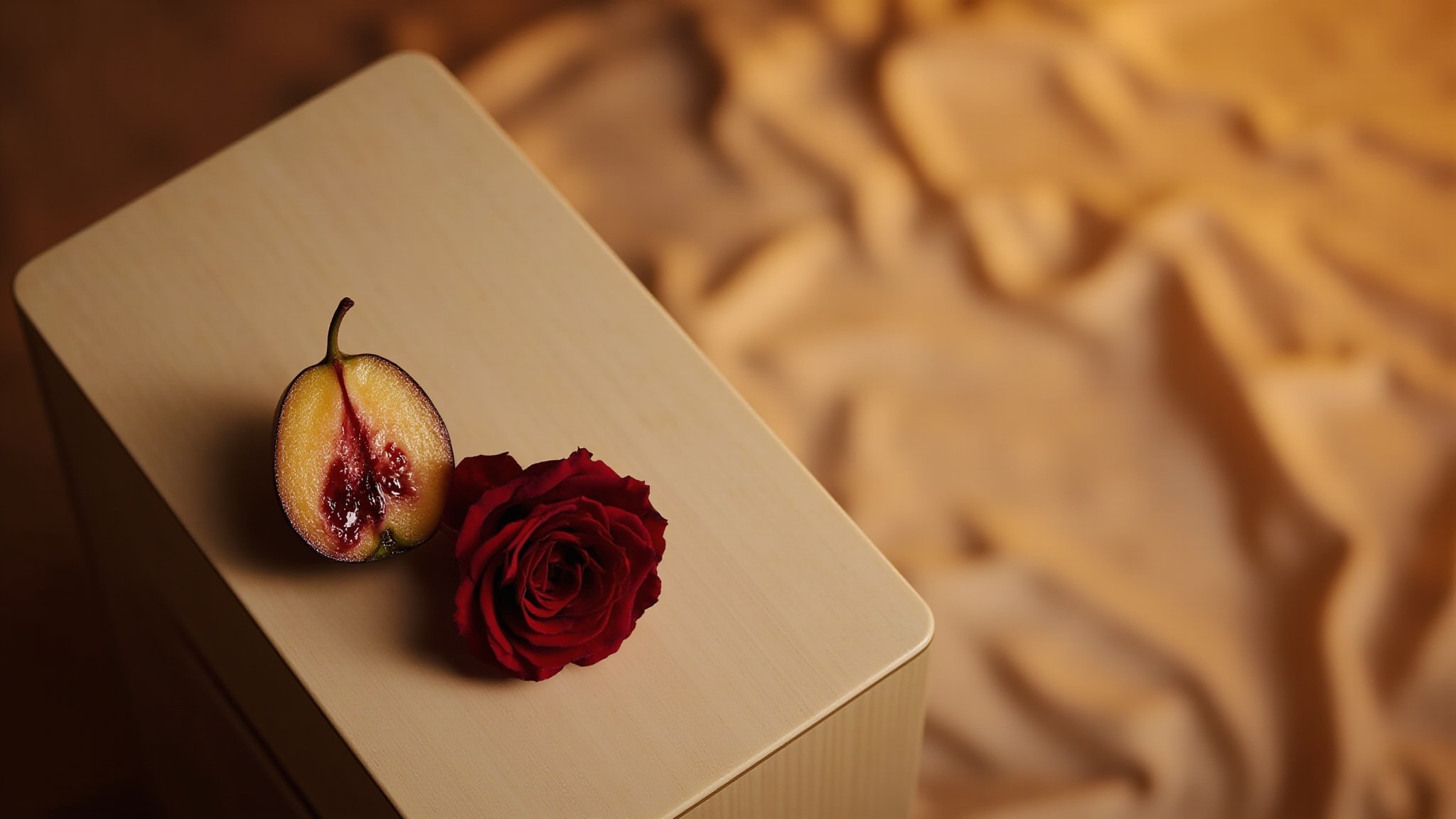
What makes Especially Escada Elixir interesting isn't any single note, it's the combination of prune and dried plum in the heart, which gives the Turkish rose absolute a jammy, slightly fermented quality that separates it from cleaner rose compositions. Most fruity-rose fragrances keep the fruit in the top and let the rose dominate the heart. Here, the plum and prune stay threaded through the middle, making the rose smell rounder, darker, less pristine. The ambrette seed is another quiet decision. Rather than a sharp musk or a heavy animalic, the Ecuadorian ambrette provides a soft, nutty sweetness that bridges the citrus opening and the warm base without drawing attention to itself.
The evolution
The opening is brief and bright. Pear and grapefruit arrive first, sharp and juicy, lasting maybe 10 to 15 minutes before the ambrette seed smooths the edges. Then the heart takes over and doesn't let go. The Turkish rose absolute is the star, but it's not a classical rose, the prune and dried plum give it a jammy, almost fermented quality that feels like it belongs to a different kind of fragrance entirely. Darker than expected. Richer than the name suggests. The ylang-ylang is subtle, a creamy backdrop rather than a feature. By the time the drydown arrives, the fruity sweetness has softened into warm patchouli and bourbon vanilla, with the cashmere wood and white musk holding everything close. The vanilla lingers longest, warm, slightly sweet, present on the skin 4 to 6 hours later on most skin types. On fabric, it can hold into the next day. On dry skin, it fades faster, closer to 3 to 4 hours. But the drydown itself, once it arrives, is the payoff: soft, warm, intimate, the kind of smell you catch when someone leans in.
Cultural impact
Especially Escada Elixir found its audience among wearers who wanted the original Especially Escada but needed more depth and staying power. The 2013 launch brought Bar Refaeli front and centre in the campaign, reinforcing the brand's athletic-elegant identity. Among fruity-rose compositions of its era, it stood out for the jammy quality of the plum notes, a choice that made it divisive but memorable. The community recognizes it as a respected performer with consistent wear across fall, spring, and winter, with strong endorsement for day and evening use.