Ecuadorian Ambrette Seed
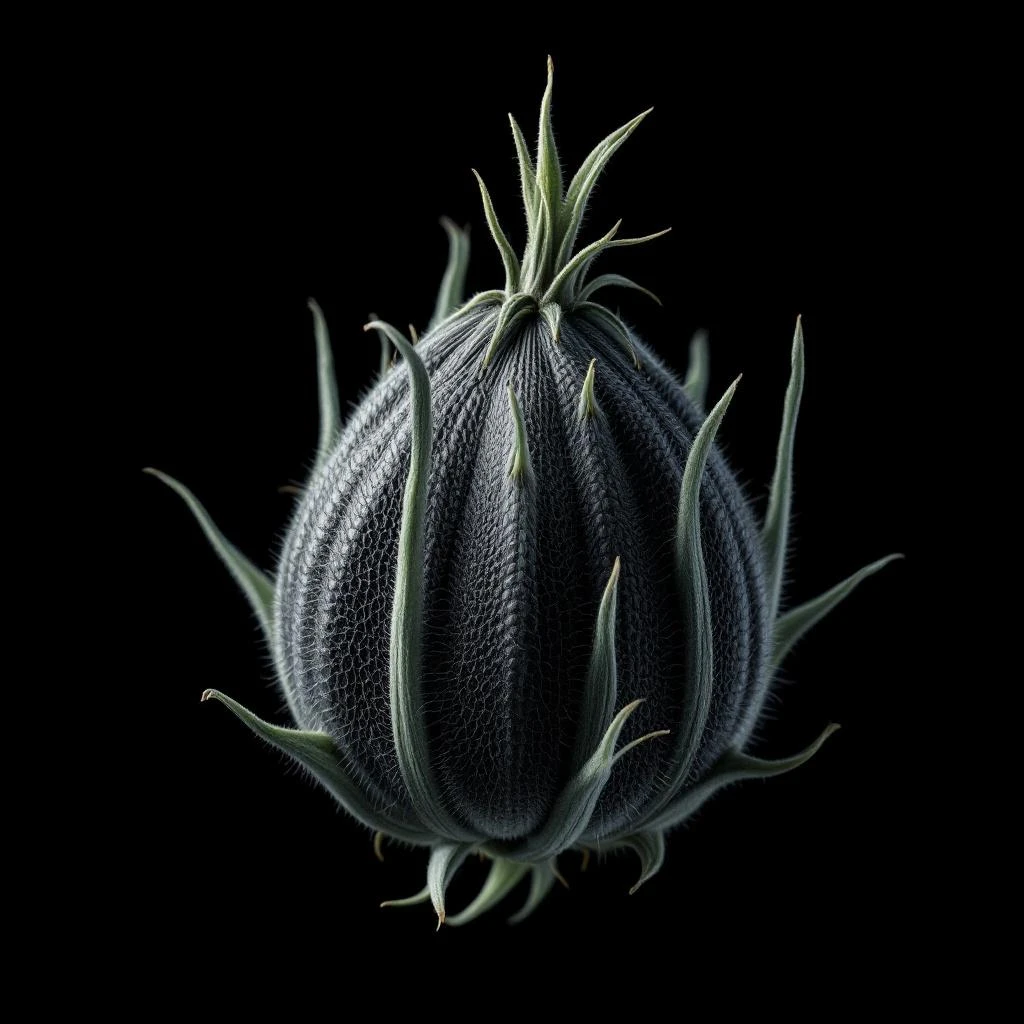
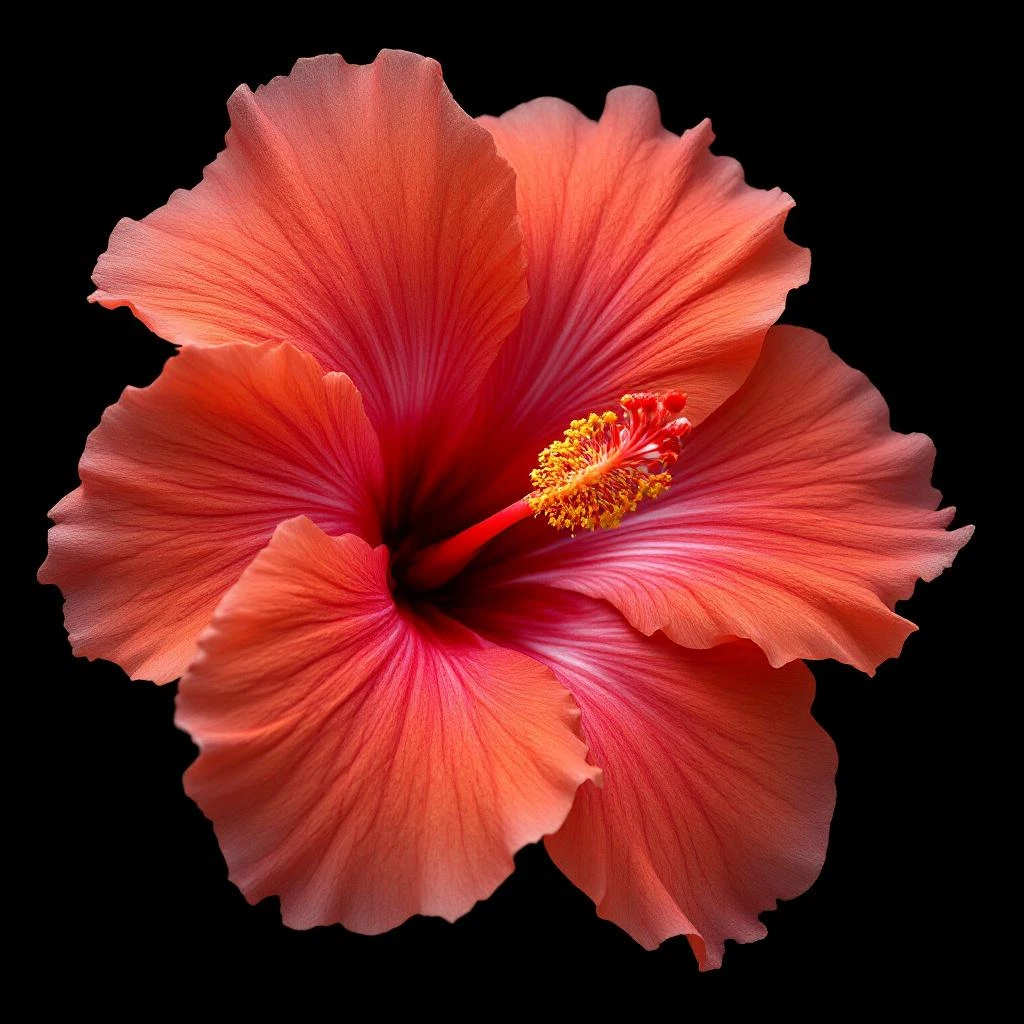
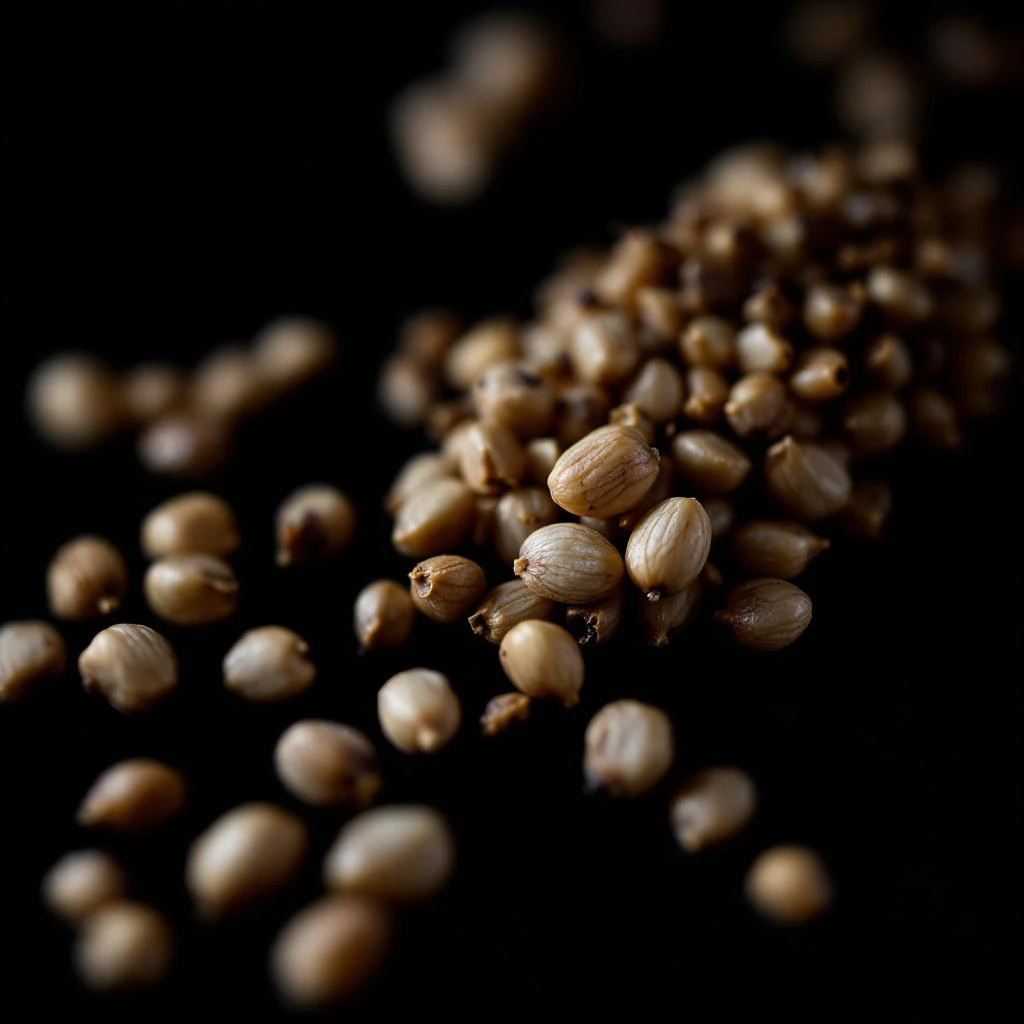
From the seeds of Abelmoschus moschatus, Ecuadorian ambrette seed delivers a warm, musky sensuality once provided only by animal-derived musk. This plant-based treasure offers powdery, fruity facets that elevate fine fragrances with natural sophistication.
Character
How it smells
The botanical musk that redefined cruelty-free perfumery
The Latin name Abelmoschus derives from Arabic, meaning 'father of musk' a title earned centuries before synthetic alternatives existed.








Origin
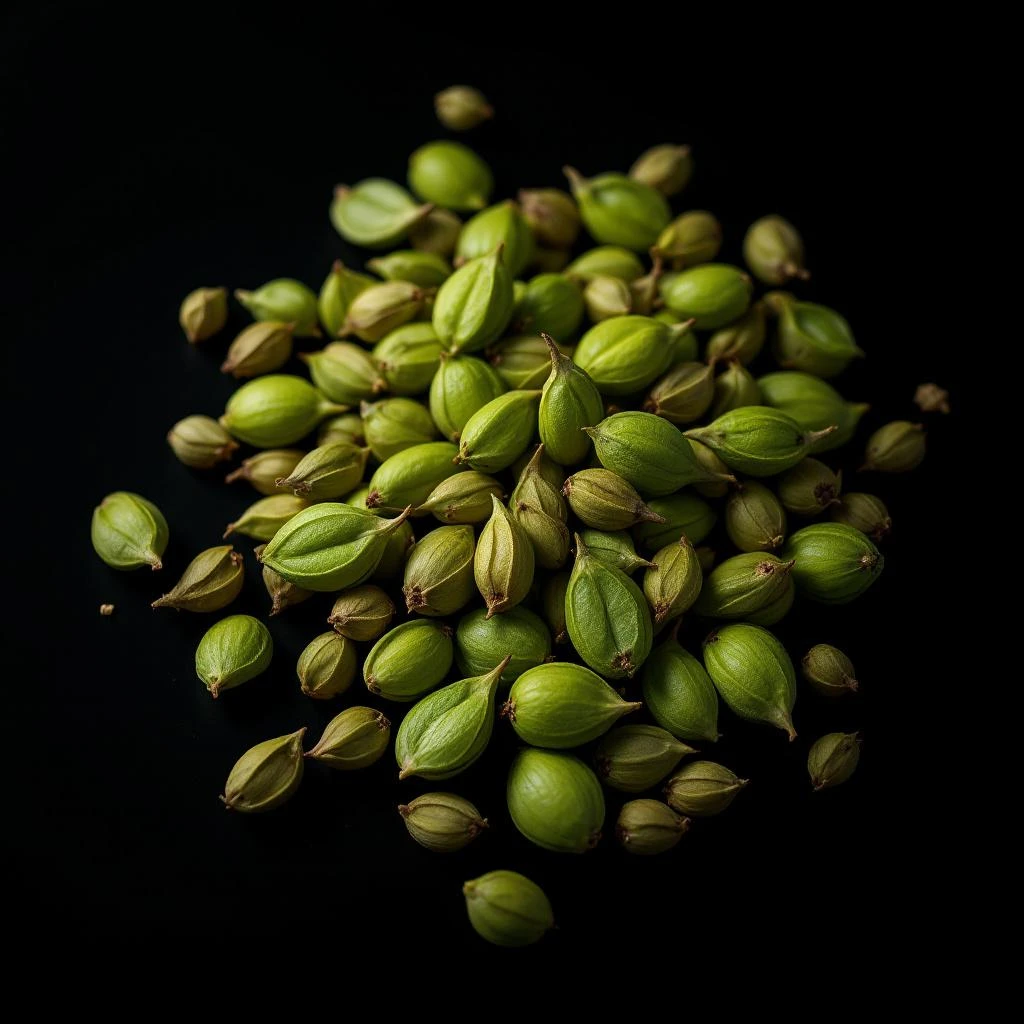
Ecuador
Long before synthetic musks emerged, perfumers sought warm, animalic scents to anchor their compositions. Ambrette seed filled that role for centuries, offering an ethical alternative to animal-derived musk. The plant traces its perfumery legacy to India, where ancient practitioners valued it for both medicinal and aromatic purposes.
The name itself connects to ambergris the French word ambre inspired ambrette, linking this humble seed to one of perfumery's most treasured materials. Central American cultivation, particularly in Ecuador and Peru, has expanded access to this botanical marvel. Today, ambrette seed appears in prestigious fragrances like Serge Lutens Muscs Koublaï Khän and Clair de Musc, valued for its ability to add sensuality without overwhelming.
Its enduring presence in fine perfumery reflects a growing industry commitment to natural, sustainable ingredients.
Wears it best
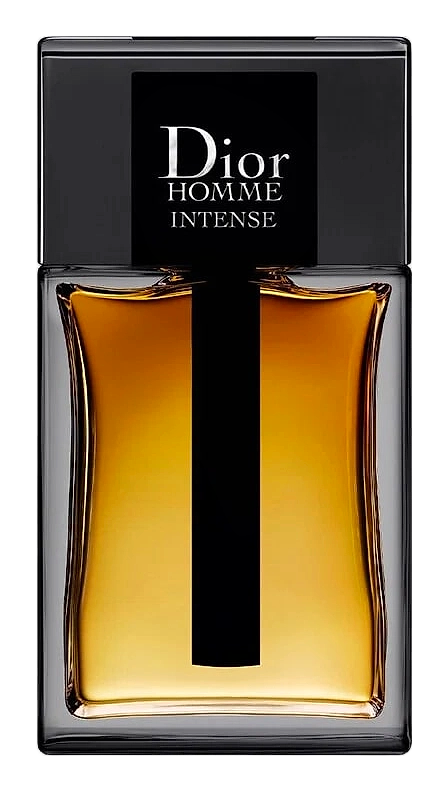
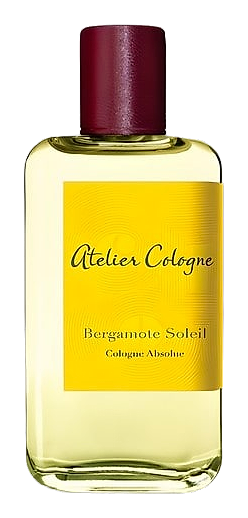
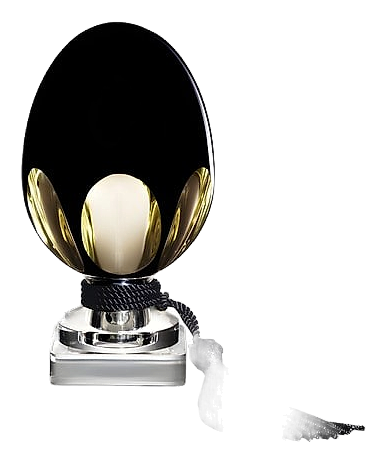
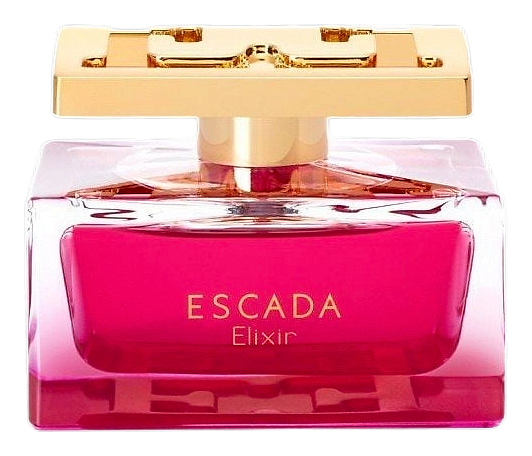
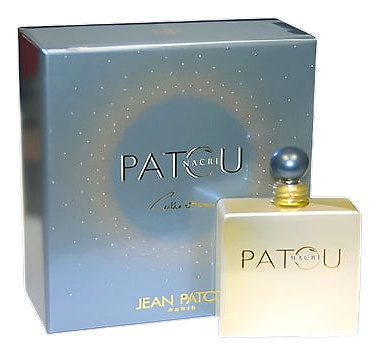
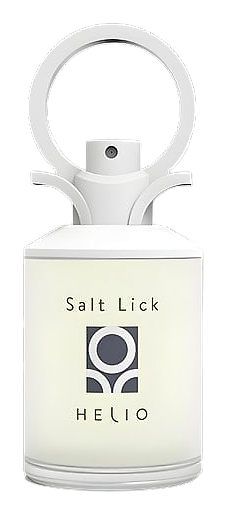
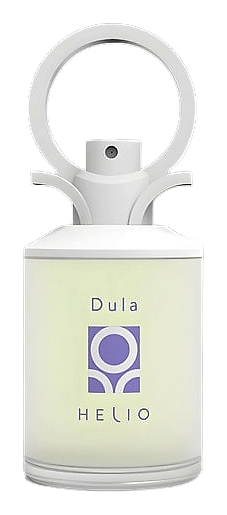
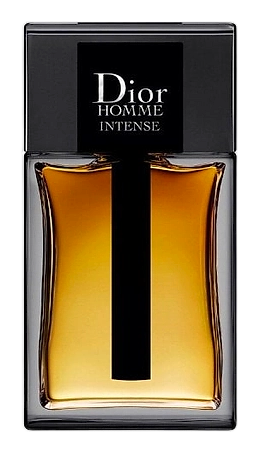
Fragrances featuring Ecuadorian Ambrette Seed
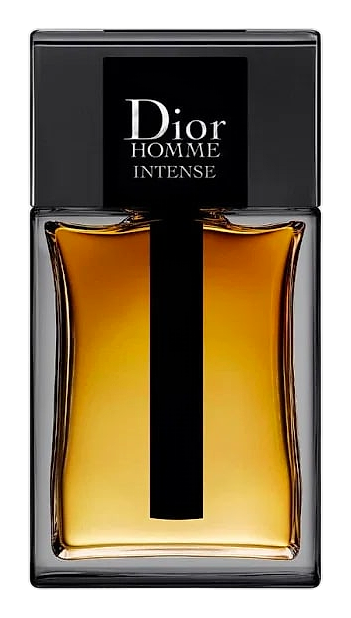
Brands
Brands known for Ecuadorian Ambrette Seed
Good to know
Questions, answered
The essentials on Ecuadorian Ambrette Seed in perfumery: how it smells, where it comes from, and how it behaves on skin.
What does Ecuadorian ambrette seed smell like?
Ecuadorian ambrette seed offers a warm, musky scent with powdery and ambery qualities. The fragrance includes subtle fruity notes of pear and plum, floral hints of rose and iris, and intriguing undertones of tobacco, leather, and clary sage that unfold over time.
Why is ambrette seed called a natural musk?
Ambrette seed naturally contains ambrettolide, a molecule that produces musky, powdery characteristics similar to animal musk. Perfumers have used it for centuries as a plant-based alternative to traditional animal-derived musk bases.
How is ambrette seed processed after harvest?
Harvesters collect the seeds by hand and dry them carefully to prevent molding. The seeds then undergo steam distillation to produce ambrette butter, a waxy solid. An alkaline wash separates the fatty acids, yielding a highly prized absolute used in fine perfumery.
Where does Ecuadorian ambrette seed originate?
The parent plant Abelmoschus moschatus originally grew in India, though cultivation now spans Central and South America. Ecuador's warm, humid climate produces high-quality seeds prized by perfumers worldwide.
Is ambrette seed sustainable and ethical?
Yes. Ambrette seed provides a cruelty-free alternative to animal musk, supporting ethical perfumery practices. The plant-based source requires no animal products while delivering the warm, sensual qualities traditionally associated with musk.
What fragrance families use ambrette seed?
Ambrette seed appears in oriental fragrances, floral compositions, and chypre blends. It works particularly well in amber and fruity-floral bases, where its musky warmth enhances the overall composition without dominating the blend.
How does ambrette seed perform as a fixative?
Ambrette seed acts as an excellent fixative with what perfumers call an exalting effect. It lifts and enhances surrounding notes while adding remarkable longevity to fragrance compositions.
What distinguishes Ecuadorian ambrette seed from other origins?
Ecuador's tropical climate produces seeds with particularly rich aromatic compounds. The careful harvesting and processing practices in this region help preserve the seed's complex profile of musky, fruity, and powdery facets.