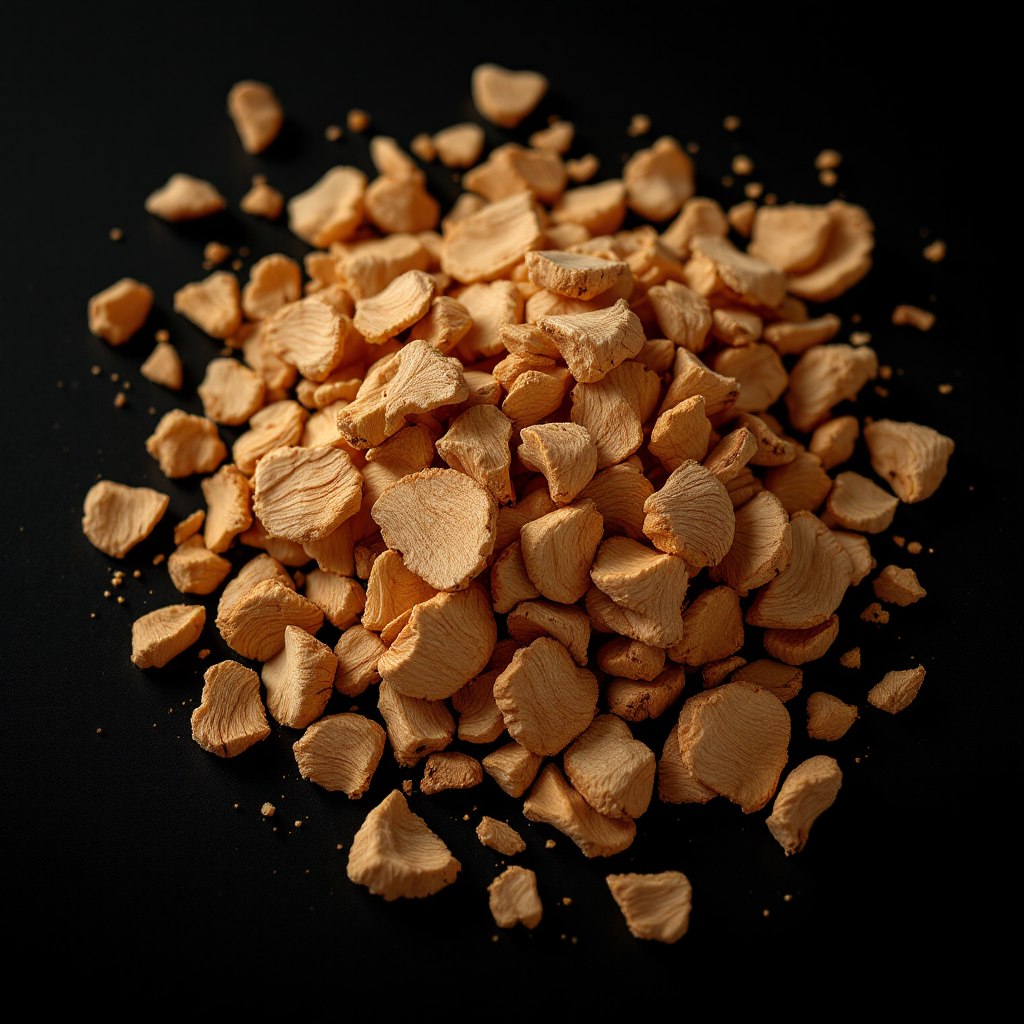
Citrus Tree Wood
Citrus tree wood captures the dry, resinous character beneath the bright peel, offering a rare bridge between juicy top notes and grounding base accords in modern perfumery.
Character
How it smells
The quiet warmth beneath the zest
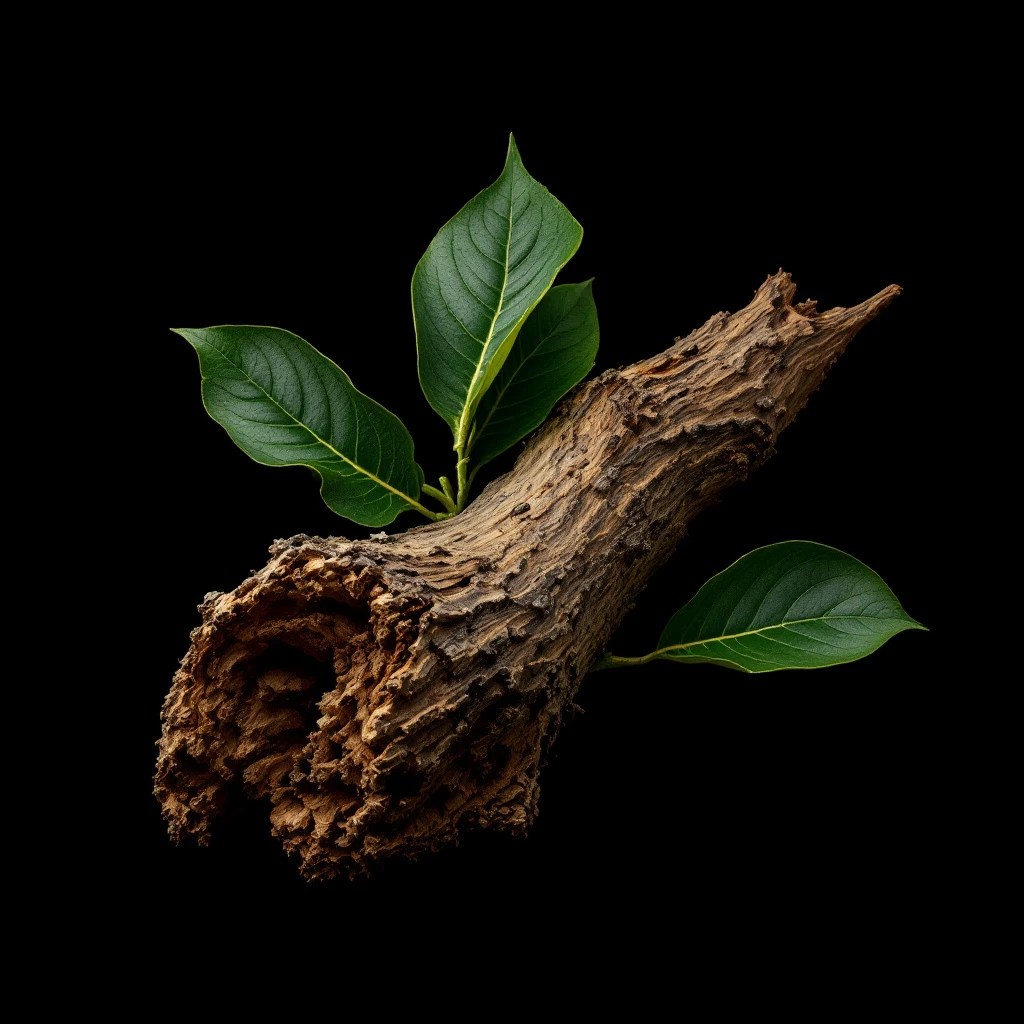
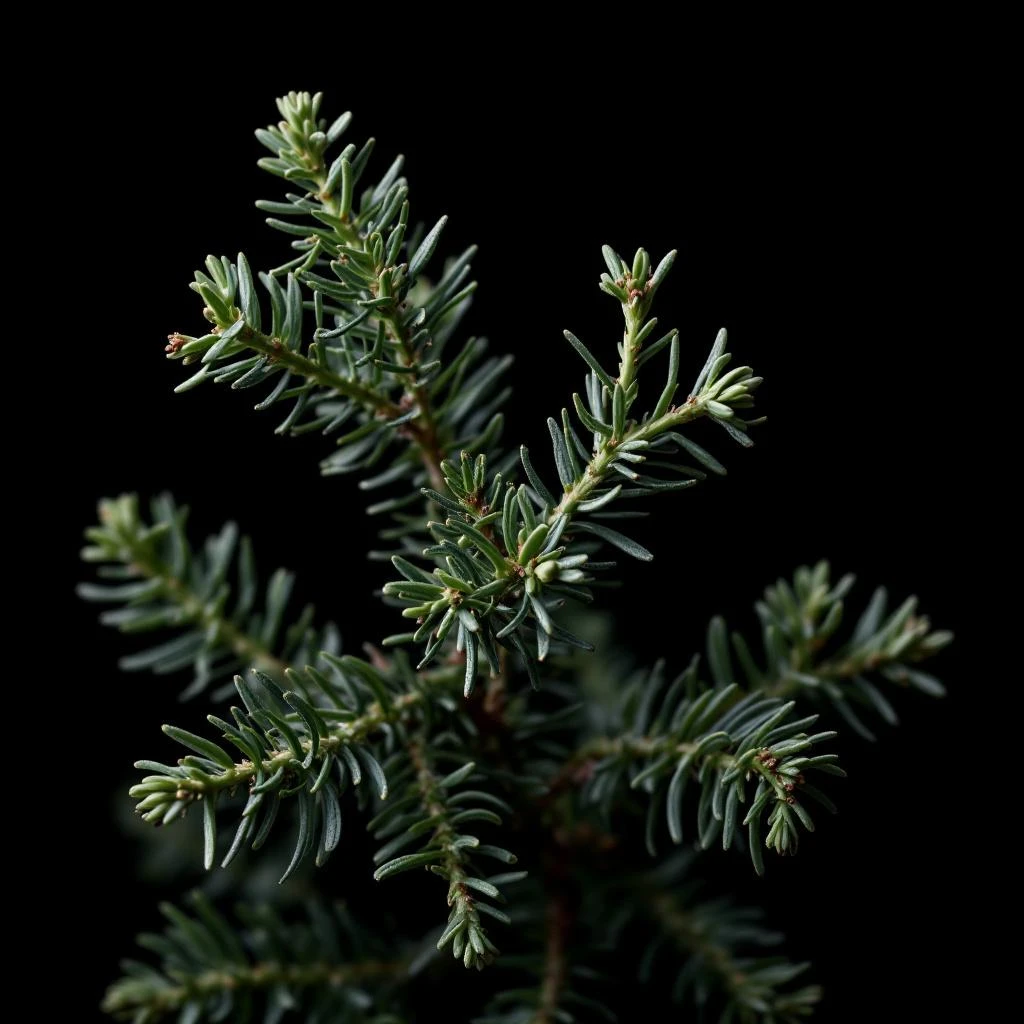
Unlike citrus essential oils pressed from peels, citrus wood yields its scent through steam distillation of pruned branches, a by-product of orchards that would otherwise be discarded.


Origin
Italy
Citrus trees entered European perfumery through Arab trade routes in the medieval period, with bitter orange cultivation flourishing in Sicily and southern Spain by the twelfth century. While the blossoms and peels became prized ingredients almost immediately, the wood itself remained an overlooked resource for centuries. Industrial perfumery in eighteenth-century Paris focused heavily on floral and citrus peel extracts, leaving woody material largely unstudied.
Renewed interest in sustainable sourcing during the late twentieth century prompted growers in Calabria and Andalusia to investigate whether pruned branches could yield usable aromatic material. Researchers found that steam-distilled citrus wood produced a subtle, dry scent profile distinct from the sharp brightness of peel oils. By the early 2000s, niche perfumers began incorporating these distillations as fixative elements that extended citrus compositions without adding heaviness.
Today, citrus tree wood represents a small but growing category within natural perfumery, valued both for its aromatic contribution and its alignment with zero-waste agricultural practices in Mediterranean citrus groves.
Wears it best
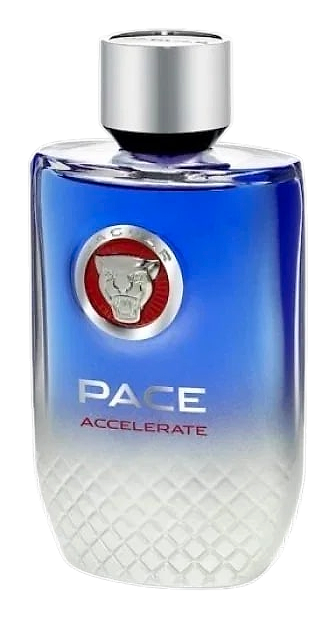
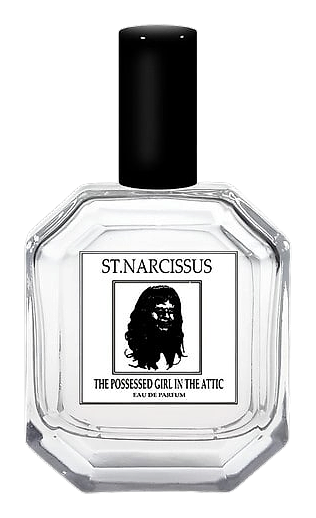
Fragrances featuring Citrus Tree Wood
Brands
Brands known for Citrus Tree Wood
Good to know
Questions, answered
The essentials on Citrus Tree Wood in perfumery: how it smells, where it comes from, and how it behaves on skin.
What does citrus tree wood smell like in perfumery?
Citrus tree wood produces a dry, slightly bitter, and woody scent with faint terpenic brightness, softer than peel oils but warmer than most other woody ingredients. It acts as a quiet bridge between sharp top notes and heavier base accords.
How is citrus tree wood oil extracted?
Producers use steam distillation on chipped branches harvested during routine orchard pruning. The steam carries volatile compounds into a condenser, where they separate as essential oil. Yields are low, which makes the ingredient relatively uncommon.
Is citrus tree wood the same as citrus peel oil?
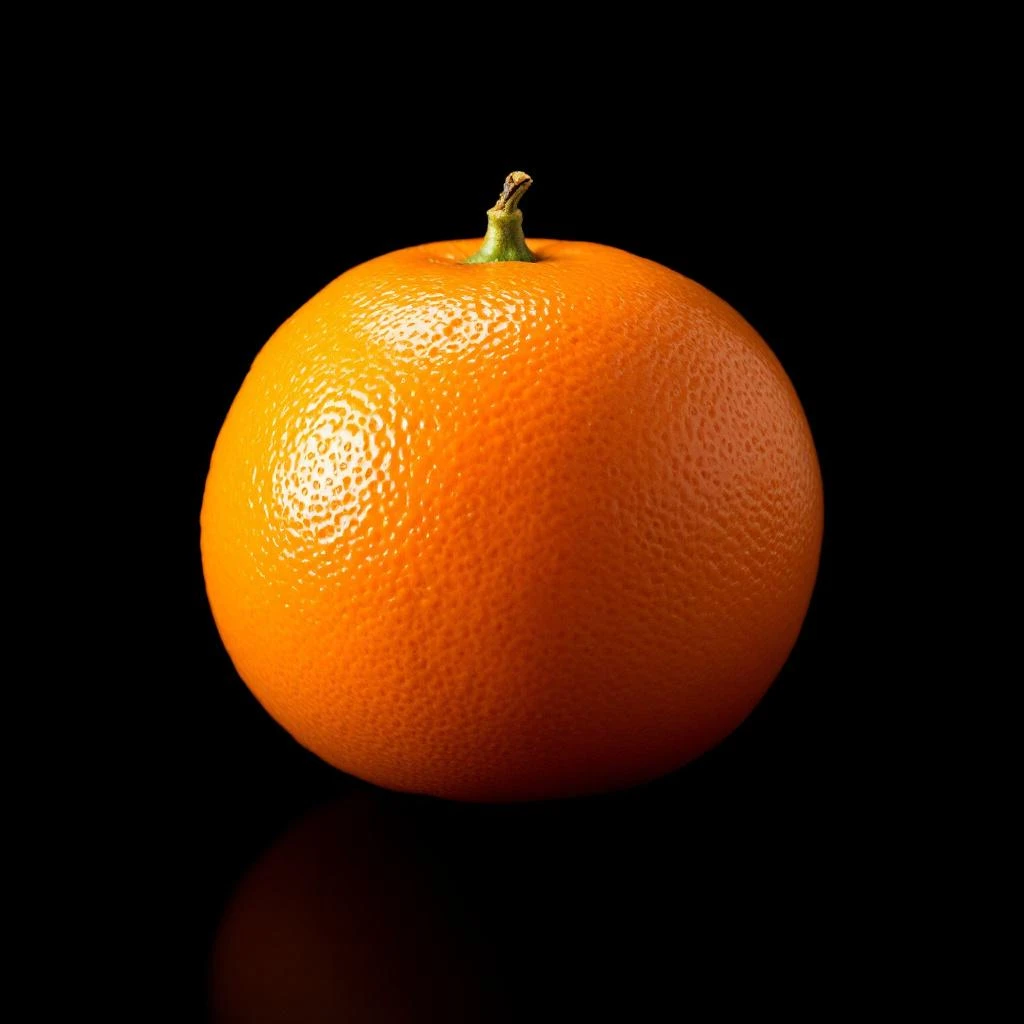
No. Citrus peel oils come from the fruit's outer rind and are cold-pressed, producing sharp, zesty top notes. Citrus tree wood oil comes from distilled branches and offers a drier, woodier profile used as a subtle base or middle note.
Where is citrus tree wood oil primarily produced?
Most production occurs in southern Italy, particularly Calabria, where bergamot and bitter orange orchards generate large volumes of pruned wood. Smaller quantities come from citrus-growing regions in Spain and Portugal.
Why is citrus tree wood considered sustainable?
The ingredient is a by-product of agricultural pruning, meaning no trees are felled solely for fragrance production. Using this material supports circular practices in Mediterranean citrus industries that already maintain large orchards.
Which perfumes commonly feature citrus tree wood?
Niche and artisan houses have used citrus wood distillations most often, particularly in compositions emphasizing natural Mediterranean sourcing. Mainstream commercial use remains limited due to the ingredient's scarcity and higher cost.
Can citrus tree wood oil cause skin sensitivity?
Like most citrus-derived distillates, it contains trace furocoumarins and limonene compounds. Phototoxicity is lower than cold-pressed peel oils, but formulators typically recommend limiting skin exposure to oxidized material in sunny conditions.
Is citrus tree wood a natural or synthetic ingredient?
It is a natural ingredient when steam-distilled from real wood. Synthetic versions mimicking its dry, woody-citrus profile exist but cannot fully reproduce the complexity of the distilled botanical material.