Cashew
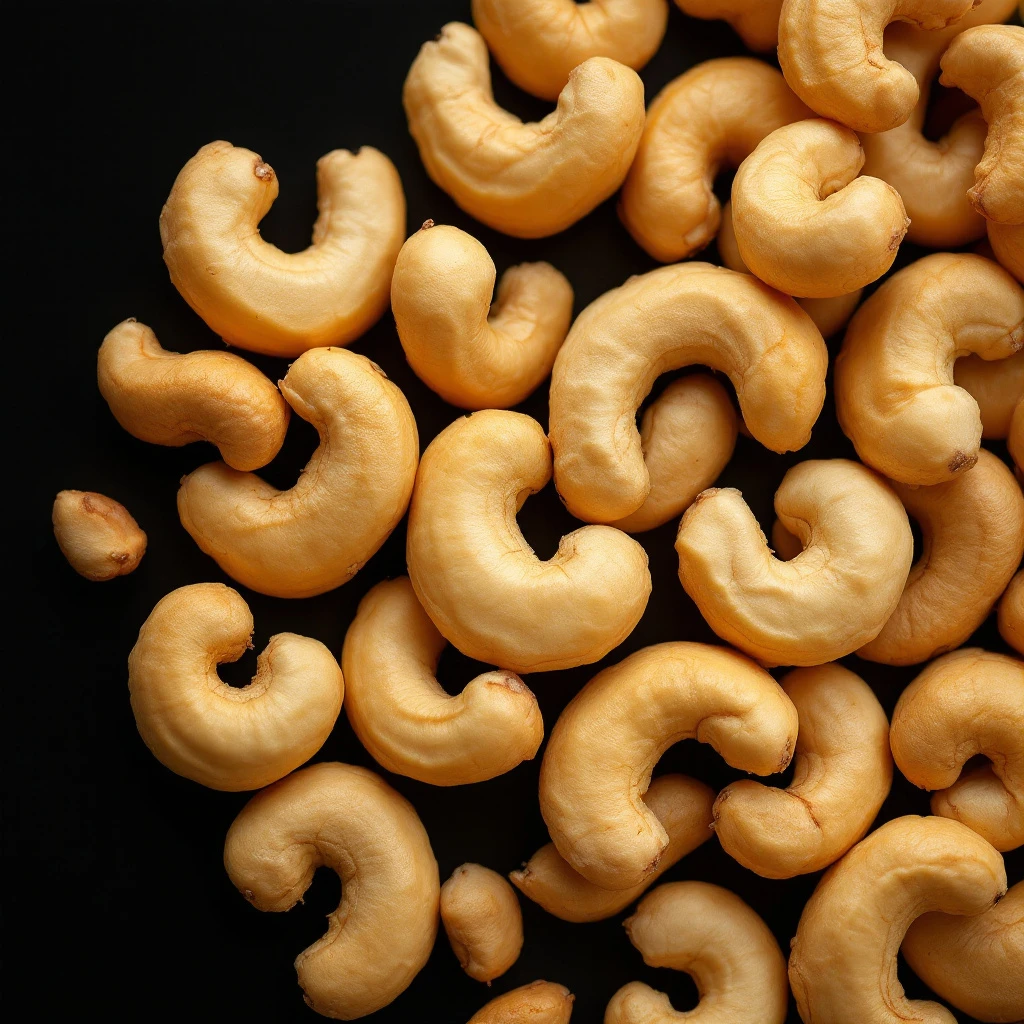
Cashew presents a unique paradox in perfumery. While no commercial essential oil or absolute exists for this nut, its aromatic potential has drawn interest from Brazilian perfumers who work directly with the nut. Cashew shell liquid contains anacardic acids that contribute warm, nutty aroma characteristics, inspiring synthetic derivatives used in contemporary fragrance creation.
Character
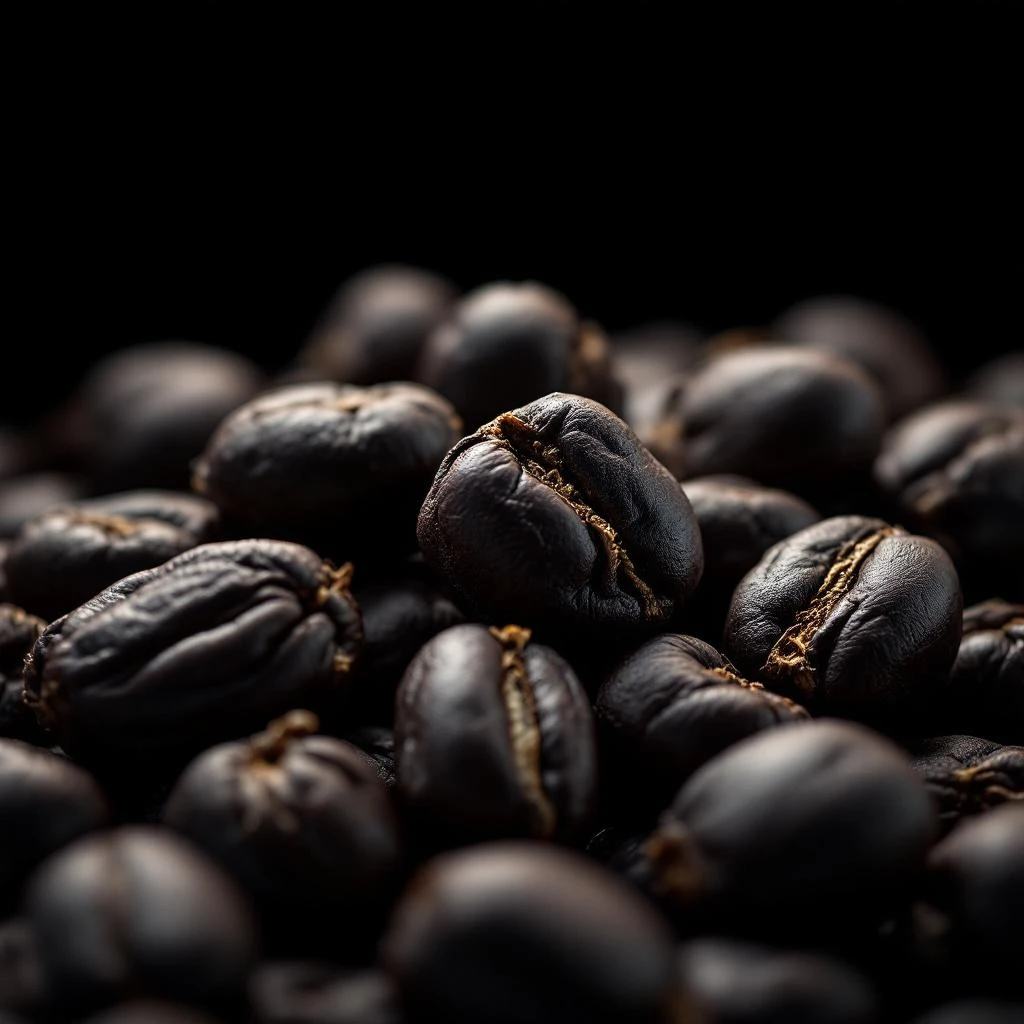
How it smells
The tropical nut that shapes perfumery from within, not through extraction but through inspired chemistry.
The cashew apple, the fleshy fruit bearing the nut, contains more vitamin C than orange juice, yet its aromatic compounds have barely been explored by mainstream perfumery.




Origin
Brazil
The cashew tree originated in northeastern Brazil, where indigenous peoples cultivated it long before European contact. Portuguese explorers recognized its value during the 16th century and spread the tree along their trading routes to India, Southeast Asia, and East Africa. This geographical expansion transformed cashew from a regional food crop into a global commodity.
For centuries, the nut commanded most attention, while the fleshy apple went largely underexplored. In India, particularly in the region around Goa, cashew cultivation became economically significant by the 20th century. Indian perfumers developed techniques to incorporate cashew-derived materials into traditional attar production, creating distinctively tropical fragrance bases.
Modern fragrance chemistry has elevated cashew from agricultural footnote to aromatic inspiration. Research into anacardic compounds during the 1970s and 1980s revealed their potential as aroma precursors. Today, Brazilian fragrance creators lead innovation with cashew-inspired materials, honoring the plant's New World origins while serving global perfumery demands.
Wears it best
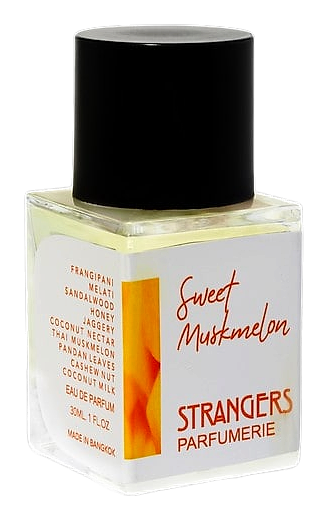
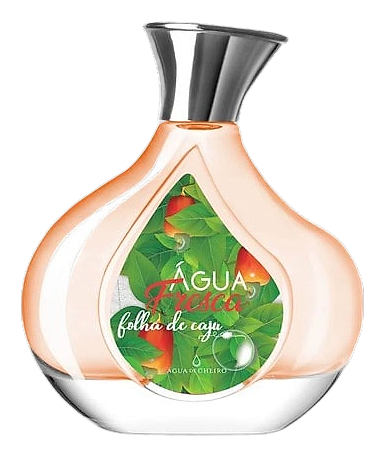
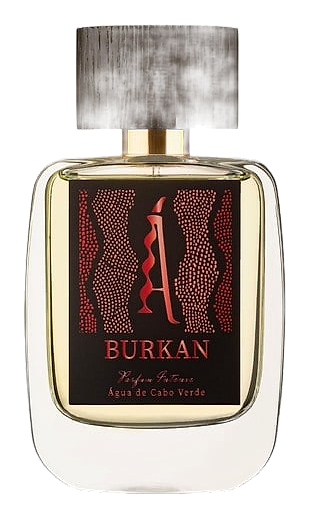
Fragrances featuring Cashew
Brands
Brands known for Cashew
Good to know
Questions, answered
The essentials on Cashew in perfumery: how it smells, where it comes from, and how it behaves on skin.
What does Cashew smell like in perfume?
Cashew contributes warm, roasted, buttery nuances when used as a fragrance material. Cashew nutshell derivatives emit nutty, slightly sweet, woody notes reminiscent of roasted almonds with subtle resinous undertones. Synthetics inspired by cashew chemistry often feature lactonic, creamy aroma profiles.
Why is Cashew used in perfumery?
Cashew is used for its warm, gourmand-like nutty character that adds depth and realism to fragrance compositions. Perfumery applications emerged from Brazilian perfumers exploring local ingredients, leading to cashew-derived aroma chemicals and inspired synthetics that provide consistent nutty dimensions that natural nut materials cannot deliver.
Is Cashew in perfume natural or synthetic?
Cashew does not exist as a natural perfume extract. No commercial essential oil, absolute, or resinoid comes from cashew for perfumery. The fragrance industry uses synthetic aroma chemicals inspired by cashew chemistry, along with cashew nutshell liquid byproducts. These provide the nutty, warm character without depending on traditional extraction.
What famous perfumes contain Cashew?
Cashew-aware perfumers have worked with cashew derivatives in Brazilian fragrance lines, though specific international releases naming cashew remain uncommon. Most cashew aroma appears indirectly through nut-inspired fragrance accords rather than listed ingredients, since dedicated cashew perfume materials are rare outside specialized supplier catalogs.
Is Cashew a top note, heart note, or base note?
Cashew-derived aroma materials typically function as base or heart notes in fragrance construction. Their warm, persistent character provides lasting depth rather than opening impact. Synthetics inspired by cashew chemistry often serve as foundation notes, supporting lighter top materials while contributing rich, comforting dry-down qualities.
What notes pair well with Cashew in perfume?
Cashew pairs naturally with vanilla for gourmand warmth, with sandalwood for creamy woodiness, and with caramel for sweet confectionery effects. Tropical companions like coconut and passion fruit harmonize with cashew's buttery character. Woody companions including cedar and vetiver ground its sweetness, while bergamot adds brightness.
Where does Cashew come from?
Cashew originated in northeastern Brazil, specifically the Amazon basin region, before Portuguese colonizers spread it to India, Vietnam, and East Africa during the 16th century. These regions produce roughly 90% of global cashew output. India and Vietnam are now the largest commercial producers, while Brazilian cashew retains significance for perfumery innovation.
Is Cashew used in men's or women's fragrances?
Cashew derivatives appear in both men's and women's fragrances, though applications differ. In women's scents, cashew often supports gourmand and sweet oriental compositions. In men's fragrances, it contributes to warm, woody, fougère, and leather constructions. Its versatility across gender presentations reflects its role as a bridging note rather than a statement ingredient.