The Story
Why it exists.
The beginning
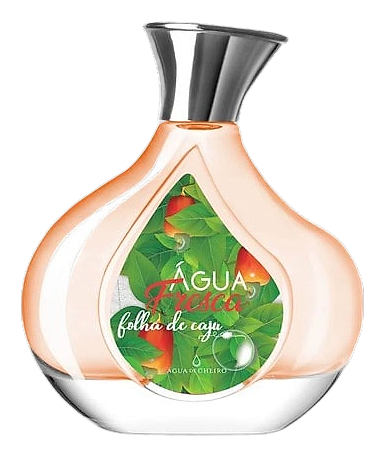
Folha de Caju translates to cashew leaf, and the fragrance takes its whole identity from a part of the tree most perfumers ignore. The plant grows everywhere in the northeast, the fruit is eaten on the street, but the leaf rarely gets the spotlight. Juliana Tolotti built the composition around that overlooked green, letting it lead rather than support. The juice leans into the actual plant instead of chasing the obvious tropical-fruit route, which is what makes Caju feel like the quiet one of the bunch. Where its siblings announce themselves with sweetness and recognizable gourmand warmth, this one stays grounded. You smell the leaf first, and that opening sets the whole tone for everything that follows.
Tolotti uses the cashew leaf as a top note, which means it announces itself immediately and then has to hand off cleanly to whatever comes next. The opening has a quiet clarity to it, almost like crushed greenery held briefly under the nose, and that crispness is what gives the fragrance its casual register. Rose takes over once the green settles, and the pairing does something interesting: it keeps the composition from sliding toward anything overtly tropical. The floral carries just enough softness to round out the leaf's sharper edges, without ever pushing the scent into sweeter territory.
The evolution
The first ten minutes are all cashew leaf: green, milky, a little sharp in the way fresh foliage can be. Not the roasted nut you'd recognize from a packet, but something closer to the plant itself, still attached to the branch. Around the fifteen-minute mark the rose shows up, not as a bouquet but as a single warm petal pressed between pages. It rounds the green out, makes it less vegetable and more lived-in. By the hour mark the musk has taken over almost completely. What's left smells like clean skin on a warm afternoon, with the faintest trace of something sweet underneath. On fabric the drydown lingers into the next day, soft and powdery. Nothing dramatic happens after the first thirty minutes, and that's the point. It stays where you put it.
Cultural impact
Folha de Caju reads as a scent made for warm skin and warm air, the kind of weather-friendly composition that feels right any time of year in Brazil. The fragrance sits close rather than projecting, which makes it easy to wear in close quarters without overwhelming anyone nearby. That skin-close quality also means it shifts and develops with your own body chemistry, picking up warmth throughout the day. You get something that feels personal, almost like it belongs only to the person wearing it.