The Story
Why it exists.
The beginning
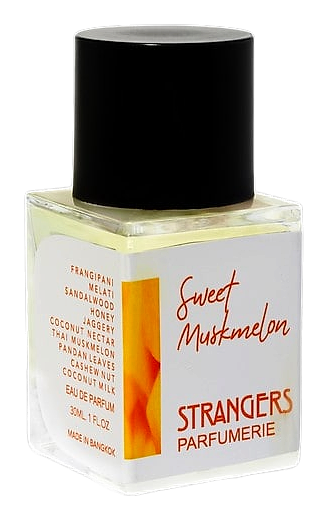
Prin Lomros has a habit of turning memory into scent. With Sweet Muskmelon, he reached into the aromatic world of Southern Thai cuisine, specifically the desserts that define the region. Ripe muskmelon, coconut, palm sugar, honey. Simple ingredients, powerful associations. The brief was apparently personal: a specific kind of afternoon sweetness, the kind that exists in Thailand's heat and humidity, where dessert stalls are never far and sugar is used without restraint. The name says exactly what the bottle delivers, nothing guarded, nothing subtle. Just the full, joyful expression of a fruit and its accompaniments. This is autobiography in edible form. Not a concept fragrance or a mood piece. A sensory record of something Prin Lomros clearly wanted to carry with him, and let others carry too.
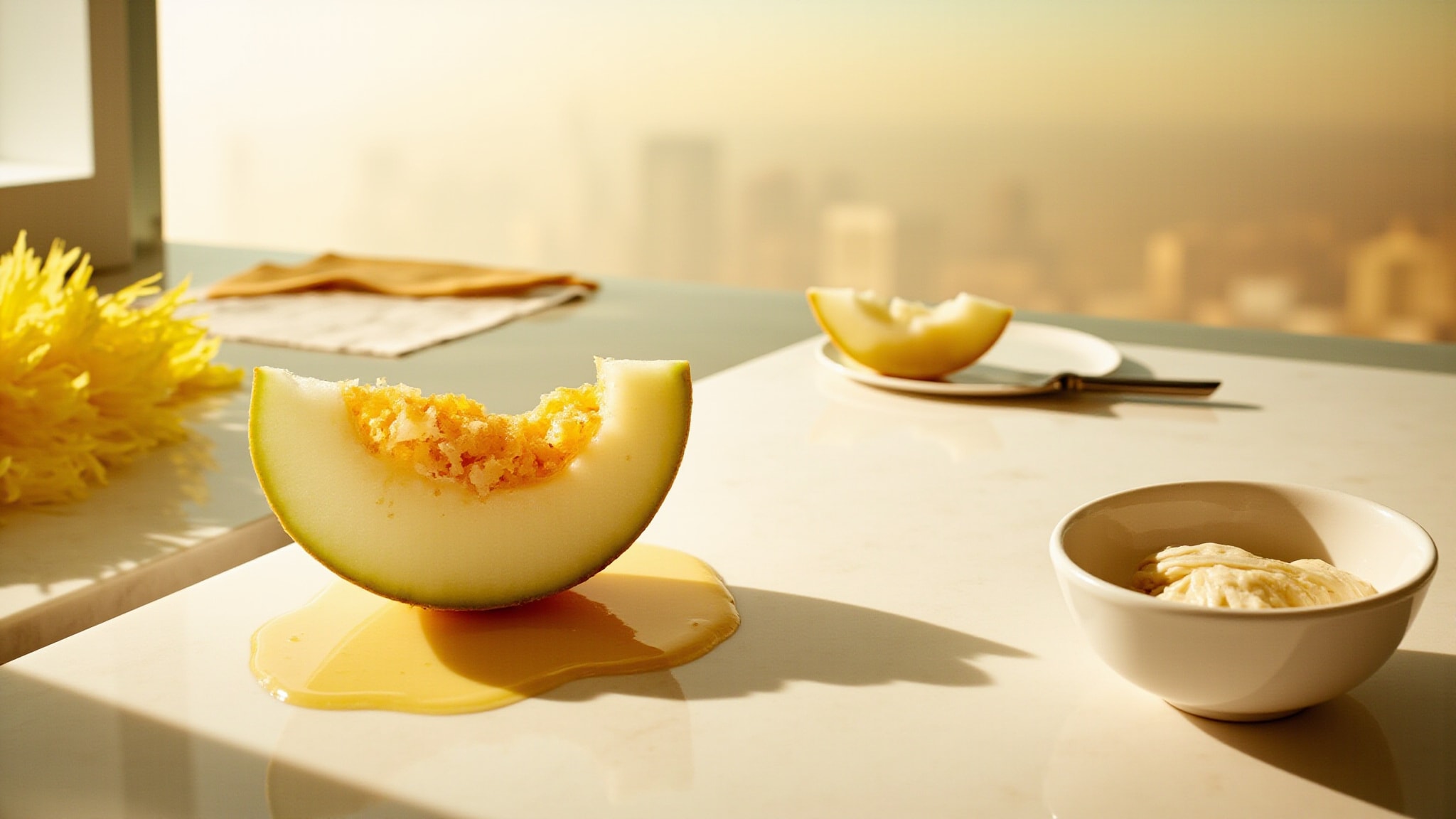
What makes Sweet Muskmelon interesting isn't just the fruit, it's the specific character of Thai muskmelon, which carries a green, almost vegetal edge alongside its sweetness. Combined with coconut milk and coconut nectar, the composition layers creamy tropical warmth against bright, slightly aquatic fruit. Jaggery sugar, a traditional Southeast Asian sweetener, adds caramelized depth that reads as confectionery without becoming generic. Pandanus (palm leaf) is the wild card, a grassy, nutty note that grounds the sweetness and keeps the fragrance from floating entirely into beach-candle territory. Cashew adds roasted warmth.
The evolution
The opening arrives fast, honeydew melon and honey hit together, no slow build, no tentative introduction. Within the first thirty minutes, coconut milk softens the sugar rush, creating a creamy sweetness that lingers through the first hour. The honey doesn't fade quietly; it recedes slowly, allowing jasmine and frangipani to surface gradually like a memory of flowers rather than their full presence. By hour two, the coconut thickens into coconut cream. Roasted cashew and pandan add warmth and a nutty, almost bready quality that anchors the sweetness. Jaggery sugar ties everything together into a sticky-sweet confectionery accord, the kind that fills a small space, intimate and present. Sandalwood doesn't arrive all at once. It rises slowly through the composition, first felt as a woody undertone beneath the florals, then asserting itself as the dominant feature. The drydown is sandalwood, honeyed frangipani, and jasmine sambac floating above warm wood. The sweetness nearly disappears.
Cultural impact
Sweet Muskmelon sits comfortably in the edible fragrance wave without following it obediently. Where most coconut-forward scents lean toward beach-candle territory, this one keeps enough restraint to feel intentional, the honeydew and jaggery sugar combination adds dimension that distinguishes it from sunscreen alternatives. It's a fragrance that divides opinion in the way all confident statements do: wearers either love its full-volume sweetness or find it too much. That polarization is, perhaps, exactly the point.